Key facts
- Type
- Competition
- Provider
- Stanford Center on Longevity
- Deadline
- 11/27/2026
In short
The Stanford Center on Longevity Design Challenge 2026-2027 invites university students globally to design human-centered robotic solutions for longevity, focusing on affordable, socially supportive tools that enhance human relationships. Top winners receive cash prizes up to $10,000, with finalists also receiving cash and mentorship.
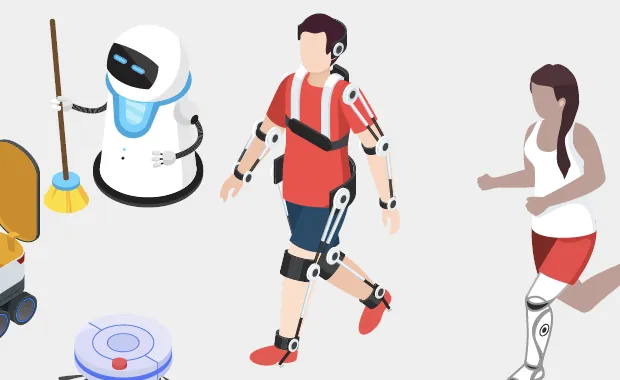
Stanford Center on Longevity Design Challenge 2026-2027
By Stanford Center on Longevity
CompetitionAccepting applications nowApply by 11/27/202673 days left
Open to university students worldwide
Who
Theme: Human-Centered Robotics for Longevity
Theme
$10,000 first place prize
Prize
Free to enter
Cost
Mentorship for finalists
Benefit
Overview
The Stanford Center on Longevity Design Challenge 2026-2027 is an international competition for university students focused on the theme of 'Human-Centered Robotics for Longevity.' This marks the fourteenth year of the challenge, which aims to explore how robotic solutions can support longer, more fulfilling lives by strengthening, rather than replacing, human relationships and communities. The challenge addresses the evolving needs and transitions individuals face throughout longer lifespans, such as mobility limitations, chronic health conditions, social isolation, and caregiving strain. It seeks innovative robotic tools, from low-cost mechanical devices to interactive smart systems, that can help navigate these challenges while preserving or enhancing human connection. Participants are encouraged to design solutions that empower individuals and families by reducing burdens, improving safety, expanding independence, and creating new opportunities for engagement. Students are expected to think both creatively and practically, with an emphasis on solutions that are simple, affordable, and impactful, particularly for those with limited financial resources or access to emerging technologies. The core principle is to design robotics that support dignity, autonomy, and belonging, ensuring that families and communities are strengthened rather than depersonalized or replaced by technology. The competition is open to teams of 1-5 students enrolled during the 2026-2027 academic year at any accredited university or college worldwide. There are no specific field or background requirements, encouraging interdisciplinary collaboration. The top three winning teams will receive cash prizes of $10,000, $5,000, and $2,000 respectively, while all finalists will receive a $1,000 cash prize and mentorship from industry experts and researchers.
What to build
Participants are asked to design robotic tools, ranging from low-cost mechanical devices to interactive smart systems, that address life-course challenges in one of four unspecified categories, while preserving or enhancing human relationships. The designs should focus on helping people thrive at every stage of life by empowering individuals and families, reducing burdens, improving safety, expanding independence, and creating new opportunities for engagement. Solutions should be simple, affordable, and impactful, especially for those with limited financial resources or access to emerging technologies.
Prizes
1st Place
$10,000
2nd Place
$5,000
3rd Place
$2,000
Finalist
and mentorship from industry experts and researchers
$1,000
Key dates
- Entry Opens2026-09-15
- Deadline2026-12-01
- Results Announcement2027-04
Eligibility
The challenge is open to teams of 1-5 students enrolled during the 2026-2027 academic year, attending any accredited university or college globally. Each team must have at least one full-time student, and if the team is selected as a Finalist, only students may present.
Submission requirements
- Team size: 1-5 students
- Enrollment: All team members must be enrolled in an accredited university or college during the 2026-2027 academic year
- Full-time student: At least one team member must be a full-time student
- Presentation: If selected as a Finalist, only students may present
Sponsors & partners
Stanford Center on Longevity