Architecture & Design in Australia
Australia offers 37 Architecture & Design programmes across 15 universities, with strong representation from institutions recognised both nationally and internationally. The University of Sydney, Monash University, the University of Adelaide, Queensland University of Technology, and Swinburne University of Technology are among the well-known providers, alongside Torrens University Australia for students seeking a more industry-integrated approach.
Tuition fees for international students vary by institution; prospective applicants should check each university's current schedule directly. Architecture programmes in Australia are typically accredited by the Architects Accreditation Council of Australia (AACA), and design programmes cover areas such as interior design, industrial design, and visual communication. Most programmes combine studio practice, technical studies, and professional experience components.
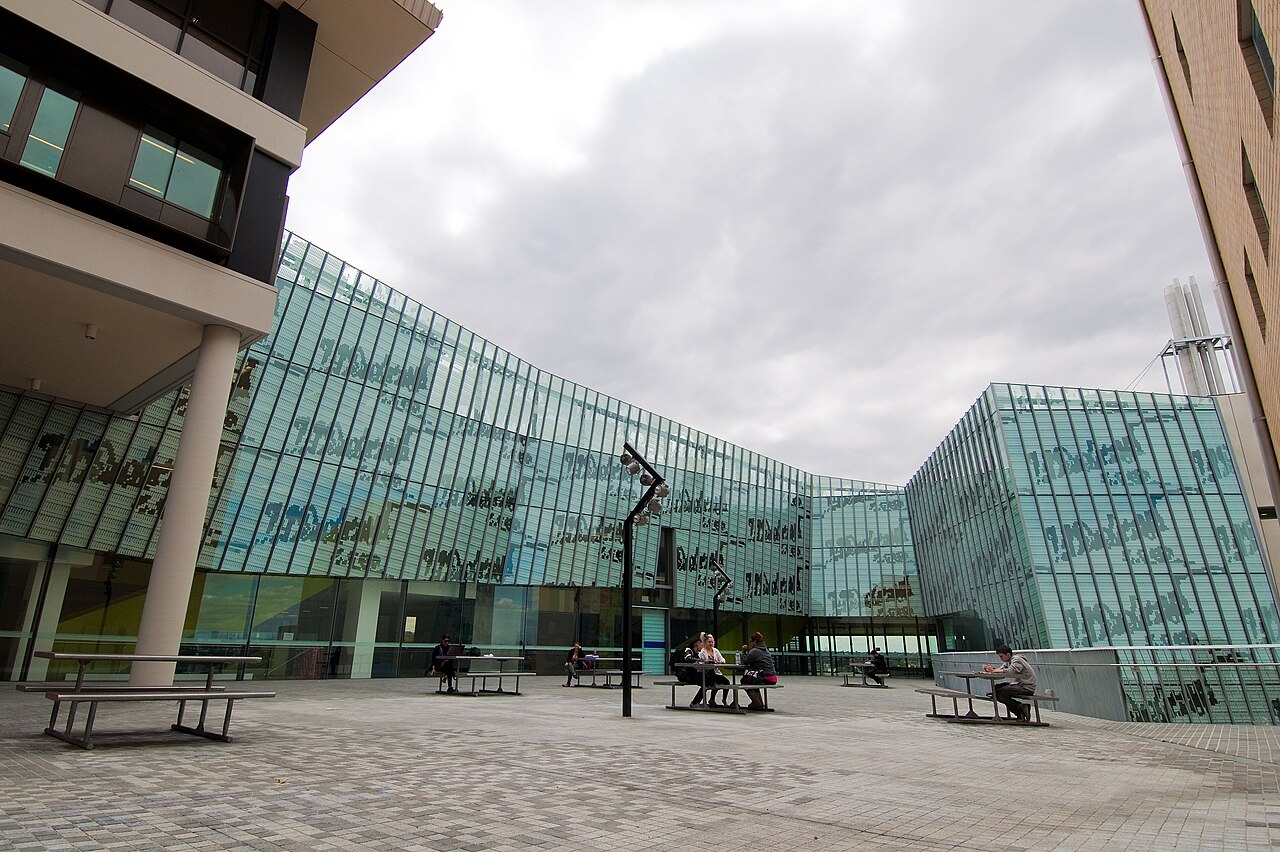
Advanced Diploma of Building Design (Architectural) 22627VIC
This Advanced Diploma of Building Design (Architectural) will equip you with the skills needed for a creative and rewarding career in building design. You'll become proficient in the design, presentation, and documentation processes for residential, industrial, and commercial buildings. The course combines classroom learning with hands-on tasks and industry projects, developing your expertise in construction technology, design solutions, building codes, compliance, sustainable design, project management, and small business planning. Graduates will be well-prepared to register as drafting practitioners with the Victorian Building Authority (VBA) after gaining relevant industry experience.

Advanced Diploma of Civil Construction Design
This qualification provides the skills and knowledge needed to design and construct civil works for various public infrastructure projects such as roads, railways, buildings, water reservoirs, subdivisions, airports, bridges, sewer systems, tunnels, and dams. You will gain proficiency in managing civil works design processes, using CAD software like AutoCAD, Civil 3D, and Revit, and applying safe design principles. The course also covers preparing detailed geotechnical and structural designs, developing business plans, managing project scope, time, and risks, and establishing quality systems. Upon completion, you will be prepared for roles such as a senior civil works designer or para-professional designer who supports professional engineers. The demand for Civil Engineering Professionals is expected to grow significantly, with projections indicating an increase of approximately 13.4% in the next five years.

Advanced Diploma of Game Design and Development
This Advanced Diploma of Game Design and Development program focuses on building the essential skills for a career in the gaming industry. You will learn to bring game ideas to life by developing expertise in asset production, game ideation and design, and project management. The course emphasizes both creative and technical skills, along with collaboration, using industry-standard tools and engines within practical, studio-based learning environments. You will work in team-based settings, applying agile methodologies to manage projects of increasing complexity. Collaboration with game programming students will enhance your communication and problem-solving abilities. The program also covers commercial awareness, leadership, and the business aspects of game development, preparing you for the industry's realities.

Architecture, Construction and Urban Planning
Griffith University's Architecture, Construction, and Urban Planning programs focus on developing sustainable solutions for communities and cities. You will gain the skills and knowledge needed to plan, design, and build future cities, addressing global and local challenges. These degrees emphasize environmental sustainability, social justice, and urban design, preparing graduates to make ethical and lasting contributions to their industries and communities. Learning takes place in state-of-the-art design studios with industry experts, and includes hands-on experience and networking opportunities through work placements. The curriculum is developed in consultation with industry reference groups to ensure graduates possess work-ready attributes.
Bachelor of 3D Design and Animation
The Bachelor of 3D Design and Animation is designed to equip you with the essential technical skills, creative development, and practical experience needed for a successful career in the 3D design and animation industry. You will learn from industry experts and engage in hands-on projects to prepare you for professional roles. The program focuses on 3D modeling, animation, and interactive design, particularly for the games industry, while also exploring emerging fields and niche skills. Through live client projects and internships, you will gain valuable real-world experience, developing a unique blend of cutting-edge knowledge and specialized expertise.

Bachelor of Architectural Design
The Bachelor of Architectural Design is Queensland's most in-demand architecture degree, designed to prepare you for a career in the field. You will be taught by practicing architects and gain practical experience through mandatory industry placements of up to 100 hours in a real architecture practice. This program focuses on developing a comprehensive understanding of design and delivery within the built environment, enabling you to bridge the gap between concept and construction. Throughout the degree, you will engage in hands-on learning through fabrication studios and workshops, receiving valuable one-on-one interaction with mentors and opportunities for feedback. The curriculum fosters creative development and independent problem-solving, encouraging you to explore diverse influences and connections to inform your design process. Graduates are equipped with the skills and network to confidently pursue their careers in architecture.
Bachelor of Architectural Design
The Bachelor of Architectural Design at Victoria University (VU) focuses on creating sustainable building designs that respond to community needs. This program incorporates principles from the circular economy, such as reuse, repurposing, and recycling, to minimize waste and pollution. Through real-world projects, site visits, and community collaboration, you will develop practical skills and industry knowledge. The curriculum emphasizes solving challenges faced by professionals in architecture and construction, preparing you for roles in government and private sectors. Graduates will possess a versatile skill set for building design and may pursue further studies to become registered architects.
Bachelor of Branded Fashion Design
This degree focuses on creating, producing, and managing your own fashion brand from concept to market. You will learn to design collections, bring them to life using industry-standard software, and develop strategies to market them globally. The program combines creative design skills with business acumen, teaching you to produce collections that meet industry standards, manage budgets, and meet deadlines. You'll explore how to maintain brand integrity and positioning to ensure your brand stands out in a competitive market, preparing you for roles in existing labels or to launch your own.
Bachelor of Design
The Bachelor of Design program at QUT offers a hands-on and immersive creative education. From the first semester, you'll engage in Design Impact Labs, tackling real-world challenges through collaborative projects with students from diverse disciplines. This approach encourages conceptual thinking and the development of multifaceted solutions for various stakeholders and social agendas. The course emphasizes connecting with industry and community partners to identify and address practical problems. Graduates are well-prepared for emerging design careers through a curriculum that prioritizes practical application and real-world projects.
Bachelor of Design
The Bachelor of Design is a three-year, full-time program designed to prepare graduates for the global demand for designers who can address contemporary societal challenges creatively, ethically, and sustainably. It offers a studio-first approach, registered by the Design Institute of Australia, and cultivates advanced design expertise within innovative creative spaces at Griffith University's Queensland College of Art and Design. Students will utilize world-class facilities, including galleries and dedicated design studios. The program emphasizes critical thinking, ethical considerations, and the ability to present ideas effectively, preparing students to make a positive impact in the design field.

Bachelor of Design
The Bachelor of Design is an integrated degree that introduces you to the core disciplines of graphic, spatial, and digital interaction design. Through hands-on projects and studio-based practice, you will develop expertise in the areas of design that most interest you. You will learn to create user-friendly and functional products and interfaces, and collaborate effectively with professionals from various fields to bring your designs to life. This program prepares you for a range of in-demand career opportunities in both established design specialisations and emerging fields such as Service Design, Human-Centred Design, and Experience (UX) Design. Graduates will have a portfolio of real client work to showcase their skills upon completion. This Bachelor Degree is accredited at AQF Level 7.

Bachelor of Design
The Bachelor of Design is a dynamic program focused on people-centred futures and creative problem-solving. It equips you with the skills to address local and global challenges through innovative and sustainable design processes. You will learn to create spatial experiences, objects, systems, and communication solutions that influence behaviour and meet both personal and public needs. This interdisciplinary profession is vital for adding cultural value and contributing to the economy. This degree allows you to build expertise in one of four specialist areas: Collaborative Design, Communication Design, Industrial Design, or Spatial Design. The curriculum integrates history and theory, a drawing foundation, discipline-specific design studios, and electives to foster a comprehensive understanding and practical application of design principles.
Certificate III in Painting and Decorating
Transform spaces and build a rewarding career by learning the skills of a professional painter and decorator. This Certificate III course equips you with the expertise to enhance residential and commercial buildings through craftsmanship and creativity. You will gain a balance of practical and theoretical training to meet industry standards and adapt your skills to diverse projects.
Diploma of Civil Construction Design
The Diploma of Civil Construction Design is designed to provide you with foundational skills in civil design, technical mathematics, CAD/BIM software, engineering mechanics, and the design of drainage, foundations, concrete, and steel structures. This qualification is ideal for students aiming to develop practical drafting and civil design skills for technical support roles within the civil construction and infrastructure sectors. Upon successful completion, you will be issued a Diploma of Civil Construction Design, which can also serve as the first stage in a packaged Diploma and Advanced Diploma pathway that is submitted for Engineers Australia accreditation. The course includes approved Industry Exposure Days to help you connect classroom learning with real-world civil construction practices.
Diploma of Design
The Diploma of Design is a one-year program designed to provide a strong foundation in design principles for aspiring professionals. It offers a broad introduction to the design industry through hands-on projects in dynamic studio environments, where you'll collaborate with peers and learn from industry experts. This course is suitable for individuals new to design or those with some existing skills. You can explore various specialisations like Branded Fashion Design, Fashion Marketing, Communication Design, Interior Design, or Architectural Technology, with options to tailor your learning through electives. The diploma is structured for direct entry into a bachelor's degree program and provides full credit towards it.
Diploma of Interior Design and Decoration
The Diploma of Interior Design and Decoration provides a strong foundation in the essential technical skills, industry knowledge, and design processes needed to create effective living, working, and recreational spaces. This course is designed by industry professionals to prepare you for further studies or to directly enter the interior design field. You will explore various design principles, materials, and finishes, developing expertise in both residential and commercial design. Practical experience is gained through real-world projects, addressing sustainability challenges, and designing for diverse clients, building a professional portfolio to launch your career.
Doctor of Philosophy (PhD)
The University of Newcastle (UON) offers doctoral research degrees, including the Doctor of Philosophy (PhD). A PhD is an advanced research degree that allows you to contribute original knowledge to a specific field. It involves undertaking an independent, in-depth research project under the guidance of experienced academics. This degree is designed for individuals who want to become experts in their chosen area and pursue careers in academia, research, or advanced professional roles.
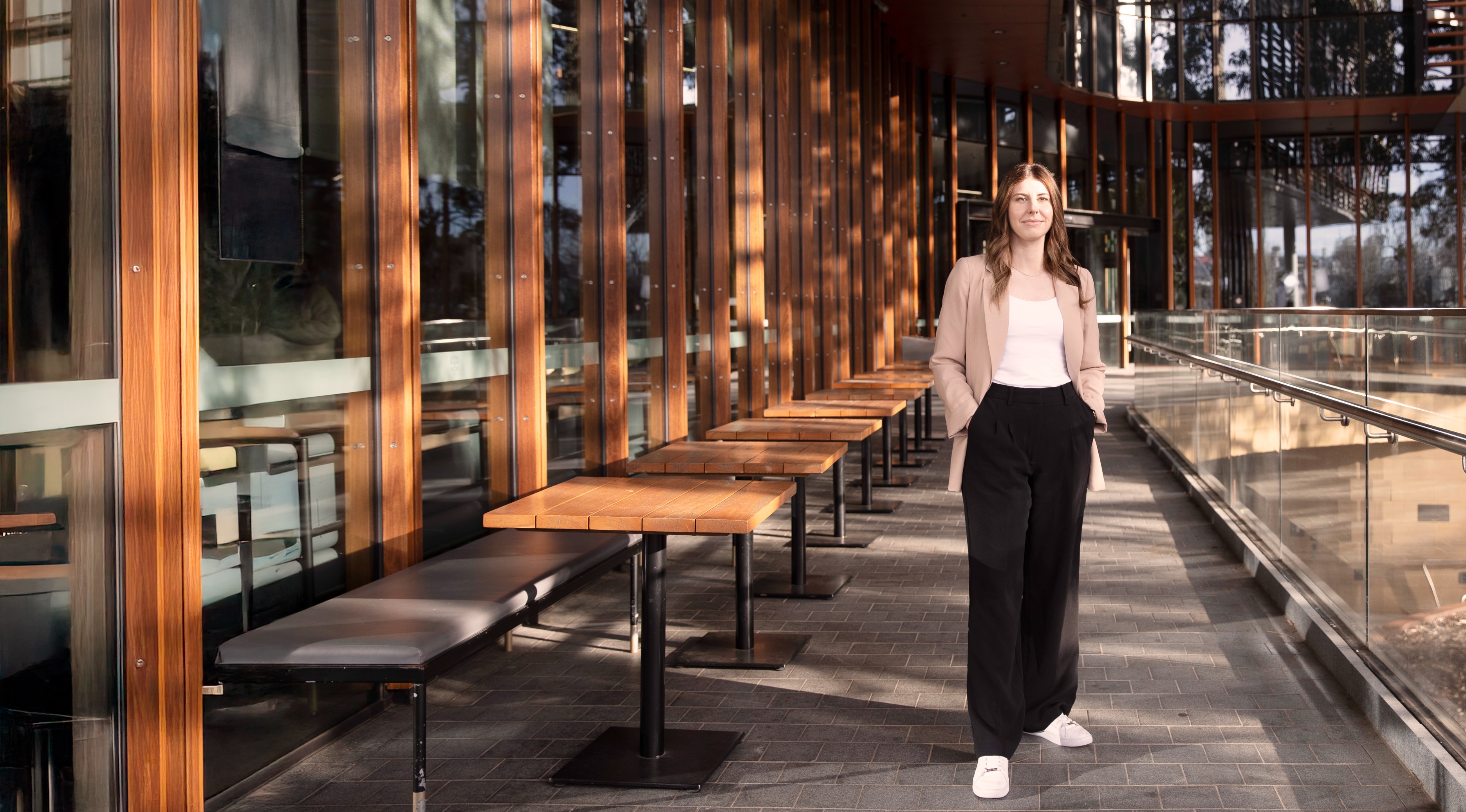
Graduate Certificate in Interaction Design and Electronic Arts
This program introduces students to the fundamentals of human-centred design for products and systems, with a specific focus on interactive technologies and user experiences. It encourages a creative and critical approach, grounded in research-driven methodologies for interaction design and user experience. This qualification is ideal for individuals seeking a career in user experience or interaction design, or for those who want to use technology creatively for design and commercial applications.
Graduate Certificate in Research Design
Graduate Certificate in Urban and Regional Planning
This program provides a foundational understanding of how cities and sites are developed physically, socially, and environmentally. It equips you with the essential knowledge and skills required for professional planning practice. Designed for graduates with a bachelor’s degree in fields like human geography, design, or architecture, this certificate is an excellent pathway to a career in urban and regional planning.
Graduate Certificate in Urban Design
This program focuses on urban design and urbanism, emphasizing sustainability, quantification, and practical implementation. It offers a multidisciplinary perspective, encouraging communication and collaboration skills essential for real-world practice. The course is designed for professionals and graduates in fields such as architecture, landscape architecture, and urban planning, but also welcomes applicants from other disciplines. It's particularly suitable for graduates of the Bachelor of Architecture and Environments.
Graduate Certificate of Educational Design
This Graduate Certificate is designed for individuals looking to advance their careers in the dynamic field of educational design. It equips you with essential skills for creating innovative learning experiences, particularly in online environments. The program is ideal for those already working in education or seeking to transition into this rapidly growing sector. You will learn from world-leading academics and industry experts, gaining practical knowledge in various educational design models and pedagogical theories. The course emphasizes future-focused skills and provides opportunities to work with real-world data and industry-based projects.
Graduate Diploma in Building Surveying
Graduate Diploma in Interaction Design and Electronic Arts
This program introduces the fundamentals of human-centred design for products and systems, with a focus on interactive technologies and experiences. It encourages a creative and critical approach, utilizing research-driven interaction design and user experience methodologies. This degree is designed for individuals seeking careers in user experience, interaction design, or those who wish to use technology creatively for design and commercial purposes.

Landscape Architecture Creative Cultures Studio
This postgraduate studio course aims to prepare students for creative professional practice in landscape architecture. It introduces skills and techniques for developing innovative and culturally adventurous designs, integrating diverse societal and environmental considerations. The course encourages non-linear and exploratory approaches to address complex global challenges, fostering creativity and advancing technical proficiency in shaping landscapes. Students will gain an understanding of alternative knowledge systems, equipping them for practice in a dynamic world.
Master of Architecture
The Master of Architecture program is designed for graduates and professionals aspiring to become registered architects. It fosters critical thinking and design skills through a blend of interdisciplinary theory and practice, guided by leading experts. The curriculum is customizable, allowing you to develop a personal design philosophy and acquire versatile skills adaptable to evolving environmental and societal challenges in the architectural profession.
Master of Architecture
This Master of Architecture program is designed to prepare you for professional practice and the pathway to becoming a registered architect. It offers a future-focused approach grounded in principles of Caring for Country, and a strong emphasis on social and ecological responsibility. Through design-led studio learning, you will develop your own architectural approach by tackling real-world challenges and engaging with communities. The program provides more studio time than other programs in New South Wales, fostering an environment for exploration, collaboration, and critical thinking. You'll be part of a close-knit cohort supported by dedicated facilities, including a 24-hour Architectural Design Studio, a Workshop & Advanced Prototyping Facility, the PixelSpace Lab for emerging technologies, and opportunities for On-Country site experiences. You will gain the creative freedom to define your architectural voice through a mix of guided and self-directed projects. The program structure includes the option to undertake a year-long final project of your own conception, allowing you to tailor your studies to your specific interests and desired practice.
Master of Interaction Design and Electronic Arts
This Master's program focuses on human-centered design for products and services, with a special emphasis on interactive technologies and experiences. It encourages a creative and critical approach, grounded in research-driven methodologies for interaction design and user experience. The course is designed for individuals aiming for careers in user experience (UX) design, user interface (UI) design, interactive product and service design, or those looking to leverage technology creatively for design and commercial applications.
Master of Urban and Regional Planning
The Master of Urban and Regional Planning is a professional postgraduate degree designed to equip you with the essential skills for a career in planning. This program focuses on understanding how cities and sites are developed physically, socially, and environmentally. It is ideal for graduates with a background in fields like human geography or design who seek a professional qualification, as well as for graduates of the Bachelor of Architecture and Environments or professionals looking to enhance their expertise. The University of Sydney is a globally recognized institution, offering high-quality education taught by leading researchers and practitioners. The flexible course structure allows you to tailor your studies with a wide range of electives, complementing your core planning knowledge. You will benefit from access to advanced facilities, including state-of-the-art computer labs and digital fabrication resources.
PhD (Architecture)

Professional Certificate of Competency in Foundations of Dry Material Handling: Plant Design, Conveyors, Chutes, Dust Control and Energy Efficiency in Mining
This professional certificate program focuses on the essential principles and systems for dry material handling within mining operations. You will learn about plant layout design, the intricacies of conveyor and chute systems, effective dust control strategies, and methods for improving energy efficiency. The course also introduces Discrete Element Method (DEM) simulations for material flow analysis and explores the integration of sustainable practices, including renewable energy sources. You will gain practical skills in data collection, equipment selection, and implementing best practices for efficient and sustainable mining operations.

RII60520 Advanced Diploma of Civil Construction Design
This course prepares you for a career in civil construction management. You will gain the skills to design complex projects, ensuring client requirements are met and developing the technical expertise to solve problems. The program covers a range of engineering drafting standards and exposes you to Computer-Aided Design (CAD) software such as AutoCAD, Civil 3D, and Revit. You will learn to apply construction principles, create advanced engineering designs and drawings, and understand structural analysis, positioning you for roles like senior civil works designers or para-professional designers supporting engineers.
School of Architecture and Built Environment
The School of Architecture and Built Environment at QUT focuses on addressing social, economic, technical, health, and environmental challenges within diverse architectural, construction, and planning projects. Utilizing human-centered thinking and critical perspectives, the school engages stakeholders in the design and innovation of the built environment. Strengths in data analysis, design thinking, and strategic planning are applied to solve problems, enhance efficiency, manage change, and implement innovative processes throughout the design, construction, and development lifecycle.
School of Design
RMIT's School of Design is an internationally recognized leader in design education, research, and practice. We offer a rich environment for interdisciplinary collaboration and individual creative exploration, from undergraduate to research degrees. Our impressive academic team, deep industry connections, and cutting-edge facilities enable us to lead in new and emerging design fields.
Undergraduate Certificate in Architectural Design
Launch a creative career in building design with the Undergraduate Certificate in Architectural Design from Victoria University. This course provides a recognised qualification in just six months, offering a fast track to a new career. You will develop a strong foundation in architectural design, history, theory, building documentation, and construction. Upon graduation, you will be equipped to evaluate construction systems and materials, prepare working drawings according to industry standards, and analyse key architectural works within their theoretical and cultural contexts. This certificate can also serve as a pathway to further study, such as the Bachelor of Architectural Design.
Frequently asked questions
How many Architecture & Design programmes are offered in Australia?
+
There are 37 Architecture & Design programmes across 15 universities in Australia.
Which Australian universities offer Architecture & Design?
+
Key providers include the University of Sydney, Monash University, the University of Adelaide, Queensland University of Technology, Swinburne University of Technology, and Torrens University Australia.
How much does Architecture & Design study cost in Australia?
+
Tuition varies by programme — check each university's listing directly for current international student fees.
Can international students apply for Architecture & Design programmes in Australia?
+
Yes; international students are accepted at Australian universities and will need to satisfy English proficiency requirements and obtain a student visa (subclass 500).
What are typical entry requirements for Architecture & Design in Australia?
+
Entry to undergraduate programmes requires a secondary-school qualification equivalent to the Australian Year 12 with competitive results; postgraduate entry requires a relevant bachelor's degree, and some programmes request a portfolio.