Political Science in Australia
Australia offers 4 Political Science programmes across 4 universities, including Charles Sturt University, the University of Wollongong, La Trobe University, and the University of Sydney. This geographic spread gives students a range of campus environments — from regional to major metropolitan settings — and varying research specialisations within political science and international relations.
Tuition details for these programmes vary — prospective students should check each listing for current fees. Australia's stable democratic system, multicultural society, and proximity to Asia-Pacific political dynamics provide a rich context for political studies, with strong graduate employment prospects in public service, NGOs, and international organisations.

Graduate Certificate in Public Policy
The Graduate Certificate in Public Policy offers a comprehensive introduction to the field, providing a critical and multidisciplinary perspective on public policy at global, national, and local levels. This course is ideal for individuals working or seeking to work in government and the public sector, as well as those in non-government or private-sector roles who need a deeper understanding of government's role in policy-making. The program can be completed entirely in intensive mode, with classes delivered over four days per unit instead of weekly. It can also serve as a pathway to the Master of Public Policy.
Graduate Diploma of Investigations
The Graduate Diploma of Investigations is designed for individuals working in or aspiring to roles in investigations, compliance, regulation, security, and law enforcement. It aims to provide advanced practical and theoretical knowledge in these fields. The course covers multi-agency and international investigation practices, with applications across various areas including financial crime, terrorism, and intelligence.
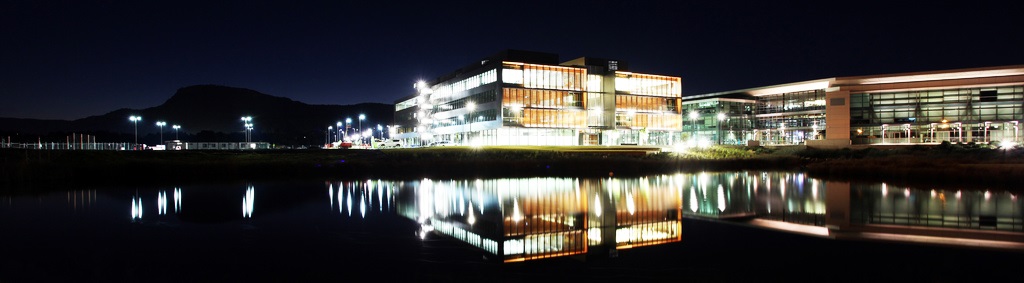
Master of Maritime Policy
The Master of Maritime Policy program delves into the critical issues surrounding the world's oceans, focusing on policy, law, and security. It equips students to understand and address challenges related to maritime trade, the ocean's role as a natural habitat, and its complexities in international relations. This degree is ideal for early to mid-career professionals in maritime fields or those aspiring to a career in maritime-related industries. Students will gain comprehensive knowledge in areas such as maritime enforcement, security threats and solutions, marine environmental law, shipping regulation, and marine resource management. The program fosters the ability to analyze the legal, political, and operational factors shaping maritime law and policy, enabling graduates to develop effective solutions for existing policy gaps. A key benefit is the strong connection UOW's Australian National Centre for Ocean Resources and Security (ANCORS) has with government agencies, international businesses, and NGOs, particularly within the Indo-Pacific region, including a significant relationship with the Royal Australian Navy.

Politics
Study how power shapes politics, governments, and life in Australia and around the world. This program allows you to investigate the institutions, processes, beliefs, and cultures that societies use to manage conflict, prioritize needs, and distribute wealth, while also addressing significant contemporary challenges. You'll develop critical thinking, analytical, and communication skills, preparing you for a variety of career paths. This program is available as a major or minor within the Bachelor of Arts degree, offering flexibility in your study choices. La Trobe University is globally recognized, ranking in the top 1% of universities worldwide and holding a top 3 position among Victorian universities for employer satisfaction. The program offers a flexible study model, StudyFlex, allowing you to choose between online, on-campus, or a blended learning experience for at least half of your subjects.
Frequently asked questions
How many Political Science programmes are available in Australia?
+
There are 4 Political Science programmes available across 4 universities in Australia.
Which universities offer Political Science in Australia?
+
Charles Sturt University, the University of Wollongong, La Trobe University, and the University of Sydney all offer Political Science programmes in Australia.
How much does it cost to study Political Science in Australia?
+
Tuition varies by programme — check each listing for current fee details.
Can international students apply to Political Science programmes in Australia?
+
Yes, all four universities accept international students; a student visa (subclass 500) is required, and English language proficiency must be demonstrated.
What are typical entry requirements for Political Science in Australia?
+
Requirements generally include a relevant secondary or undergraduate qualification and English language proficiency (e.g., IELTS 6.0–6.5); specific prerequisites vary by institution and programme level.