Master's in Arts & Humanities in Canada
Canada offers 44 Master's programmes in Arts & Humanities across 15 universities, providing international students with access to a diverse range of postgraduate humanities education in a highly welcoming study environment. Institutions including University of Waterloo, Trinity Western University, Thompson Rivers University, and Mount Saint Vincent University are among those offering graduate Arts & Humanities degrees. Tuition is approximately €20,000 per year across the listed programmes.
Canadian Master's programmes in Arts & Humanities span disciplines including English literature, history, philosophy, linguistics, religious studies, and cultural studies. Canada's multicultural society, bilingual heritage, and strong research universities make it an excellent setting for humanistic inquiry. Post-graduation work permits allow international graduates to remain and work in Canada for up to three years, which is an important consideration for students thinking beyond their degree.

Applied Linguistics (MA)
The Master of Arts in Applied Linguistics at Brock University is designed for students interested in the complexities of teaching English as a second or subsequent language (TESL). This program integrates knowledge from applied linguistics, language-teaching methodologies, curriculum design, and testing to cultivate a high level of expertise and professionalism. You can choose from a thesis, a major research paper (TESL stream only), or a course-based pathway (TESL stream only) to tailor your studies to your career goals.

Biblical Studies & Christian Thought (MA)
The Master of Arts in Biblical Studies and Christian Thought at Trinity Western University offers a specialized academic program where students engage with internationally recognized scholars and mentors. The program focuses on critical examination and interpretation of Scripture, as well as the major issues within biblical studies and the history of Christianity. Students will conduct original research, formulate scholarly written contributions, and benefit from interactions with visiting scholars through colloquia and seminars. This program has a strong record of preparing graduates for doctoral studies at leading academic institutions.
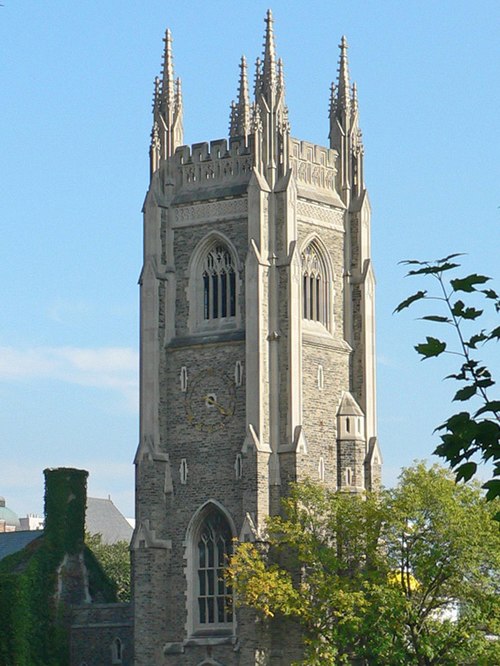
Biopharmaceutical Admissions (MBiotech)
The Biopharmaceuticals Stream (MBiotech) at the University of Toronto Mississauga offers a unique, one-year master's program that combines advanced scientific training in biopharmaceuticals with essential business acumen. This program is designed for students with a background in science who are interested in the commercial aspects of the biotechnology industry. It aims to prepare graduates for leadership roles in the biopharmaceutical sector by equipping them with both technical expertise and business knowledge. The program accepts 42 students annually and emphasizes a rigorous curriculum that bridges scientific discovery with market application.
Christian Ministries (MA)
The Master of Arts in Christian Ministries (MACM) is designed for individuals called to lead, serve, and grow within church and parachurch organizations. It provides a strong biblical and theological foundation, equipping students with practical skills in areas such as preaching, pastoral care, youth ministry, leadership, and discipleship. The program is flexible, offering pathways for those entering associate-level leadership roles or seeking personal and vocational spiritual development. With customizable tracks and a focus on Christ-centered, whole-person spiritual formation, graduates are prepared to serve diverse communities with wisdom and compassion. The MACM can accommodate full-time or part-time study, making it a catalyst for lifelong impact in ministry.
Classics (MA)
The Master of Arts in Classics at Brock University offers a comprehensive study of the Greek and Roman worlds. This program is designed for students interested in a holistic approach, integrating ancient languages, literature, and history with a strong emphasis on historical context, material culture, and active archaeological research. Students will benefit from engaged faculty and opportunities for experiential learning, including potential travel to the Mediterranean for archaeological projects. The program offers two completion options: a Major Research Paper (MRP) or a Thesis. The MRP stream is typically completed in 20 months, while the Thesis stream extends to two years, providing more in-depth research experience.

Dominican College of Philosophy and Theology
The Dominican School of Philosophy and Theology (DSPT) offers a unique academic environment focused on the pursuit of truth through classical philosophy and Catholic theology, particularly as developed by St. Thomas Aquinas. DSPT fosters a creative dialogue between these rich traditions and contemporary culture. The school emphasizes a holistic approach to education, integrating study with prayer, community life, and ministry, aiming to cultivate scholars who are deeply engaged with both intellectual inquiry and spiritual formation. Located in Berkeley, California, the campus serves as a vibrant hub where lay and religious students come together, benefiting from the intellectual and cultural resources of the San Francisco Bay Area.

German Studies Graduate Programs (MA and PhD)
The Department of Germanic & Slavic Studies at the University of Waterloo offers graduate programs leading to a Master of Arts (MA) and a Doctor of Philosophy (PhD) in German. These programs provide in-depth, guided experience in teaching language and culture courses, both in-person and online. Students will join a community of highly skilled graduate students researching diverse fields within German studies. The department emphasizes innovative degree programs that combine linguistics and cultural studies, offering comprehensive programming in areas such as literature, film, theory, applied linguistics, second language acquisition, discourse analysis, and computer-assisted language learning. The programs are designed to provide excellent training for students pursuing both academic and non-academic careers, with close supervision from faculty.
Graduate Programs
Toronto Baptist Seminary and Bible College offers several graduate programs designed for students who have already completed an undergraduate degree. These programs include the Certificate of Theological Studies, Master of Theological Studies, Master of Divinity, and Master of Theology. Each program focuses on deepening knowledge in theological subjects and preparing students for various forms of ministry and academic pursuits.
Interdisciplinary Humanities (MA)
The MA in Interdisciplinary Humanities at Trinity Western University offers a unique academic journey exploring the core aspects of Western culture through the lenses of English, Philosophy, and History. This program encourages students to analyze significant elements of Western civilization, considering perspectives rooted in, impacted by, or challenging a Christian worldview. It aims to deepen understanding of what it means to be human by examining major philosophical ideas about humanity's purpose. The program is designed for scholars, educators, and professionals seeking to enhance their intellectual skills, critical thinking abilities, and personal or professional purpose. A distinctive feature is its approach to the spiritual or faith-based dimensions within literary, philosophical, and historical studies, fostering a more holistic academic perspective. Students benefit from a flexible learning environment and dedicated faculty mentorship, making it a vibrant and creative interdisciplinary program in Canada.
Licence in Philosophy
Licence in Theology
Linguistics (MA)
The Master of Arts in Linguistics program at Trinity Western University is designed to prepare students for leadership and contributions in the field of linguistics. This two-year, 36-semester-hour program offers a strong foundation in both theoretical and applied linguistics, with a particular emphasis on linguistic fieldwork. You will learn to analyze and describe the linguistic structures of languages, including developing written forms for unwritten languages. This program adopts a functional/typological approach, prioritizing practical linguistic analysis for roles such as language revitalization, orthography development, literacy program development, and translation. The program is enhanced by the support and expertise of the Canada Institute of Linguistics, providing one of North America's leading field-oriented programs with faculty rich in practical experience.
MA in Christian Studies
MA in Linguistics
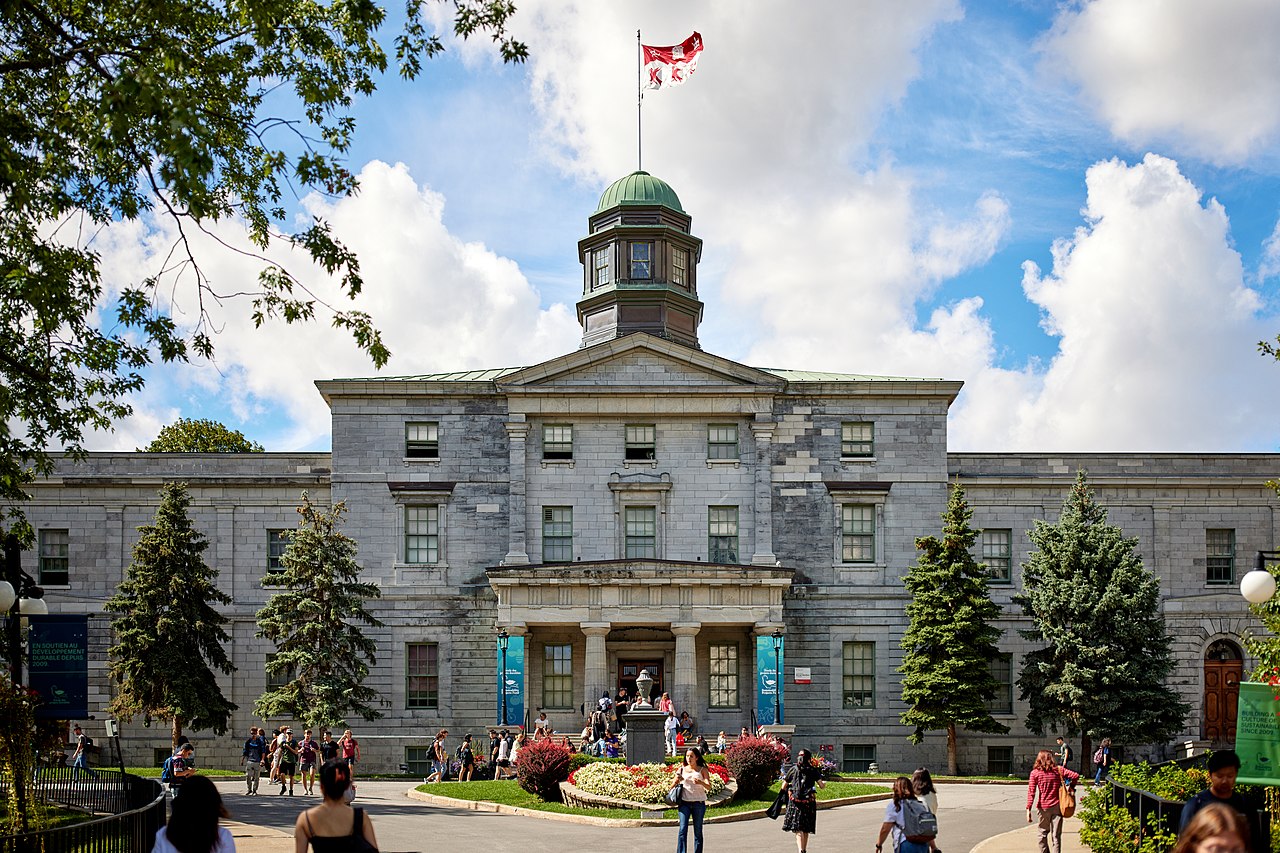
Master of Arts (MA) in Geography
The University of Toronto's Department of Geography offers a Master of Arts (MA) program for students seeking advanced study in the field. This program is designed to foster critical thinking and research skills, preparing students for doctoral studies or careers requiring a deep understanding of geographical issues. The MA program emphasizes rigorous academic inquiry within the diverse subfields of geography. Students will engage with faculty on cutting-edge research and contribute to the vibrant academic community at one of Canada's leading universities.

Master of Arts (Rural Development)

Master of Arts in Child and Youth Study (Thesis)

Master of Arts in Christian Ministry (MA-CM)
The Master of Arts in Christian Ministry (MA-CM) is designed to equip students for leadership roles within churches and faith-based organizations. The program integrates biblical, historical, theological, and practical ministry studies. A key component includes supervised field education, offering practical experience to prepare graduates for diverse ministry settings.
Master of Arts in Criminology and Sociolegal Studies
The Master's program in Criminology and Sociolegal Studies at the University of Toronto is designed for students with a strong foundation in social science methodologies. The curriculum expects students to be adept at research and analytical writing, and to be familiar with criminological theories. The program is offered on a full-time or part-time basis, with all students commencing their studies in September.
Master of Arts in East Asian Studies
The Master of Arts (MA) in East Asian Studies program at the University of Toronto offers a comprehensive graduate-level exploration of East Asia. This program is designed for students seeking in-depth knowledge and research skills related to the diverse cultures, histories, languages, and contemporary issues of the region. It provides a strong foundation for further academic pursuits or careers requiring specialized expertise in East Asia. The MA program encourages interdisciplinary study, drawing on fields such as history, political science, sociology, anthropology, literature, and linguistics. Students will engage with primary sources and advanced scholarly research, developing critical analytical abilities. The curriculum is structured to foster a deep understanding of the complexities and nuances of East Asian societies and their global interactions.

Master of Arts in Human Rights and Social Justice
The Master of Arts in Human Rights and Social Justice is a two-year, full-time graduate program designed to provide students with a deep understanding of human rights issues and social justice advocacy. The program explores the complex interplay of social, political, economic, and cultural factors that shape human rights globally. It equips students with advanced research skills and theoretical knowledge to critically analyze contemporary human rights challenges. This program is ideal for individuals seeking to advance their careers in non-governmental organizations, international bodies, government agencies, or academic research. It fosters an interdisciplinary approach, drawing from fields such as sociology, political science, history, and law. Graduates will be prepared to engage in impactful work aimed at promoting and protecting human rights and fostering social change.
Master of Arts in Justice Studies
The Master of Arts in Justice Studies is designed for individuals passionate about creating a more just world. This program explores complex social issues through an interdisciplinary lens, examining concepts of fairness, inequality, identity, and communication on both local and global scales. You will engage with diverse perspectives to foster positive social change. The program is ideal for current and aspiring professionals in justice-related fields within government, policing, military, and non-profit organizations, who aim to address societal challenges.
Master of Arts in Leadership
This two-year Master of Arts in Leadership program is designed for experienced or emerging leaders across various professional sectors. It focuses on developing your ability to lead yourself, others, and organizations through change. You will explore theoretical and applied approaches to leadership in personal, supervisory, team, and strategic contexts. The program offers specializations in Executive Leadership and Health Leadership. Learning is facilitated through a blend of online courses and on-campus residencies, allowing you to continue working while studying. Alternatively, you can complete the degree entirely online.

Master of Arts in Leadership, Theology & Society
The Master of Arts in Leadership, Theology & Society (MALTS) is a low-residency, cohort-based master's program designed for working professionals. This program offers a unique learning experience that combines intensive on-campus residencies with flexible online components, allowing you to enhance your leadership skills without leaving your career. You'll explore significant questions related to ethical leadership, human dignity, and the common good, informed by theological perspectives and societal contexts. The program fosters critical awareness of how culture, theology, and the biblical narrative shape effective leadership. You will develop practical skills in decision-making, group management, conflict resolution, and mentoring. The innovative, cohort-based model emphasizes community, with opportunities for one-on-one mentorship and a Capstone Project tailored to your professional goals. MALTS is ideal for individuals seeking to lead creatively and redemptively in their vocational spheres. It suits working professionals interested in executive leadership programs and those aiming to serve the common good. The program thrives on the diverse backgrounds, cultures, ages, and leadership experiences of its students, creating a rich learning environment.
Master of Arts in Spiritual Care (MA-SC)
The Master of Arts in Spiritual Care (MA-SC) program at Canadian Mennonite University (CMU) is designed to prepare students for roles as chaplains and spiritual care providers in various settings. This includes work within religious communities, as well as in hospitals, universities, correctional facilities, and other social service organizations. The program aligns with the academic standards set by the Canadian Association of Spiritual Care (CASC) for certification as a spiritual care practitioner.
Master of Arts in the Study of Religion
The Master of Arts (MA) program in the Study of Religion at the University of Toronto offers a comprehensive foundation in the academic exploration of religion. It is designed for individuals seeking to deepen their understanding of religion's role in the world, whether for personal enrichment, professional development, or as preparation for doctoral studies. The program accommodates students with prior degrees in religion as well as those from other fields who wish to specialize in religious studies.
Master of Arts in Theological Studies (MATS)
The Master of Arts in Theological Studies (MATS) program offers a comprehensive introduction to theological thinking, allowing students to delve deeply into a chosen area of concentration. This program is designed to help you explore the impact of faith on various subjects of interest, build a solid foundation for thoughtful and authentic belief, and integrate your faith with all aspects of your life and work. It is ideal for those seeking vocational discernment, spiritual formation, renewed vision for a career, preparation for church or parachurch roles, or as a pathway to further academic study. Graduates emerge with a refined perspective and motivation to engage with their calling.
Master of Divinity
Master of Divinity
The Master of Divinity (MDiv) program at Regent College is designed to prepare you for ministry in today's diverse and complex world. You will study alongside classmates from various backgrounds and vocations, exploring how to communicate the Christian gospel creatively and effectively in a changing society. The program is grounded in Scripture, requiring a minimum of 30 credits in biblical languages, theology, exegesis, and hermeneutics, ensuring you graduate with confidence in your ability to interpret the Bible faithfully. Beyond academics, the MDiv fosters personal growth through a supportive community offering mentorship and guidance as you discern your calling.
Master of Divinity
The Master of Divinity (M.Div.) is a professional degree designed to provide students with foundational theological understanding and develop practical pastoral skills for ministry. The curriculum involves in-depth study of Christian theological traditions, particularly the Roman Catholic tradition, alongside supervised practical ministry experience. Graduates are expected to be able to articulate Church teachings, engage pastoral issues from a Thomistic perspective, effectively preach, administer sacraments, and exercise leadership in lay formation.
Master of Divinity (MDiv)
The Master of Divinity (MDiv) program at Trinity Western University is designed to equip individuals for faithful ministry and theological scholarship in a changing world. With an 82-credit curriculum, the program focuses on Scripture, theology, pastoral leadership, and cultural engagement. Students can choose between two tracks: Exegetical Studies, which delves into biblical texts and original languages, or Theological Studies, which emphasizes systematic and historical theology. The program is offered in English, Mandarin, and Korean, catering to a diverse global student body. Practical ministry experience is integrated through internships and preaching labs. Graduates are prepared for various roles including pastoral ministry, chaplaincy, missions, and non-profit leadership.
Master of Divinity (MDiv)
The Master of Divinity (MDiv) at Canadian Mennonite University is a professional program designed to equip individuals for effective ministry within the church. It focuses on four key areas: learning and spiritual formation, understanding one's calling and vocation, integrating theological reflection with practical ministry, and developing discernment skills for specific ministry contexts. For certain Christian denominations, the MDiv is the standard academic requirement for ordained ministry. The program aims to nurture biblical and theological knowledge, foster a strong ministry identity and character through coursework and a discernment process, equip students with essential leadership competencies, and prepare them for vocational ministry through supervised practicum experiences in Canadian congregational settings.
Master of Music (MMus)
Brandon University's School of Music offers a Master of Music (MMus) degree designed for professional development in music. The program is available in two streams: Performance & Literature, and Music Education. The Performance & Literature stream focuses on developing expertise in performance or composition, complemented by general literature studies and pedagogical practices. The Music Education stream is geared towards teachers seeking advanced study with a practical focus on elementary, choral, or instrumental music. Students must complete 30 credit hours of coursework for either route. The Music Education stream offers both a Research Project Route and a Thesis Route.
Master of Science (MSc) and Doctor of Philosophy (PhD) in Pharmacy
The University of Waterloo School of Pharmacy offers both Master of Science (MSc) and Doctor of Philosophy (PhD) programs in Pharmacy. These graduate programs are designed to provide students with advanced knowledge and research skills in the field of pharmacy. The programs focus on in-depth study and research, preparing graduates for careers in academia, industry, and clinical practice.
Master of Science (MSc) and Doctor of Philosophy (PhD) in Physiology
The University of Toronto offers research-based Master of Science (MSc) and Doctor of Philosophy (PhD) programs in Physiology. These programs provide advanced training and hands-on research experience in physiology labs, under the guidance of world-class faculty. Students will conduct research using modern experimental methods to deepen the understanding of bodily systems. The curriculum includes coursework and seminars to broaden physiological knowledge. Both programs conclude with an oral defense of a thesis based on original research. For PhD candidates, the research is expected to be of publishable quality, preparing graduates for careers as independent scientists.

Master of Science in Archaeological Sciences
The Master of Science in Archaeological Sciences program offers a unique blend of theoretical and practical knowledge for investigating the human past using scientific methods. It is designed for students with backgrounds in anthropology or related scientific disciplines. Anthropologists will learn to apply analytical techniques from fields like chemistry, physics, geology, and biology to archaeological research. Conversely, students from scientific disciplines will gain insights into archaeological research methods to better apply their specialized knowledge. This transdisciplinary and interdisciplinary approach allows for research across a wide range of areas within archaeology and its related scientific fields.
Master of Theological Studies (MA-TS)
The Master of Theological Studies (MA-TS) program at Canadian Mennonite University (CMU) is designed for individuals seeking advanced theological education. This program requires a minimum of 60 credit hours of study. Students will engage with core areas including Bible, Theology and History of Christianity, Practical Theology, and Methodology. The program allows for flexibility with electives and the option to complete a thesis or field research project.
Master of Theology
Master of Theology
Master of Theology (ThM)
The Master of Theology (ThM) is a graduate program designed for Christian leaders who wish to deepen their theological understanding and enhance their ministry practice. It focuses on advanced skills in theological research, critical analysis, and integrative thinking. The program prepares students for meaningful contributions to both the Church and academia, fostering a learning community where faith and intellect are cultivated together. This program is ideal for those preparing for doctoral studies, teaching, or leadership in ministry. It offers a transformative experience that integrates Christian conviction with academic depth, empowering graduates to lead with wisdom and purpose.
Master of Visual Studies - Studio Art
The Master of Visual Studies (MVS) program in Studio Art at the Daniels Faculty focuses on art production as a form of research. It encourages interdisciplinary exploration and hybrid practices, informed by art theory, criticism, and professional practice. Situated within a leading research institution, the program fosters connections across the Daniels Faculty and the wider University of Toronto. Students engage with field-leading artists and curators, participate in studio visits, masterclasses, and lectures by visiting international practitioners. Exceptional studio spaces, state-of-the-art technologies, and museum-grade exhibition facilities are provided. Graduates go on to exhibit nationally and internationally, curate important collections, and receive prestigious awards.
Master’s of Arts (MA) Geography
Frequently asked questions
How many Master's in Arts & Humanities programmes are available in Canada?
+
There are 44 Master's programmes in Arts & Humanities across 15 universities in Canada.
How much does a Master's in Arts & Humanities cost in Canada?
+
Tuition is approximately €20,000 per year. Actual costs vary by institution and province, so check individual programme listings for current fees.
Which universities in Canada offer a Master's in Arts & Humanities?
+
Programmes are offered at University of Waterloo, Trinity Western University, Thompson Rivers University, Mount Saint Vincent University, Brandon University, and Regent College, among 15 universities.
Can international students apply to Master's in Arts & Humanities programmes in Canada?
+
Yes. Canada is a popular destination for international students. Applicants typically need an undergraduate degree in a relevant humanities field, English (or French) language proficiency, academic transcripts, and letters of recommendation.
What are typical entry requirements for a Master's in Arts & Humanities in Canada?
+
A four-year undergraduate degree in a humanities discipline is generally required, along with a strong academic record, a statement of research interests, and references from academic supervisors. English language proficiency (IELTS 6.5 or equivalent) is required for non-native speakers.