Chemical Engineering in Canada
Canada offers 5 Chemical Engineering programmes across 5 universities, providing students with access to world-class engineering education within one of the most internationally welcoming higher education systems. Dalhousie University, McMaster University, the University of Waterloo, the University of Toronto, and Acadia University are among the institutions offering these programmes, spanning both leading research-intensive universities and smaller, teaching-focused institutions.
Tuition costs vary by programme and residency status; students should review each listing for current fees. Canada's post-graduation work permit pathway — which allows graduates to work for up to three years after completing their degree — makes Chemical Engineering in Canada a particularly attractive long-term investment for internationally mobile students.

Chemical Engineering
McMaster University's Chemical Engineering program offers a dynamic and evolving discipline for students seeking excellence in teaching and research. This program provides rigorous training in chemical engineering principles, preparing graduates for diverse career paths in an ever-changing field. The department is known for its award-winning faculty and commitment to student success, fostering an environment where innovation and practical application are key.

Chemical Engineering (BEng)
The Bachelor of Engineering (BEng) in Chemical Engineering at Dalhousie University focuses on developing innovative solutions for a sustainable future. This versatile field combines principles from chemistry, biology, mathematics, physics, and engineering design to transform raw materials into essential products. Students gain a foundational understanding of engineering and then specialize in chemical engineering, learning about chemical processes, fluid flow, and specialized technical areas.

Engineering
Acadia University offers a foundational engineering program designed to provide students with a strong start to their engineering education. The program emphasizes small class sizes, accessible professors, and hands-on learning experiences in design and prototyping, fostering an environment where students can develop confidence and excel. After completing the first two years, students typically transfer to a larger engineering school, such as Dalhousie University, to specialize in one of seven disciplines, including Chemical, Civil, Computer, Environmental, Electrical, Industrial, or Mechanical Engineering. Acadia provides flexible pathways to meet individual career goals. Students can pursue a two-year Certificate of Applied Science (23 courses), a three-year Bachelor of Applied Science (30 courses), or combined programs that integrate engineering studies with a BSc in biology, chemistry, mathematics, or physics. Graduates of the BASc program may also apply to Acadia’s School of Education. The program thoroughly prepares students for their next steps toward becoming a professional engineer (P.Eng.).
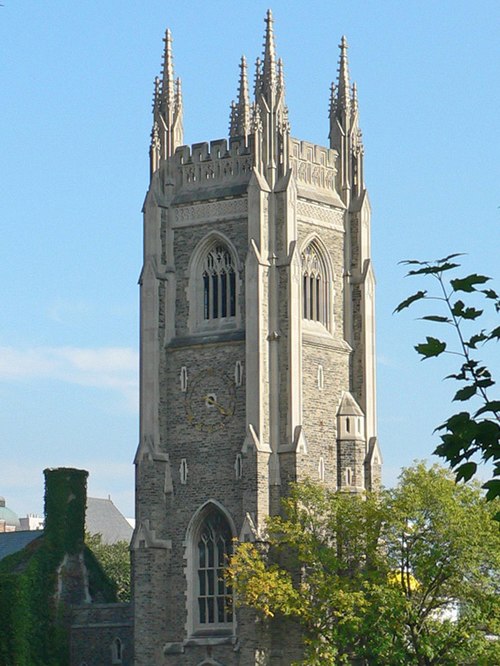
Master of Engineering in Chemical Engineering
The Master of Engineering (MEng) is a professional, course-based degree designed for engineers seeking to enhance their career opportunities. This program can be completed in as little as one year of full-time study. Students will build strong foundations in chemical engineering and related areas through graduate courses offered across the University of Toronto Engineering faculty. The program also offers the opportunity to gain professional work experience through the MEng Co-op program. Graduates will be equipped with skills to excel in technical and leadership roles within sectors such as energy, materials, pharmaceuticals, manufacturing, and consulting.

Master of Engineering in Chemical Engineering
The Master of Engineering (MEng) program at the University of Waterloo offers a course-based pathway to advance your knowledge in various chemical engineering specializations. This program is designed for self-funded students and does not provide financial assistance. It's a flexible degree that allows you to tailor your studies through available specializations. The MEng is a non-supervised program, meaning it's focused on coursework rather than a research thesis. You can pursue this degree on a full-time or part-time basis, with typical completion within 1 to 2 years (3 to 6 terms).
Frequently asked questions
How many Chemical Engineering programmes are available in Canada?
+
There are 5 Chemical Engineering programmes available at 5 universities in Canada.
Which universities in Canada offer Chemical Engineering?
+
Dalhousie University, McMaster University, the University of Waterloo, the University of Toronto, and Acadia University are among the universities offering Chemical Engineering programmes.
How much does it cost to study Chemical Engineering in Canada?
+
Tuition varies by programme and institution — check each listing for exact fees, as costs differ significantly between universities and residency categories.
Can international students apply for Chemical Engineering programmes in Canada?
+
Yes, all listed universities accept international applicants, and Canada's post-graduation work permit allows graduates to gain work experience in Canada after completing their degree.
What are typical entry requirements for Chemical Engineering in Canada?
+
Applicants typically need strong secondary school grades in science and mathematics for undergraduate programmes, or a relevant bachelor's degree for graduate entry, along with English language proficiency such as IELTS or TOEFL.