Master's in Computer Science & IT in Canada
There are 9 master's Computer Science & IT programmes for international students across 7 universities in Canada. Browse the full list below, compare entry requirements, and explore scholarships to fund your studies.

Computer Science (MSc, PhD)
The Master of Science (MSc) and Doctor of Philosophy (PhD) in Computer Science are advanced programs designed for students passionate about this rapidly evolving field. Computer science profoundly impacts daily life, and graduates with advanced degrees are highly sought after in both industry and academia. Our central downtown Toronto location provides advantageous access to a vibrant start-up community, major corporations, financial institutions, and research hospitals, fostering strong collaborations with industrial partners. This program offers diverse career pathways, including roles as software developers, data scientists, database analysts, computer vision scientists, roboticists, information technologists, and professors. We are committed to supporting our students, with funding typically provided to domestic thesis-based students to help finance their studies.

Master of Health Informatics (MHI)
The Master of Health Informatics (MHI) program at the University of Toronto's Institute of Health Policy, Management and Evaluation (IHPME) is designed to equip students with the knowledge and skills to lead the digital transformation of healthcare. This program focuses on the intersection of health sciences, information technology, and management, preparing graduates for leadership roles in improving healthcare systems through data and technology. The curriculum emphasizes a blend of theoretical understanding and practical application, enabling students to address complex challenges in the healthcare sector. The MHI program aims to foster innovation and excellence in health informatics. Graduates will be prepared to develop, implement, and manage health information systems, analyze health data to drive improvements, and contribute to policy development in digital health. The program is ideal for individuals with a background in health sciences, social sciences, computer science, or information science who are looking to advance their careers in this rapidly evolving field.

Master of Science (MSc) – User Experience
This Master of Science (MSc) program focuses on User Experience (UX), equipping you with comprehensive knowledge, methods, and tools in this cutting-edge field, including user-centered research. You will gain essential skills in UX practice, user-centered ideation (design thinking), user interface (UI) design, prototyping, user testing, and data analysis. The program emphasizes practical learning through challenges based on the latest research from HEC Montréal's Tech3Lab, the leading UX lab in North America. This program is designed to help you become a UX champion in organizations, bridging the gap between business problems and design solutions.

Master of Science (MSc) in Computer Science
The Master of Science (MSc) program in Computer Science is designed to deepen your understanding of the field and equip you with the skills to conduct independent, original research under faculty guidance. The program requires the completion of 2.0 graduate full-course equivalents (FCEs) in computer science, including courses that satisfy breadth requirements for a well-rounded knowledge base. A significant component of the MSc is a major research project (CSC4000Y). This project should demonstrate your ability to organize existing concepts and develop innovative approaches to research problems, meeting a standard suitable for potential peer-reviewed publication.
Master of Science in Digital Health and Medical Informatics (Med-i CREATE)
The Master of Science in Digital Health and Medical Informatics (Med-i CREATE) program leverages computing sciences to revolutionize healthcare. This program focuses on identifying impactful problems in medical informatics, developing critical problem-solving skills, and fostering interdisciplinary collaboration. You will gain knowledge in computing, health, mathematics, and medical informatics, while working with professionals to create computer science solutions for health challenges. The program also emphasizes the development of professional and leadership skills, including ethics, communication, and team management, alongside an awareness and promotion of equity, diversity, and inclusion (EDI) principles within the field.
Master's in Biomedical Informatics
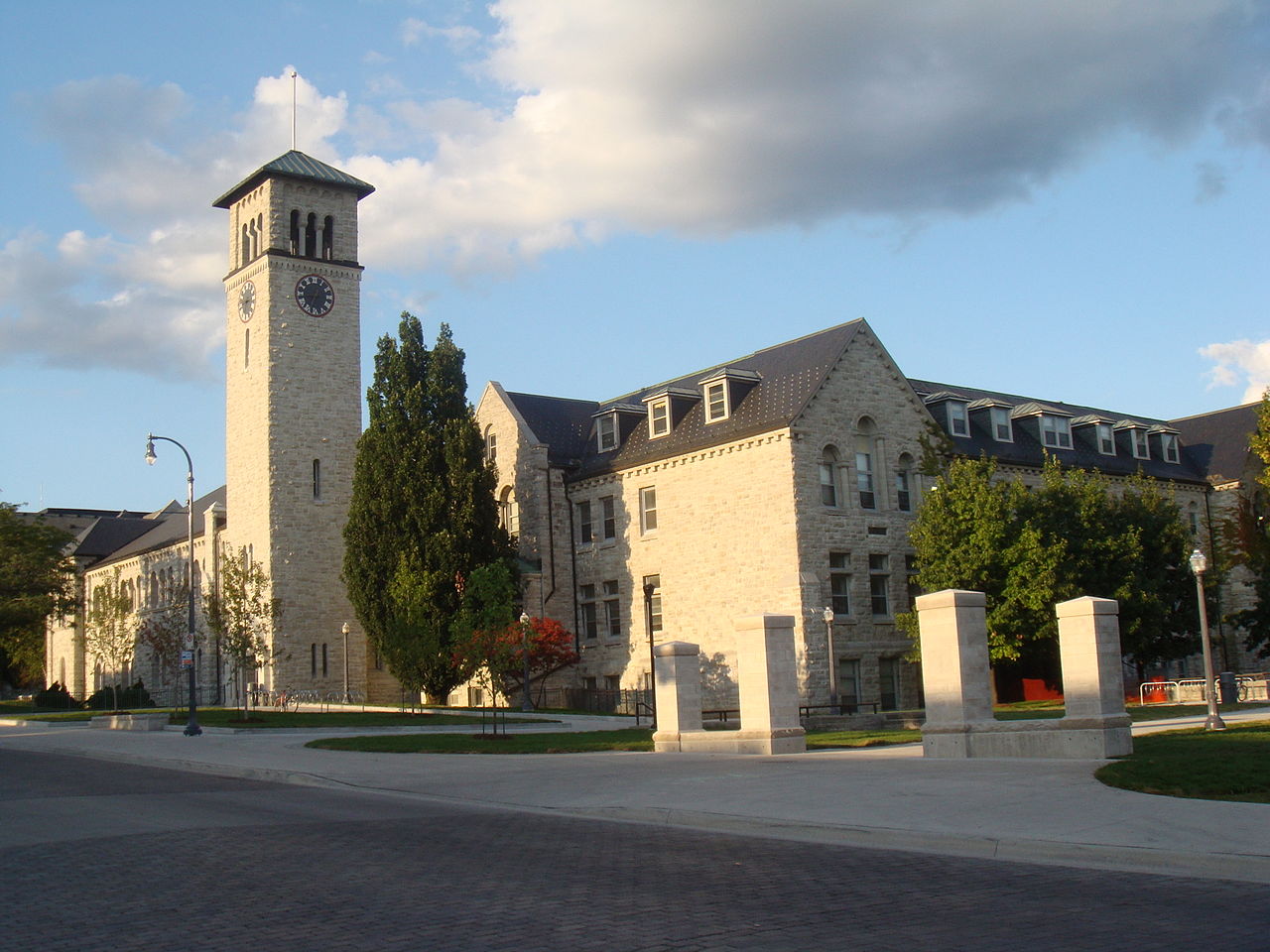
The Master's in Biomedical Informatics program at Queen's University offers a unique opportunity to combine AI and Big Data with a career in healthcare. This program aims to transform how healthcare is approached and delivered. You will gain hands-on experience with tools like Python and R, machine learning, and medical imaging. The program can be started with a 4-month Graduate Diploma, with the option to extend to the 12-month Master's degree. It is designed for individuals interested in computational and quantitative methods applied to biomedical challenges.
User Experience Microprogram (2nd Cycle)
This microprogram focuses on User Experience (UX) fundamentals, equipping you with the knowledge to drive innovation in organizations. It offers a technical and analytical approach, bridging marketing, IT, and statistics. You will gain skills in user-centered ideation (design thinking), interface design (UI), prototyping, user testing, and data analysis (qualitative and quantitative methods). The program provides unique access to faculty, researchers, and experts from North America's largest UX lab, Tech3lab, and offers networking opportunities through events like the annual UXC conference. While primarily on-campus, the program offers flexibility with some courses delivered online asynchronously, allowing for a hybrid learning experience. This microprogram can serve as a pathway to further studies, including a Graduate Diploma (D.E.S.S.) and a Master's degree (M.Sc.) in User Experience Management.
Frequently asked questions
How many Computer Science & IT programmes are there in Canada?
+
9 across 7 universities, listed on this page.
Can international students apply?
+
Yes — these programmes admit international students; check each programme's entry requirements and language of instruction.