Master's in Engineering & Technology in Canada
Canada offers 17 Master's programmes in Engineering & Technology across 8 universities, making it a competitive destination for graduate-level engineering study in North America. Leading institutions include the University of British Columbia, University of Toronto, University of Waterloo, and Royal Roads University, each offering distinct specialisations from sustainable systems to applied engineering management. Tuition fees vary by programme and institution — check individual listings for current figures.
Canadian Master's programmes typically combine advanced coursework with research or project components, and many are delivered in English, easing the transition for international applicants. Graduates benefit from Canada's strong technology sector and post-study work permit pathways, particularly in cities like Vancouver, Toronto, and Waterloo.
Civil and Mineral Engineering (MASc, MEng, PhD)
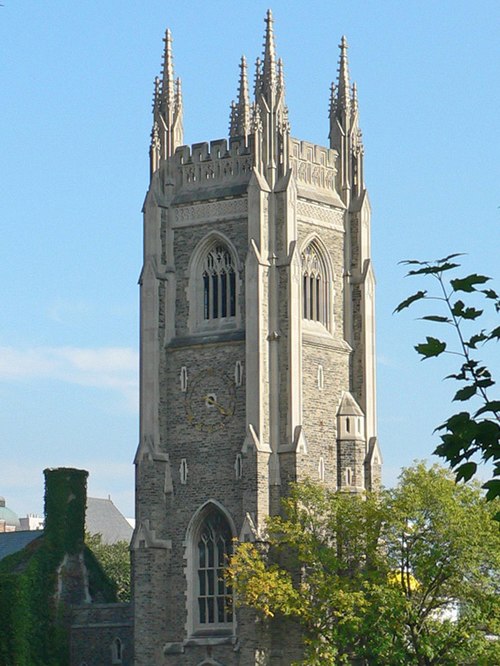
The Department of Civil and Mineral Engineering at the University of Toronto focuses on research addressing societal needs, from underground resources to major structures. Students, staff, and professors engage in research ranging from nanoscale studies of water contamination and concrete properties to large-scale structural tests and urban transit modeling. This research is strengthened by collaborations with industry and government partners, utilizing world-class facilities and expertise. The department is structured around five interdisciplinary themes: Cities & Infrastructure; Complex Systems; Energy & Environment; Mining & Subsurface Systems; and Transformative Technologies. These themes encompass traditional civil engineering fields like Structural, Transportation, Environmental, Building Engineering, Construction Management, and Mining and Geomechanics.

Collaborative Graduate Nanotechnology Program
The University of Waterloo offers a Collaborative Graduate Nanotechnology Program for MSc, MASc, and PhD students. This interdisciplinary program is delivered jointly by the Faculty of Science and the Faculty of Engineering, involving six distinct departments: Chemistry, Physics & Astronomy, Chemical Engineering, Electrical & Computer Engineering, Mechanical & Mechatronics Engineering, and Systems Design Engineering. Each department manages its own admissions and specific program requirements, but all students in the nanotechnology program will complete core courses including Introduction to Nanotechnology (NANO 600), other nanotechnology core courses (NANO 60X), and a nanotechnology seminar. These core courses provide foundational knowledge and skills for advanced study and research in the field of nanotechnology.
Collaborative Program in Nanotechnology
The University of Waterloo's collaborative graduate Nanotechnology program offers a comprehensive and integrated educational experience for students aiming for careers at the forefront of technological advancement. This program allows students to pursue a Master of Applied Science (MASc), Master of Science (MSc), or Doctor of Philosophy (PhD) while benefiting from excellent educational resources, a broad network of expertise, and world-class research opportunities. The program emphasizes leveraging science or engineering degrees for an exciting career in nanotechnology.
Electrical and Computer Engineering (MASc and MEng)
The Department of Electrical and Computer Engineering at the University of Toronto is at the forefront of advancements in microelectronics, computers, communication networks, photonics, energy systems, and robotics. Graduate studies in this department offer the opportunity to contribute to research that drives innovation across these diverse fields. The department is committed to both the pursuit of new knowledge and the dissemination of this knowledge, fostering highly qualified individuals who are essential to research progress. Areas of research include Biomedical Engineering, Communications, Computer Engineering, Electromagnetics, Electronics, Energy Systems, Photonics, and System Control.
Master of Applied Science (MASc) in Aerospace Science and Engineering
The Master of Applied Science (MASc) in Aerospace Science and Engineering is a research-intensive program designed to provide foundational training in research. The program focuses on the completion of a research thesis under the guidance of a faculty supervisor. Students will identify a research topic, conduct experiments, computations, or analysis, and document their findings in a thesis. Upon graduation, MASc students will be well-prepared for further academic pursuits or for careers in industry, particularly in research and development roles. UTIAS fosters strong collaborations with major companies in the Canadian aerospace sector, offering MASc students opportunities to engage with industrial partners.
Master of Arts in Learning and Technology
This online Master of Arts in Learning and Technology program focuses on the art and science of how people learn and how to design, develop, and implement effective technology-mediated learning environments. It is designed for mid-career professionals in sectors like government, business, healthcare, and education who aim to take on leadership roles in creating and managing learning experiences. The program emphasizes open education practices, networked learning, and the development of a digital mindset.
Master of Engineering (MEng)
The Master of Engineering (MEng) program at the University of Toronto provides advanced professional training through coursework, with an option to complete a project. This program is designed to equip you with the skills needed for professional practice in engineering. You can choose to complete the degree through a coursework-only option or by combining coursework with a project supervised by a faculty member. The MEng program can be pursued full-time over 12 months, extended full-time over two years, or part-time. Students have the flexibility to customize their degree by pursuing a certificate or specializing in an area of emphasis, such as Analytics, Robotics & Mechatronics, or Advanced Manufacturing.

Master of Engineering (MEng) and Master of Engineering Science (MESc) and PhD in Mechanical and Materials Engineering
The University of Western Ontario offers graduate programs in Mechanical and Materials Engineering, including a Master of Engineering (MEng), a Master of Engineering Science (MESc), and a PhD. These programs provide advanced study and research opportunities in a range of specialized areas. The MEng is a course-based or project-based degree, typically completed in one year. The MESc and PhD are thesis-based degrees, offering in-depth research experience over two and four years, respectively. The department focuses on cutting-edge research in fields such as automation, composite materials, solid mechanics, thermofluids, and nanosystems.
Master of Engineering (MEng) and Master of Engineering Science (MESc) in Electrical and Computer Engineering
The Department of Electrical and Computer Engineering at the University of Western Ontario offers Master of Engineering (MEng) and Master of Engineering Science (MESc) degrees. The MEng program is course-based or project-based and typically completed in one year (3 terms), with a part-time option available. The MESc program is thesis-based and usually takes two years (6 terms) to complete. These programs provide advanced study and research opportunities in various fields within electrical and computer engineering. Prospective students should review the specific admission requirements, including academic background and English proficiency, to ensure their eligibility. Funding is available for MESc students, but not for MEng students.
Master of Engineering (MEng) in Civil & Mineral Engineering
The Master of Engineering (MEng) in Civil & Mineral Engineering is a course-based program designed for recent graduates and practicing engineers seeking advanced education for professional practice. Students will acquire the necessary tools to excel in their careers through rigorous coursework, with an option to undertake a project under faculty supervision. The program can be completed on a full-time, extended full-time, or part-time basis, offering flexibility to accommodate diverse student needs.
Master of Engineering (MEng) in Electrical & Computer Engineering
The Master of Engineering (MEng) program in Electrical & Computer Engineering is a course-based master's degree designed to equip you with the specialized knowledge and practical skills required for success in the modern information economy. You will have the opportunity to select from a wide array of courses, including lectures and labs taught by both university faculty and industry professionals. The program offers flexible delivery options to accommodate your academic and career goals.

Master of Engineering in Advanced Manufacturing Engineering
Humber College's Master of Engineering in Advanced Manufacturing Engineering is designed for individuals aiming to enhance the manufacturing sector in Canada. This program is one of the first of its kind in Ontario, focusing on applied learning, industry collaboration, and real-world problem-solving. It aims to equip graduates with the skills needed to implement Industry 4.0 technologies, improve productivity, and maintain competitiveness in the manufacturing field. The curriculum was developed in partnership with industry leaders and covers topics such as advanced robotics, the Internet of Things (IoT), engineering leadership, production planning, 3D technology, system integration, and smart maintenance. The program is housed at the Barrett Centre for Technology Innovation, which features advanced manufacturing labs and technology.

Master of Engineering Leadership (MEL)
The Master of Engineering Leadership (MEL) is a 12-month degree program designed for practicing professionals seeking to advance their careers. It combines technical expertise from the Faculty of Applied Science with business and leadership skills from the Robert H. Lee Graduate School at UBC Sauder. The interdisciplinary curriculum provides a holistic understanding of engineering and management, preparing graduates for leadership and management positions.
Master of Engineering Leadership in High Performance Buildings (MEL)
The Master of Engineering Leadership (MEL) in High Performance Buildings is a specialized 12-month program designed for architects and engineers who aspire to lead innovation in the building sector. It uniquely combines advanced engineering and architecture courses with business and leadership training from UBC Sauder’s Robert H. Lee Graduate School. The program addresses the growing global demand for sustainable buildings that minimize energy consumption and greenhouse gas emissions while enhancing user experience. You will gain expertise in green building design, energy modeling, and innovative engineering, alongside crucial business skills in strategy, operations, project management, and leadership. This interdisciplinary master's degree equips you with the technical expertise and business acumen necessary to drive change in the industry, prepare for advanced career roles, and foster leadership opportunities in the rapidly evolving field of high-performance buildings.

Master of Science (MSc) – Financial Engineering
This Master of Science (MSc) program in Financial Engineering equips you with a powerful combination of mathematical, computational, and financial expertise. You will learn to analyze, evaluate, and develop innovative financial instruments and strategies to tackle complex financial challenges. The program emphasizes developing your ability to interpret analytical results and communicate them effectively to guide decisions in crucial areas like risk management and portfolio management. You will also gain hands-on experience with data science, artificial intelligence techniques, and various programming languages, preparing you for a dynamic career in the financial industry.
Frequently asked questions
How many Master's in Engineering & Technology programmes are available in Canada?
+
There are 17 Master's programmes in Engineering & Technology across 8 Canadian universities listed on this platform.
Which universities in Canada offer a Master's in Engineering & Technology?
+
Programmes are available at institutions including the University of British Columbia, University of Toronto, University of Waterloo, Royal Roads University, Humber College, and the University of Western Ontario, among others.
How much does a Master's in Engineering & Technology cost in Canada?
+
Tuition varies by programme — check each individual listing for current fee information.
Can international students apply to Engineering & Technology Master's programmes in Canada?
+
Yes, Canadian universities actively recruit international students; most programmes require a relevant undergraduate degree and English language proficiency evidence such as IELTS or TOEFL.
How do I apply for a Master's in Engineering & Technology in Canada?
+
Applications are submitted directly to each university; you will typically need academic transcripts, a statement of purpose, references, and proof of English proficiency — consult the university's graduate admissions page for specific deadlines and requirements.