Information Systems in Canada
Canada offers 6 Information Systems programmes across 5 universities, spanning a diverse range of institutions from research-intensive universities to applied technology colleges. Among those offering programmes are the University of Toronto, the British Columbia Institute of Technology (BCIT), École des Hautes Études Commerciales (HEC Montréal), Trinity Western University, and Télé-université, Université du Québec, together covering English and French-language instruction options.
Tuition fee information is not centrally standardised for these programmes — prospective students should contact each institution directly for current international student fees. Canada's growing technology sector, multicultural environment, and post-graduation work permit pathways make it a highly attractive destination for international Information Systems students seeking long-term career opportunities in North America.

Doctorate in Business Administration (Ph.D.) – Information Technologies
This Ph.D. program in Information Technologies is designed for individuals aiming for academic careers in the field of Information Technologies management. It offers a research-intensive environment with faculty renowned internationally for their contributions to the field. The program is a collaboration between HEC Montréal and Concordia University, McGill University, and Université du Québec à Montréal (UQAM), providing access to a wide range of resources, including professors and courses from all partner institutions. The program requires a minimum of 90 credits and is typically completed on a full-time basis over 4 to 5 years, though it can range from 3 to 6 years. It emphasizes rigorous research training and aims to equip students with the skills necessary to become leading researchers and educators in Information Technologies.
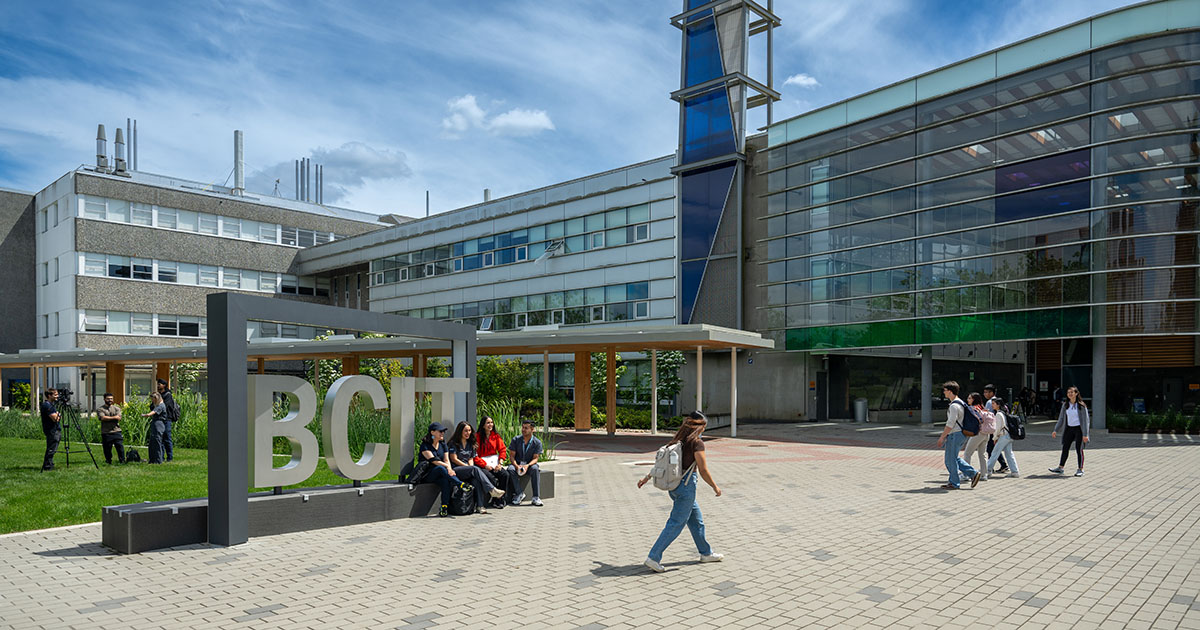
Geographic Information Systems
The Geographic Information Systems (GIS) program at BCIT offers pathways to a dynamic career in a rapidly growing field. GIS technology is essential across numerous sectors, including environmental management, urban planning, engineering, and business. Whether you are a recent graduate or an experienced professional looking to advance your career, our programs provide the technical education and practical skills needed to succeed. The curriculum is designed to equip you with a strong foundation in GIS principles, software, and applications, preparing you for diverse roles in both the public and private sectors.

Geographic Information Systems Certificate
Explore the power of digital technology to map, analyze, and understand the Earth and its phenomena. This program teaches you how to map and analyze geographic phenomena such as earthquakes, hurricanes, climate change, wildlife habitats, natural resources, agriculture, and rural and urban environments. You will learn to analyze environmental issues and responses to humanitarian crises using the power of spatial analysis. This certificate equips you with geospatial technology skills to contribute to making the world a better place.

Master of Information
The Master of Information (MI) program at the University of Toronto's Faculty of Information provides a comprehensive graduate education focused on the creation, organization, dissemination, and use of information in various contexts. The program is designed to equip students with the knowledge and skills needed to navigate and shape the evolving information landscape. Students can specialize in one of several concentrations, allowing for focused study in areas such as archives, digital humanities, data science, and user experience design.
Master of Information: Information Systems and Design
The Information Systems and Design (ISD) concentration at the University of Toronto's Faculty of Information focuses on how to analyze, design, and implement the diverse array of systems used to manage information within businesses and complex organizations. It emphasizes critical thinking, creative problem-solving, and collaborative decision-making. Information systems are vital in today's society, driving competitiveness for businesses and shaping individuals' personal and social lives. With the rise of artificial intelligence, understanding how we manage, interact with, and make sense of information is more critical than ever. ISD professionals play a key role in shaping these interactions and improving how people work through effective information systems, often leading or participating in multi-disciplinary teams.

Master of Science and Information Technologies
This Master's program is designed for professionals and students seeking to acquire advanced knowledge and skills in Information and Communication Technologies (ICT). You will develop expertise in data processing, telecommunications, and network and data security. The program also focuses on research methodologies, scientific presentation, and current trends in ICT. Graduates will master the technical aspects of designing and using information systems and gain specialized knowledge in a current scientific or technological field. The program offers two distinct pathways: a regular path with a thesis, ideal for those considering doctoral studies or aiming to develop strong research and scientific communication skills, and a professional path with an essay or internship, for those looking to deepen their applied expertise and gain practical experience in the field.
Frequently asked questions
How many Information Systems programmes are available in Canada?
+
There are 6 Information Systems programmes available in Canada, offered across 5 universities and institutions.
Which universities offer Information Systems in Canada?
+
École des Hautes Études Commerciales, Trinity Western University, Télé-université (Université du Québec), the British Columbia Institute of Technology, and the University of Toronto are among the institutions offering Information Systems programmes in Canada.
How much does it cost to study Information Systems in Canada?
+
Tuition fees vary by programme and institution — check each listing directly for current international student fee information.
Can international students apply to Information Systems programmes in Canada?
+
Yes, all five institutions welcome international students; Canada also offers post-graduation work permits that allow graduates to work in Canada after completing their studies.
What are the typical entry requirements for Information Systems in Canada?
+
Requirements typically include a recognised secondary or undergraduate qualification, English or French language proficiency depending on the institution, and relevant academic transcripts; specific requirements vary by programme and degree level.