International Relations in Canada
Canada offers 4 International Relations programmes across 4 universities — the University of British Columbia, the University of Toronto, Dalhousie University, and Canadian Mennonite University — providing a geographically diverse range of study environments from Vancouver and Toronto to Halifax and Winnipeg. These programmes address global governance, foreign policy, conflict resolution, and development studies.
Tuition fees are not published in a standardised range for these programmes; Canadian universities charge varying fees depending on province, institution, and whether the student is domestic or international. All four institutions are known for strong social sciences faculties, and Canada's multicultural identity and global diplomatic presence make it a compelling location for students with an interest in international affairs. Applicants should compare listings for current fee information.

Arabic Studies (Minor)
The Arabic Studies Minor at Dalhousie University offers students the opportunity to explore the rich language, culture, literature, and spirituality of the Arab world. As the official language of over 20 countries, Arabic is a valuable asset for intercultural communication. This minor allows you to complement your primary degree by combining disciplines and broadening your academic focus. By studying Arabic, you can begin or advance your proficiency in Modern Standard Arabic while also delving into the diverse cultural aspects of the Arab world, from its classical foundations to contemporary influences in pop culture, music, and arts.

BA International Development Studies
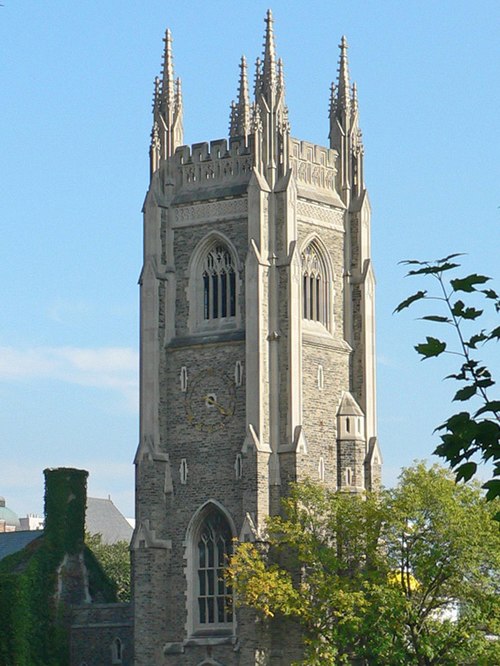
Master of Global Affairs (MGA) and Master of Public Policy (MPP)
The Master of Global Affairs (MGA) is a two-year professional program designed to provide a comprehensive understanding of the political, economic, and social contexts influencing global affairs. It equips students with the strategic and practical skills needed to navigate and contribute effectively to the evolving global system, focusing on key areas such as Global Security, Development, Justice and Human Rights, Markets, and Innovation Policy. The Master of Public Policy (MPP) is also a two-year, full-time program that connects Canadian and global policy issues. It offers students core competencies essential for policy practice, a paid summer internship, extensive career support, and the opportunity to take electives from within the Munk School and across the wider university. Both programs benefit from proximity to policy leaders in downtown Toronto and are taught by a multidisciplinary faculty with real-world experience.

Master of Public Policy and Global Affairs (MPPGA)
The Master of Public Policy and Global Affairs (MPPGA) program at UBC provides aspiring policymakers with a comprehensive understanding of policy-making processes. It combines rigorous knowledge acquisition, policy analysis, career development, and practical experience. This 20-month, full-time program allows students to specialize in one of three streams: Development and Social Change; Resources, Energy, and Sustainability; or Global Governance and Security. Students can also choose electives, including those focused on Asia, to prepare for complex local and global policy challenges. The curriculum is designed to foster creativity, innovation, and collaboration by integrating coursework with hands-on learning. You will learn from a diverse faculty of experts and policy practitioners at UBC, a university recognized for its academic excellence and commitment to addressing climate change. The program is based in Vancouver, British Columbia, a city known for its sustainability and quality of life. Graduates are equipped with critical thinking skills, professional networks, and an informed perspective to effectively engage with global policy actors, including governments, NGOs, international institutions, and the private sector. The program emphasizes a broad approach to governance, preparing students for diverse career paths.
Frequently asked questions
How many International Relations programmes are available in Canada?
+
There are 4 International Relations programmes across 4 universities in Canada.
Which Canadian universities offer International Relations?
+
The University of British Columbia, University of Toronto, Dalhousie University, and Canadian Mennonite University all offer programmes in this field.
How much does studying International Relations cost in Canada?
+
Tuition varies by programme and institution — check each listing directly for current fee information.
Can international students apply for International Relations programmes in Canada?
+
Yes, all four universities welcome international applicants; a Canadian study permit is required for programmes longer than six months.
What are typical entry requirements for International Relations in Canada?
+
A relevant undergraduate degree in political science, history, or social sciences is generally required, along with English language proficiency evidence for non-native speakers.