Artificial Intelligence in Finland
Finland offers 4 Artificial Intelligence programmes delivered by 3 universities, positioning the country as one of Northern Europe's most active AI education hubs. Tampere University, Aalto University, and the University of Jyväskylä all contribute to this landscape, each bringing distinct research strengths in machine learning, human-computer interaction, and intelligent systems.
Tuition for international students is set at €17,000 per year across these programmes, which is consistent with Finland's policy for non-EU/EEA students at bachelor's and master's level. Finland's AI National Strategy and close ties between academia and companies like Nokia and KONE provide graduates with strong industry pipelines. Scholarships and tuition waivers are available at some universities, and applicants are encouraged to explore merit-based funding options directly with each institution.

Data Expertise and Artificial Intelligence
This Master's degree program focuses on equipping professionals with advanced skills in data expertise and artificial intelligence. It aims to help you understand and leverage the growing importance of data and AI in transforming industries and organizations. You will learn to identify data needs, explore utilization opportunities, and develop proficiency in data analysis, visualization, and AI methods. The program is designed for individuals seeking to excel in specialist and development roles where data and AI are central, or where these technologies are expected to drive future innovation. No prior ICT knowledge is required.

Machine Learning, Data Science and Artificial Intelligence, Master of Science (Technology)
The Master's programme in Machine Learning, Data Science and Artificial Intelligence (Macadamia) at Aalto University equips students with advanced knowledge to navigate the rapidly evolving field of AI. This data-intensive major focuses on solving complex 21st-century problems, from climate change to understanding epidemics, through the application of artificial intelligence, data science, and machine learning. Graduates are prepared to formalize, apply, and interpret data-intensive solutions, implement state-of-the-art methods, and understand the theoretical and ethical foundations of the field. The programme is designed for talented students seeking a challenging study option, encouraging them to step out of their comfort zones and engage with cutting-edge research. It emphasizes active, hands-on learning through projects and practical assignments, fostering an environment where students can experiment and develop their skills independently. The curriculum is delivered by enthusiastic and internationally acclaimed professors and researchers.
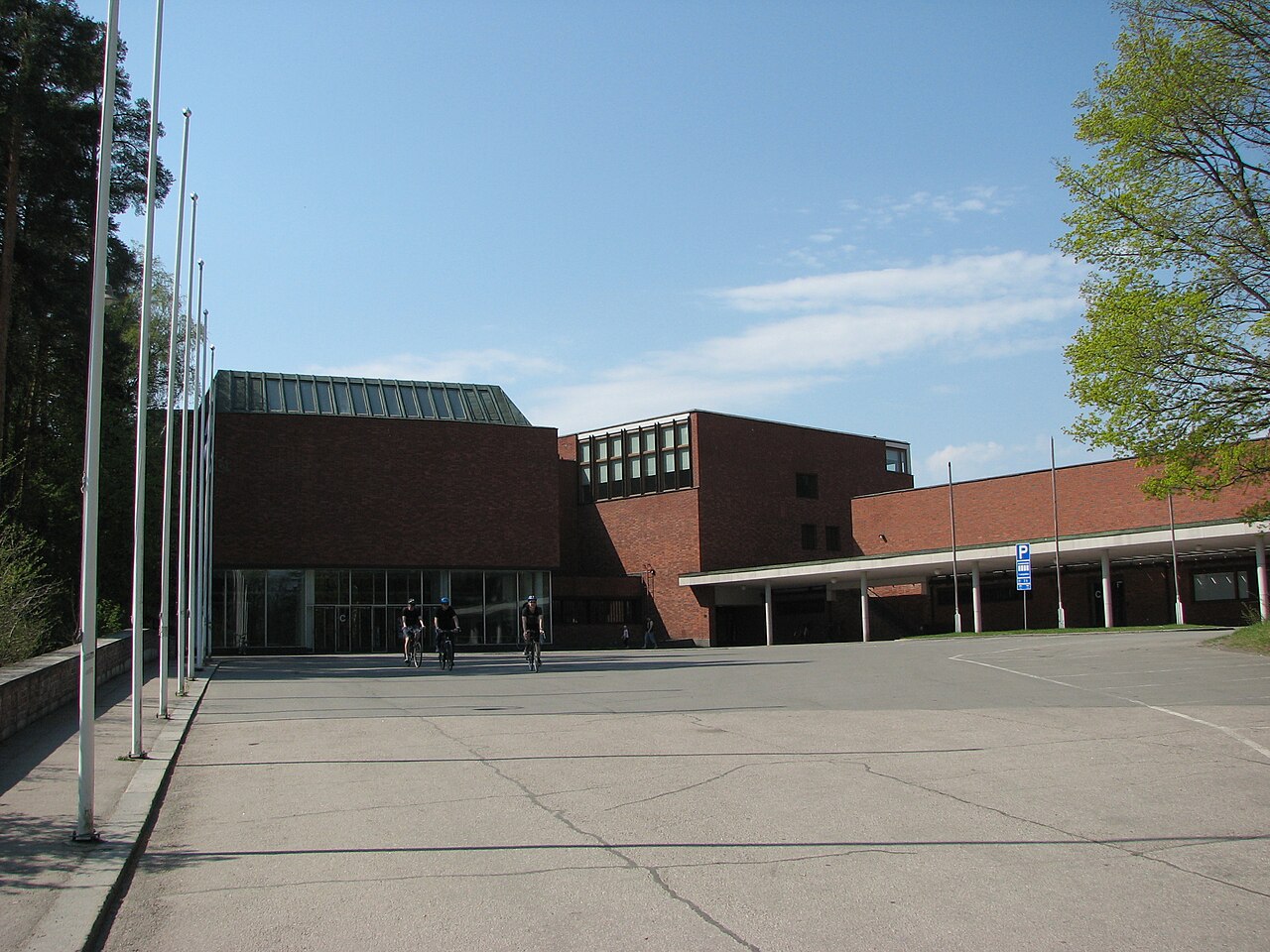
Master's Degree Programme in Artificial Intelligence
The Master's Degree Programme in Artificial Intelligence (AI) at the University of Jyväskylä offers a comprehensive education in this rapidly evolving field. Taught entirely in English, this two-year, full-time program (120 ECTS credits) focuses on both the practical application of AI tools and the development of new AI methods and algorithms. You will explore cutting-edge topics like machine learning, deep learning, cognitive computing, and AI security, preparing you for a future where human-AI collaboration is key.
Signal Processing and Machine Learning, Computing Sciences and Electrical Engineering
This Master's programme focuses on Signal Processing and Machine Learning, equipping you with the skills to develop intelligent solutions for a wide range of applications, from audio and vision to robotics and medical diagnostics. You will gain a deep understanding of both classical signal processing theories and advanced machine learning techniques, with a curriculum that blends theoretical knowledge with practical application. The programme encourages integration with research groups, allowing you to contribute to innovative projects.
Frequently asked questions
How many Artificial Intelligence programmes are offered in Finland?
+
There are 4 Artificial Intelligence programmes across 3 universities in Finland.
Which universities in Finland offer Artificial Intelligence programmes?
+
Tampere University, Aalto University, and the University of Jyväskylä all offer AI programmes.
What is the tuition fee for Artificial Intelligence programmes in Finland?
+
Tuition is €17,000 per year for international (non-EU/EEA) students across these programmes.
Can international students study Artificial Intelligence in Finland?
+
Yes, international students are welcome, though non-EU/EEA students pay tuition fees and should apply for a student residence permit before the programme begins.
What are the typical entry requirements for AI programmes in Finland?
+
Applicants generally need a bachelor's degree in computer science, mathematics, or a related discipline, plus evidence of English proficiency such as IELTS or TOEFL.