Arts & Humanities in Finland
Finland offers 4 Arts & Humanities programmes spanning 4 universities, providing a strong base for international students interested in languages, cultural studies, history, and creative disciplines. Aalto University, the University of Jyväskylä, Tampere University, and the University of Helsinki collectively deliver these programmes, covering both applied arts and classical humanities traditions.
Tuition for non-EU/EEA students ranges from €15,000 to €20,000 per year depending on the university and programme. Finland's bilingual Finnish-Swedish culture and its libraries, museums, and design heritage create a rich context for humanities study. Several universities offer merit-based scholarships that can reduce or waive tuition fees, so applicants should check each institution's financial aid pages when applying.
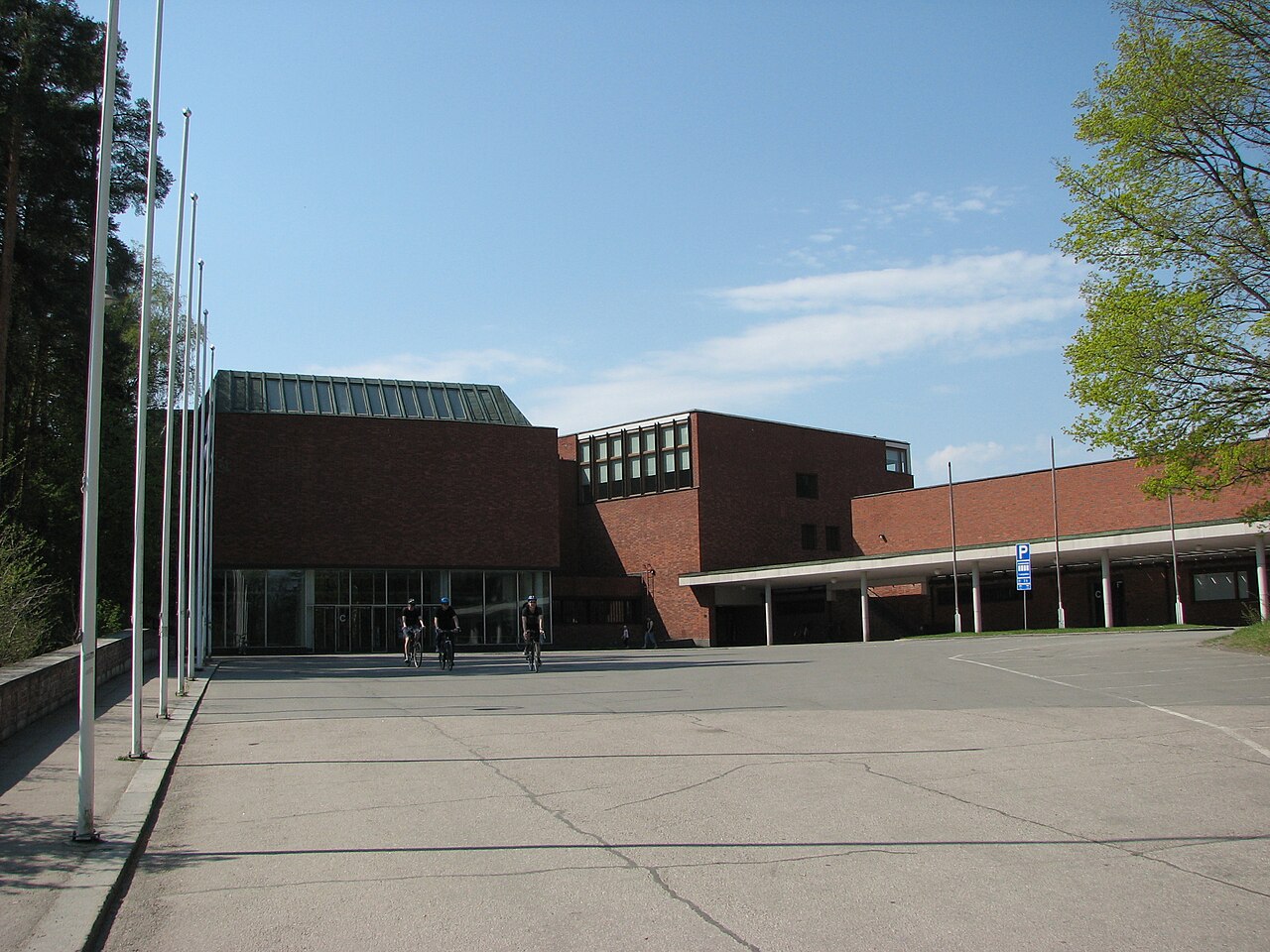
Master's Degree Programme in Music and Science
The Master's Degree Programme in Music and Science at the University of Jyväskylä explores the multifaceted role of music in contemporary society. This two-year, interdisciplinary program examines music from cognitive, psychological, and societal perspectives, preparing students to understand its evolving functions in areas like streaming, social media, and its potential in health and wellbeing. Led by researchers in music cognition, psychology, and therapy, the program equips students with strong research skills and proficiency in advanced technologies.

Master's Programme in Animation
The Master's Programme in Animation at Aalto University offers a comprehensive exploration of animation, blending both theoretical knowledge and practical application. This pioneering program is the first of its kind in Finland, providing students with a unique opportunity to immerse themselves in this imaginative art form. The curriculum is designed to develop your skills in various aspects of animation and integrate you into a vibrant creative community. The program is jointly coordinated by the Department of Film, Television and Production Design and the Department of Media, both within the School of Arts, Design and Architecture. This interdisciplinary approach ensures a rich and diverse learning experience. You will gain in-depth understanding and hands-on experience in animation, preparing you for a successful career in the creative industries. As a student, you will have access to detailed study guides, curriculum information, and guidelines for planning your academic journey. This program is ideal for individuals passionate about animation who wish to develop their artistic and technical expertise at a leading university.
Screenwriting
This Master's degree programme is designed for individuals passionate about writing for film and television. It focuses on developing and processing innovative film scripts through a hands-on, workshop-oriented approach. Classes are structured around students' own work-in-progress, encouraging a reflective and critical perspective throughout the creative process. The programme utilizes online environments and distance education practices to support students who may be working alongside their studies. Opportunities to connect with the global film and TV industry are provided, offering valuable networking and feedback. Upon completion, graduates can pursue careers in screenwriting for film and television, as well as related roles such as producer, script editor, storyliner, and script consultant. The programme emphasizes practical application and industry relevance, preparing students for diverse professional paths within the creative media landscape.

The Collective Self: Examining Soviet Women's Subjectivity Through Literary Reception
This program, explored through a master's thesis, delves into Soviet women's subjective experiences in the post-Stalinist era by analyzing their responses to literature. It examines how collective identity and workplace belonging were shaped by societal expectations and individual lives, particularly focusing on the 'double burden' of work and domestic responsibilities. By studying reader letters from 1970 responding to Natalya Baranskaya's novella 'A Week Like Any Other,' the research sheds light on the complex interplay between public ideology and private realities for Soviet women. It contributes to understanding the unique aspects of female subjectivity within broader 20th-century transformations of gender roles in industrialized societies. The study highlights how work was a fundamental aspect of identity for many Soviet women, transcending mere economic necessity. Despite expressing dissatisfaction with the demands placed upon them, most did not consider abandoning their careers, indicating that work was deeply intertwined with their sense of self and social belonging.
Frequently asked questions
How many Arts & Humanities programmes are available in Finland?
+
There are 4 Arts & Humanities programmes offered across 4 universities in Finland.
Which Finnish universities offer Arts & Humanities programmes?
+
Aalto University, the University of Jyväskylä, Tampere University, and the University of Helsinki all offer programmes in this field.
How much does studying Arts & Humanities cost in Finland?
+
Tuition ranges from €15,000 to €20,000 per year for international students depending on the university.
Can international students apply for Arts & Humanities programmes in Finland?
+
Yes, Finnish universities actively recruit international applicants; non-EU/EEA students must apply for a residence permit for studies.
What are typical entry requirements for Arts & Humanities in Finland?
+
A relevant bachelor's degree and proof of English language proficiency are usually required, with some programmes also requesting a portfolio or writing sample.