Master's in Biology in Finland
There are 3 master's Biology programmes for international students across 3 universities in Finland. Tuition ranges from €15k to €17k. Browse the full list below, compare entry requirements, and explore scholarships to fund your studies.
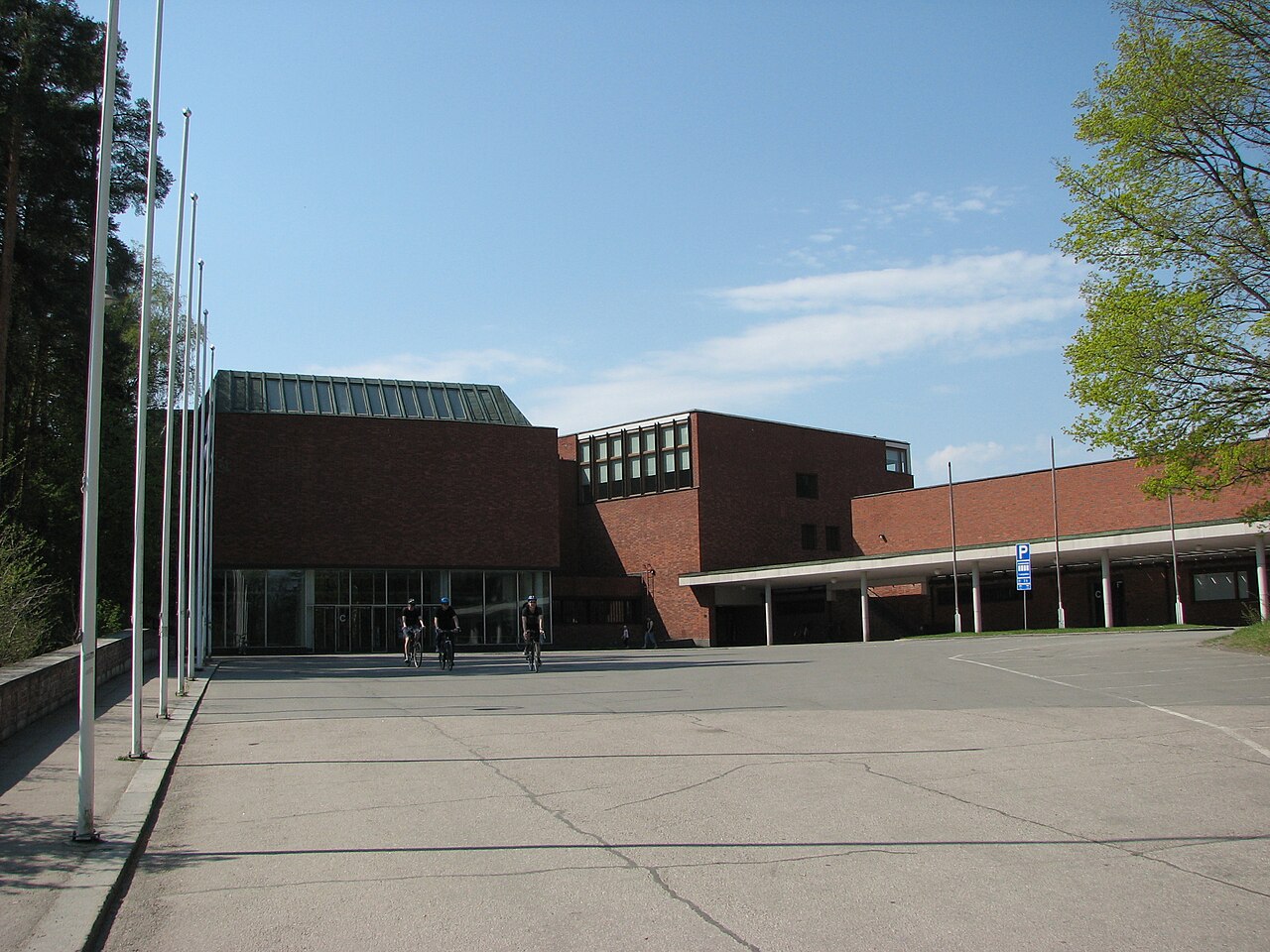
Biology of Physical Activity, Master of Sport Sciences
The Master of Sport Sciences programme in Biology of Physical Activity is designed for students interested in the scientific aspects of exercise and sport. This two-year, 120 ECTS credit programme focuses on the interactive mechanisms between physiological systems, physical exercise, and their theoretical underpinnings. Students can specialize in Exercise Physiology, Science of Sport Coaching and Fitness Testing, or Biomechanics. Graduates are prepared for roles in research, sports medicine, rehabilitation, and sports organizations, and are qualified to pursue doctoral studies.

Master's Programme in Biotechnology
The Master's Programme in Biotechnology at Aalto University offers a comprehensive study experience in the field, organized by the School of Chemical Engineering. This program is designed for students seeking to deepen their knowledge in biotechnology, providing detailed guidelines and curriculum to support your academic journey. You will utilize online tools like SISU and MyCourses alongside the program pages for effective study planning and monitoring. For current Aalto Bachelor's students in a school of technology, there is a clear pathway to continue into this Master's programme, provided specific requirements are met. The curriculum and study instructions are applicable to students across all majors within the program, ensuring a cohesive learning environment. This page serves as a student guide, offering essential information for enrolled students. If you are considering applying to the program, you can find specific application details and requirements on the dedicated applicant pages.

Master’s Programme in Food Sciences
The Master’s Programme in Food Sciences at the University of Helsinki offers a comprehensive exploration of food, from its raw materials through processing, chemistry, and safety. This English-taught program is designed for students with backgrounds in food science, biology, chemistry, biotechnology, or nutrition who are interested in food research, production, or safety. It provides a strong theoretical foundation combined with practical laboratory work, allowing students to delve into areas like risk assessment, toxicology, and food additives. The program also emphasizes research into sustainable products, novel foods, and the valorisation of industrial by-products, with research strengths in cereals and plant-based ingredients such as oats and faba beans.
Frequently asked questions
How many Biology programmes are there in Finland?
+
3 across 3 universities, listed on this page.
Can international students apply?
+
Yes — these programmes admit international students; check each programme's entry requirements and language of instruction.