Master's in Environmental Sciences in Finland
There are 9 master's Environmental Sciences programmes for international students across 4 universities in Finland. Tuition ranges from €15k to €17k. Browse the full list below, compare entry requirements, and explore scholarships to fund your studies.
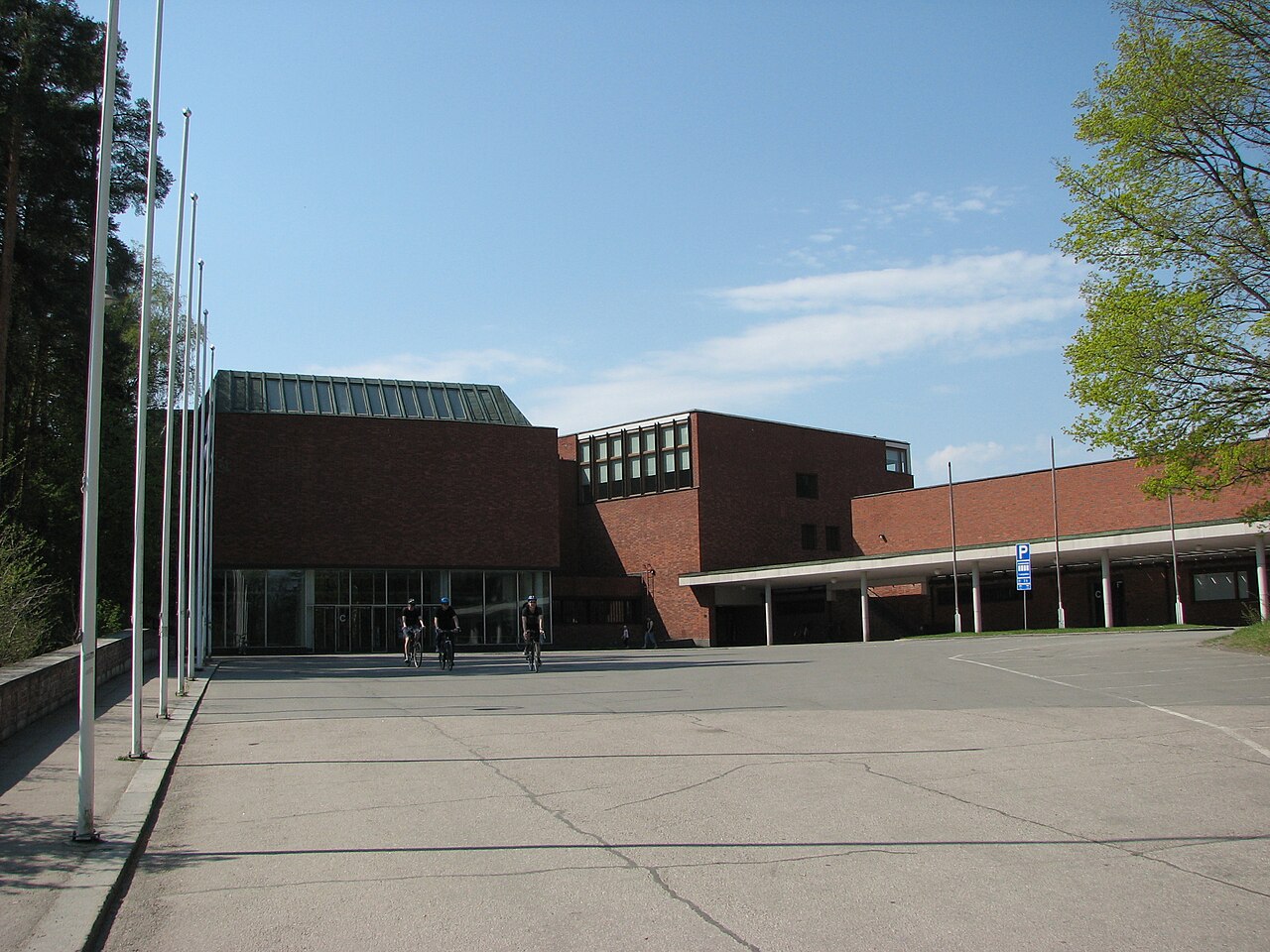
Aquatic Sciences, Master of Science
This Master's Programme in Aquatic Sciences provides you with in-depth knowledge and practical skills related to freshwater systems like lakes, rivers, and wetlands. You will study the organisms inhabiting these environments, and how societal and environmental factors influence their function. The curriculum covers a wide range of biological and physical-chemical phenomena, human impacts on aquatic ecosystems, and the vital ecosystem services they provide. Given the university's location surrounded by abundant freshwater bodies, you'll have ideal opportunities to combine fieldwork in natural settings with laboratory analysis and theoretical studies. The program focuses on ecological and biological processes that define inland waters, their ecosystem services, and the sustainable use of natural resources. You are encouraged to complement your studies with subjects like statistics, chemistry, physics, or social sciences.
Business Innovation and Sustainability, Bachelor and Master of Science in Economics and Business Administration
This program, offered entirely in English by the Jyväskylä University School of Business and Economics (JSBE), focuses on developing science-based business skills. It addresses key areas such as sustainability, international business, corporate social responsibility, innovation management, strategy, and entrepreneurship. The program aims to equip students to become change makers who can create a positive impact on both business and society. JSBE holds accreditations from AACSB, AMBA, and BGA, signifying its high international standards in research and teaching. The program structure includes a Bachelor's degree (180 ECTS) followed by a Master's degree (120 ECTS), allowing for a comprehensive 5-year study path.

Creative Sustainability, Master of Science (Technology)
The Master's Programme in Creative Sustainability (CS) at Aalto University is a multidisciplinary program designed to equip students with the skills and knowledge needed to address complex sustainability challenges. It brings together expertise from design, business, and materials and chemical engineering to foster innovative, systemic solutions for issues like climate change, biodiversity loss, poverty, and inequality. The program emphasizes a systems-based view of the planet and the ability to collaborate across diverse fields and cultures. Students in the Creative Sustainability program learn to develop holistic and regenerative innovations through practical projects with partner organizations. The curriculum combines state-of-the-art knowledge on environmental, economic, and socio-cultural aspects of sustainability with hands-on learning. Upon graduation, students entering through the School of Chemical Engineering will receive a Master of Science (Technology) degree, preparing them to promote sustainable development within engineering fields.
Ecology and Evolutionary Biology, Master of Science
This Master's programme in Ecology and Evolutionary Biology focuses on understanding life at various levels, from DNA to ecosystems, within the context of a changing world. You will explore the origins of life, its diversification over millions of years, and the impact of environmental changes. The curriculum is research-based, drawing on current international high-quality research in the field. It offers practical, nature-oriented studies including laboratory and field work, with opportunities to engage with Finnish nature. Students are encouraged to complement their studies with subjects like statistics, chemistry, physics, or social sciences.
Environmental Engineering
This two-year Master's Programme in Environmental Engineering and Circular Economy equips you with the knowledge and skills to address global environmental and sustainability challenges. You will gain a holistic understanding of environmental issues, learn to design and model environmental technologies, and develop methods to evaluate and advance sustainability. The program offers specialization themes in Water Supply, Environmental Process Engineering, and Research in Environmental Engineering, preparing you for impactful careers or further doctoral studies.
Master's Degree Programme in Corporate Environmental Management
The Master's Degree Programme in Corporate Environmental Management (CEM) equips you with expertise in corporate sustainability, with a specific focus on environmental issues. This programme is designed for individuals interested in contributing to business sustainability, finding environmental solutions for organisations, and participating in climate change mitigation efforts. Graduates will gain a deep understanding of current business and scientific developments, positioning them as experts in the rapidly evolving field of corporate sustainability. The CEM programme offers an integrated and interdisciplinary approach to environmental challenges within businesses. It fosters skills in identifying and managing environmental impacts, promoting sustainability in business operations, and innovating new business models and solutions. The learning environment is international, encouraging students to engage in global perspectives and prepare for careers addressing complex environmental issues in the corporate world.

Master's Programme in Agricultural, Environmental and Resource Economics
The Master’s Programme in Agricultural, Environmental and Resource Economics equips students to address pressing global challenges in areas such as climate policy, sustainable agriculture, and food security. It is ideal for individuals passionate about combining economic principles with environmental and sustainability issues. The program offers two distinct study tracks: Environmental and Natural Resources Economics, and Agricultural Economics, allowing students to tailor their studies to their specific interests. You will gain the tools and opportunities to tackle real-world sustainability problems from an economic perspective.
Master’s Programme in Ecology, Evolution and Biodiversity Conservation
The Master’s Programme in Ecology, Evolution and Biodiversity Conservation at the University of Helsinki is designed for students interested in understanding how nature functions. The program is international and multidisciplinary, drawing on fields such as ecology, evolutionary biology, statistics, and laboratory work. It offers a comprehensive study experience that prepares students for careers in research or conservation. Teaching is conducted entirely in English, fostering a diverse and international learning environment. Students gain theoretical knowledge and practical skills through lectures, laboratory work, coding, and field courses. The program also encourages global perspectives through opportunities for exchange studies abroad and by welcoming students from various countries. The curriculum includes a significant research component with a master's thesis, supported by supervisors and research groups. Students also have the chance to present their work at symposia and engage with the wider scientific community. The University of Helsinki, located in a vibrant student city, provides access to various resources and cultural attractions, enhancing the overall student experience.
Master's Programme in Meteorology, Atmospheric and Climate-System Sciences
This Master's Programme offers a deep dive into the science behind our climate, air quality, and Earth's complex systems. It is designed for students interested in understanding climate beyond common discussions, exploring the intricate connections between various Earth systems, from atmospheric processes to biosphere and soil interactions. The programme provides a versatile foundation suitable for those interested in research, data analysis, or practical applications in environmental decision-making. Students gain knowledge and tools to address environmental challenges by reducing uncertainty in complex systems.
Sustainability Management
The Master's Degree in Sustainability Management (SusMan) is designed for professionals seeking to lead the transition to a more sustainable future. This program addresses global challenges such as climate change, resource scarcity, and social inequality, equipping graduates with the skills to transform these challenges into opportunities. SusMan fosters collaborative learning among students from diverse backgrounds, developing critical thinking, communication, and leadership abilities essential for the global job market. It integrates theory with practical application through case studies and projects, preparing students for roles in business transformation, public policy, or entrepreneurship.
Frequently asked questions
How many Environmental Sciences programmes are there in Finland?
+
9 across 4 universities, listed on this page.
Can international students apply?
+
Yes — these programmes admit international students; check each programme's entry requirements and language of instruction.