Medicine in France
France offers 7 Medicine programmes across 4 universities — the University of Strasbourg, the University of Bordeaux, Université Paris-Saclay, and Paris 1 Panthéon-Sorbonne University. Université Paris-Saclay is ranked among the world's top research universities and has a strong biomedical science cluster, while Strasbourg and Bordeaux are highly regarded regional universities with medical faculties embedded in major hospital networks.
Tuition fee data is not available for this category; French public universities charge national tuition fees that are among the lowest in Western Europe, though international students from outside the EU may pay differentiated rates under the Bienvenue en France scheme. France's strong tradition in biomedical research, clinical training quality, and the availability of some English-taught programmes make it a notable destination for internationally mobile medical students.

Advanced Studies Diploma in Medical Sciences (DFASM)
The Advanced Studies Diploma in Medical Sciences (DFASM) is designed to equip students with the core competencies needed for the third cycle of medical studies, preparing them for hospital or outpatient practice. The program focuses on developing skills as a clinician, communicator, collaborator, public health advocate, reflective practitioner, scientist, and ethical professional. Teaching emphasizes common, severe, or public health-relevant conditions. The curriculum aims to deepen knowledge of pathophysiological processes, pathology, therapeutic foundations, and prevention, alongside fostering scientific inquiry and clinical reasoning. Students will also develop generic competencies essential for future medical specialization. The DFASM includes a common core curriculum and a personalized, multi-year track. This track allows students to choose electives to deepen knowledge in transversal or multidisciplinary medical fields, focus on research, or explore non-medical disciplines. The personalized path can include units freely chosen from various university offerings, ideally building upon prior learning.
Capacité de médecine
The 'Capacité de médecine' is a national diploma offered by the Faculty of Medicine, Midwifery, and Health Sciences at the University of Strasbourg. This program is designed for qualified doctors (general practitioners or specialists), whether French or international, who wish to acquire additional competencies or broaden their scope of practice. While not conferring the title of specialist recognised by the French Order of Physicians, these capacities are acknowledged by the order as titles demonstrating further expertise to patients. The program is subject to official authorisation from the Ministry of Higher Education, with the University of Strasbourg holding this accreditation for a four-year period.
Diplôme de docteur en médecine
International Master of Biomedicine

M2 Preclinical Pharmacology, Clinical Pharmacology and Pharmacokinetics
This Master's program focuses on pharmaceutical science, aiming to train scientists skilled in discovering new therapeutic targets, designing effective medications, and ensuring patient safety. It prepares students for research roles in academic or industrial settings, as well as for positions in medical affairs and innovation. The curriculum covers clinical pharmacology, pharmacokinetics, experimental pharmacology (cardiovascular or neuropharmacology), and research project design, culminating in a research internship.
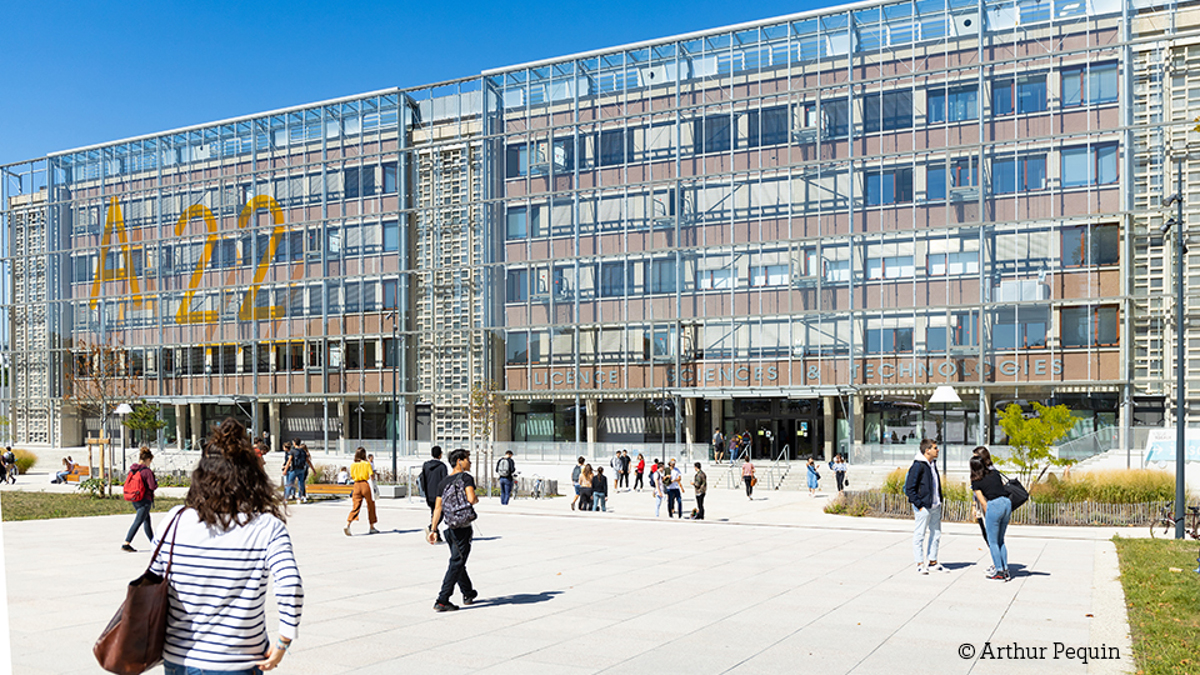
Medical Sciences
The Medical Science Faculty at the University of Bordeaux offers a wide range of programs from foundational health courses to advanced postgraduate studies and continuing education. It welcomes over 12,000 students annually and also trains 4,000 students in nursing. The faculty is divided into departments for general and specialized medicine, along with various schools and paramedical institutes. Training is grounded in the latest medical knowledge and integrated with practical experience at the Bordeaux University Hospital, providing a modern learning environment. The faculty actively engages in medical research through academic teams and collaborations with national scientific institutions like INSERM and CNRS. International exchange programs for both staff and students, including study abroad opportunities, Erasmus, and hospital internships, are available to foster global awareness.
Frequently asked questions
Which universities in France offer Medicine programmes?
+
The 4 universities in this category are the University of Strasbourg, the University of Bordeaux, Université Paris-Saclay, and Paris 1 Panthéon-Sorbonne University.
How much does it cost to study Medicine in France?
+
French public universities charge low national tuition fees — EU students typically pay around €170 per year, while non-EU students may pay higher differentiated fees; check each listing for current rates.
Can international students apply to Medicine programmes in France?
+
Yes, French universities accept international applicants; most medical programmes are taught in French, so a high level of French language proficiency is generally required for clinical training.
What are typical entry requirements for Medicine in France?
+
Entry typically requires a recognised secondary school baccalaureate or equivalent, strong results in biology and chemistry, French language proficiency, and successful completion of a competitive entrance examination (PASS/L.AS system for domestic entry).
How do I apply to a Medicine programme in France?
+
International students should apply through each university's international admissions office or the Campus France portal; a long-stay student visa (VLS-TS) is required and should be applied for well in advance.