Electrical Engineering in Germany
Germany lists 15 Electrical Engineering programmes across 8 universities at various degree levels, from bachelor's through to postgraduate study. Technische Universität Berlin, Technische Hochschule Köln, Fachhochschule Aachen, and Technische Hochschule Ingolstadt are among the institutions offering these programmes in one of the world's leading engineering nations.
Tuition ranges from free to roughly €350 per year — most German public universities charge only a nominal semester contribution rather than full tuition fees, making Germany an exceptionally affordable destination for electrical engineering study. Strong industry links and proximity to companies such as Siemens, Bosch, and Infineon enhance graduate employment prospects.

Bachelor of Engineering in Electrical Engineering (B.Eng.)
This Bachelor of Engineering in Electrical Engineering is a flexible online distance learning program designed for individuals looking to shape the future of digitalization, electromobility, and the energy transition. You will gain a strong foundation in classical electrical engineering sciences, complemented by a wide range of specialization options in interdisciplinary areas such as communication technology, medical technology, microsystems technology, project management, and technical sales. The program emphasizes practical application, integrating hands-on project phases to prepare you for specialist and leadership roles in various fields of electrical engineering. Graduates will be qualified for mid-level management positions and capable of leading cross-functional projects. The curriculum is structured to allow for personalized study pace and offers an internationally recognized degree, combining academic rigor with the flexibility needed for working professionals. AKAD University is Germany's first state-recognized distance learning university, ensuring high quality and accredited education.

Bachelor's Degree Programmes at FH Aachen University of Applied Sciences
FH Aachen University of Applied Sciences offers a range of Bachelor's degree programmes designed to provide a strong foundation for your future career. These programmes are characterized by their practical orientation and relevance to industry. You can choose from various fields including engineering, health sciences, business studies and law, natural sciences, mathematics, computer science, and architecture & design. Programmes are available in full-time, dual study, or part-time formats. Please note that the primary language of instruction for most programmes is German, although programme titles may be translated into English for clarity.
Digital Railway Systems (B.Sc.)
The Digital Railway Systems Bachelor of Science program is a unique, practice-integrated degree offered in cooperation with Bielefeld University of Applied Sciences, Bielefeld University, and Paderborn University. This program is designed for students interested in the intersection of mobility and digitalization within railway systems. It combines academic learning with hands-on professional experience, as students are employed by a partner company throughout their studies. This approach ensures that theoretical knowledge is directly applied in a practical setting, fostering immediate career integration and skill development within the rail industry. The program is ideally suited for those seeking a future-oriented career in shaping the next generation of rail transport.
Electrical Engineering (IOS) B.Eng.
The Internationally Oriented Studies (IOS) program in Electrical Engineering at FH Aachen, Campus Jülich, focuses on equipping students with both technical expertise and essential soft skills. The curriculum emphasizes the practical application of theoretical knowledge, building a strong foundation in mathematics, natural sciences, and engineering principles. Students will develop technical and professional competence, alongside crucial soft skills such as teamwork and social competence, preparing them for successful employment. The first four semesters provide the fundamental mathematical, physical, and academic basics of Electrical Engineering. In the fourth semester, students delve into specialized foundational topics. By the fifth semester, they become experts in areas like automation and control engineering, electrical drives and power electronics, power plant technology, energy distribution and grid management, and high-voltage engineering. The sixth semester allows for elective modules to deepen specific knowledge or focus on a practical subject, culminating in the Bachelor's thesis. Graduates are prepared to enter the workforce or pursue Master's degree programs.

Electrical Engineering and Electric Mobility (B. Eng.)
The Bachelor of Engineering program in Electrical Engineering and Electric Mobility focuses on how electrical engineering is shaping the future of transportation. This program emphasizes the growing demand for knowledge in electromobility and energy storage, extending beyond just automotive applications to areas like robotics, railway technology, and medical technology. It is characterized by its strong interdisciplinary connections, a significant practical component, and broad applicability across various industries. Graduates are well-prepared for roles in planning and developing components, systems, and functions for hybrid and electric vehicles and other transport systems. Specializations in power electronics, control engineering, simulation, and modeling are central to the curriculum.
Electrical Engineering and Information Technology (Master's Program)
This Master's program in Electrical Engineering and Information Technology offers you the chance to deepen your expertise in this field. You can choose to specialize in one of three areas: Automation Engineering, Power Engineering, or Optical Technologies. The program is designed as a full-time course of study. This program is primarily taught in German. Further details and application information are available on the German version of the program page.

Electrical Engineering and Mathematics (Q-Master, teacher training), M.Ed.
This Master of Education program is designed for individuals seeking to teach Electrical Engineering and Mathematics at vocational schools. It is a 'lateral entry' program, meaning you can pursue this Master's even if your previous university degree was in electrical engineering or a related field without a specific teacher training component. The curriculum balances technical expertise in electrical engineering and mathematics with a strong focus on educational theory, teaching methodology, and pedagogical sciences. You will gain the skills to plan and deliver effective lessons, understand diverse student needs, and reflect on your teaching practice.
Electrical Engineering Bachelor
This Bachelor's program in Electrical Engineering equips you with the skills to contribute to technological advancements in areas such as mobility, energy supply, manufacturing processes, and communication. The curriculum emphasizes practical application, personalized support, and integration of current research, preparing you for a versatile, creative, and future-proof career. You will gain expertise in analyzing, conceptualizing, and developing electrical engineering systems and hardware-based programming. Graduates develop strong analytical skills, problem-solving abilities, and the capacity for independent work and innovation, crucial for international collaboration.
Electrical Engineering PLuS B.Eng. (Dual Study Programme)
The Electrical Engineering PLuS B.Eng. is a unique eight-semester dual study program that combines academic learning with practical experience. Students can choose between two branches: Branch A integrates an apprenticeship with university studies, leading to an IHK or HWK certification as an electronics technician. Branch B combines university studies with work experience in a company without a formal apprenticeship. In the initial semesters, the focus is on foundational training and practical phases within a company, supported by basic courses in mathematics, physics, and electrical engineering at a vocational college. As the program progresses, the emphasis shifts to university studies, with students spending more time at FH Aachen while still engaging in practical work during lecture-free periods. The program covers core electrical engineering concepts, technical processes, and the scientific principles underlying the discipline, with a strong focus on power engineering, including renewable energy systems. The final year allows for specialization and culminates in a practical project and Bachelor's thesis.
Electrical Engineering with Orientation Semester B.Eng.
This Bachelor of Engineering program offers a unique orientation semester, allowing students to explore both university (TH) and university of applied sciences (FH) models before committing to a specific path. This collaborative program between FH Aachen and RWTH Aachen University provides a 7-semester pathway into Electrical Engineering. It's designed for students who are unsure about which higher education model best suits them or who want to understand the differences between the two systems more fully. By experiencing modules from both institutions during the first semester, students can make an informed decision about their future studies. This structure also eases the transition from school to university by spreading the first semester's coursework over two terms, allowing ample time to bridge any knowledge gaps. Regardless of the chosen path, students will engage with fascinating topics within the field of Electrical Engineering.
Electrical Engineering with Orientation Towards Vocational Training (B.Eng.)
This unique Bachelor of Engineering (B.Eng.) program, Electrical Engineering with Orientation Towards Vocational Training (ETAUS), is designed to help students decide between a university degree and a full-time vocational training. In the first semester, students experience both academic study at FH Aachen and practical training within a partner company. This allows for a thorough exploration of both paths before making a final decision. The program is a collaborative effort between FH Aachen, the Chamber of Industry and Commerce (IHK) Aachen, and the Chamber of Crafts (HWK) Aachen, with the support of the Städteregion Aachen. It aims to ease the transition into the exciting field of electrical engineering by providing clarity and reducing the risk of choosing the wrong educational route. Upon completion of the orientation semester, students choose to continue with their engineering studies at FH Aachen or pursue full-time vocational training. Importantly, academic credits earned or training achievements during the orientation semester are recognized, ensuring no time is lost regardless of the chosen path. This flexible approach is ideal for individuals who are passionate about technology but are uncertain about whether a university degree or hands-on training best suits their career aspirations.
Elektrotechnik B.Eng. (Aachen)
Elektrotechnik M.Eng.
Elektrotechnik und Informationstechnik (Electrical and Information Technology)
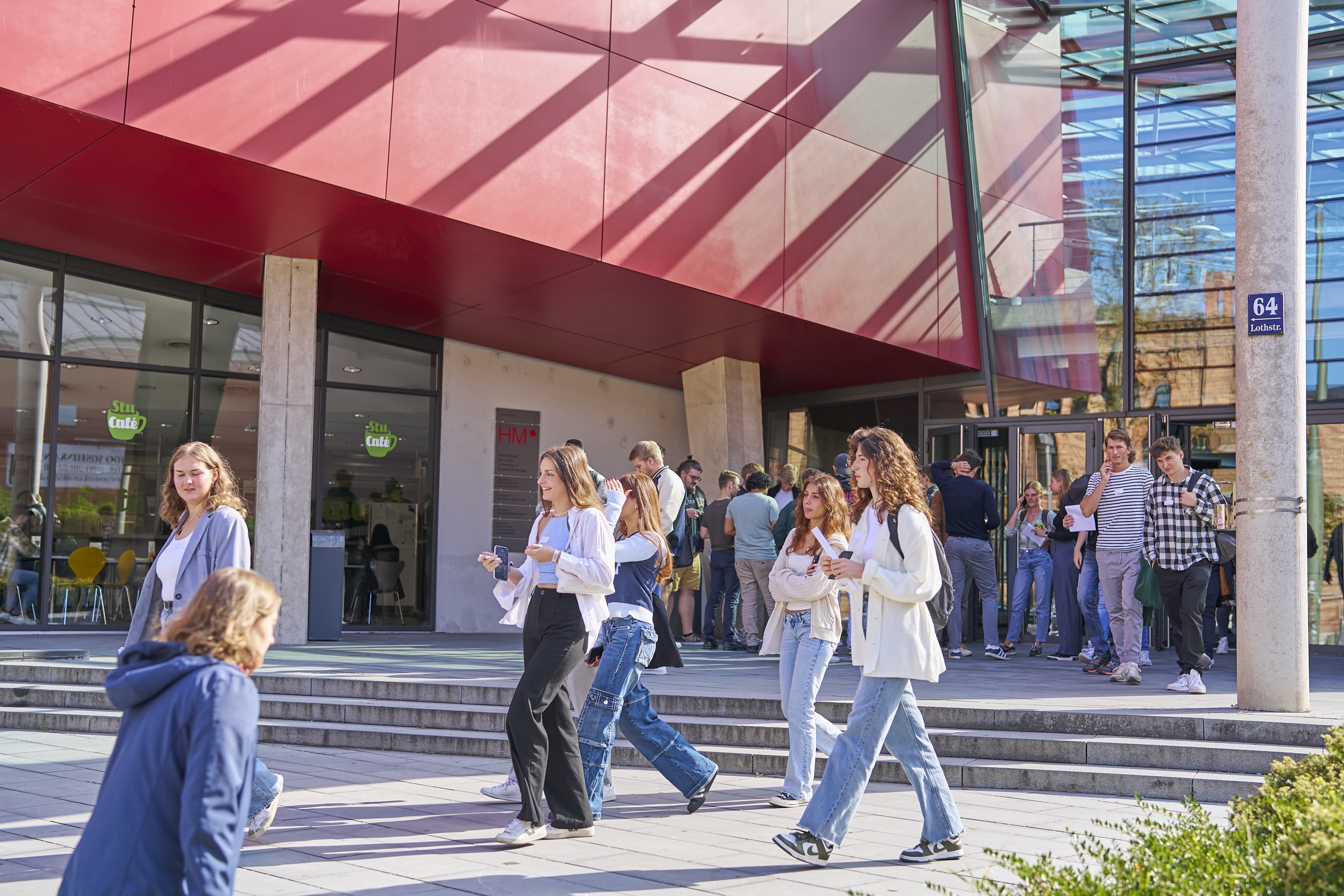
The Bachelor of Engineering program in Electrical and Information Technology at HTWG Konstanz equips students with the fundamental knowledge and practical skills to shape the future of our digital, networked, and electrical world. This field is at the heart of modern technology, from smartphones and sustainable energy to electromobility and advanced communication systems. The program provides a broad foundation in electrical engineering and IT, including mathematics, physics, programming, electronic circuits, control systems, and microprocessor systems. Students can later specialize in areas such as Automation Technology, Energy Systems, Information Technology, or Communication Technology.
Photonics (M.Sc.)
The Master of Science in Photonics program prepares you for advanced roles in the rapidly evolving photonics industry and research. Photonics is a key technology driving innovation in areas like quantum computing, advanced communication systems, medical diagnostics, and energy-efficient optics. This program offers comprehensive knowledge across various photonics fields, including biological imaging, industrial sensing, medical technology, material processing, and aerospace communication. The curriculum combines fundamental physics principles with practical applications. You will gain hands-on experience through laboratory work and have the opportunity to specialize through elective modules. The program emphasizes the development of research and engineering skills, culminating in a Master's thesis that can be completed in university labs or in industry, fostering creativity and practical problem-solving.
Frequently asked questions
How much does Electrical Engineering study cost in Germany?
+
Tuition ranges from free to roughly €350 per year; most German public universities charge only a semester contribution covering administrative fees and public transport.
Which universities offer Electrical Engineering in Germany?
+
Among the 8 universities are Technische Universität Berlin, Technische Hochschule Köln, Fachhochschule Aachen, Technische Hochschule Ingolstadt, Fachhochschule Lippe, and AKAD Hochschulen für Berufstätige.
Can international students apply to Electrical Engineering programmes in Germany?
+
Yes, Germany actively welcomes international students; many programmes are offered in German, so B2-level German proficiency is often required, though some master's programmes are taught in English.
What are typical entry requirements for Electrical Engineering in Germany?
+
Bachelor's applicants need a German Hochschulzugangsberechtigung or equivalent foreign qualification with strong mathematics and physics; master's applicants need a relevant bachelor's degree with a good grade average.
How do I apply for Electrical Engineering in Germany?
+
Apply through the university's portal or via uni-assist; the main intake is in October (winter semester), with application deadlines typically in May or June for non-EU applicants.