Information Systems in Germany
Germany offers 14 Information Systems programmes across 11 universities, reflecting the country's strong digital economy and the high demand for graduates who can bridge business processes and IT infrastructure. Institutions range from the Karlsruhe Institute of Technology and Technische Universität Berlin — two of Germany's leading technical universities — to applied science providers such as Fachhochschule der Wirtschaft and Fern-Fachhochschule Hamburg.
Tuition fees span from free to roughly €12,000 per year, with many public universities charging only a nominal semester contribution. This makes Germany a very cost-effective destination for Information Systems study, particularly for students comfortable learning in a German-speaking environment, though English-taught options are increasingly available at institutions like Karlsruhe Institute of Technology.
Bachelor of Science in Business Informatics
The Bachelor of Science in Business Informatics program combines computer science and business administration, with elements of law and engineering, to prepare you for in-demand roles at the intersection of IT and management. This practical-oriented program focuses on analyzing and optimizing information systems, developing new software solutions, and integrating them into existing company structures. It equips you with the knowledge necessary for companies actively driving digitalization. You can choose to study this program entirely online or opt for a hybrid approach with seminars at specific locations.

Business Information Systems - Master of Science
The Master of Science in Business Information Systems program equips students with the skills to tackle complex challenges by integrating economic and IT concepts. The curriculum is structured around four core areas: Scientific Fundamentals, focusing on mathematical modeling and scientific work; Business Analysis and Modelling, covering process analysis, requirements engineering, and digital business models; Business Application Systems, dealing with the conception, use, and data analysis of operational systems; and IT Management, encompassing project implementation and long-term IT infrastructure planning. The program offers flexibility, allowing for self-organized part-time study. While primarily taught in German, some courses are offered in English.

Business Information Systems (Wirtschaftsinformatik) Bachelor of Science (B.Sc.)
The Bachelor of Science in Business Information Systems (Wirtschaftsinformatik) at Karlsruhe Institute of Technology (KIT) is an interdisciplinary program that combines business administration, computer science, and law. It aims to provide students with a deep understanding of digital transformation, enabling them to analyze business processes, design IT systems, and optimize operations using digital solutions. Key topics include databases, software development, artificial intelligence, and IT security. The program emphasizes the development of methodical and analytical skills to tackle complex economic and technological challenges. A unique feature of the KIT program is the flexibility in choosing specializations within these interconnected fields, allowing students to tailor their studies to their individual strengths and interests. The curriculum is structured around five core subject areas: Business Information Systems, Computer Science, Mathematics, Economics, and Law. Students will cover fundamental concepts and then progress to more advanced topics. In addition to compulsory modules, students will engage in seminars and select elective modules in their later semesters to deepen their knowledge and apply it practically. The program also includes a real software development project undertaken in teams and offers strong connections with companies in the Karlsruhe Technology Region for internships and career opportunities.

Business Information Systems Engineering (M. Sc.)
This Master's program focuses on the engineering of business information systems, essential for efficient business processes in today's digital companies. You will gain professional and methodical skills to manage, develop, and maintain integrated business information systems and leverage business data for data-driven decisions. The program emphasizes both the business process-driven implementation and integration of systems, as well as the professional handling of business data within these landscapes. You'll have the opportunity to specialize further by choosing elective modules from related Master's programs and gain hands-on experience with modern tools like SAP HANA, often culminating in a project with a corporate partner. This Master's degree prepares you for advanced roles in industry or further academic pursuits, such as a doctorate.
Gesundheits- und Medizininformatik (Health and Medical Informatics) - Bachelor of Science
The Health and Medical Informatics Bachelor of Science program equips students with the skills to develop digital solutions that enhance health and well-being. This interdisciplinary field combines computer science, medicine, and business administration, preparing graduates for a growing job market. Graduates will be instrumental in the digitalization of healthcare, developing technologies from fitness trackers to patient management systems.

Information Systems M.Sc.
The Master of Science in Information Systems program is designed for graduates with bachelor's degrees in business informatics, computer science, business administration, or related fields like the digital economy. This practice- and research-oriented program focuses on understanding and communicating the implications of digital transformation for both businesses and society. It equips students with the skills to assess current business processes and model new ones, integrating technical expertise with business administration knowledge.

Information Systems Management (M.Sc.)
The Master of Science in Information Systems Management (Wirtschaftsinformatik) at TU Berlin focuses on the increasing importance of digitalization in the economy. This program equips you with advanced technical expertise in computer science, combined with essential economic and business knowledge. Taught primarily in English, it allows for specialization through a wide range of elective modules, preparing you for a competitive global job market. The curriculum balances theoretical knowledge with practical application, including team projects and the opportunity to pursue a Master's thesis linked to current research.
Information Systems Master of Science (M.Sc.)
The Master of Science in Information Systems at Karlsruhe Institute of Technology (KIT) is an interdisciplinary program designed to provide students with a flexible and in-depth understanding of the intersection between informatics, economics, management, and law. The program emphasizes research-oriented teaching, allowing students a significant degree of choice in module selection to tailor their studies to their specific interests. It is a full-time, four-semester program culminating in 120 ECTS credits. Students will gain comprehensive knowledge across key areas, with core components in Business Informatics, Informatics, Economics and Management, and Law. The curriculum encourages specialization through elective modules, seminars, and a substantial Master's thesis, preparing graduates for complex challenges in national and international professional environments.

Information Systems Master of Science (M.Sc.)
The Master of Science program in Information Systems (M.Sc.) at the Technical University of Munich (TUM) is a theory-based yet practice-oriented program designed to prepare students for challenging roles with an IT focus. It integrates computer science and management principles to equip graduates with the skills to analyze, design, and implement complex information systems. This program is ideal for those looking to contribute to and shape digital transformation within businesses and administration.

Master of Science in Wirtschaftsinformatik – Nachhaltige IT
This Master's specialization in Sustainable IT focuses on equipping you with practical knowledge to design environmentally friendly IT infrastructures and software solutions. You will learn how companies develop sustainability strategies, implement certifications like ISO 14001 and Energy Star, and translate these into concrete IT strategies. A key aspect is optimizing IT infrastructure, from selecting eco-friendly hardware to lifecycle management and enhancing resource efficiency through virtualization and cloud technologies. The program also covers energy efficiency in data centers, techniques for energy saving, and emission reduction and avoidance. In sustainable software development, you will gain skills in creating energy-efficient algorithms and resource-conscious architectures. Embracing sustainable IT allows companies to improve their environmental footprint, reduce costs, and gain competitive advantages. In an increasingly regulated and AI-driven world, sustainability is crucial for future-proof business models. This specialization offers a forward-looking career opportunity in a growing field and the chance to work successfully in a sustainable and socially responsible industry.
Wirtschaftsinformatik (B.Sc./B.Eng.)
The Bachelor of Science/Engineering (B.Sc./B.Eng.) in Wirtschaftsinformatik (Business Informatics) is offered by Hamburger Fern-Hochschule, a private distance learning university in Hamburg, Germany. This program provides a blend of business and information technology knowledge, preparing students for roles at the intersection of these fields. It is taught entirely in German and designed for distance learning, allowing students to study from various locations while accessing study centers across Germany and Austria. The program emphasizes practical application and is accredited until December 2030.
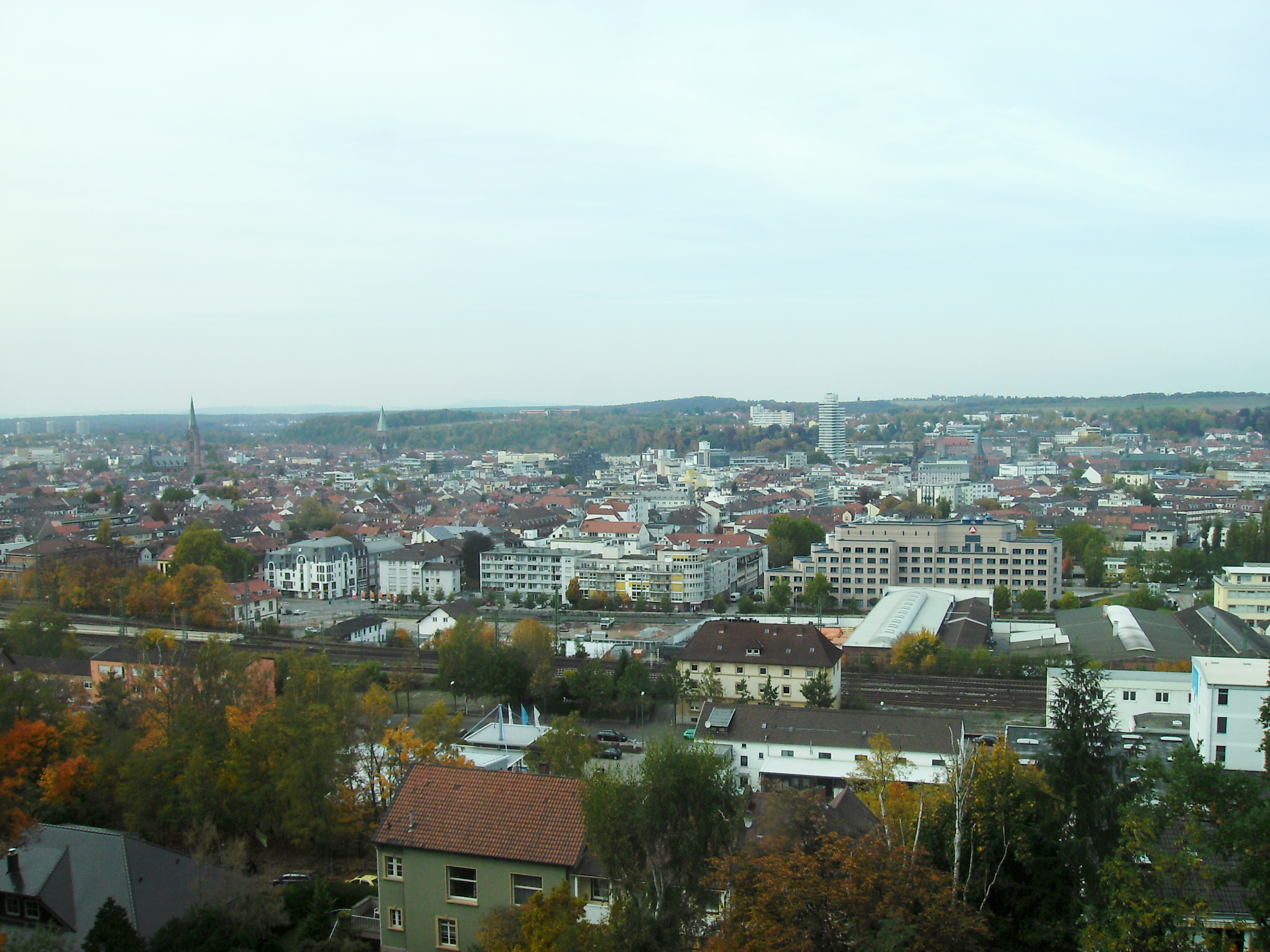
Wirtschaftsinformatik (Business Informatics) - Bachelor of Science
This Bachelor of Science program in Business Informatics (Wirtschaftsinformatik) equips you with expertise at the intersection of business administration and computer science. You will learn to bridge the gap between business needs and IT solutions, enabling you to drive innovation and digital transformation within organizations. The program focuses on practical application, preparing you for real-world challenges in the digital economy.
Wirtschaftsinformatik (Business Informatics) - Bachelor's Programs
This program focuses on the intersection of business and information technology, preparing students for roles that bridge these two fields. You will gain a comprehensive understanding of both business processes and IT systems, learning how to design, implement, and manage information systems to support organizational goals. The curriculum typically covers areas such as business administration, computer science fundamentals, software engineering, databases, business intelligence, and project management. Graduates are equipped to tackle the digital transformation challenges faced by modern organizations.
Wirtschaftsinformatik Master of Science (M.Sc.)
The Master of Science in Wirtschaftsinformatik (Information Systems) at Karlsruhe Institute of Technology (KIT) is an interdisciplinary program offering significant flexibility. While the core of the program is Information Systems, students are required to take modules from the disciplines of Computer Science, Economics, and Law. This structure allows for a highly individualized study plan, focusing on research-oriented teaching. The program is designed to equip students with a strong foundation at the intersection of these fields, preparing them for diverse career paths.
Frequently asked questions
How much does it cost to study Information Systems in Germany?
+
Tuition ranges from free to roughly €12,000 per year. Most public universities charge only a semester administrative fee, while private institutions set higher tuition rates.
Which universities offer Information Systems programmes in Germany?
+
The 14 programmes span 11 institutions including Karlsruhe Institute of Technology, Technische Universität Berlin, Fachhochschule der Wirtschaft, and Fern-Fachhochschule Hamburg.
Can international students apply to Information Systems programmes in Germany?
+
Yes. Germany actively attracts international students in technical fields, and a growing number of Information Systems programmes are offered in English or with strong English-language support.
What are typical entry requirements for Information Systems in Germany?
+
A bachelor's degree in computer science, business informatics, or a related field is generally required for master's programmes, along with German or English language certification depending on the programme language.
How do I apply to study Information Systems in Germany?
+
Many German universities use the Uni-Assist portal for international applicants, while others accept direct applications. Check each institution's admissions page for exact requirements and deadlines.