Study in Israel
Israel offers 81 programmes across 4 universities, providing a concentrated but high-quality range of study options in a country known for its strong research culture and technology-driven economy. The universities represented include Technion – Israel Institute of Technology, Hebrew University of Jerusalem, Tel Aviv University, and Ben-Gurion University of the Negev — all of which rank among the leading research institutions in the Middle East. Tuition information varies by programme; prospective students should check individual listings for current fee schedules.
Israel's higher education sector is internationally oriented, with many programmes taught in English at the postgraduate level, and strong links to global tech and biomedical industries. International applicants generally need to demonstrate academic achievement and English or Hebrew proficiency depending on the programme language. Israel's student visa process requires acceptance from a recognised institution as the first step.
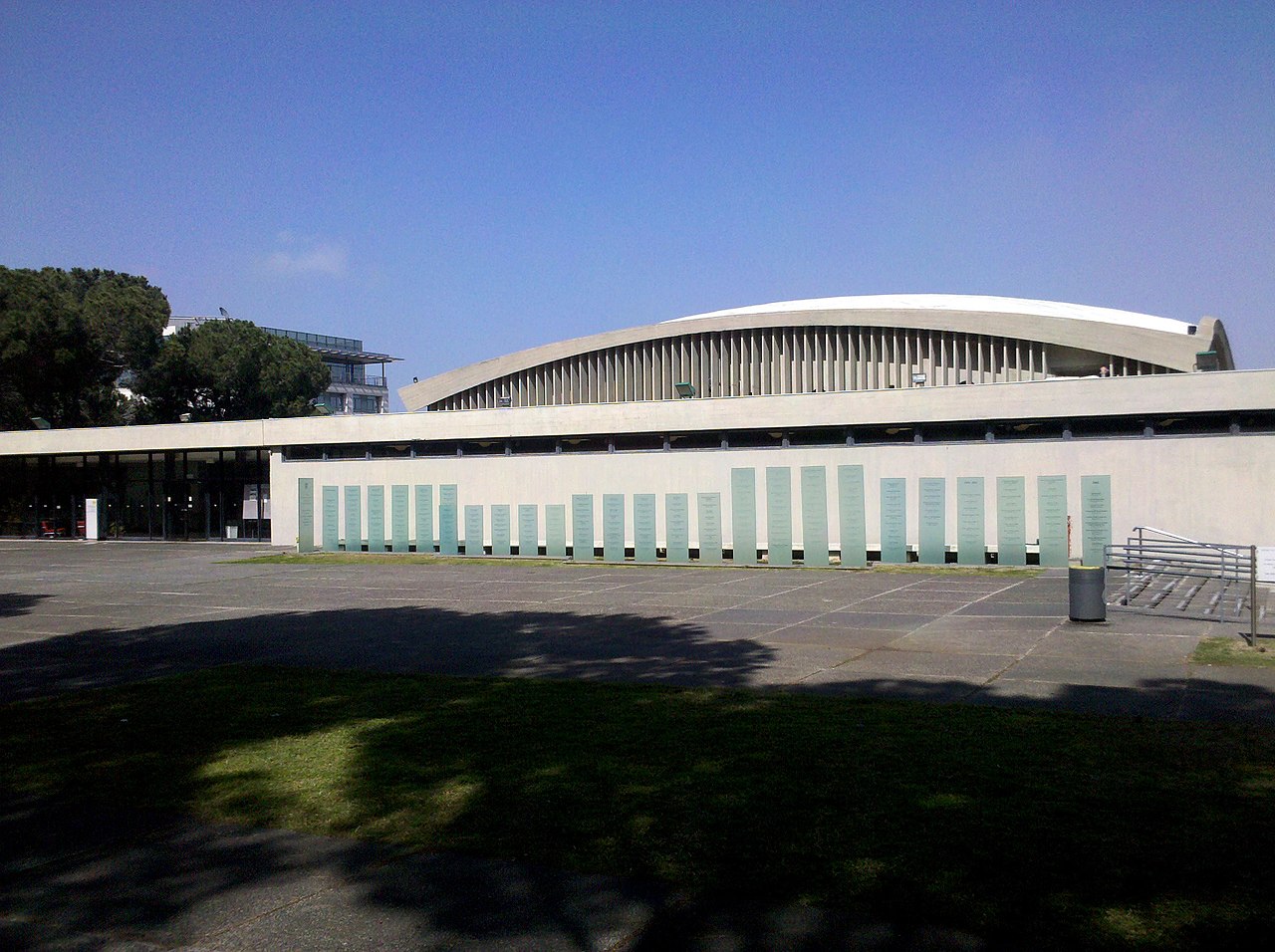
Architecture and Urban Planning
The Technion's Architecture and Urban Planning program offers a comprehensive education in design, spatial planning, and the built environment. This program aims to equip students with the skills and knowledge necessary to address contemporary challenges in urban development and architectural design. The curriculum integrates theoretical studies with practical application, encouraging innovative thinking and problem-solving. Students will engage with diverse aspects of architecture, from conceptual design to detailed planning and construction. The program emphasizes critical analysis and creative expression within the context of social, cultural, and environmental considerations. Successful graduates will be prepared for a variety of professional roles in architecture, urban planning, and related fields.
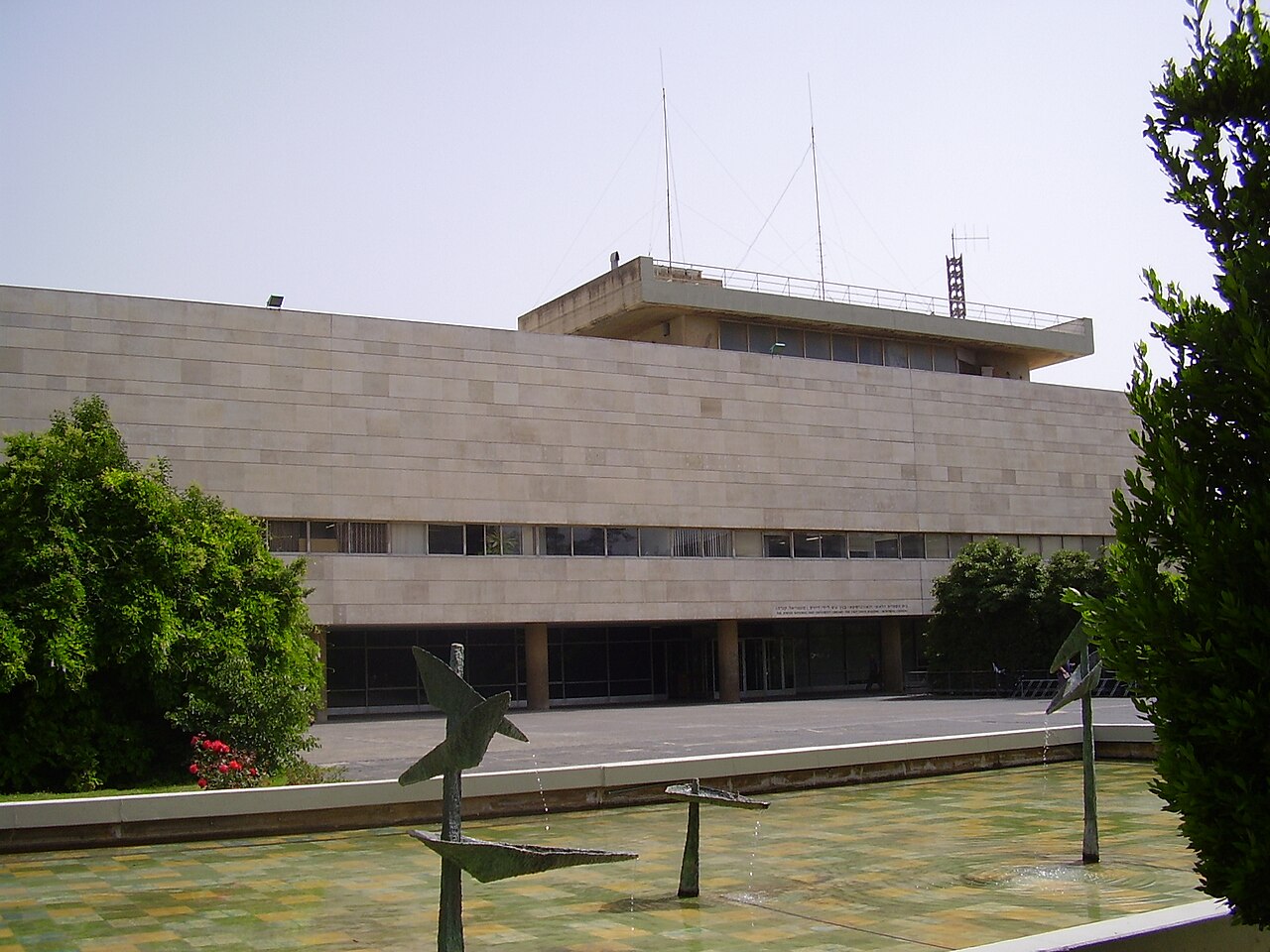
BA Communication
Bachelor of Architectural Sciences (B.Sc.)
The Bachelor of Architectural Sciences (B.Sc.) program at Technion offers a foundational education in the field of architecture and urban planning. It aims to equip students with the necessary skills and knowledge to understand and shape the built environment. The program focuses on developing creativity, observational abilities, analytical thinking, and spatial reasoning skills.
Bachelor of Laws (LLB)
Communication and Journalism
In today's world, media and communications are central to all aspects of life, from personal connections to global events. The Department of Communication and Journalism at the Hebrew University is a leading institution for studying media and communication. It is ranked first in Israel, in the top ten in Europe, and 14th globally among communication departments. The department offers programs at the Bachelor's, Master's, and Doctoral levels.
Computer Science and Engineering
The Master of Science (M.Sc.) program in Computer Science at the Hebrew University of Jerusalem offers advanced studies in a wide range of fields within computer science. The program aims to provide students with a deep theoretical understanding and practical skills to excel in research and development. The faculty is comprised of world-renowned researchers, fostering an environment of innovation and academic excellence.

Direct Ph.D. Program in Collaboration with the Center for AI and Data Science (TAD)
The Center for AI and Data Science (TAD) at Tel Aviv University offers an advanced Direct Ph.D. program for exceptional students. This program is designed for those holding a bachelor's degree in Exact Sciences, Engineering, or Life Sciences with a relevant computational background, who wish to pursue doctoral research in data science and artificial intelligence. The program aims to provide both theoretical and practical knowledge at the forefront of research, fostering a community of outstanding students and promoting interdisciplinary collaboration across various participating faculties. Students will engage in cutting-edge research and benefit from advanced courses taught by leading researchers in the field.
Doctoral Program in Communication
The doctoral program in Communication is designed for highly motivated students who wish to engage in advanced research. It aims to prepare graduates for careers in academic or applied research within the field of communication. The program focuses on dissertation-based projects, with each student guided by a faculty supervisor. A strong emphasis is placed on fostering a supportive community through regular Doctoral Forum meetings, a dedicated workspace for doctoral students, and support for attending conferences and publishing research.
Graduate Studies in Physics (M.Sc. and Ph.D.)
The Faculty of Physics at Technion offers Master of Science (M.Sc.) and Doctor of Philosophy (Ph.D.) programs with a strong research focus. The faculty is active in major areas of physics, including astrophysics, high energy physics, condensed matter physics, and biophysics. Additionally, Technion facilitates joint degree programs with engineering faculties, allowing students to pursue double degrees in Physics combined with fields like Electrical Engineering, Materials Engineering, Mathematics, and Computer Science. These interdisciplinary programs are highly regarded and attract top students. The department fosters a collaborative and intellectually stimulating environment, regularly hosting renowned international scientists for lectures. This exposure, along with opportunities to attend conferences abroad, helps students build a global network.
Hebrew University – Doctoral Studies in Law (LL.D.)
The Hebrew University Faculty of Law offers doctoral studies leading to an LL.D. degree. This program is designed for students seeking to conduct advanced legal research and contribute to the field of law through original scholarship. The LL.D. program provides a rigorous academic environment for developing research skills and producing a substantial doctoral dissertation. Students in the LL.D. program will work closely with faculty members who are leading scholars in various legal disciplines. The program emphasizes independent research, critical analysis, and the development of new insights into complex legal issues. It is an opportunity for aspiring legal academics and researchers to deepen their expertise and prepare for careers in academia, policy, or advanced legal practice.
International Bachelor's Degree Program
The International Bachelor’s Degree Program at Hebrew University offers a unique opportunity to earn a double-major degree entirely in English over three years. You can customize your education by choosing two out of three available fields of specialization: Liberal Arts, Business Administration, or English. This flexible program allows you to tailor your studies to your specific interests and academic goals. You will study with leading faculty, engage in lectures, workshops, and study tours, and immerse yourself in the vibrant academic and cultural life of Jerusalem. The program also provides a pathway to a one-year Master's degree, enabling you to complete both a BA and an MA in just four years.
Law Programs
The Hebrew University of Jerusalem's Faculty of Law offers advanced academic programs designed for students seeking to deepen their understanding of legal principles and practice. The faculty is renowned for its rigorous academic standards and its contribution to legal scholarship and policy development in Israel and internationally. Programs are structured to provide a comprehensive legal education, fostering critical thinking and analytical skills essential for success in the legal field.
LL.M. in International Law and Human Rights
The LL.M. in International Law and Human Rights is a one-year, English-taught program at the Hebrew University of Jerusalem's Faculty of Law. It is designed for law graduates (LLB or JD) seeking specialized knowledge in international legal frameworks and human rights. The curriculum covers key areas such as international organizations, conflict resolution, international criminal law, multiculturalism, and transitional justice. Students benefit from studying in Jerusalem, a location offering unique insights into contemporary conflict and human rights issues. The program aims to equip graduates for careers in law, academia, or international organizations.
M.Sc. in Computer Science
The M.Sc. in Computer Science at the Hebrew University of Jerusalem is a two-year program designed to prepare you for advanced challenges in the rapidly evolving field of computer science. It aims to deepen your understanding of computational theory and cutting-edge technologies, enhance your analytical thinking, and equip you with the skills needed for innovation. This degree is ideal whether you are pursuing a research career, aiming for a leadership role in the tech industry, or planning further doctoral studies. The program offers flexibility with a Thesis Track (30 credits) for those interested in supervised research, and a Non-Thesis Track (45 credits) for those wanting to broaden their knowledge through coursework and a final exam. Specialized tracks are available for interdisciplinary studies in Computer Science and Math, or Computer Science and Physics. Outstanding students may be eligible for scholarships, teaching assistantships, or advisor-based support, with orientation sessions to guide your academic path.
M.Sc. in Data Science
The M.Sc. in Data Science program at Technion equips students with the advanced knowledge and research skills necessary to tackle the challenges of the 21st century. In an era of rapidly increasing data, this program provides the tools to collect, manage, analyze, and interpret vast and diverse datasets across various fields such as medicine, finance, urban planning, and smart cities. The curriculum emphasizes a multidisciplinary approach, drawing from mathematics, computer science, operations research, statistics, computational learning, and more. Graduates will be prepared to develop scientific solutions for complex data-driven problems, transforming raw data into actionable insights and driving innovation.
M.Sc. in Mathematics
The MSc program at the Einstein Institute of Mathematics aims to deepen your understanding and knowledge of mathematics and introduce you to current research. This is a two-year program designed for excellent international students. The program requirements are the same as for Israeli students in the research track, requiring 30 credit points.
MA Public Policy
Master of Arts in Public Policy
The Master of Arts in Public Policy program at the Hebrew University of Jerusalem offers a comprehensive academic experience for students interested in understanding and shaping public policy. The program provides a strong theoretical foundation and practical skills necessary for careers in public service, non-profit organizations, and the private sector. Students will engage with diverse research fields and gain insights into the complexities of policy-making in a global context.
Master's Degree in Communication and Journalism
The Master's program in Communication and Journalism at Hebrew University of Jerusalem offers specialized knowledge in distinct areas of communication. Ranked among the top communication departments globally, this program allows students to focus on one of four streams: Internet and New Media; Political Communication and Psychological Processes in the Digital Era; Visual Media; or Multidisciplinary Communication Studies. Students can choose between a research track, involving thesis writing, or a non-research track focused solely on coursework. The program is primarily taught in Hebrew, with a small number of courses offered in English. Classes typically take place one day a week, but students with non-communication bachelor's degrees may require supplementary studies on other days.
Master’s Degree with a Specialization in Quantum Science & Technology
The Technion’s Faculty of Physics offers a Master of Science degree with an optional specialization in Quantum Science & Technology. This specialization allows students to receive an addendum to their diploma, signifying their expertise in this cutting-edge field. To be eligible, students must fulfill all requirements for the Master of Science in Physics and complete the specific academic requirements for the specialization. Crucially, the research for the Master's thesis must be within the domain of Quantum Science and Technology.
Mathematics
The Master of Science (M.Sc.) program in Mathematics at the Hebrew University of Jerusalem offers advanced study and research opportunities for students seeking to deepen their knowledge in various fields of mathematics. The program is designed to build upon undergraduate foundations, providing a rigorous curriculum that prepares students for doctoral studies or professional careers in mathematics and related quantitative fields. Students will engage with leading faculty and contribute to the vibrant research community at the university.

MSc Computer Science
PhD in Computer Science and Engineering
The PhD program at the Rachel and Selim Benin School of Computer Science and Engineering is the most advanced level of academic study. It is designed for students who wish to deepen their knowledge in a chosen subfield through independent research, aiming to make significant contributions to their field. The school offers a wide range of research topics, supported by world-renowned researchers, providing diverse opportunities for PhD theses in Computer Science, Bio-medical Engineering, and related areas. The program involves choosing a PhD advisor and a research field. A significant portion of the study focuses on identifying research questions and exploring theoretical and practical answers under the advisor's guidance. Students are also required to complete 12 units of advanced courses to enhance research preparation and broaden knowledge in relevant fields. Opportunities exist for students to be employed as research assistants, receiving a fellowship and gaining a different perspective on academia. A research committee monitors student progress, approving the research plan and meeting at least once more during the program. The program culminates in the submission of a thesis, written to professional literature standards, summarizing the research. The school emphasizes the quality of theses, many of which have led to scientific breakthroughs. Graduates typically pursue careers in scientific research at universities or in industry.
PhD in Mathematics
The Einstein Institute of Mathematics at The Hebrew University invites outstanding international students to apply for its PhD program. This program is designed to cultivate the next generation of leading mathematicians within a stimulating academic environment. Students benefit from weekly seminars, special lecture series on contemporary mathematical topics, and opportunities for scientific exchange with visiting researchers from Israel and abroad. The institute also organizes thematic years and workshops in collaboration with the nearby Israel Institute of Advanced Studies, offering a rich platform for learning and research.
PhD in Public Policy
The Hebrew University of Jerusalem offers a PhD program in Public Policy designed for students seeking advanced research training. There are two admission tracks: Research Student and Complementing Student (pre-doctoral for those without a completed MA thesis). The application process is managed by the Authority for Research Students, with admissions committees reviewing applications twice a year. International students will have their degrees evaluated by the Authority for Research Students to determine Israeli equivalents. Applicants whose first language is not English may need to obtain an exemption from English studies within two years of starting their program.
PhD Mathematics
PhD Public Policy
Philosophy
Tel Aviv University offers a Master's degree program in Philosophy. The program focuses on developing advanced critical thinking and analytical skills within the field of philosophy. It aims to provide students with a comprehensive understanding of philosophical concepts, theories, and methodologies, preparing them for further academic pursuits or careers requiring strong intellectual capabilities.
TAD Excellence Program for Doctoral Students in Artificial Intelligence and Data Science
The TAD Excellence Program is a doctoral program at Tel Aviv University designed for outstanding PhD students specializing in Artificial Intelligence (AI) and Data Science (DS). It aims to foster advanced research and provide an interdisciplinary academic experience. The program welcomes students from all faculties whose research significantly involves AI or DS, with a preference for those focusing on core AI/DS topics or interdisciplinary work.
The Copernican Model of the Planetary System - The Heliocentric Model
This program explores the revolutionary heliocentric model of the solar system, first proposed by Nicolaus Copernicus. It contrasts this with the earlier geocentric model of Ptolemy, explaining how Copernicus's theory, detailed in his book 'De revolutionibus orbium coelestium,' offered a simpler, though initially observationally indistinguishable, explanation of planetary motion. The program delves into the scientific reasoning behind the heliocentric model, including the apparent daily movement of stars explained by Earth's rotation and the sun's central role in providing light and heat. It also touches upon the historical context, including religious and scientific objections to Copernicus's theory, and how figures like Galileo and Newton contributed to the eventual acceptance of the heliocentric view. Through historical texts and discussions, this program aims to provide a comprehensive understanding of one of the most significant paradigm shifts in scientific history. It highlights the intellectual journey from ancient astronomical traditions to the groundbreaking work of Copernicus and his successors.
The Pendulum Clock
This program delves into the principles and history of the pendulum clock. You will explore the fundamental law of pendulums, understanding how their equal and constant swing periods, for small arcs, form the basis of accurate timekeeping. The course will cover the essential components of a clock or watch, focusing on the escapement mechanism. This critical device translates the periodic motion of the pendulum into the uniform circular motion of gears and hands. You will learn how the escapement regulates the wheel's movement, receives impulses to maintain the pendulum's swing against friction, and how this motion is ultimately displayed as time.
Undergraduate and Graduate Programs at Ben-Gurion University of the Negev
Ben-Gurion University of the Negev (BGU) offers a wide range of undergraduate and graduate programs across various disciplines. Located in Beer-Sheva, Israel, BGU is committed to academic excellence, research innovation, and community engagement. The university provides a vibrant campus environment and supports students through various resources, including international student services, housing, and career development. BGU is a comprehensive research university with faculties covering humanities, social sciences, natural sciences, engineering, health sciences, and management. The university encourages interdisciplinary studies and research, fostering a dynamic academic atmosphere. International students are welcomed and supported throughout their academic journey, from application to graduation.
Undergraduate Programs at Tel Aviv University
Tel Aviv University offers a wide range of undergraduate programs for international students. The admissions process is based on a combination of your high school matriculation (Bagrut) average and, for some programs, the psychometric entrance exam score. The university uses a 'Suitability Score' to evaluate candidates, which is calculated using a specific formula that considers your academic achievements and, if applicable, your exam results. Each program has specific academic and, in some cases, prerequisite requirements. The university provides tools and detailed instructions on its website to help you calculate your Bagrut average and your Suitability Score. It's important to check the specific requirements for the program you are interested in, as these can vary and may be updated annually. International students interested in studying at Tel Aviv University are encouraged to explore the available programs and familiarize themselves with the admission criteria and application procedures. The university aims to provide a supportive environment for its diverse student body.
Frequently asked questions
How much does it cost to study in Israel?
+
Tuition varies by programme — check each listing for current fees. Costs differ significantly between undergraduate and postgraduate levels and between domestic and international students.
Which universities offer programmes in Israel?
+
The four universities listed are Technion – Israel Institute of Technology, Hebrew University of Jerusalem, Tel Aviv University, and Ben-Gurion University of the Negev.
Can international students study in Israel?
+
Yes. Many Israeli universities offer English-taught programmes and actively recruit international students. A student visa is required, obtained after receiving an official acceptance letter.
What are typical entry requirements for study in Israel?
+
Requirements vary by institution and programme, but generally include academic transcripts, proof of language proficiency (English or Hebrew), and a statement of purpose for postgraduate applications.
How do I apply to a university in Israel?
+
Applications are submitted directly to each university's admissions office. Each institution has its own application portal and deadlines, so it is recommended to begin the process at least six months in advance.