Study in Netherlands
The Netherlands offers 637 programmes at 36 universities, with a well-earned reputation for English-taught degrees that draw students from across Europe and beyond. Leading institutions such as Universiteit Leiden and Rotterdam School of Management are complemented by applied-sciences universities like Fontys University of Applied Sciences and Zuyd University, offering both research-focused and practice-oriented pathways.
Tuition ranges from free at some programmes to roughly €22k per year. Wittenborg University and the International Institute for Geo-Information Science and Earth Observation (ITC) highlight the country's international orientation and niche specialisms. The Netherlands' compact geography, high English proficiency, and strong graduate employment rates make it one of Europe's most popular study destinations for international students.
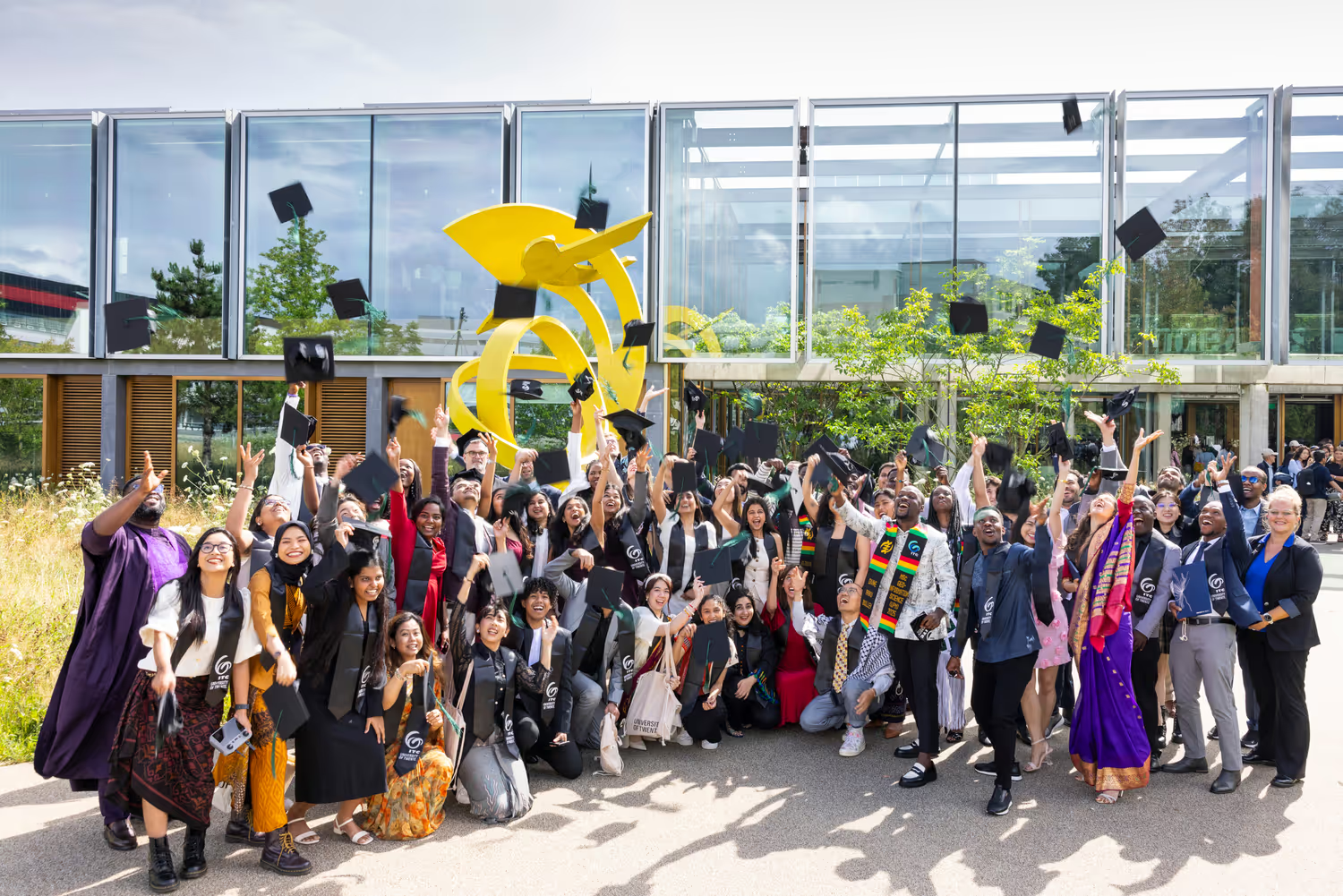
A New Way to Map Small-Scale Irrigation Areas
This program focuses on identifying and mapping small-scale irrigation areas, a critical task for effective water resource management and food security. It introduces a novel method that combines high-resolution multispectral time-series satellite imagery with digital elevation model (DEM) analysis and expert local knowledge. This approach is particularly useful in complex topographic and semi-arid environments, offering a more accurate way to delineate irrigated land compared to previous methods. The method was developed and tested in the Zamra catchment in Ethiopia, a region prioritizing agricultural irrigation expansion to improve livelihoods and food security. The course will delve into the steps involved in this new approach, including setting expert-defined thresholds for various geographic and spectral data, applying a random forest classifier for mapping, and characterizing different irrigation scheme types. By learning this technique, participants can contribute to better water management strategies and support food security initiatives. The course also touches upon the importance of utilizing publicly available satellite data and cloud services for hydrological analysis.
A Survey of Active Learning for Quantifying Vegetation Traits from Terrestrial Earth Observation Data
This study explores the use of Active Learning (AL) techniques to improve the analysis of Earth Observation (EO) data for monitoring vegetation. As satellite data streams increase, efficient methods are needed to translate this data into useful information about vegetation properties. The research focuses on hybrid retrieval approaches, which combine physical models (Radiative Transfer Models) with machine learning algorithms. AL can help by intelligently selecting the most informative data samples for training these algorithms. The paper summarizes AL theory, reviews its application in EO, and presents a case study demonstrating how AL can enhance the accuracy and speed of estimating vegetation traits like leaf pigment and water content. The findings suggest that AL-based sampling is a valuable method for optimizing regression accuracy, reducing processing time, and facilitating data analysis for vegetation monitoring.

Academia 2 Entrepreneurial Impact (A2EI)
The Academia 2 Entrepreneurial Impact (A2EI) course is designed to equip PhD candidates with essential entrepreneurial skills to enhance the real-world impact of their research. This hybrid program fosters innovation, interdisciplinary thinking, and provides the knowledge and mindset needed to translate research into value. It's ideal for researchers at any stage of their PhD who want to explore career paths beyond academia, such as in industry, startups, or consulting, or to develop leadership and problem-solving abilities within research settings. The course emphasizes experiential learning and peer-to-peer exchange with international researchers. Offered in collaboration with UNIC universities, this course is taught by experts from the Erasmus Centre for Entrepreneurship (ECE) and guest facilitators from partner institutions in Germany, Belgium, Poland, and Spain. It complements other entrepreneurship courses by offering a more extensive and hands-on experience, focusing on practical application and the development of an entrepreneurial mindset to drive change and create value through research.
Academic Program Healthcare Management
The Academic Program Healthcare Management is designed for directors, policymakers, and managers within the healthcare sector, aiming to enhance their knowledge and professional skills. This program focuses on strategic decision-making and operational excellence in healthcare. The curriculum covers essential areas such as strategic management, human resource management, healthcare logistics, risk management, financial management, and strategic marketing. Delivered over six intensive days by expert instructors, the program includes individual assignments that allow participants to receive feedback on their own organizational policies.
Accountancy

Accountancy
This Bachelor's program in Accountancy provides a comprehensive education for students aspiring to become qualified accountants. You will learn the ins and outs of financial reporting, auditing, taxation, and business economics. The program focuses on developing both theoretical knowledge and practical skills, preparing you for a dynamic career in the financial sector. The curriculum is designed to equip you with the analytical and problem-solving abilities needed to interpret financial data, advise businesses, and ensure financial compliance. You will gain insights into various accounting standards and practices, as well as the ethical responsibilities of an accountant. The program emphasizes critical thinking and a proactive approach to financial management. Graduates are well-prepared for roles in accounting firms, corporate finance departments, and governmental organizations. The degree serves as a strong foundation for further specialization, including post-bachelor programs to become a certified accountant (AA).
Advanced Computing and Systems (MSc)
Advanced Computing and Systems (MSc)
This Master of Science specialization focuses on the computer systems of the future, including high-performance computing for processing large data volumes, cloud and distributed systems for data analysis, and embedded systems integrated with sensors for environmental responsiveness. It provides a strong foundation in computer science, preparing students for research or industrial careers. The program offers advanced topics with a unique specialization in computing systems, building on Leiden University's research expertise. Students can also explore related areas like Foundations of Computing, Artificial Intelligence, and Data Science, tailoring their studies to future-oriented technological demands.
Advanced Course on Legal Research Methodologies
This three-day intensive course is designed for early career researchers and PhD candidates in law, providing a practical foundation in doctrinal and interdisciplinary legal research methodologies. It will equip participants with the skills to design their research projects, formulate clear research questions, select appropriate methods, and identify relevant sources. The course also explores how to effectively integrate insights, theories, and methods from other disciplines like ethics and political sciences into legal research. Through interactive sessions, participants will engage with topics such as the significance of legal research methodologies, the execution of doctrinal research, and comparative law. The course emphasizes the enrichment of doctrinal research through empirical studies and the humanities, discussing when and how to incorporate these approaches. Participants are expected to prepare by reading provided materials and submitting descriptions of their research projects for feedback. Individual tutorials can also be scheduled with the instructors.
Advanced Management and Leadership Programme
This intensive management course is designed for experienced business professionals to enhance their critical thinking and leadership skills. The program aims to equip participants with the tools and insights needed to adapt, thrive, and succeed in a dynamic business environment. Through a combination of classroom learning, peer interaction, and practical application, you will develop greater self-awareness, strengthen your understanding of key strategic and financial concepts, and master leading-edge leadership practices. The goal is to foster transformational leadership that benefits both personal career development and organizational growth.
.jpg?sfvrsn=9b4a4f13_3)
Advanced Management Program (AMP)
The Advanced Management Program (AMP) is designed for executives, directors, and entrepreneurs facing the challenges of navigating continuous change and disruption. This program provides a dedicated space to step back from daily operations, gain new insights, acquire knowledge, and reflect on your strategic direction and impact. You will deepen your understanding of strategic themes, refine your leadership style, and translate current developments directly into actionable plans for your organization.
Advanced Technology BSc
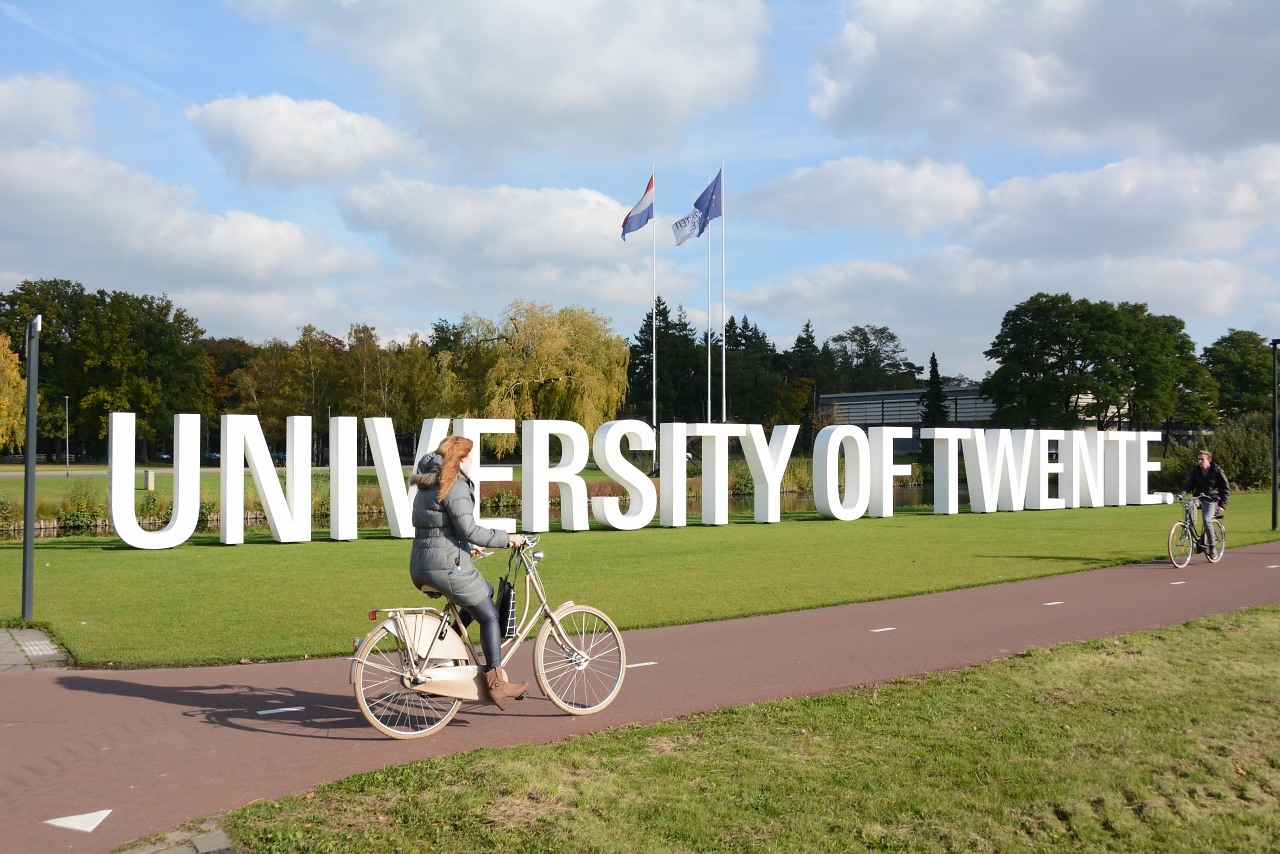
The Bachelor's in Advanced Technology at the University of Twente is a unique program for students interested in a broad range of science and engineering disciplines. Instead of focusing on a single field, this program allows you to explore various technical areas, building a personalized profile of expertise. You'll gain a comprehensive understanding of different technological fields, enabling you to connect and contribute across disciplines. This interdisciplinary approach is designed to equip you with versatile skills and a broad perspective, preparing you for diverse career paths.
African Studies
This Bachelor's program in African Studies offers an orientation towards the humanities, allowing students to specialize in one of three tracks: History and Anthropology, Literature and Film (Art), or Linguistics. It's also possible to combine two tracks. The program includes the study of Berber and Swahili languages over three years, as well as a language of the student's choice for their study abroad period. The first year is common for all students, focusing on foundational knowledge and developing digital research and publication skills. After the first year, students choose their specialization track(s). In the third year, students engage in a practice-oriented project in the first semester, applying their acquired skills to a real-world theme and producing a tangible outcome.
African Studies (BA)
The African Studies BA programme at Leiden University offers a multidisciplinary approach to understanding the African continent. With Africa playing an increasingly significant role in global developments, this program explores its diverse cultures, histories, languages, and societies from an Africa-centric perspective. You'll gain in-depth knowledge by examining the continent through various humanities disciplines, fostering a critical understanding of both internal dynamics and external perceptions.
African Studies (MA)
The Master's in African Studies at Leiden University offers a comprehensive exploration of Africa's diverse cultures and societies. This one-year program combines in-depth academic study with practical, research-based learning. You will engage with Africa from multiple disciplinary perspectives, including history, anthropology, literature, politics, and economics, developing a strong methodological foundation. The curriculum is structured around six cross-cutting themes designed to foster critical analysis of current events from a global viewpoint, alongside an introduction to various research methods.

Agrarisch Ondernemerschap Dier- en Veehouderij
The Bachelor of Agricultural Entrepreneurship in Animal Husbandry and Livestock Management at Aeres Hogeschool Dronten is designed for students who aspire to take over or start their own agricultural business. This four-year full-time program focuses on independent entrepreneurship, innovation, and professional skills within the livestock sector. Students will gain comprehensive knowledge of current industry challenges, such as environmental impact (e.g., nitrogen emissions), and learn effective collaboration strategies within an agricultural business context. Located in Dronten, the program offers a practical and immersive learning experience. It emphasizes exploring the diverse aspects of farming and animal husbandry, preparing graduates to manage a modern livestock enterprise successfully. The curriculum integrates theoretical knowledge with hands-on practice, ensuring students are well-equipped for the future of the agricultural industry.
Agrarisch Ondernemerschap Tuinbouw & Akkerbouw
Are you dreaming of taking over your family's agricultural business or starting your own farm? The Bachelor's in Agrarisch Ondernemerschap Tuinbouw & Akkerbouw (Agricultural Entrepreneurship Horticulture & Arable Farming) at Aeres Hogeschool Dronten is designed for ambitious students ready to become independent entrepreneurs in the horticulture and arable farming sectors. This program combines theoretical knowledge with extensive practical experience, preparing you for the realities of modern agricultural business. You will gain expertise in innovation, sustainable farming methods, and essential business management skills. The curriculum includes hands-on training at the university's modern practical facilities, where you will work with new technologies. Whether your goal is to manage your own farm or to become an advisor in the agri-food business, this program provides the comprehensive knowledge and support needed to achieve your career aspirations.
Agribusiness Development
The Master in Agribusiness Development is a professional master's degree designed for students with a business-oriented bachelor's degree seeking to deepen their expertise in innovation and strategic management within the international agrifood sector. This program addresses the growing demand for highly skilled professionals who can navigate complex, cross-sectoral challenges facing the agribusiness industry. Graduates will be equipped to help companies implement strategic changes, understand the necessary resources, and effectively manage organizational transformation. The program is offered in both a one-year full-time format and a two-year part-time format, providing flexibility for students to combine their studies with work or family commitments. The curriculum blends theoretical knowledge with practical application through case studies, applied projects, and excursions. Students receive guidance from experienced faculty and industry mentors, ensuring both academic and practical support throughout their studies.
AgroEcological Transitions: Changes and Breakthroughs in the Making
This publication explores the dynamic field of agroecological transitions, focusing on system innovations, knowledge regimes, and design practices essential for sustainable agriculture. It stems from the second 'System Innovation towards Sustainable Agriculture' (SISA) workshop, held in Paris in 2014, which brought together researchers and practitioners to share insights and experiences. The collection of papers examines various approaches to analyzing and governing sustainability transitions in agriculture. It aims to provide a basis for effective strategies that can stimulate the development of more sustainable agro-food systems. The work considers diverse agricultural sub-sectors and emerging innovations, investigating how different actors can influence these transitions.
Agrotechniek & Engineering
The Agrotechniek & Engineering program at Aeres Hogeschool Almere focuses on technological innovation within the agricultural sector. This unique bachelor's degree combines mechanical engineering, mechatronics, robotics, and automation to develop smart technical solutions for agricultural businesses and address global food production challenges. You will learn to design and build agricultural machinery, automate processes like sustainable crop protection, and integrate soil and cultivation knowledge into technical systems. The program emphasizes designing, developing, and automating at the intersection of agriculture and technology. Graduates are highly sought after in the industry for their dual expertise in both agricultural and technical fields, giving them a significant advantage in the job market. This four-year full-time program is based in Dronten and prepares you for a future where you will contribute to innovative solutions in agriculture. You will gain hands-on experience and work on real-world projects, preparing you to tackle complex issues related to sustainability, climate, and food production.
Agrotechniek & Management
The Agrotechnology & Management program is designed for students passionate about the intersection of agricultural technology and business. You will explore cutting-edge developments in precision agriculture, robotics, GPS, and data analysis, learning how to bridge technology with entrepreneurial skills. The curriculum focuses on data management, mechatronics, and strategic business management within the agricultural sector, preparing you for a dynamic career. This four-year Bachelor's degree, taught in Dutch, is located in Dronten and emphasizes practical experience. You will gain insights into both technical solutions and their associated business models, making you a highly versatile professional ready for the evolving agricultural industry.

AI for Health (Medical informatics)
The AI for Health track is part of the Master's Programme in Medical Informatics at the University of Amsterdam. This programme focuses on applying advanced Artificial Intelligence (AI) techniques to solve complex problems in healthcare. You will explore areas such as deep learning, reasoning, natural language processing, image processing, and predictive modeling, all within a medical context. Designed for full-time study over two years, the track combines theoretical knowledge with practical application. You'll gain extensive knowledge about AI and learn how to implement this technology effectively in various healthcare settings, preparing you for a career at the intersection of AI and medicine.
Air and Space Law (Advanced LL.M.)
The Advanced LL.M. in Air and Space Law is an intensive one-year master's programme that delves into the complex legal frameworks governing aviation and space activities from both international and European perspectives. You will explore critical issues such as passenger safety, accident investigation, environmental protection, drone usage, fair competition, the sustainability of space exploration, and the militarisation of outer space. This unique programme offers a solid legal foundation taught by leading experts in academia and legal practice, preparing you to address contemporary challenges in this dynamic field.
Algebra, Geometry and Number Theory (MSc)
This Master's specialisation in Algebra, Geometry and Number Theory delves into the fundamental structures of pure mathematics, exploring areas like number theory, geometry, discrete dynamical systems, and arithmetic geometry. You will engage with advanced algebraic methods, computational aspects, and have the flexibility to tailor your studies through elective courses in fields such as algebraic number theory, algebraic geometry, and cryptology. The program is closely aligned with current research at the Mathematical Institute, offering opportunities to work on cutting-edge topics.
AMFI Amsterdam Fashion Institute (English)
AMFI: Amsterdam Fashion Institute (English Programme)
The AMFI (Amsterdam Fashion Institute) offers an English-taught Bachelor's program focused on fashion. This program aims to equip students with the knowledge and skills needed to succeed in the dynamic fashion industry. Students will explore various aspects of fashion, from design and production to marketing and branding, within a practical and creative learning environment.
Analysis of Reservoir and Steam Flow Data in Olkaria Domes Geothermal Field, Kenya
This research focuses on the performance of the Olkaria Domes Geothermal Field in Kenya, examining reservoir conditions and steam production between 2019 and 2023. The study specifically analyzes key wells that supply power to Olkaria IV, Olkaria V, and nearby wellhead power plants. Data indicates stable wellhead pressures and discharge enthalpies, typical for a high-temperature geothermal system, with reinjection rates helping to maintain reservoir pressure. However, the research also identified signs of cooling and dilution in certain wells, evidenced by decreased enthalpy and silica concentrations. This suggests that the colder fluids being reinjected may be encroaching into the reservoir. The study utilized discharge test data and pressure logging to analyze mass flow rates, pressure trends, and thermodynamic conditions. The findings highlight the critical need for ongoing monitoring of the geothermal reservoir and optimizing reinjection strategies. These measures are essential to prevent long-term pressure depletion and thermal degradation, ensuring the sustained supply of steam and the long-term viability of geothermal energy production at the Olkaria Domes field.
Ancient History: Empires, Societies and Cultures (MA)
Ancient History: Empires, Societies and Cultures (MA)
This Master's program delves into the political, social, and cultural dynamics of the Graeco-Roman world, specifically between 400 BC and AD 400. You will explore the development of empires, from the Hellenistic kingdoms to the Roman Empire, and understand how imperial rule influenced local cultures, religions, and identities. A unique aspect of this program is its focus on documentary and artefactual evidence, such as inscriptions, papyri, coins, and material culture. This approach allows you to access perspectives beyond elite narratives and examine how empires both shaped and were shaped by diverse societies, leading to outcomes of unification and cultural diversity.
Ancient Near East Studies
Leiden University offers Master's and PhD programs focused on the Ancient Near East, building on a long tradition in the field within the Netherlands. These programs provide in-depth training in ancient languages, scripts, history, and archaeology of regions including Mesopotamia, Anatolia, Egypt, and the Levant. Students benefit from close collaboration with the Netherlands Institute for the Near East (NINO) and the Faculty of Archaeology, renowned worldwide. The MA in Assyriology, taught in English, is a one-year program within the Classics and Ancient Civilizations framework, offering foundational and advanced training. The Research MA in Assyriology prepares students for academic careers. PhD candidates can pursue research in Assyriology or related area studies through the Faculty of Humanities' graduate school. The Faculty of Archaeology offers specializations in Western Asia, with a strong track record in fieldwork across the region. Students can engage in archaeological heritage, sciences, and area studies through Bachelor's, MA Global Archaeology, and Research MA programs. Collaboration with NINO and the National Museum of Antiquities (RMO) enhances the student experience.
Ancient Near Eastern Studies (BA)
This Bachelor's program focuses on the ancient cultures surrounding the Mediterranean Sea. You will explore diverse civilizations from regions like Ancient Egypt, Mesopotamia, and Anatolia, alongside their languages and cultures, including Hebrew and Aramaic. The program is taught entirely in Dutch.
Animal and Livestock Husbandry
The Animal and Livestock Husbandry program at Aeres Hogeschool Dronten is designed for students passionate about dairy farming and other livestock sectors. This program prepares you to become an advisor to entrepreneurs in areas such as animal nutrition, breeding, health, economics, and stable design. You will learn to develop the livestock sector in a sustainable and socially acceptable manner, with ample freedom to specialize in animal species or farm systems that interest you. The curriculum offers opportunities for in-depth study into future-oriented farming diversity. This four-year Bachelor's degree focuses on practical application and industry collaboration, ensuring you gain relevant knowledge and skills. Through various modules and practical experiences, including internships, you will be equipped to address the challenges facing the modern agricultural sector. Located in Dronten, the program benefits from close proximity to Aeres Farms, the university's practical location, where students can engage in hands-on learning, experimentation, and research. This direct link to real-world farming environments enhances the educational experience and prepares graduates for diverse career paths in the sector.
Animation
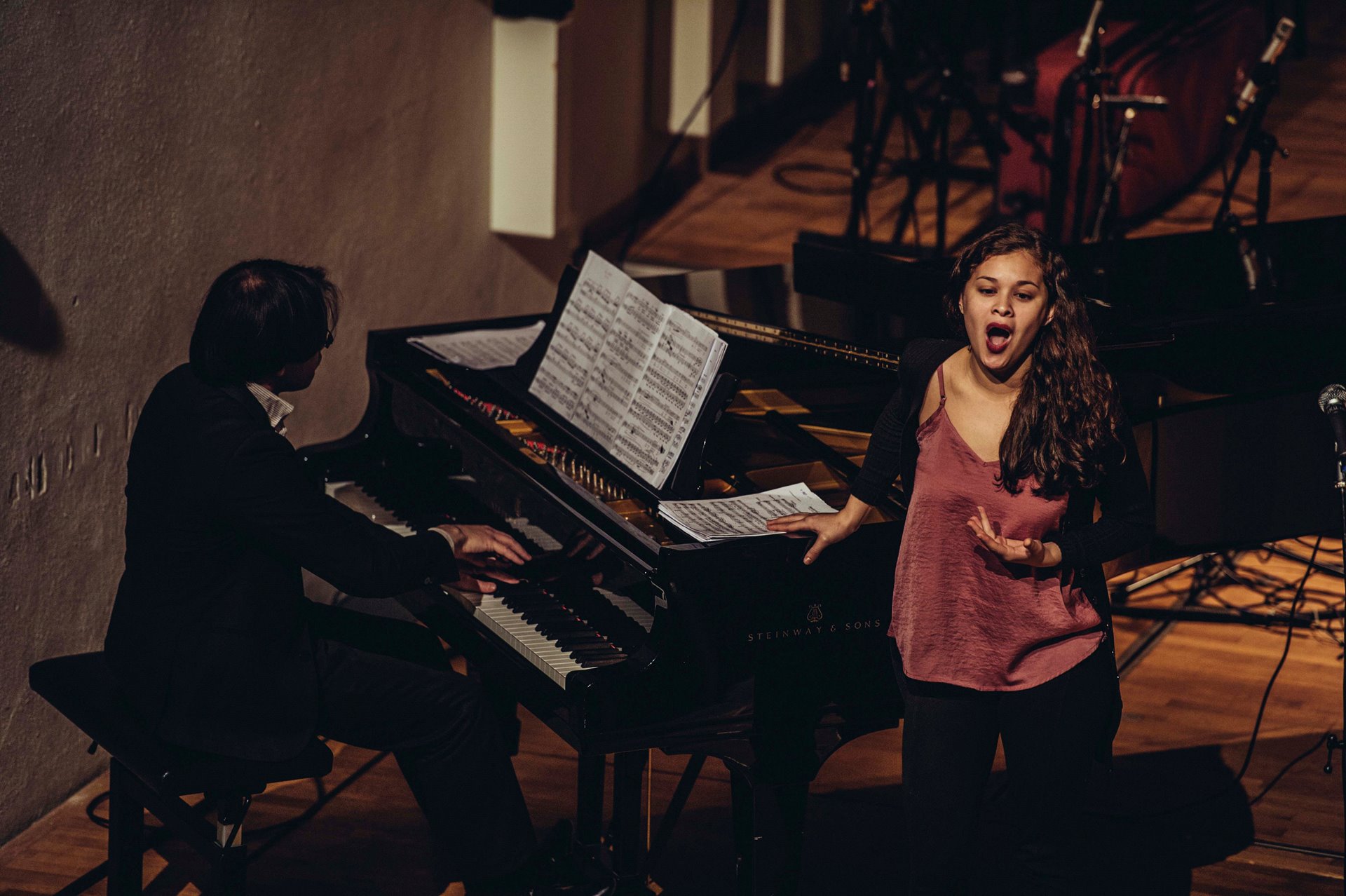
The Bachelor of Arts in Animation program at HKU University of the Arts Utrecht focuses on bringing 2D and 3D images to life. You will learn to develop your own unique style in animation concepts, designs, and narrative forms, with a strong emphasis on the nuances of timing and character acting. The curriculum covers the entire animation production pipeline, from initial concept development and storyboarding through to editing and sound post-production. This program is ideal for students who are passionate about creating animations, transforming ideas and stories into moving images, and have a keen interest in storytelling, visual composition, and design. It suits individuals with a broad cultural and societal awareness, who enjoy teamwork, effective communication, and the desire to convey information clearly. HKU offers a unique opportunity to work on short animations both independently and collaboratively. The 3D specialization, one of the few in the Netherlands, heavily emphasizes group projects and real-world industry experience, including collaborations with external clients. Students also have the chance to create films for the BNN-VARA television program ‘Twee voor Twaalf’ and potentially have their work featured in major film events like the Lowlands film program, the Netherlands Film Festival's student competition, and animation festivals such as Playgrounds and Kaboom.
Applied AI
The Applied AI program focuses on the practical and responsible application of Artificial Intelligence (AI) in various fields. Rather than developing new AI technologies, the program emphasizes using AI as a tool to create meaningful solutions. Through co-creation with educational institutions, researchers, businesses, and civil society, the program aims to design, develop, and implement AI applications that benefit companies and communities.
Applied Anthropology (Cultural and Social Anthropology)
The Master's track in Applied Anthropology is designed for students passionate about using anthropological insights to address real-world challenges faced by governments, companies, and NGOs. This program emphasizes in-depth fieldwork and the crucial skill of translating complex research findings into clear, actionable recommendations for non-academic audiences. You will engage with contemporary applied anthropological theory and methods, developing creative solutions for partner organisations. Students in this program have previously tackled diverse questions, such as how museums can enhance visitor diversity, how municipalities can effectively support grassroots green initiatives, and how fishing communities navigate land reclamation projects. The program fosters a close-knit community through peer work and collaborative activities, encouraging students to take initiative and apply their knowledge to practical situations. The University of Amsterdam's Anthropology program is highly regarded, ranking among the top 15 worldwide according to the QS World University Rankings by Subject 2026.
Applied Archaeology (MA)
The Master's specialisation in Applied Archaeology at Leiden University is designed to provide a strong foundation for a professional career in archaeology. This program is a collaborative effort between Leiden University and Saxion University of Applied Sciences, offering a unique blend of theoretical knowledge and practical application. You will learn to conduct critical and reflective research within a professional context, understand the relationship between archaeology and heritage management, and apply various research and excavation methods. The program emphasizes developing professional advice based on research findings, considering academic, societal, ethical, and financial aspects of projects, and effectively communicating archaeological information to diverse stakeholders. It also aims to equip you to contribute to societal discussions and the future of the field. This specialisation allows you to tailor your studies to your personal interests, choosing a career profile and regional focus that aligns with your goals. You can choose to complete assignments and your graduation project in either English or Dutch. The program offers a flexible path, enabling you to focus on fieldwork, policy-making, public archaeology, or heritage management, with an obligatory internship included in the Applied Archaeology profile.
Applied Cognitive Psychology (MSc)
This Master of Science (MSc) specialisation focuses on applying psychological knowledge to real-world challenges in professional and organisational settings. You will gain practical and academic skills to improve human performance, decision-making, and well-being. The program explores how people think, learn, and act, and how to support these processes through research, design, and interventions. It emphasizes translating theory into practice with hands-on experience from the start. Key areas of application include optimising cognitive abilities across age groups, designing environments for focus and safety, creating user-friendly tools and interfaces, developing accident-prevention programs, and advising organisations on human performance in sectors like education, industry, and healthcare. You will also study the impact of external factors like fatigue and stress on human functioning. The program offers a unique, integrative approach combining theory with realistic case studies, preparing you for a wide range of careers.
Applied Data Science & Artificial Intelligence
This bachelor's program focuses on Applied Data Science and Artificial Intelligence. You will explore how data and algorithms can be used to solve real-world problems, such as helping doctors detect diseases early or developing intelligent systems for energy needs. The program also examines the societal impact of AI. Taught entirely in English, this degree prepares you for an international working environment.
Applied Data Science & Artificial Intelligence (ADSAI)
This Bachelor's program focuses on Applied Data Science and Artificial Intelligence (ADSAI), combining technical skills in data and algorithms with an understanding of AI's societal impact. You'll learn to design intelligent systems, explore the ethical considerations of AI, and understand the interactions between humans and machines. The program is ideal for those who want to merge engineering principles with the human aspects of technology, preparing you for an international working environment as it is taught entirely in English.
Applied Gerontology
Fontys University of Applied Sciences offers an Undergraduate program in Applied Gerontology. This program trains full-time and part-time students in gerontology and its practical application. Students learn to develop and implement products and services aimed at improving the quality of life for older adults. The educational approach emphasizes learning through practice. A significant part of the program involves working on authentic projects for real organizations within the local community. One ongoing project focuses on researching loneliness among older adults, involving a network of community organizations that collaborate closely with the university.
Applied Mathematics
The Bachelor's in Applied Mathematics at the University of Twente focuses on using mathematical insights to solve complex, real-world problems. You will gain a strong theoretical foundation in mathematics while developing practical skills to model, analyze, and find solutions for societal challenges in areas like climate, traffic, economy, and healthcare. The program emphasizes the practical application of mathematics, equipping you to reduce complex issues to their mathematical essence. You'll explore how mathematics is integral to many fields and how to provide solutions across diverse domains. A significant aspect is the integration of Artificial Intelligence (AI), where you will learn about mathematical modeling, data analysis, and optimization techniques essential for understanding and improving AI systems, including hands-on experience with coding and neural networks. University of Twente promotes an interdisciplinary approach, encouraging collaboration with students and professionals from various fields, preparing you for diverse and international career paths. The program is known for its personal and informal learning environment, offering individual attention and support from lecturers, fostering both professional and personal growth.
Applied Neuroscience in Human Development
This Master's program focuses on the application of neuroscience to understand human development across the lifespan. It explores how brain development influences behavior, learning, and emotional well-being, with a particular emphasis on the early years. The program combines theoretical knowledge with practical research methods, equipping students with the skills to investigate developmental processes and their implications for interventions and educational practices.
Arabic Language and Culture (BA)
Arabic Language and Culture (BA)
Arabic Language and Culture is a specialization within the Bachelor's programme in Middle Eastern Studies. This program is taught entirely in Dutch. It offers an opportunity to explore a language and culture distinct from the Netherlands. While this specific page does not provide detailed curriculum or admission information, it points to the Dutch website for the Middle Eastern Studies programme for further details.
Archaeological Science (MSc)
Leiden University's Master of Science in Archaeological Science is a specialized program focusing on the scientific methodologies and techniques crucial to modern archaeology. You will engage in both hands-on field experience and laboratory work within a dynamic research environment. The curriculum offers considerable flexibility, allowing you to tailor your studies to your specific interests, whether in archaeobotany, archaeozoology, human osteoarchaeology, material culture analysis, or computational archaeology. You can also complement your chosen specialization with courses on specific regions or time periods, developing expertise in a chosen field and geographical area. Upon graduation, you will hold a Master of Science degree in Archaeology, well-prepared for a career in archaeological sciences.
Archaeology (BA)
Archaeology at Leiden University focuses on understanding past societies, cultures, and human behaviour. The program combines education and research to provide a strong foundation for a career in archaeology or heritage management. You will explore how studying the past, including human activities and behaviour, can offer new insights into our present-day world and contemporary issues like migration, globalization, and climate change. The program also allows you to delve into the role of heritage in society, considering its preservation and policy implications.
Archaeology (MA/MSc)
The Master's programme in Archaeology at Leiden University allows you to study past societies and cultures, reconstructing them and bringing them to life. You will explore how to use your interest in the past to address contemporary societal challenges like migration, globalisation, and climate change. The programme offers a solid foundation for a career in archaeology, heritage management, policy, or the museum sector. You will gain regional expertise in Europe, the Near East, the Mediterranean, and the Americas, all within a faculty that ranks among the top in the world for archaeology research and teaching.
Archaeology (MA/MSc)
Archaeology (Research MA)
Archaeology (Research MA)
The Archaeology (Research MA) is a two-year master's program at Leiden University designed for students aiming for an academic career. It is highly research-oriented, allowing you to develop a personal study plan with a dedicated supervisor who will act as your coach. The program leverages Leiden's international reputation in archaeological research, offering courses that deepen and broaden your knowledge while developing essential research and publication skills. You will be encouraged to engage with cutting-edge research, attend conferences, and take courses outside the department to enhance your expertise.
Art and Economics
Art History (BA)
The Bachelor of Art History programme at Leiden University offers a comprehensive study of art across different historical periods and geographical regions. You will explore art from the Netherlands, Europe, North America, Asia, and Africa, from early cave drawings to contemporary art forms. The programme provides a high academic level of study, examining the influence and evolution of art throughout history.
Art History (BA)
Art History (MA)
The Master's programme in Art History at Leiden University offers a critical perspective on visual arts, decorative arts, and architecture, examining their connection to collecting and presentation practices. Taught by research-active faculty and museum professionals, this interdisciplinary program delves into art from the Middle Ages to the present day, considering its social, political, and global context. You will explore the challenges facing art museums today and gain insights into the diverse meanings of art. This program is ideal for students interested in art history and museum studies, who want to understand art from multiple perspectives. You'll study the history of art within its broader context of visual culture, with opportunities for excursions to experience artworks firsthand and test your research. The curriculum is designed to provide a strong academic foundation for diverse careers in the cultural sector and beyond.
Artificial Intelligence
The Master's programme in Artificial Intelligence at the University of Amsterdam offers a deep academic understanding of AI and its real-world applications. This program is designed for students who want to become experts in the rapidly evolving field of AI, covering topics such as machine learning, natural language processing, and deep learning. You will engage with both technical and scientific approaches to AI research, learning from world-renowned researchers and experts in an international and informal teaching environment.

Artificial Intelligence
This Bachelor's program in Artificial Intelligence focuses on understanding and simulating the human brain to create smarter computers and robots. It's an interdisciplinary field that combines insights from human cognition, psychology, neuroscience, logic, linguistics, mathematics, and computer science. You'll learn how the human brain works to better model artificial intelligence, and conversely, use computer models to understand the human brain. Programming is taught from the beginning at a manageable pace. The program offers opportunities to personalize your studies through elective courses and potentially complete part of your degree abroad. You'll be supported by a dedicated student mentor in your first year.
Artificial Intelligence (MSc)
This master's specialisation in Artificial Intelligence focuses on future-oriented topics within computer science, with a strong emphasis on machine learning, optimization algorithms, and decision support techniques. You will explore the capabilities of advanced Artificial Intelligence algorithms, learning how computers can learn from data with minimal human intervention once programmed. The program delves into extracting knowledge from complex data and finding optimal solutions for various processes.

Arts and Culture
The Bachelor of Arts and Culture program at Maastricht University offers an interdisciplinary approach to understanding contemporary societal challenges through the lens of Western culture. You will explore the interconnectedness of art, science, media, and politics, and learn how these elements shape our world. This program combines insights from the humanities and social sciences to provide a comprehensive understanding of culture and its impact. This full-time, three-year program is designed for curious and critical thinkers who are eager to explore complex issues from multiple perspectives. You will develop strong analytical, critical thinking, and communication skills, preparing you for a future career in the cultural sector, education, research, or policy. The program utilizes Maastricht University's unique Problem-Based Learning (PBL) method, encouraging independent and team-based study.
Arts and Culture (MA)
The MA Arts and Culture program at Leiden University offers two distinct specializations: Art History and Museum Studies. This interdisciplinary program provides a comprehensive grounding in the theories and methods of art history and museology, while also engaging with contemporary practices. Students can tailor their studies through a wide range of electives, focusing on areas like object study, critical theory, world art studies, and museum/collection studies. The program encourages students to explore diverse historical periods and cultural contexts, from medieval art to the digital age. Learning is facilitated by internationally respected researchers and scholars from institutions connected to Leiden University. This network provides opportunities for internships, exchange programs, and exposure to visiting speakers. The program emphasizes academic rigor, critical thinking, and the integration of current issues, attracting motivated students globally who seek strong knowledge, skills, and career prospects. Teaching is conducted in small-scale lectures, fostering active participation and personalized attention from instructors.

Arts and Society MA
The Master of Arts and Society program at Utrecht University prepares you for a dynamic future in the cultural sector. This program acknowledges the constant changes driven by technology, migration, social movements, and funding shifts. You will develop rigorous theoretical and research skills alongside practical abilities, with a keen understanding of the arts, media, and cultural sectors at local and global levels. The curriculum encourages exploration of established cultural institutions and alternative practices, offering insights into diverse creative production modes through the Dutch cultural scene. Students are encouraged to learn from the surrounding cultural environment and immerse themselves in the Netherlands' cultural ecologies. The university provides a strong academic foundation, while students are expected to drive their own learning and growth.
Frequently asked questions
How many programmes are available in the Netherlands?
+
Our catalogue lists 637 programmes across 36 universities in the Netherlands.
How much does it cost to study in the Netherlands?
+
Tuition starts from free at some programmes and can reach roughly €22k per year. The statutory tuition fee for EU students is set annually by the Dutch government; non-EU students typically pay institutional fees.
Which universities in the Netherlands are well-known internationally?
+
Institutions in our catalogue include Universiteit Leiden, Rotterdam School of Management, Fontys University of Applied Sciences, Zuyd University, and Wittenborg University.
Are programmes in the Netherlands taught in English?
+
Many programmes are fully taught in English, particularly at master's level. Bachelor's programmes increasingly offer English tracks, though some are Dutch-language only.
What are typical entry requirements for Dutch universities?
+
Requirements vary by institution and level, but generally include recognised secondary or higher education qualifications and English proficiency (IELTS 6.0–6.5 or equivalent). A valid residence permit is required for non-EU students.