Arts & Humanities in Netherlands
The Netherlands offers 66 Arts & Humanities programmes across 11 universities, making it a compelling destination for students interested in philosophy, languages, cultural studies, history, and the performing arts in a multilingual, internationally oriented environment. Institutions such as Tilburg University, Universiteit Leiden, Fontys University of Applied Sciences, and the Hogeschool voor de Kunsten Utrecht (HKU) are among those offering these programmes. Tuition ranges from free up to approximately €1,886 per year, making the Netherlands one of the most affordable destinations in Western Europe for Arts & Humanities study, particularly for EU/EEA students.
Many Dutch Arts & Humanities programmes at master's level are taught entirely in English, attracting students from across Europe and beyond. Non-EU students pay higher fees but still benefit from comparatively low tuition relative to other English-speaking study destinations. Most programmes require English proficiency at IELTS 6.5 or equivalent; some programmes also require Dutch or another language. Applications are submitted through Studielink for most Dutch institutions.
African Studies
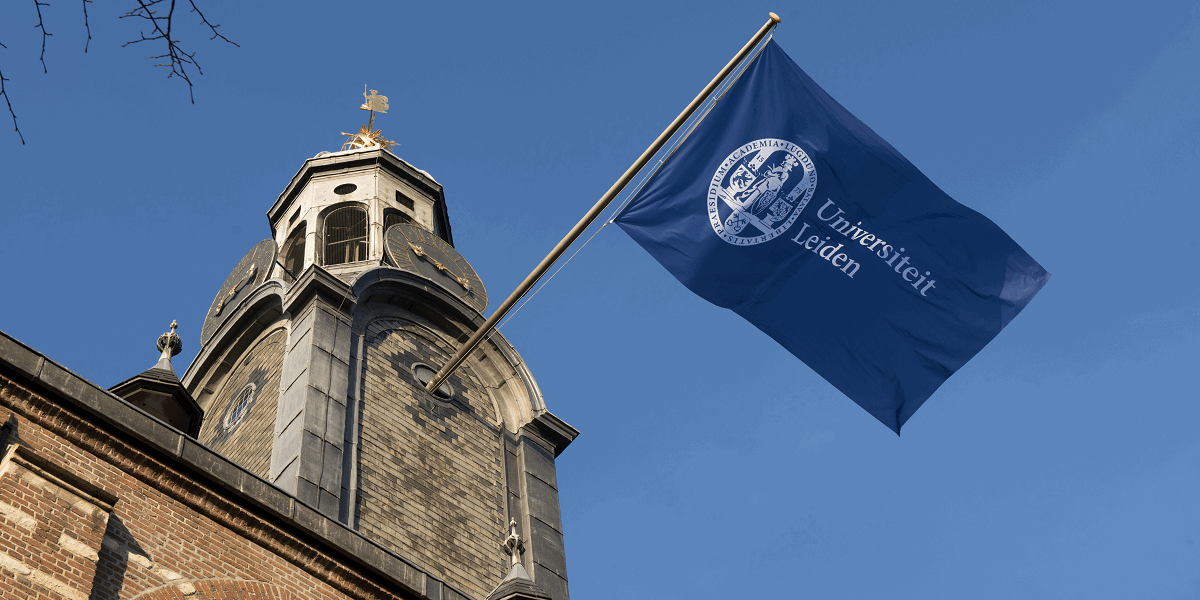
This Bachelor's program in African Studies offers an orientation towards the humanities, allowing students to specialize in one of three tracks: History and Anthropology, Literature and Film (Art), or Linguistics. It's also possible to combine two tracks. The program includes the study of Berber and Swahili languages over three years, as well as a language of the student's choice for their study abroad period. The first year is common for all students, focusing on foundational knowledge and developing digital research and publication skills. After the first year, students choose their specialization track(s). In the third year, students engage in a practice-oriented project in the first semester, applying their acquired skills to a real-world theme and producing a tangible outcome.
African Studies (MA)
The Master's in African Studies at Leiden University offers a comprehensive exploration of Africa's diverse cultures and societies. This one-year program combines in-depth academic study with practical, research-based learning. You will engage with Africa from multiple disciplinary perspectives, including history, anthropology, literature, politics, and economics, developing a strong methodological foundation. The curriculum is structured around six cross-cutting themes designed to foster critical analysis of current events from a global viewpoint, alongside an introduction to various research methods.
Ancient History: Empires, Societies and Cultures (MA)
This Master's program delves into the political, social, and cultural dynamics of the Graeco-Roman world, specifically between 400 BC and AD 400. You will explore the development of empires, from the Hellenistic kingdoms to the Roman Empire, and understand how imperial rule influenced local cultures, religions, and identities. A unique aspect of this program is its focus on documentary and artefactual evidence, such as inscriptions, papyri, coins, and material culture. This approach allows you to access perspectives beyond elite narratives and examine how empires both shaped and were shaped by diverse societies, leading to outcomes of unification and cultural diversity.
Ancient History: Empires, Societies and Cultures (MA)
Ancient Near East Studies
Leiden University offers Master's and PhD programs focused on the Ancient Near East, building on a long tradition in the field within the Netherlands. These programs provide in-depth training in ancient languages, scripts, history, and archaeology of regions including Mesopotamia, Anatolia, Egypt, and the Levant. Students benefit from close collaboration with the Netherlands Institute for the Near East (NINO) and the Faculty of Archaeology, renowned worldwide. The MA in Assyriology, taught in English, is a one-year program within the Classics and Ancient Civilizations framework, offering foundational and advanced training. The Research MA in Assyriology prepares students for academic careers. PhD candidates can pursue research in Assyriology or related area studies through the Faculty of Humanities' graduate school. The Faculty of Archaeology offers specializations in Western Asia, with a strong track record in fieldwork across the region. Students can engage in archaeological heritage, sciences, and area studies through Bachelor's, MA Global Archaeology, and Research MA programs. Collaboration with NINO and the National Museum of Antiquities (RMO) enhances the student experience.
Animation
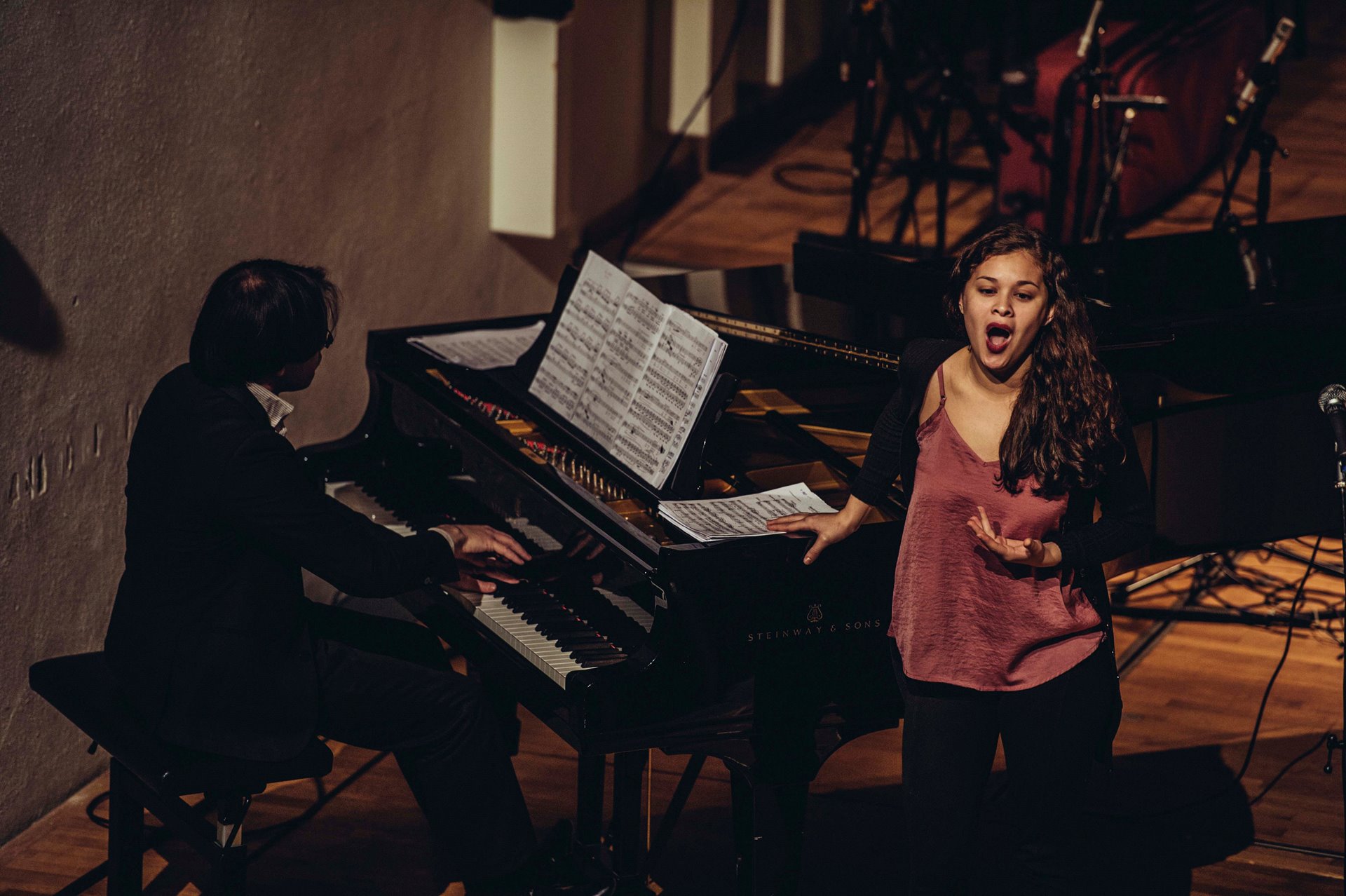
The Bachelor of Arts in Animation program at HKU University of the Arts Utrecht focuses on bringing 2D and 3D images to life. You will learn to develop your own unique style in animation concepts, designs, and narrative forms, with a strong emphasis on the nuances of timing and character acting. The curriculum covers the entire animation production pipeline, from initial concept development and storyboarding through to editing and sound post-production. This program is ideal for students who are passionate about creating animations, transforming ideas and stories into moving images, and have a keen interest in storytelling, visual composition, and design. It suits individuals with a broad cultural and societal awareness, who enjoy teamwork, effective communication, and the desire to convey information clearly. HKU offers a unique opportunity to work on short animations both independently and collaboratively. The 3D specialization, one of the few in the Netherlands, heavily emphasizes group projects and real-world industry experience, including collaborations with external clients. Students also have the chance to create films for the BNN-VARA television program ‘Twee voor Twaalf’ and potentially have their work featured in major film events like the Lowlands film program, the Netherlands Film Festival's student competition, and animation festivals such as Playgrounds and Kaboom.
Applied Archaeology (MA)
The Master's specialisation in Applied Archaeology at Leiden University is designed to provide a strong foundation for a professional career in archaeology. This program is a collaborative effort between Leiden University and Saxion University of Applied Sciences, offering a unique blend of theoretical knowledge and practical application. You will learn to conduct critical and reflective research within a professional context, understand the relationship between archaeology and heritage management, and apply various research and excavation methods. The program emphasizes developing professional advice based on research findings, considering academic, societal, ethical, and financial aspects of projects, and effectively communicating archaeological information to diverse stakeholders. It also aims to equip you to contribute to societal discussions and the future of the field. This specialisation allows you to tailor your studies to your personal interests, choosing a career profile and regional focus that aligns with your goals. You can choose to complete assignments and your graduation project in either English or Dutch. The program offers a flexible path, enabling you to focus on fieldwork, policy-making, public archaeology, or heritage management, with an obligatory internship included in the Applied Archaeology profile.
Arabic Language and Culture (BA)
Arabic Language and Culture (BA)
Arabic Language and Culture is a specialization within the Bachelor's programme in Middle Eastern Studies. This program is taught entirely in Dutch. It offers an opportunity to explore a language and culture distinct from the Netherlands. While this specific page does not provide detailed curriculum or admission information, it points to the Dutch website for the Middle Eastern Studies programme for further details.
Archaeology (MA/MSc)
Archaeology (Research MA)
The Archaeology (Research MA) is a two-year master's program at Leiden University designed for students aiming for an academic career. It is highly research-oriented, allowing you to develop a personal study plan with a dedicated supervisor who will act as your coach. The program leverages Leiden's international reputation in archaeological research, offering courses that deepen and broaden your knowledge while developing essential research and publication skills. You will be encouraged to engage with cutting-edge research, attend conferences, and take courses outside the department to enhance your expertise.
Archaeology (Research MA)
Art History (BA)
Art History (BA)
The Bachelor of Art History programme at Leiden University offers a comprehensive study of art across different historical periods and geographical regions. You will explore art from the Netherlands, Europe, North America, Asia, and Africa, from early cave drawings to contemporary art forms. The programme provides a high academic level of study, examining the influence and evolution of art throughout history.
Art History (MA)
The Master's programme in Art History at Leiden University offers a critical perspective on visual arts, decorative arts, and architecture, examining their connection to collecting and presentation practices. Taught by research-active faculty and museum professionals, this interdisciplinary program delves into art from the Middle Ages to the present day, considering its social, political, and global context. You will explore the challenges facing art museums today and gain insights into the diverse meanings of art. This program is ideal for students interested in art history and museum studies, who want to understand art from multiple perspectives. You'll study the history of art within its broader context of visual culture, with opportunities for excursions to experience artworks firsthand and test your research. The curriculum is designed to provide a strong academic foundation for diverse careers in the cultural sector and beyond.
Arts and Culture (MA)
The MA Arts and Culture program at Leiden University offers two distinct specializations: Art History and Museum Studies. This interdisciplinary program provides a comprehensive grounding in the theories and methods of art history and museology, while also engaging with contemporary practices. Students can tailor their studies through a wide range of electives, focusing on areas like object study, critical theory, world art studies, and museum/collection studies. The program encourages students to explore diverse historical periods and cultural contexts, from medieval art to the digital age. Learning is facilitated by internationally respected researchers and scholars from institutions connected to Leiden University. This network provides opportunities for internships, exchange programs, and exposure to visiting speakers. The program emphasizes academic rigor, critical thinking, and the integration of current issues, attracting motivated students globally who seek strong knowledge, skills, and career prospects. Teaching is conducted in small-scale lectures, fostering active participation and personalized attention from instructors.

Arts and Society MA
The Master of Arts and Society program at Utrecht University prepares you for a dynamic future in the cultural sector. This program acknowledges the constant changes driven by technology, migration, social movements, and funding shifts. You will develop rigorous theoretical and research skills alongside practical abilities, with a keen understanding of the arts, media, and cultural sectors at local and global levels. The curriculum encourages exploration of established cultural institutions and alternative practices, offering insights into diverse creative production modes through the Dutch cultural scene. Students are encouraged to learn from the surrounding cultural environment and immerse themselves in the Netherlands' cultural ecologies. The university provides a strong academic foundation, while students are expected to drive their own learning and growth.
Bachelor Archaeology (BA)
Bachelor of Music
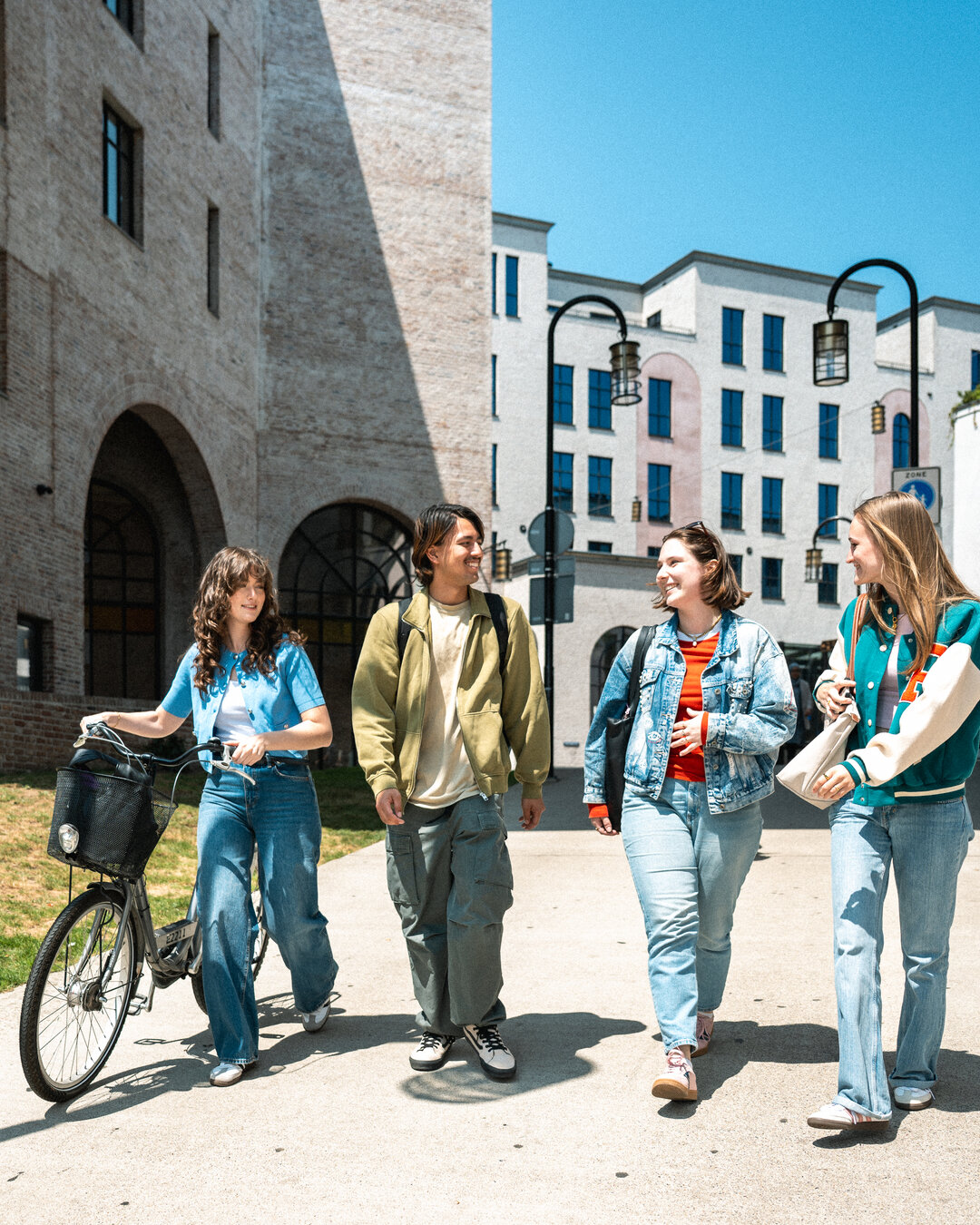
The Bachelor of Music programme at Conservatorium Maastricht is taught entirely in English and offers two specializations: Classical and Jazz. It is a top-ranked programme designed to help you develop your musical passion and prepare for a successful career in the international music industry. You will study in a vibrant, international environment with students and teachers from around the world. The conservatorium is deeply connected to the region, fostering a dynamic atmosphere that extends beyond classes to concerts and projects. You will be guided by active professionals who support your artistic development, with ample opportunities for hands-on experience on various stages. The curriculum is flexible, allowing for personal creative projects and fostering versatility and a distinctive artistic voice.
Circus and Performance Art
Transform your passion for circus into a professional career. This Bachelor's program offers specialized training in your chosen circus discipline, taught by internationally qualified teachers. You will develop your artistic vision, explore beyond your primary discipline, and learn to blend athleticism, creativity, and storytelling. The program values individuality and offers a flexible curriculum tailored to your artistic needs, preparing you for a dynamic global circus career.
Classical Music
The Bachelor of Music in Classical Music at HKU Utrechts Conservatorium offers a full-time, four-year program designed to cultivate skilled and self-assured musicians. You will delve into the breadth of classical music, from the early Middle Ages to the present day, studying works by both renowned and lesser-known composers. The program emphasizes developing your artistic skills, mastering musical techniques in detail, and transforming you into a versatile professional. You will learn through intensive practice, ensemble playing, and constructive feedback, preparing you for a broad range of artistic applications and a distinct professional profile.
Composition and Music Production
This Bachelor of Music program focuses on the intersection of music, sound, and technology, empowering you to transform sound into compelling musical experiences. You will explore composition and music production, learning to use Digital Audio Workstations and a broad range of technologies. The program emphasizes understanding the underlying principles of audio technology, enabling you to adapt to various studio environments. You will gain insights into diverse music genres and cultures to inform your creative choices. The curriculum encourages experimentation and theoretical understanding through practical projects. The goal is to develop your broad perspective, personal decision-making skills, and prepare you for a long and diverse career in the music industry.
Composition Electronic Music
Fine Art
Fine Art Preparatory Course
Hanze University of Applied Sciences - Degree Programmes
Hanze University of Applied Sciences offers a range of English-taught degree programs for international students. Located in Groningen, a vibrant student city in the Netherlands, Hanze provides a supportive environment for academic and personal growth. The university is committed to practical, hands-on learning and preparing students for their future careers. Explore various study options and discover what Groningen has to offer as a student city.
Hbo-Associate degree Dans
Historical Performance Practice
The Historical Performance Practice bachelor's program at HKU University of the Arts Utrecht focuses on studying and performing music from a historical perspective, covering periods from the early Middle Ages through the Renaissance to the Romantic era. Students will conduct research into how music was originally performed in specific historical contexts and then apply these findings to their own musical practice. The program emphasizes peer learning through ensemble playing and provides guidance from a close-knit, international team of specialists. It's designed for musically curious individuals who want to understand the origins of musical pieces, considering the social and political environments of their time. This program has been recognized as top-rated by the Dutch study choice guide 'Keuzegids HBO' 2025.
History
The History program at Utrecht University offers a comprehensive study of the past and its connection to the present. You will learn to analyze and interpret historical sources from various perspectives, gaining knowledge that is crucial for understanding contemporary issues. The program provides a strong foundation in historical analysis, equipping you with skills to connect historical events to broader contexts.
Humanistic Studies
The University of Humanistic Studies (UH) offers a Bachelor's degree in Humanistic Studies, focusing on people and society through an interdisciplinary lens. The program integrates insights from social sciences and humanities, exploring concepts of meaning and humanisation. Students learn to apply scientific knowledge to contemporary social and ethical issues, examining the interplay between individuals and their social contexts. A key component is the development of professional skills and self-awareness regarding personal values and norms. The education is personal, small-scale, and aims to inspire a more humane society.
Illustration
Integrating Earth Observation, Artificial Intelligence, and Crop Modelling for Maize Yield Estimation in Smallholder Farming Systems in Kenya
This research focuses on improving crop yield estimation in smallholder farming systems, particularly in regions like Sub-Saharan Africa where fragmented fields and limited data present challenges. The study proposes an integrated approach that combines Earth Observation (EO) data, Artificial Intelligence (AI), and process-based Crop Modelling (CM) to overcome these limitations and enhance yield prediction accuracy in data-scarce environments. The primary goals include assessing the value of high-resolution satellite imagery for understanding variations in smallholder farms, refining crop models with local agricultural and climate data, and developing AI models for scalable yield prediction across different regions. A key aspect involves fusing data from multiple sources, such as satellite imagery, weather records, and ground observations, to build robust models. The research will be validated using field yield data from various agroecological zones in Kenya to ensure the models are reliable and transferable. Ultimately, this research aims to create a validated and scalable framework for estimating crop yields. This framework will support climate-resilient agricultural planning, improve early warning systems for food security, and contribute to digital advisory services tailored for smallholder farmers. By advancing data-driven tools for crop productivity monitoring in under-resourced regions, the study contributes to the broader goal of enhancing food security.
Interdisciplinary Arts
At Zuyd University's Art Academy in Maastricht, you can pursue your passion for the arts in an inspiring and international environment. The programs focus on developing your artistic and conceptual skills through a blend of theory and hands-on practice. You will work on projects with social impact, experiment with various media, and receive personal guidance from experienced tutors who are active in the Dutch art world. Studying here means becoming part of a vibrant arts community, collaborating with students from diverse backgrounds, and gaining a global perspective on creativity. The academy is equipped with modern studios, workshops, and labs, offering a dynamic space for artistic growth.
Interdisciplinary Arts
Japanese Studies (BA)
The Bachelor's programme in Japanese Studies at Leiden University offers a deep dive into the rich history and traditions of Japan. You will explore various facets of Japanese culture, from ancient practices to modern expressions like haiku, samurai history, geisha traditions, and manga. This programme is conducted entirely in Dutch. For detailed information and to apply, please refer to the Dutch version of the Japanese Studies programme page.
Japanese Studies (MA)
The two-year Master of Arts (MA) in Japanese Studies at Leiden University is a research-focused program offering a deep dive into modern and pre-modern Japan. Taught by leading academics, the multidisciplinary curriculum is designed for motivated students interested in specialized research areas such as contemporary society, politics, art history, classical and contemporary texts, and linguistics. A distinctive feature of the program is a mandatory full academic year spent studying at a university in Japan, providing an unparalleled opportunity for cultural immersion, advanced language acquisition, and on-site thesis research.
Jazz & Pop
The Jazz & Pop Bachelor of Music program at HKU Utrechts Conservatorium offers a comprehensive music education focused on developing your skills as a performer and creator. You'll have the opportunity to specialize in jazz, bebop, fusion, pop, rock, soul, or dance music, tailoring the program to your individual expertise and interests. The curriculum emphasizes both instrumental development and collaborative learning, preparing you for a multifaceted career in the music industry. HKU fosters a supportive yet competitive environment where students gain performing experience in ensembles, engage in interdisciplinary projects with other HKU academies, and receive personal guidance from dedicated lecturers and guest artists. The program is recognized for its quality, having been top-rated by the Dutch 'Keuzegids' 2025.
MA Arabic and Islamic Studies
The MA Arabic and Islamic Studies program offers a semester-long immersion into Arabic language and culture, designed to enhance language fluency and develop the four core language skills: speaking, listening, reading, and writing. For university students, this is complemented by a cultural component, providing deeper insights into Egyptian society, politics, history, and culture. This program is an integral part of the curriculum for students at partner universities in the Netherlands and Flanders, but can also be pursued as an additional semester by graduates. The program is offered during the Fall semester and includes a comprehensive outline of eligibility and program details.
MA Programme Scenography
The Master of Arts in Fine Art and Design, with a specialisation in Scenography, trains students to transform any environment into a theatrical space. This programme focuses on developing creative and intellectual capabilities within an international context. Key principles include making, thinking, and sharing work, with an emphasis on context, disciplinarity, research, and self-direction. It offers an open and inclusive learning environment that integrates theory and practice, encouraging individual responsibility and personal development. The curriculum strongly focuses on scenographic practice through the performativity of material, light, sound, and various technological tools and media, fostering a collaborative community in a dedicated studio space and utilizing performance spaces.
Master African Studies (MA)
Master Applied Archaeology (MA)
Master Archaeology (Research MA)
Master Art History (MA)
Master Arts and Culture (MA)
Master Crossover Creativity (part-time)
The Master Crossover Creativity is a part-time master's program designed for individuals who want to use their creative skills to develop innovative solutions for complex societal challenges. The program focuses on fostering crossover collaboration, integrating creativity and entrepreneurship to address multi-stakeholder issues across various fields such as social inclusion, public space planning, and health. Students will work on their own chosen themes, conducting research and bringing people together. The curriculum emphasizes an iterative approach, developing knowledge, methods, and solutions through co-creation. Graduates are equipped to make a significant societal, socio-economic, and cultural impact, often pursuing careers as innovative designers, environment managers, or social designers.
Master of Arts in Fine Art and Design (iRAP)
The Master of Arts in Fine Art and Design (iRAP) programme focuses on interrelational artistic practices within social contexts. It encourages students to bring their own artistic practices and social issues into the programme. In a world often driven by quick results and external demands, this programme emphasizes the human scale, an open artistic attitude, and a critical, open-ended approach to working. Students will explore the meaning, value, methods, and potential of interrelational artistic practices in non-artistic settings, developing methodologies that are process-oriented rather than solely focused on final outputs. The aim is to create practices that are deeply embedded within and critically engage with their context, offering new possibilities for life and interaction.
Master of Business Management (MSc) - Specialisation in Logistics & Trade
This Master of Business Management (MSc) program with a specialisation in Logistics & Trade offers a high academic standard combined with practical application. You will study case studies and conduct research while also engaging in project weeks, professional inquiry, and a professional-based learning module, which may include a work placement linked to your final project. The curriculum integrates core business administration subjects with broader modules in economics and management, exploring global economics, strategic management, and globalisation. The Logistics & Trade specialisation focuses on the strategic aspects of operations management, supply chains, and logistics, including their connection to international law, policies, and international joint ventures.
Master of Fine Art
The Master of Fine Art program at HKU is designed for artists, researchers, activists, and cultural workers who have completed a Bachelor's degree and are interested in exploring eco-socio-cultural contexts. This two-year, full-time, English-taught Master's program focuses on deepening your engagement with contemporary art and its societal implications. The curriculum encourages artistic research practices that critically examine ecological, social, and political issues, emphasizing collaboration and transdisciplinary approaches. You will experiment with diverse methodologies, fostering a critical understanding of your practice's effects and potentials within complex global challenges. HKU fosters an international and supportive study environment, connecting you with a vibrant local and international cultural network. The program aims to equip you with the skills and critical awareness to contribute meaningfully to societal and planetary well-being through your artistic practice.
Master's Programmes at HKU
HKU offers a range of creative Master's programmes designed for professionals seeking to advance their careers or deepen their knowledge. These practice-based programmes focus on addressing contemporary social challenges through creative thinking and innovation. Students have a significant role in shaping their own study path, fostering connections with peers, faculty, and the professional arts community.
Materials in Artistic Practices (MAPs)
The Materials in Artistic Practices (MAPs) Master's program offers a unique, hands-on approach to art and design education. This program views materials not just as tools, but as collaborators with their own stories, ethical dimensions, and urgencies. You will delve into sustainable practices, explore alternative materials, and investigate the interplay between physical structures and personal presence in your artistic work. The focus is on artistic research driven by process and awareness, rather than solely on producing finished products.
Meaningful Artistic Research PhD
The Meaningful Artistic Research (MAR) PhD trajectory is a collaborative program between HKU University of the Arts Utrecht and the University of Humanistic Studies (UvH). This program positions artistic research as a fundamental method for generating new knowledge and fostering innovative approaches to societal challenges related to care, justice, and sustainability. It aims to train a new generation of artistic researchers who create knowledge through their artistic practice, develop transdisciplinary skills across art, academia, and society, and contribute to a vibrant knowledge community.
Minor International Arts
Painting
Philosophy and Religious Studies
The Department of Philosophy and Religious Studies at Utrecht University offers interdisciplinary and socially engaged teaching and research. Our researchers explore a wide range of subjects, including philosophy, Christianity, Islam, and other religious and secular traditions. The department is actively involved in university-wide, national, and international research and educational consortiums. This strong research focus, combined with extensive engagement with other disciplines and society, underpins the high quality of our educational programs.
Photography

Religious Studies (Theology and Religious Studies - Research)
The two-year Research Master's in Religious Studies at the University of Amsterdam provides an excellent opportunity to pursue in-depth research in the field. The program is designed to allow you to explore your own research interests within a structured academic environment. During the initial semesters, you will engage with core courses that delve into the comparative study of fundamental cultural concepts, alongside advanced theories and methodologies in religious studies. This foundational knowledge is complemented by electives and tutorials, allowing for a personalized curriculum tailored to your specific academic interests. This research-focused program aims to equip you with highly qualified critical expertise on religion, fostering a stimulating environment where you can engage with cutting-edge international scholarship and contribute to ongoing research projects.
Research Master's in Linguistics
The Research Master's programme in Linguistics equips students with the scientific skills to investigate language-related questions. This programme has a strong research focus, distinguishing it from undergraduate linguistics degrees. You will delve into advanced theoretical linguistics, psycholinguistics, and research methodologies, including computational and experimental approaches. The curriculum is designed to develop your professional language research skills throughout the two years. The second year is largely dedicated to independent research, including a team science project, an internship within an ongoing research project, and your thesis.
Spirituality and Religion (Theology and Religious Studies)
The Master's programme in Spirituality and Religion at the University of Amsterdam provides an in-depth exploration of the fascinating relationship between spirituality and religion, examining how these forces have shaped history and continue to play a crucial role in contemporary society. You will delve into key concepts, theories, and methods in the academic study of religion, with a particular focus on the interplay between institutional religion and individual spiritual practices. The program encourages critical assessment of scholarly debates and the application of qualitative research methods to understand real-world religious phenomena. This one-year, full-time program offers three distinct areas of specialisation: Esotericism and Spirituality in Western Culture, Religion and Spirituality in Contemporary Societies, and Islam: Religion and Spirituality. Each specialisation allows you to tailor your studies to specific historical periods, cultural contexts, or religious traditions, supported by unique resources and expert faculty. A part-time study option is also available, spreading the curriculum over two years.
Spirituality and Religion Pre-Master's Programme
This Pre-Master's programme in Spirituality and Religion is designed for students who hold a Bachelor's degree from a University of Applied Sciences (HBO) or an academic Bachelor's degree that does not provide direct entry to the Master's in Spirituality and Religion. It serves as a preparatory year, equipping you with the necessary academic foundation to progress to the Master's program. Successful completion of this programme within one year guarantees admission to the Master's in Spirituality and Religion. Please note that a diploma or certificate is not awarded for the Pre-Master's itself, as its primary purpose is to bridge the academic gap for Master's entry. International students requiring a visa should be aware that Dutch immigration authorities issue visas for this programme for a maximum duration of one year.
Theatre
Frequently asked questions
How much does Arts & Humanities study in the Netherlands cost?
+
Tuition ranges from free up to approximately €2,000 per year for EU/EEA students. Non-EU students pay institutional tuition fees that are higher but generally still lower than equivalent programmes in the UK or US.
Which universities offer Arts & Humanities in the Netherlands?
+
Among the 11 universities listed are Tilburg University, Universiteit Leiden, Fontys University of Applied Sciences, University for Humanistics (UH), Hogeschool voor de Kunsten Utrecht (HKU), and Zuyd University.
Can international students apply for Arts & Humanities in the Netherlands?
+
Yes. Many Dutch programmes are English-taught at postgraduate level and explicitly target international students. Non-EU students require a Dutch residence permit, obtained after receiving an acceptance letter.
What are the typical entry requirements?
+
Undergraduate entry requires a secondary qualification equivalent to the Dutch VWO diploma; postgraduate entry requires a relevant bachelor's degree. English proficiency (IELTS 6.5 or equivalent) is typically required.
How do I apply for Arts & Humanities programmes in the Netherlands?
+
Most Dutch institutions use the Studielink portal for enrolment. It is advisable to apply several months in advance, as competitive programmes may close early or operate a selection procedure.