Civil Engineering in Netherlands
The Netherlands lists 5 Civil Engineering programmes across 4 universities — among them the International Institute for Geo-Information Science and Earth Observation (ITC), Saxion Universities, the University of Amsterdam, and the University of Twente. The Netherlands, renowned globally for its water management and delta engineering expertise, offers a uniquely practical academic environment for civil engineering students. ITC in Enschede is especially distinguished for geospatial engineering and land management, while the University of Twente provides a research-intensive civil and structural engineering track.
Tuition costs vary by institution and programme; applicants should review individual listings for current fee schedules. The country's flat terrain, extensive infrastructure network, and culture of engineering innovation create outstanding internship and project opportunities. International students benefit from the widespread use of English in Dutch higher education and the country's central European location.

Bachelor of Civil Engineering
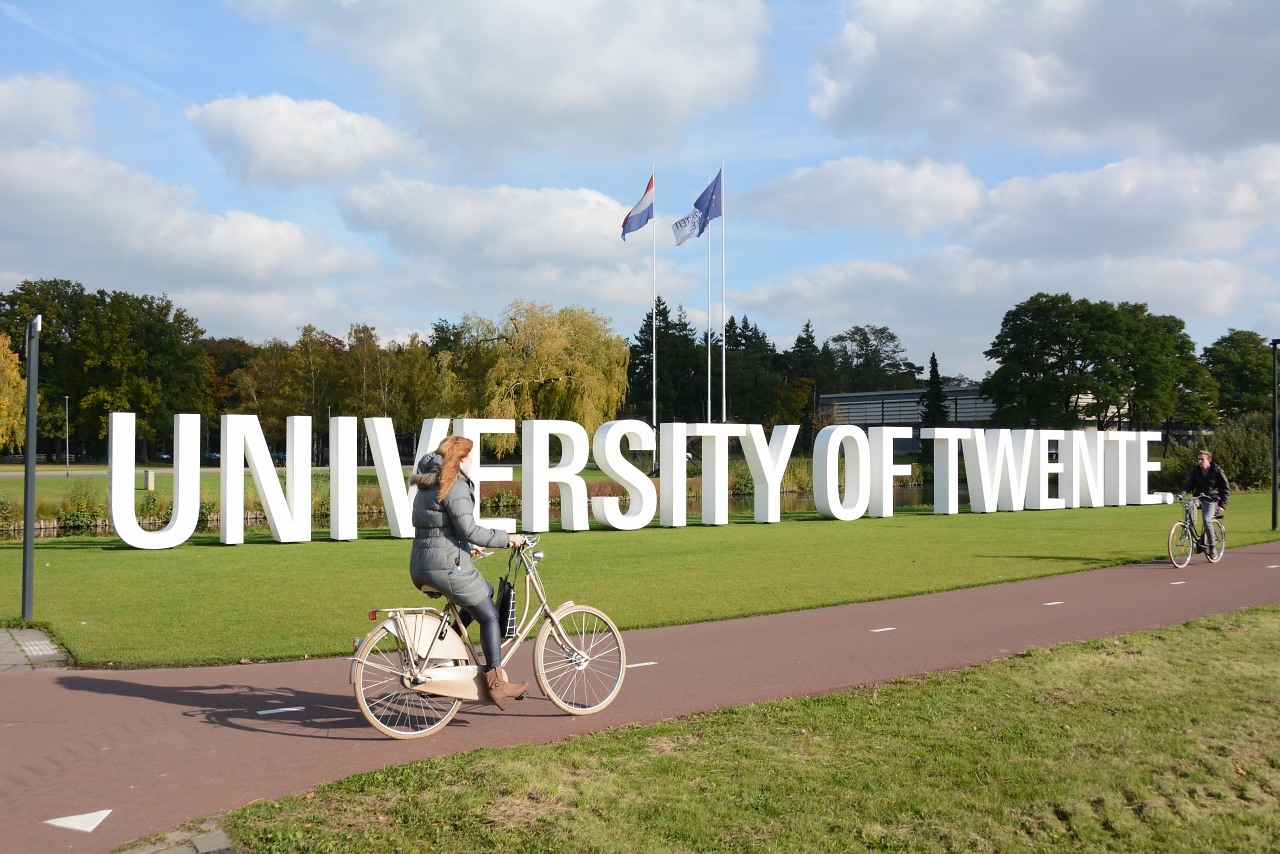
This Bachelor's program in Civil Engineering equips you to address critical societal challenges in areas like climate change adaptation, sustainability, and digitalization. You will learn to design and construct sustainable solutions for land, road, and waterway infrastructure, including ports, rivers, roads, railways, locks, and bridges. The program emphasizes creative problem-solving, integrating skills with modern software and digital tools like Digital Twin technology. You'll also focus on circular construction principles to reduce the environmental impact of the sector.
Civil Engineering and Management
The Civil Engineering and Management (CEM) Master's program at the University of Twente is designed to equip students with the knowledge and skills to address complex challenges in sustainable infrastructure. The program operates at the intersection of Civil Engineering, Social Sciences (including Public Administration, Management Science, Urban Planning, and Geography), and Data Science. Our mission is to develop innovative solutions for sustainable infrastructure, contributing to global Sustainable Development Goals such as clean water, affordable energy, and sustainable cities. We aim to prepare future engineers and scientists for leadership roles by integrating policy, planning, and technology to enhance resilience and drive sustainable transformations in our built and natural environments.
Engineering Doctorate (EngD)
The Engineering Doctorate (EngD) at the University of Twente is a two-year, post-master's program designed for engineers who want to develop smart, future-oriented solutions for industry and society. This program combines advanced university courses with a practical design project undertaken within an industrial environment. You will be employed as a trainee throughout the program, receiving a salary and working on real-world challenges for partner organizations. The EngD focuses on design and application, equipping you with technical depth, project leadership skills, and a strong professional network.
MSc in Geo-Information Science and Earth Observation
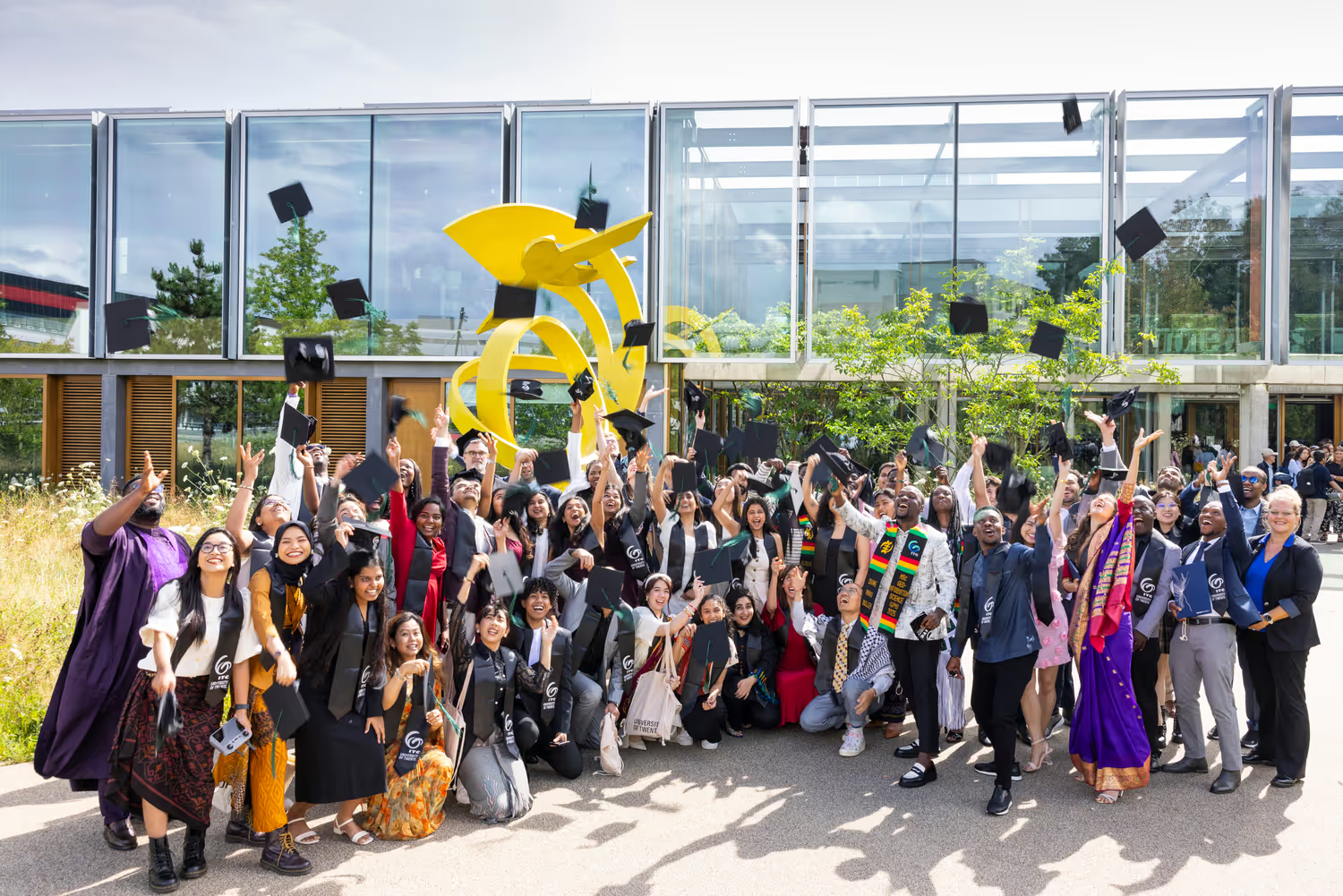
This Master of Science (MSc) program focuses on the theoretical and practical aspects of geo-information science and earth observation. It equips students with advanced knowledge and skills to address complex societal challenges related to the environment, resources, and spatial planning. The curriculum integrates cutting-edge technologies and methodologies, preparing graduates for impactful careers in research, government, and the private sector. The program emphasizes interdisciplinary learning, combining expertise from fields such as remote sensing, geographic information systems (GIS), spatial data analysis, and earth science. Students will engage in hands-on projects and research, developing their ability to interpret, analyze, and utilize spatial data for informed decision-making and sustainable development. Graduates of this program are well-prepared to contribute to fields like environmental monitoring, urban planning, disaster management, and natural resource management, leveraging the power of geo-information and earth observation to create a more sustainable future.

Urban and Regional Planning
The Master's programme in Urban and Regional Planning at the University of Amsterdam equips students with the skills to analyze, understand, and address the complex social, ecological, and economic challenges facing contemporary cities. This full-time, 12-month program focuses on developing critical, evidence-based thinking for designing urban futures. You will explore how to research urbanization, manage diverse stakeholders in urban governance, and experiment with creative solutions to urban problems. This program is ideal for students interested in understanding and shaping more just and sustainable built environments. It offers a strong international orientation, with teaching deeply embedded in urban studies research conducted by university staff. The curriculum benefits from close ties to Amsterdam and Dutch urban planning practices, providing a practical context for your studies. Students also receive tailor-made thesis supervision to support their individual research.
Frequently asked questions
How many Civil Engineering programmes are available in the Netherlands?
+
There are 5 Civil Engineering programmes listed across 4 universities in the Netherlands.
Which universities in the Netherlands offer Civil Engineering?
+
Programmes are available at the International Institute for Geo-Information Science and Earth Observation, Saxion Universities, the University of Amsterdam, and the University of Twente.
How much does it cost to study Civil Engineering in the Netherlands?
+
Tuition varies by programme — check each listing, as EU and non-EU students pay different rates and fees vary between institutions.
Can international students apply to Civil Engineering programmes in the Netherlands?
+
Yes, all listed institutions accept international students; many programmes are taught in English, and applicants should arrange a Dutch student visa if they are from outside the EU/EEA.
What are typical entry requirements for Civil Engineering in the Netherlands?
+
Undergraduate entry requires a recognised secondary school certificate with mathematics and science; postgraduate programmes require a relevant bachelor's degree in civil or structural engineering and proof of English proficiency.