Computer Science & IT in Netherlands
The Netherlands offers 13 Computer Science & IT programmes across 10 universities, with a range spanning research universities such as Leiden University, Wageningen University & Research, and Radboud University to applied science institutions including the University of Twente and Zuyd University. The Hogeschool voor de Kunsten Utrecht (HKU) adds a creative technology dimension that distinguishes the Dutch offering from purely technical programmes elsewhere.
All programmes in this listing are available free of tuition costs, making the Netherlands an exceptionally competitive destination for international Computer Science & IT students. The Dutch higher education system has one of the highest concentrations of English-taught technical programmes in continental Europe, and the country's digital infrastructure and technology sector — including major firms like ASML, Booking.com, and Philips — provide strong industry connections throughout study.

Advanced Computing and Systems (MSc)
This Master of Science specialization focuses on the computer systems of the future, including high-performance computing for processing large data volumes, cloud and distributed systems for data analysis, and embedded systems integrated with sensors for environmental responsiveness. It provides a strong foundation in computer science, preparing students for research or industrial careers. The program offers advanced topics with a unique specialization in computing systems, building on Leiden University's research expertise. Students can also explore related areas like Foundations of Computing, Artificial Intelligence, and Data Science, tailoring their studies to future-oriented technological demands.
Advanced Computing and Systems (MSc)

AI for Health (Medical informatics)
The AI for Health track is part of the Master's Programme in Medical Informatics at the University of Amsterdam. This programme focuses on applying advanced Artificial Intelligence (AI) techniques to solve complex problems in healthcare. You will explore areas such as deep learning, reasoning, natural language processing, image processing, and predictive modeling, all within a medical context. Designed for full-time study over two years, the track combines theoretical knowledge with practical application. You'll gain extensive knowledge about AI and learn how to implement this technology effectively in various healthcare settings, preparing you for a career at the intersection of AI and medicine.

Applied Data Science & Artificial Intelligence
This bachelor's program focuses on Applied Data Science and Artificial Intelligence. You will explore how data and algorithms can be used to solve real-world problems, such as helping doctors detect diseases early or developing intelligent systems for energy needs. The program also examines the societal impact of AI. Taught entirely in English, this degree prepares you for an international working environment.

Bachelor Computer Science and Engineering
In the Bachelor of Computer Science and Engineering program, you will learn the fundamental principles and methods for developing software systems and web services. The program emphasizes understanding the user perspective and equips you with the ability to scientifically reason about the correctness and efficiency of programs using formal mathematical methods. You will gain the knowledge and skills necessary to advance internet technologies and apply them to solve real-world problems. This program is designed to prepare students for the critical role software plays in modern society, addressing challenges like system complexity, maintenance costs, and the success or failure of digital services.

BSc Computing Science
The Computing Science Bachelor's programme at Radboud University offers a comprehensive education in the principles of computer science. While programming is a part of it, the curriculum delves deeper into understanding how software functions, how information is represented digitally, and the underlying mathematical and logical foundations. You will explore the implementation of these concepts in hardware, digital networks, and learn about applying cyber security to protect IT systems. The program aims to equip students with a broad understanding of computer science, from theoretical mathematics to practical hardware application.
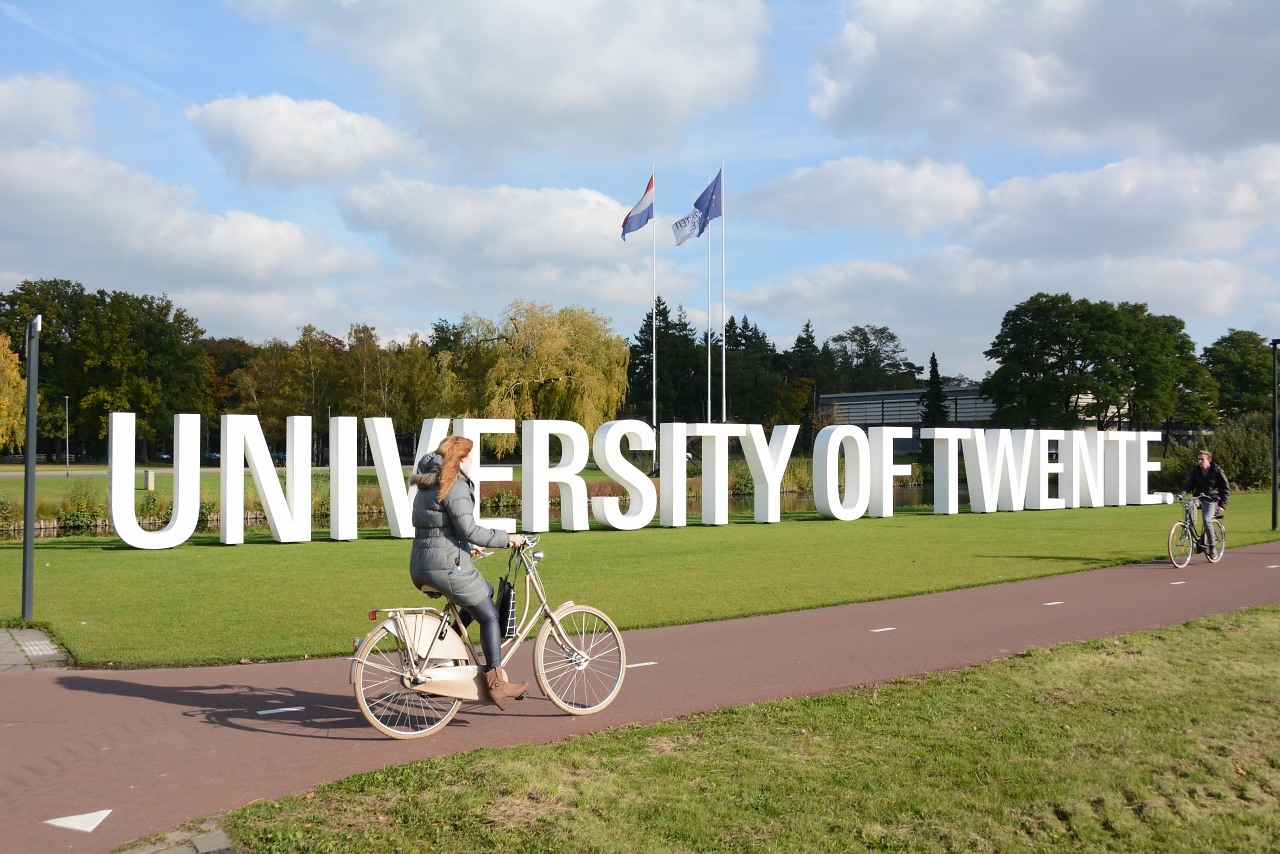
Business Information Technology
This Master's program focuses on combining business management principles with Information Technology (IT) to develop solutions for more effective, efficient, and future-proof organizations. You will learn to bridge the gap between business objectives and IT solutions, whether by designing effective architectures and processes, utilizing data for informed decision-making, or building robust security and resilience. The program aims to equip you with practical, scalable, and secure solution-building skills using real-world methods. It also prepares you for further research (PhD) or advanced innovation in the industry. The curriculum offers a balance between business and IT, providing insights into complex business processes and organizations, as well as in-depth knowledge of modern information systems and technologies. You will gain expertise in areas like IT architecture, IT-based business models, enterprise security, smart industry, data-driven decision support systems, and IT management.

Game Development

Management of Innovation
The MSc in Management of Innovation at Rotterdam School of Management, Erasmus University (RSM) equips you with the knowledge and skills to transform innovative ideas into successful commercial ventures. The program delves into the multifaceted aspects of innovation management, covering commercial, social, financial, technical, and legal dimensions. It blends academic insights with practical teaching cases and offers multiple opportunities to gain hands-on experience. You will also have the chance to connect with experts in innovation management from both multinational corporations and emerging start-ups.
Master Computer Science and Engineering
The Master of Science in Computer Science and Engineering (CSE) at Eindhoven University of Technology (TU/e) is designed to equip you with the skills to design, analyze, and build complex algorithms, software, and systems. It fosters a systematic engineering approach, integrating technical expertise with an understanding of the social implications of technology. The program emphasizes critical thinking, problem-solving, and the ability to evaluate and ensure the quality of solutions, preparing you for a dynamic career in a field with a significant societal impact.

MSc Computer Science
Frequently asked questions
How much does it cost to study Computer Science & IT in the Netherlands?
+
The programmes in this listing are tuition-free for eligible students. Note that statutory tuition fees may still apply in some cases — verify with each institution and check if EU/non-EU student status affects eligibility.
Which universities offer Computer Science & IT programmes in the Netherlands?
+
The 13 programmes are at 10 institutions including Leiden University, Wageningen University & Research, Radboud University, the University of Twente, Zuyd University, and Hogeschool voor de Kunsten Utrecht.
Can international students apply to Computer Science & IT programmes in the Netherlands?
+
Yes. The Netherlands has one of Europe's most English-friendly higher education systems, and most Computer Science programmes are taught in English.
What are typical entry requirements for Computer Science & IT in the Netherlands?
+
A bachelor's degree in computer science, mathematics, or a related field is standard for master's entry, along with English language certification. Some programmes have specific mathematics or programming prerequisites.
How do I apply to study Computer Science & IT in the Netherlands?
+
Apply through each university's online admissions portal; Studielink is used for Dutch higher education bachelor's programmes. Master's applications typically close between January and May for September entry.