Natural Sciences in Netherlands
The Netherlands offers 3 Natural Sciences programmes across 2 universities, combining strong research infrastructure with internationally recognized teaching. The International Institute for Geo-Information Science and Earth Observation and Universiteit Leiden are among the institutions providing these programmes. Tuition varies by programme — check each listing for current fees.
Dutch universities are known for English-medium instruction and a research-intensive environment. Universiteit Leiden is one of the oldest universities in the Netherlands and has strong traditions in the life and earth sciences. Applicants should check whether EU or non-EU tuition rates apply, as fee levels differ significantly by nationality.
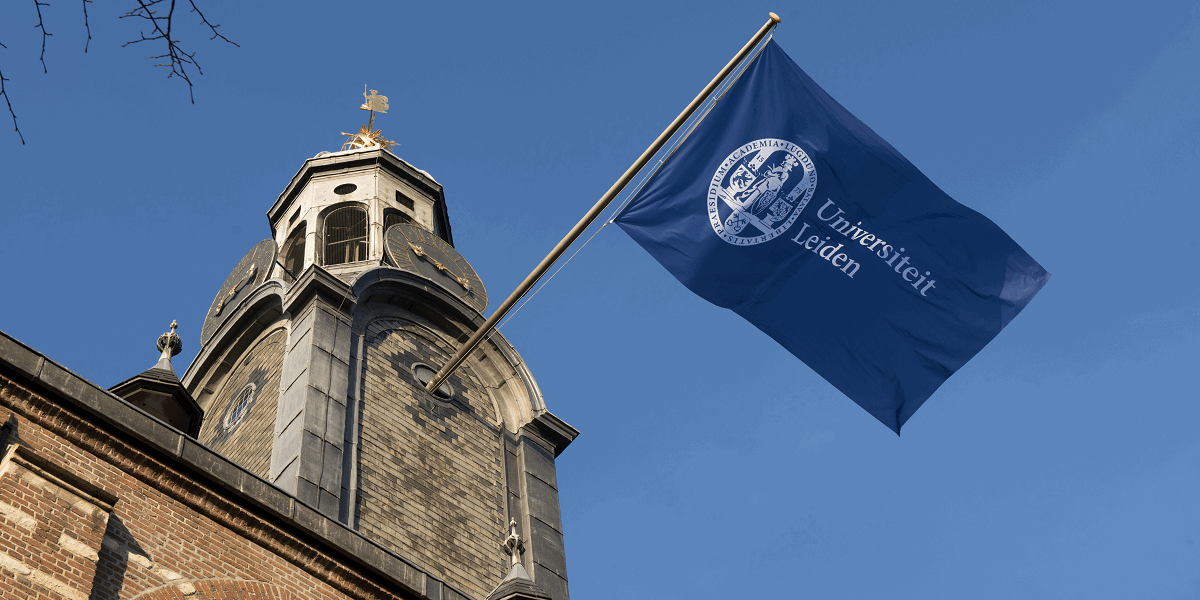
Archaeological Science (MSc)
Leiden University's Master of Science in Archaeological Science is a specialized program focusing on the scientific methodologies and techniques crucial to modern archaeology. You will engage in both hands-on field experience and laboratory work within a dynamic research environment. The curriculum offers considerable flexibility, allowing you to tailor your studies to your specific interests, whether in archaeobotany, archaeozoology, human osteoarchaeology, material culture analysis, or computational archaeology. You can also complement your chosen specialization with courses on specific regions or time periods, developing expertise in a chosen field and geographical area. Upon graduation, you will hold a Master of Science degree in Archaeology, well-prepared for a career in archaeological sciences.
Archaeology (MA/MSc)
The Master's programme in Archaeology at Leiden University allows you to study past societies and cultures, reconstructing them and bringing them to life. You will explore how to use your interest in the past to address contemporary societal challenges like migration, globalisation, and climate change. The programme offers a solid foundation for a career in archaeology, heritage management, policy, or the museum sector. You will gain regional expertise in Europe, the Near East, the Mediterranean, and the Americas, all within a faculty that ranks among the top in the world for archaeology research and teaching.
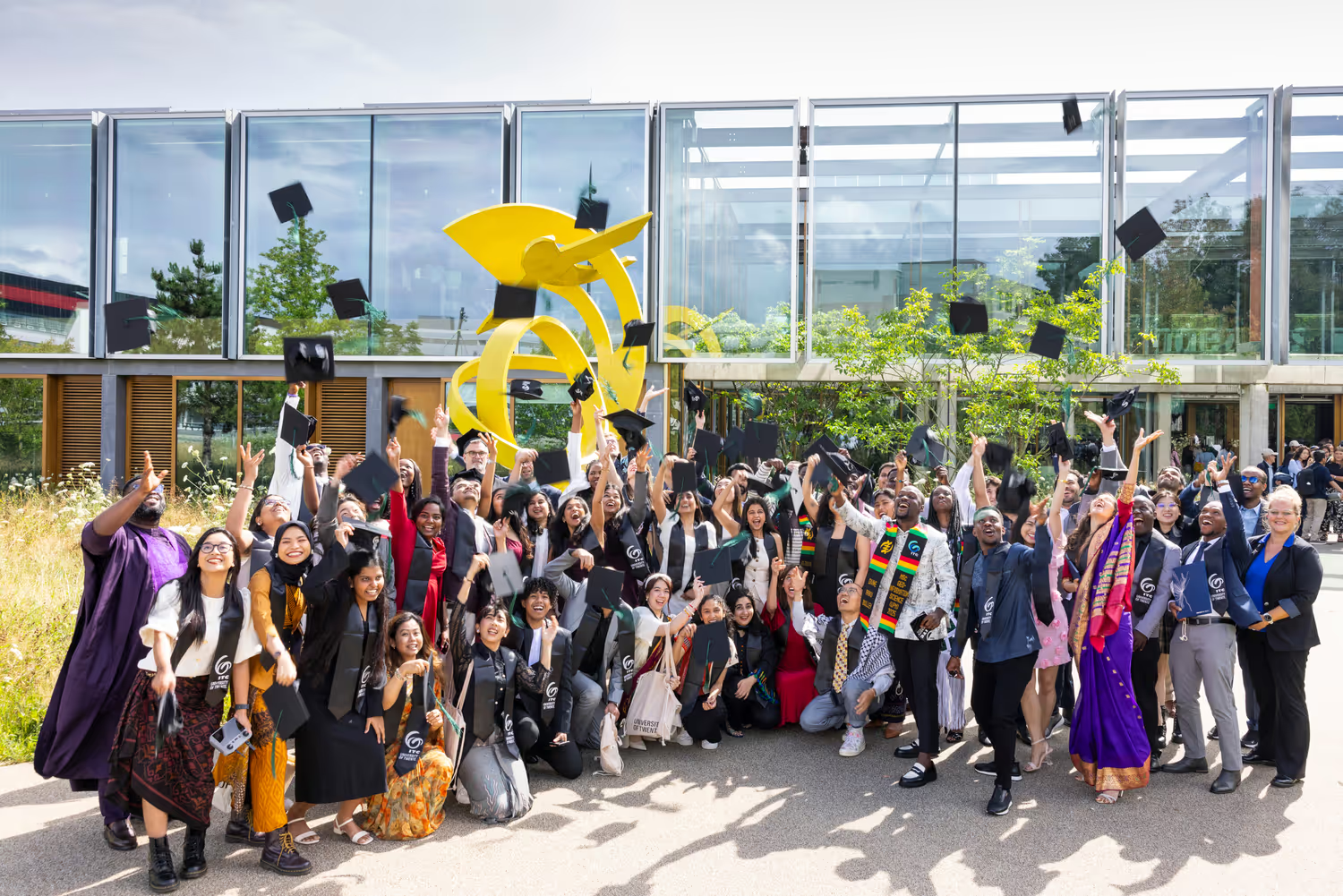
Doctoral Candidate - Temporal Integration for High-Tech (Remote) Sensing of Natural and Built Ecosystems
This PhD position at the University of Twente focuses on integrating advanced sensing technologies and Earth system models to address environmental and societal challenges. You will contribute to the understanding and sustainable management of natural and built ecosystems. The project is part of the ITEM initiative, which combines a distributed sensor network, ground observations, and satellite imagery to monitor and model environmental processes. The research aims to develop an explainable, GeoAI-supported framework for integrating observational data with Earth system models. This will lead to more accurate predictions of environmental phenomena like air quality, heat, and drought, supporting evidence-based decision-making for critical societal missions such as sustainable living environments, agriculture, water management, and public health. The University of Twente offers a stimulating, international academic environment with excellent research facilities and a strong commitment to professional development. The Netherlands provides a high quality of life and a welcoming atmosphere for international researchers.
Frequently asked questions
How many Natural Sciences programmes are available in the Netherlands?
+
There are 3 Natural Sciences programmes available across 2 universities in the Netherlands, including at the International Institute for Geo-Information Science and Earth Observation and Universiteit Leiden.
How much does it cost to study Natural Sciences in the Netherlands?
+
Tuition varies by programme — check each individual listing, noting that EU and non-EU students are charged different rates at Dutch universities.
Which universities offer Natural Sciences in the Netherlands?
+
The International Institute for Geo-Information Science and Earth Observation and Universiteit Leiden are among the universities offering Natural Sciences programmes in the Netherlands.
Can international students apply to Natural Sciences programmes in the Netherlands?
+
Yes, the Netherlands is highly international and many programmes are taught in English; non-EU students should arrange a student visa through the IND.
What are the typical entry requirements for Natural Sciences in the Netherlands?
+
A strong secondary-school background in science subjects or a relevant bachelor's degree (for master's programmes) is required, along with English language proficiency such as IELTS or TOEFL.