Civil Engineering in United Kingdom
The United Kingdom has 14 Civil Engineering programmes at 9 universities, spanning a wide spectrum from foundation and undergraduate courses to postgraduate degrees. Institutions such as University College London, Oxford Brookes University, Queen's University Belfast, and Coventry University are among those represented, alongside specialist providers like West Herts College and the London School of Economics and Political Science.
Tuition fees range from roughly €11,000 to €49,000 per year depending on the institution and programme level, reflecting the breadth of the UK higher education market. The UK's well-established engineering accreditation bodies — including the Institution of Civil Engineers (ICE) — mean that many programmes lead to recognised professional qualifications, and graduates find strong employment demand in construction, infrastructure, and urban development sectors globally.

Civil Engineering BEng (Hons)
This Bachelor of Engineering (Honours) in Civil Engineering program equips you with the knowledge and skills to design, manage, and oversee significant projects that shape the world. You will delve into the core theories and practical applications of civil engineering, fostering both individual expertise and collaborative teamwork. The curriculum covers essential areas including structures, geotechnics, materials science, fluid mechanics, transportation infrastructure, surveying, and construction management.

Computer Science with Artificial Intelligence BSc (Hons)
This BSc (Hons) Computer Science with Artificial Intelligence degree is designed to equip you with the foundational knowledge and practical skills needed for a career in the rapidly evolving field of computer science, with a specialisation in artificial intelligence. You will explore core areas of computing while delving into the principles and applications of AI, machine learning, and data science. The course aims to develop your problem-solving abilities and prepare you for roles in a technologically driven world. Throughout the programme, you will engage with a blend of theoretical concepts and hands-on projects, allowing you to apply your learning to real-world scenarios. The curriculum is structured to foster a deep understanding of both software development and intelligent systems, ensuring graduates are well-prepared for the demands of the industry. Graduates will be ready to contribute to innovation in areas such as AI development, data analysis, and software engineering. The university is committed to providing a supportive learning environment, with access to modern facilities and resources to enhance your educational experience. This degree offers a pathway to a dynamic career, enabling you to shape the future of technology.
Computer Science with Artificial Intelligence MSc
This Master of Science (MSc) program focuses on the rapidly evolving field of Artificial Intelligence (AI) and its applications within computer science. You will gain a comprehensive understanding of AI principles, machine learning, and data science, preparing you for advanced roles in this in-demand sector. The course emphasizes practical skills development, enabling you to design, implement, and evaluate intelligent systems. The curriculum is structured to provide both theoretical knowledge and hands-on experience. You will explore key areas such as neural networks, natural language processing, computer vision, and intelligent agents. Through project work and case studies, you will learn to tackle complex problems using AI techniques. This MSc is designed for individuals with a strong background in computer science or a related discipline who wish to specialize in AI.

Construction
Modern construction methods are transforming the industry towards smarter, greener, and more sustainable building practices. Enhanced technical knowledge in the built environment is creating new job roles, innovative working methods, and career paths with strong foundations. A career in construction demands a meticulous approach, sharp attention to detail, and effective problem-solving skills, which are key to unlocking a wide range of professional opportunities.

Construction Management and Engineering
The Construction Management and Engineering MSc at Aston University provides a comprehensive understanding of the construction industry, covering the entire project lifecycle from design through to asset management. This program is designed for graduates and experienced professionals looking to deepen their expertise or transition into the construction sector. It incorporates fundamental and contemporary issues in construction management and engineering, aligned with leading professional bodies like JBM, APM, RICS, and CIOB. Students will gain cutting-edge knowledge, management, and problem-solving skills, preparing them to be reflective professionals capable of addressing the complex challenges in today's construction environment. The curriculum is supported by frequent industry engagement, ensuring practical relevance and real-world application of learned concepts. For those seeking extended professional experience, a Professional Practice route is available, allowing students to extend their studies to 22 months through a suitable placement, providing valuable hands-on experience in the industry.

Executive MSc in Cities
The Executive MSc in Cities is designed for public, private, and third-sector leaders who are involved in leading large-scale change in cities. This program leverages LSE’s interdisciplinary strengths to help you analyze urban projects and policies from economic, social, and environmental perspectives, covering topics like urban economics, infrastructure, and environmental sustainability. You will apply theoretical concepts to real-world urban issues throughout the program. A significant component is a six-month consultancy project, either within your own organization or with an external partner, allowing you to apply your learning and develop policy or program interventions. The program is delivered in intensive, modular blocks by LSE Cities, an award-winning center known for its applied research on contemporary urban complexities. You will engage with a network of city leaders and urban specialists, gaining practical insights to drive urban transformation and shape sustainable development.
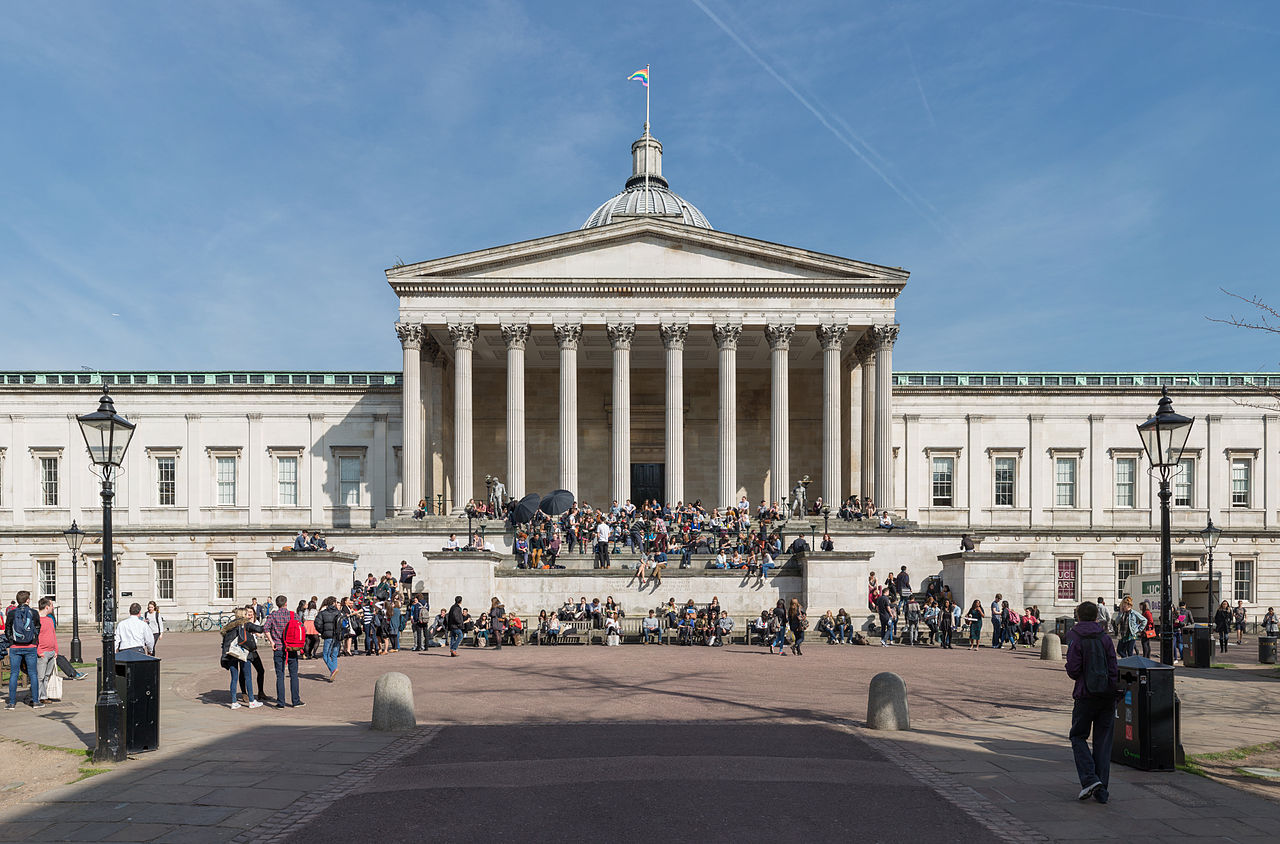
Geospatial Sciences (Building Information Modelling and Surveying) MSc
This one-year Master of Science (MSc) program at University College London (UCL) focuses on Geospatial Sciences with a specialization in Building Information Modelling (BIM) and Surveying. It provides a comprehensive understanding of surveying principles, 3D reality capture, and related technologies, covering both the geometric and semantic aspects of BIM, digital twins, and the integrated management of geospatial and BIM data. The course integrates theory with practical, project-based experience, equipping students with in-demand technical and transferable skills for a career in the geospatial industry.

MSc Civil Engineering
The MSc Civil Engineering program at the University of Southampton provides advanced knowledge and skills in a broad range of civil engineering topics. This course is designed for graduates with a civil engineering background who wish to deepen their expertise and prepare for leadership roles in the industry. It covers key areas such as structural engineering, geotechnics, water engineering, and transportation engineering, allowing students to tailor their studies to their specific interests.
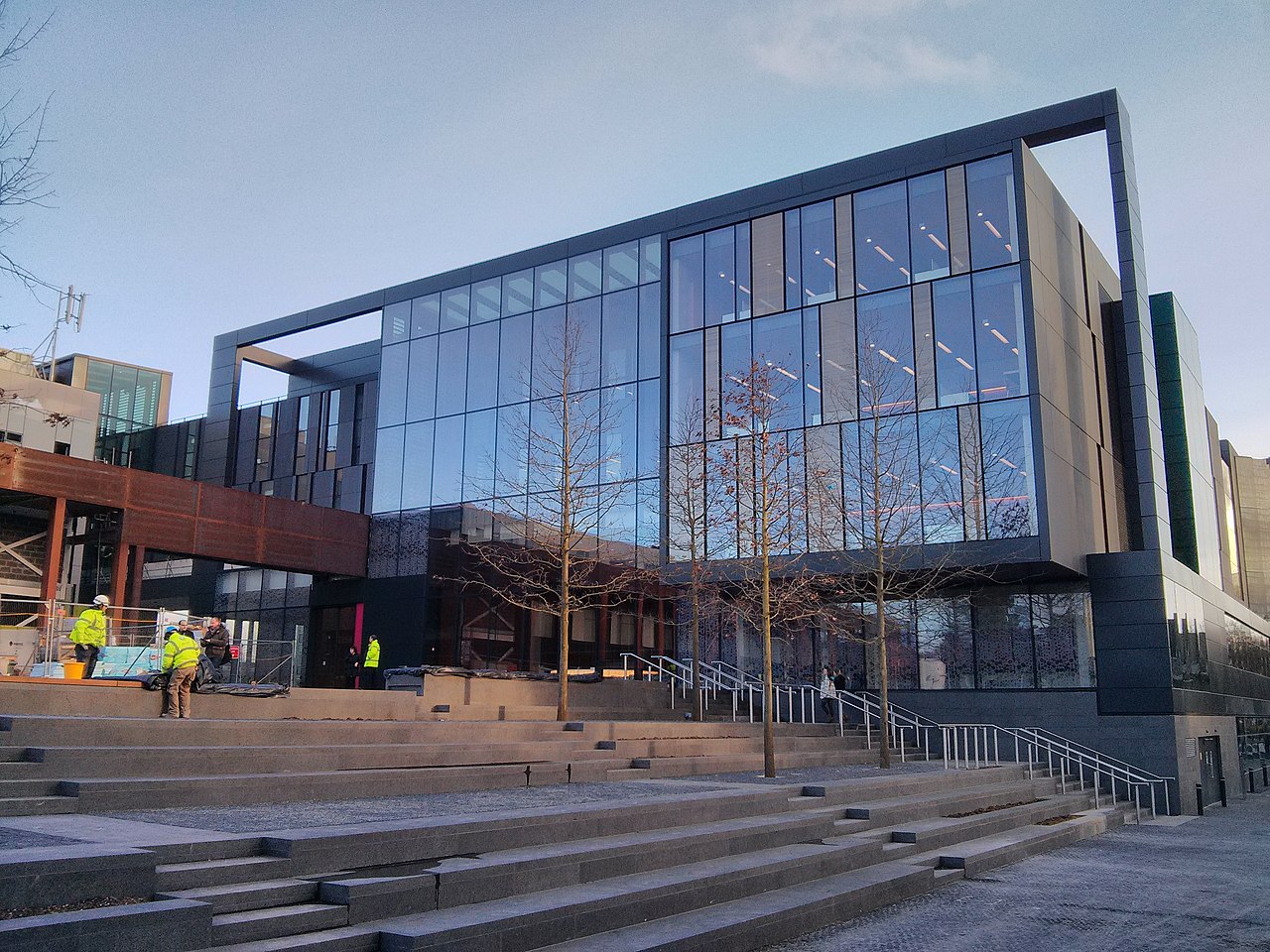
Property Development and Planning
Property Development and Planning BSc (Hons)
This BSc (Hons) Property Development and Planning course equips you with the specialist skills needed for a career in the dynamic property industry. While designed with planning consultancy in mind, the skills learned are transferable to roles in quantity surveying, asset management, and beyond. The program emphasizes practical application through real-world projects, site visits, guest lectures, and networking events. An optional placement year offers valuable industry experience in planning consultancies or local authorities, preparing you for future professional roles.
Structural Engineering - Digital Construction MSc
This Master of Science (MSc) program focuses on Structural Engineering with an emphasis on Digital Construction. It is designed for individuals fascinated by the design and construction of buildings, bridges, and other structures. The course will equip you with the knowledge and skills to apply scientific and mathematical principles to design and analyze structures, understand material properties and behavior, and ensure structural stability against various loads and environmental factors. You will explore topics like statics, dynamics, mechanics, and materials science, integrating theoretical knowledge with practical applications using advanced software and Building Information Modelling (BIM) tools. The program offers a blend of theory and application, allowing you to see how concepts relate to real-world problems through computational analysis and structural design. You will gain experience in designing steel and concrete structures, with specific opportunities to focus on tall buildings and bridges. The curriculum encourages a deep understanding of structural engineering principles and their application in modern digital construction environments.
Urban Development Planning MSc
The Urban Development Planning MSc at UCL equips you with the analytical and practical tools to address complex urban challenges and promote more equitable city futures. This program focuses on understanding and tackling multi-dimensional inequalities and fostering just urban development. You will critically engage with planning theory and practice, learning to work across various scales and sectors. The course emphasizes collaborative knowledge-building with communities and institutions to drive sustainable and inclusive urban change.
Frequently asked questions
How much does it cost to study Civil Engineering in the United Kingdom?
+
Tuition fees run from roughly €11,000 to €49,000 per year. Fees depend heavily on the institution and level of study, with London-based universities typically charging at the higher end.
Which universities offer Civil Engineering programmes in the United Kingdom?
+
The 14 programmes are spread across 9 institutions including University College London, Oxford Brookes University, Queen's University Belfast, and Coventry University.
Can international students apply to Civil Engineering programmes in the United Kingdom?
+
Yes. UK universities actively recruit international students for engineering programmes, though non-EU/EEA applicants pay international tuition fees and may need a Student visa.
What are typical entry requirements for Civil Engineering in the United Kingdom?
+
Undergraduate applicants typically need strong A-levels or equivalent in mathematics and physics. Postgraduate applicants need a relevant bachelor's degree. English language tests such as IELTS are usually required for non-native speakers.
How do I apply to study Civil Engineering in the United Kingdom?
+
Undergraduate applications go through UCAS; postgraduate applicants apply directly to each university. Deadlines vary, so check institution websites well in advance of your intended start date.