Engineering & Technology in United Kingdom
The United Kingdom offers 85 Engineering & Technology programmes across 34 universities, making it one of Europe's most accessible destinations for students seeking a rigorous technical education. Institutions such as Oxford Brookes University, Cranfield University, the University of Warwick, and the University of Exeter provide options ranging from undergraduate specialisations to advanced postgraduate research. Tuition for international students ranges from free (some funded or scholarship-backed places) up to approximately €38,000 per year, reflecting significant variation between institutions and programme levels.
The UK's engineering sector is closely linked with world-class research centres and industry partnerships, giving graduates strong pathways into aerospace, civil, mechanical, and digital engineering careers. Applicants typically need strong secondary-school results in mathematics and sciences, and most universities require proof of English proficiency such as IELTS or equivalent. Entry is competitive, so early applications through the UCAS portal are recommended.

Advanced Materials: Engineering and Industrial Applications MSc
This Master of Science (MSc) program focuses on the discovery, development, and application of advanced materials, which are crucial for engineering innovation. You will gain a deep understanding of material properties, selection, processing, and advanced design techniques, informed by close collaborations with industry. The course is designed for graduates with science, engineering, or related degrees, as well as professionals seeking to enhance their qualifications or advance their careers in the field of materials science and engineering. Cranfield University has a strong history in advanced materials research, with applications ranging from gas turbine engines to supercars.
Advanced Motorsport Engineering MSc
The Advanced Motorsport Engineering MSc is designed for graduates in engineering, mathematics, physics, or applied sciences who are motivated to work in the motorsport industry. This intensive program focuses on honing your skills and expertise through rigorous teaching and practical project work, immersing you in the dynamic world of motorsport innovation. You will delve into cutting-edge advancements in materials science, aerodynamics, engine development, and data analysis, preparing you for a successful career at the forefront of motorsport technology. Cranfield University has a long-standing history of research and consultancy in motorsport, boasting facilities like the FIA-approved Cranfield Impact Centre and Cranfield Motorsport Simulation, which collaborate with leading F1 and motorsport companies. The course is highly respected by the industry due to this established track record and its focus on the fundamental scientific, engineering, and managerial principles essential for motorsport and high-performance technology. Through this MSc, you will gain a deep understanding of the design, construction, and operation of competition vehicles, alongside critical aspects of materials science, aerodynamics, structural analysis, vehicle systems, and motorsport-specific management techniques. The program emphasizes developing the skills needed for planning, executing, and reporting on motorsport projects, providing practical experience with Cranfield's specialized equipment and opportunities to engage with industry practitioners.
Aerospace Computational Engineering MSc
This MSc program focuses on applying state-of-the-art computational methods to aerospace engineering challenges in the digital age. It's designed to equip you with advanced software engineering skills and mathematical analysis techniques demanded by the evolving aerospace industry. The course emphasizes fully integrated digital design, enabling you to understand and implement numerical methods on various computing platforms for aerospace applications. You will gain expertise in computational fluid and solid mechanics relevant to aerospace, fostering cross-disciplinary learning and knowledge transfer. This program is ideal for those with backgrounds in mathematics, physics, computer science, or engineering, including those seeking to enhance their computational skills with relevant industrial experience.
Aircraft Engineering MSc
The Aircraft Engineering MSc is designed for professionals working in the aerospace industry who wish to advance their careers through part-time postgraduate study. The program addresses the projected demand for engineers with advanced technical and business skills in aircraft design, integration, and leadership roles. It aims to provide accelerated development, equipping students with a strong foundation for career progression and further learning requirements for Chartered Engineer status. Cranfield University has a long-standing reputation in postgraduate aerospace education since 1946, with a curriculum informed by an Industrial Advisory Panel of senior industry professionals. This MSc is delivered on a part-time, modular basis over two or three years, requiring nine weeks of attendance on campus spread across the duration. The course structure combines taught modules with a significant individual research project, allowing students to investigate topics relevant to their employers. A group project focuses on early-stage aircraft design, enhancing teamwork and communication skills.

Architectural Design & Technology BA(Hons)
This hands-on, design-led degree focuses on using technology to create sustainable and innovative built environments. You'll combine architectural design principles with construction technology, emphasizing environmental thinking. The course prepares you to use technology for simulating, modeling, designing, and testing architectural solutions through real-life projects. You'll develop a critical perspective on the built environment and learn how technology is crucial for the future of architecture. You can choose between a three-year program or a four-year program with an optional professional placement, gaining practical experience and industry connections. Learning takes place in professional studio settings, often in collaboration with BA(Hons) Architecture students. The program emphasizes project-based learning to equip you with the technical and digital expertise needed for careers supporting architectural and design practices.

Architectural Design and Technology
The BSc (Hons) Architectural Design and Technology program at Buckinghamshire New University is designed to equip you with the essential knowledge and skills to become a professional architectural technologist. This course integrates core areas of design, technology, and building project management, preparing you to ensure the optimal functionality of structures and buildings. Throughout the program, you will gain comprehensive understanding of the architectural design process, from conceptualisation to construction. The curriculum focuses on developing practical, in-demand skills, providing a strong foundation for a successful career in the architectural technology sector. You will learn to navigate the complexities of design, technology, and project delivery.
-(1).jpg)
Architectural Technology and Practice with Foundation Year BSc (Hons)

Architectural Technology with a Foundation Year - BSc (Hons)
The BSc (Hons) Architectural Technology with Foundation Year degree at Birmingham City University combines the science of construction with the art of design. This four-year program, starting with a Foundation Certificate, focuses on developing your skills in creating and structuring built environments, considering aspects like buildability, technology, procurement, and sustainability. You will gain hands-on experience using industry-standard CAD software, including 2D, 3D, and Building Information Modelling (BIM). Located in Birmingham's City Centre Campus, you'll be immersed in a vibrant urban environment undergoing significant regeneration, offering unique learning opportunities. The course benefits from strong industry links, providing opportunities for site visits, live projects, and potential work placements. This exposure helps you gain practical experience and build valuable professional contacts, preparing you for a successful career as an Architectural Technologist.
Astronautics and Space Engineering MSc
The MSc in Astronautics and Space Engineering at Cranfield University is designed to prepare graduates for successful careers in the global space sector. This program addresses the continuous demand for skilled professionals with a strong understanding of spacecraft systems engineering and a broad range of technical abilities. The curriculum is constantly evolving to reflect industry needs, covering areas from earth observation and planetary exploration to launch vehicles and spacecraft operations. This master's degree is internationally recognised, and many students secure employment or research positions before completing their studies. The course offers unique opportunities to connect with potential employers through industry partner events, guest lectures, and dedicated interview days. Cranfield's strong alumni network in space agencies and companies worldwide provides valuable connections for graduates entering the industry.
Bachelor of Science (BS) in Computer Engineering
BSc (Hons) Architectural Technology and Practice
This BSc (Hons) Architectural Technology and Practice degree is designed to equip you with a recognised professional qualification and the latest industry knowledge in architectural technology. With a strong focus on practical application, you will engage in design and technology projects, field trips, and receive insights from leading industry professionals. The course is accredited by the Chartered Institute of Architectural Technologists (CIAT), with the University of Derby recognised as a CIAT Centre of Excellence. Graduates are well-prepared for roles in architectural practice, consultancy, property development, and building contracting.
BSc (Hons) Audio Engineering & Production
The BSc (Hons) Audio Engineering & Production degree focuses on the critical role of audio in media industries like music, film, television, and games. This course offers a blend of practical vocational skills and academic learning, preparing you for careers in audio engineering or further postgraduate study. You will gain hands-on experience in professional-standard recording studios equipped with industry-leading hardware and software.
BSc (Hons) Computer Science
This BSc (Hons) Computer Science degree offers a solid foundation in essential computer science areas, including programming, cyber security, and artificial intelligence. You can tailor your studies with specialized electives in fields like data mining, human-computer interaction, and games technology, gaining skills highly valued by employers. The program focuses on teaching popular programming languages such as Java, Python, and C#, alongside web development tools and database management. You'll also learn to use industry-standard software. The curriculum emphasizes a flexible liberal arts framework, fostering problem-solving, adaptability, and collaboration. Graduates are well-prepared for diverse career paths in the technology sector and possess skills for advanced Master's level study.

Computer Engineering BSc (Hons)
This Bachelor of Science (Honours) in Computer Engineering program equips you with the skills to design and build the complex technological systems essential for society. You will gain a comprehensive understanding of computer engineering, from microprocessors to operating systems, focusing on both hardware and software. The course covers modern computer systems, programming, robotics, artificial intelligence, virtual reality, and sensor systems, preparing you for roles in development, design, and management of industrial projects. You'll delve into areas like computer-aided engineering and industrial automation, building sensing systems and mastering embedded technologies. The curriculum spans from fundamental engineering principles and computer science concepts to advanced topics like control systems, instrumentation, and applied industrial automation. Graduates will possess the systems-level design expertise highly valued across a wide range of industries. The degree provides an accessible pathway into computer engineering, featuring industry-grade labs with state-of-the-art tools. It offers opportunities for international study and a sandwich year in industry, providing practical experience before graduation.

Computer Science B.Sc. (Hons) at Coventry University
This BSc (Hons) Computer Science degree provides a comprehensive foundation in the principles and practices of computing. You will explore fundamental concepts in programming, software development, artificial intelligence, and data science, preparing you for a dynamic career in the technology sector. The course emphasizes both theoretical knowledge and practical application, ensuring you develop the skills needed to tackle real-world challenges. Throughout the program, you will engage in hands-on projects, work with industry-standard tools, and gain experience in problem-solving and critical thinking. The curriculum is designed to be flexible, allowing you to tailor your learning towards areas of interest within computer science. Graduates are equipped with the expertise to contribute to various IT roles and adapt to the ever-evolving landscape of technology.

Computer Systems Engineering MEng
This integrated Master of Engineering (MEng) degree combines Computer Science and Electronic Engineering, focusing on the design and real-time application of computer systems. It's ideal for students seeking to develop a strong skillset at the intersection of these two fields, understanding the technologies that power our connected world. You will be taught jointly by the Department of Computer Science and the School of Engineering. The course allows for flexibility, with the option to undertake a year in industry, research, or study abroad between Years Two and Three, or between Years Three and Four, which will be reflected in your degree title.

Construction Management and Engineering
The Construction Management and Engineering MSc at Aston University provides a comprehensive understanding of the construction industry, covering the entire project lifecycle from design through to asset management. This program is designed for graduates and experienced professionals looking to deepen their expertise or transition into the construction sector. It incorporates fundamental and contemporary issues in construction management and engineering, aligned with leading professional bodies like JBM, APM, RICS, and CIOB. Students will gain cutting-edge knowledge, management, and problem-solving skills, preparing them to be reflective professionals capable of addressing the complex challenges in today's construction environment. The curriculum is supported by frequent industry engagement, ensuring practical relevance and real-world application of learned concepts. For those seeking extended professional experience, a Professional Practice route is available, allowing students to extend their studies to 22 months through a suitable placement, providing valuable hands-on experience in the industry.
Coventry University International College
Coventry University International College (CUIC) offers a pathway to a Coventry University degree. It provides a supportive environment for international students to develop the academic and English language skills needed for success in higher education in the UK. CUIC programs are designed to prepare students for direct entry into the second year of undergraduate degrees at Coventry University, or for diplomas and certificates. Students at CUIC benefit from a dedicated campus with modern facilities, smaller class sizes for more personalized attention, and a curriculum tailored to prepare them for university-level study. The college focuses on developing independent learning, critical thinking, and research skills, which are essential for academic achievement.
Defence Simulation and Modelling MSc
This Master of Science (MSc) course focuses on the design, development, procurement, use, and management of models and simulations specifically for defence applications. It covers areas like experimentation, training, testing, and the analysis and assessment of military forces, systems, and equipment, with an emphasis on the battlespace and operational levels. The course explores how modelling and simulation are transforming system development and training by allowing for the representation of complex scenarios, thereby reducing wear on live equipment and minimising disruption to test and training areas. Graduates will gain a comprehensive understanding of modelling and simulation technologies, methodologies, principles, and terminology as applied in defence contexts, including its challenges and benefits. The course leverages facilities like the Simulation and Synthetic Environment Laboratory (SSEL) to provide practical experience in areas such as training, acquisition, decision support, and experimentation. The curriculum is informed by an External Advisory Panel comprising members from the defence industry and the UK Ministry of Defence (MoD). This panel provides input on curriculum content and the skills graduates should possess to meet practitioner needs. The MSc requires students to complete eight standard modules and four advanced modules, followed by an individual research project and thesis. The PgDip and PgCert qualifications involve a reduced set of modules without the final thesis. Delivery includes classroom and laboratory teaching, with coursework accounting for 60% of the assessment and the dissertation for 40%. Part-time study is available, allowing students to follow an agreed individual programme at their convenience.
Design Engineering Foundation Programme
The Design Engineering Foundation Programme at Aston University is designed to equip you with the fundamental knowledge and skills needed to progress to a BEng Design Engineering degree. This one-year, full-time program offers a comprehensive introduction to the principles and disciplines of design engineering. You will engage in a collaborative learning environment, combining academic modules, specific subject knowledge, and project-based learning alongside students from various engineering disciplines. This interdisciplinary approach mirrors real-world professional settings, fostering critical thinking, problem-solving, and teamwork abilities crucial for a successful career in design engineering. The programme focuses on hands-on practical experience, utilizing state-of-the-art facilities and industry-standard software. Dedicated academics provide guidance and support, ensuring a smooth transition for students from diverse educational backgrounds.
Digital and Technology Solutions Degree Apprenticeship
This part-time, award-bearing programme leads to a BSc (Hons) Degree in Digital and Technology Solutions. It is designed to meet the requirements of the L6 Digital and Technology Solutions Professional Apprenticeship Standard. The modern world relies on integrated solutions involving people, data, organisations, and technology. This programme equips participants with the practical skills and knowledge to apply interdisciplinary approaches for business-relevant solutions. It is ideal for aspiring digital and technology professionals, whether they are new to the field or looking to upskill. The programme caters to individuals seeking to develop new products, services, or increase organisational productivity by combining digital, technology, and business concepts.
Doctor of Philosophy (PhD) in Communication
The Doctor of Philosophy (PhD) in Communication at The American University in London is a three-year, research-intensive program focused on the intersection of media, technology, and democracy. The program examines how media and technology influence democratic culture and politics, with a core mission centered on contributing to a healthier democratic process. Students engage in rigorous scholarship using both quantitative and qualitative approaches, aiming for real-world impact. The interdisciplinary nature of the program allows students to leverage diverse intellectual resources across the university and connect with NGOs, media companies, and government institutions in the Washington D.C. metro area. Graduates are prepared for careers in academia, public policy, media production, and government.
Doctor of Philosophy (PhD) in Computer Engineering
Doctor of Philosophy (PhD) in Engineering
Embark on a Doctor of Philosophy (PhD) in Engineering at the University of Warwick, joining a vibrant international research community dedicated to advancing science and technology. Under the guidance of world-leading academics, you will contribute to original research that pushes the boundaries of your chosen field, with opportunities to present your findings at conferences and connect with industry leaders. This program blends doctoral-level research with practical industrial relevance, reflecting WMG's global reputation for academic excellence and impactful collaboration. You will focus on discovering, interpreting, and communicating new knowledge, culminating in research outcomes that significantly advance your discipline. The program is designed for ambitious individuals seeking to solve complex challenges and make a tangible impact in engineering and technology.
Doctor of Philosophy (PhD) in Hardware Engineering
DPhil in Materials
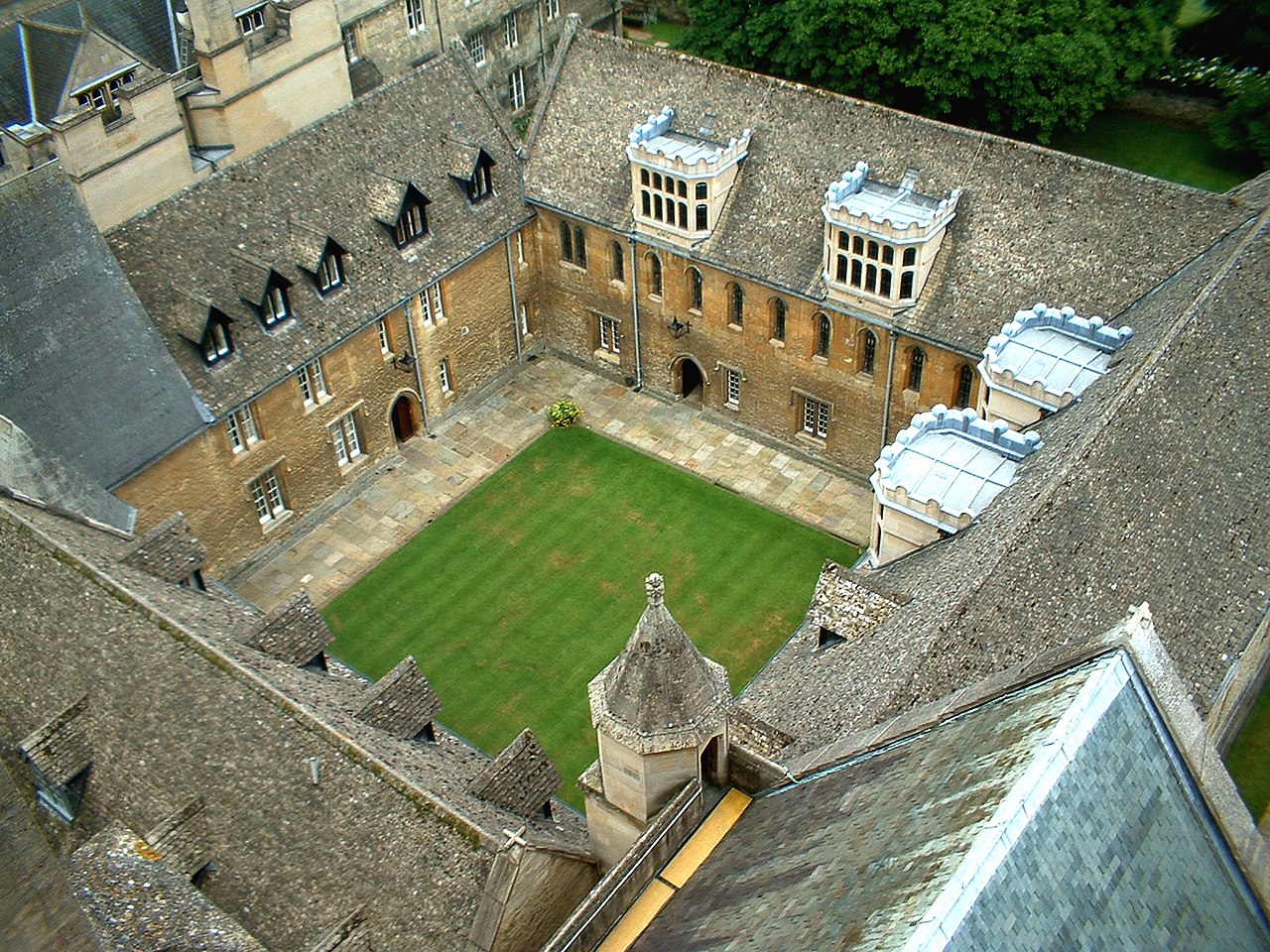
The DPhil in Materials at the University of Oxford is a research-intensive postgraduate program, typically completed in 3.5 to 4 years of full-time study. Students will conduct in-depth research under expert supervision, exploring a wide array of topics within materials science, solid-state physics, and chemistry. This program is ideal for students keen to contribute to cutting-edge research in areas such as energy storage, quantum devices, biomaterials, nanomaterials, and computational modelling. The course emphasizes practical, world-leading research, often conducted in collaboration with industry partners. Students will benefit from extensive resources, including state-of-the-art electron microscopy facilities and specialist laboratories. Graduates are highly sought after in diverse sectors, including academia, high-tech industries, engineering, and finance, due to the comprehensive skills and expertise gained during the program.

Engineering
Engineering is fundamental to how the world works, driving innovation and improvement in everything from transportation and communication to energy and healthcare. Engineers are problem-solvers who design, create, analyse, and enhance the systems and products we use daily. The field is crucial for developing sustainable solutions, improving infrastructure, and connecting communities, making it an ideal career for those with resilience and logical thinking skills.

Engineering at the University of Bradford
The University of Bradford offers a range of engineering programs designed to equip students with the skills to build solutions for global challenges. Through a blend of practical work and theoretical study, you will gain the knowledge needed for a successful career in engineering. The first year is multidisciplinary, providing a solid foundation across various engineering disciplines, allowing you to specialize in areas such as Biomedical, Chemical and Sustainable Process, Civil and Structural, Mechanical, or Software and Artificial Intelligence Engineering. The university emphasizes hands-on learning and offers access to cutting-edge facilities to foster innovation.

Engineering for International Development MSc
The MSc in Engineering for International Development at UCL is designed for individuals passionate about addressing global challenges through innovative and sustainable engineering solutions. This program equips you with specialized skills and knowledge to understand and solve pressing resource and sustainability challenges, with an emphasis on water, sanitation, energy, transportation, and building. You will develop leadership and technical skills through a collaborative, team-based approach, preparing you for impactful roles in diverse settings. The program integrates engineering principles with social, economic, and environmental considerations, fostering a holistic understanding of development issues. Benefit from UCL's world-renowned faculty and research facilities, and engage with a diverse cohort of international students. The curriculum emphasizes hands-on projects and real-world applications, ensuring you are well-prepared for a career dedicated to creating positive change in developing regions.
Engineering Foundation
Engineering Foundation (Foundation course)
Engineering MEng
This Master of Engineering (MEng) program offers a flexible and comprehensive approach to engineering studies, covering a broad range of disciplines. Delivered jointly by the School of Engineering and Warwick Manufacturing Group (WMG), the course equips you with in-depth knowledge and sought-after skills for a successful career in engineering. You will learn a multidisciplinary approach to problem-solving, project management, and effective communication, preparing you to lead, research, design, and innovate. The MEng degree allows you to delve into specialist areas of engineering through core and optional modules in your fourth year, culminating in a group project. This program is ideal if you wish to explore various engineering fields and gain a sustained, broad learning experience.
Engineering Programmes
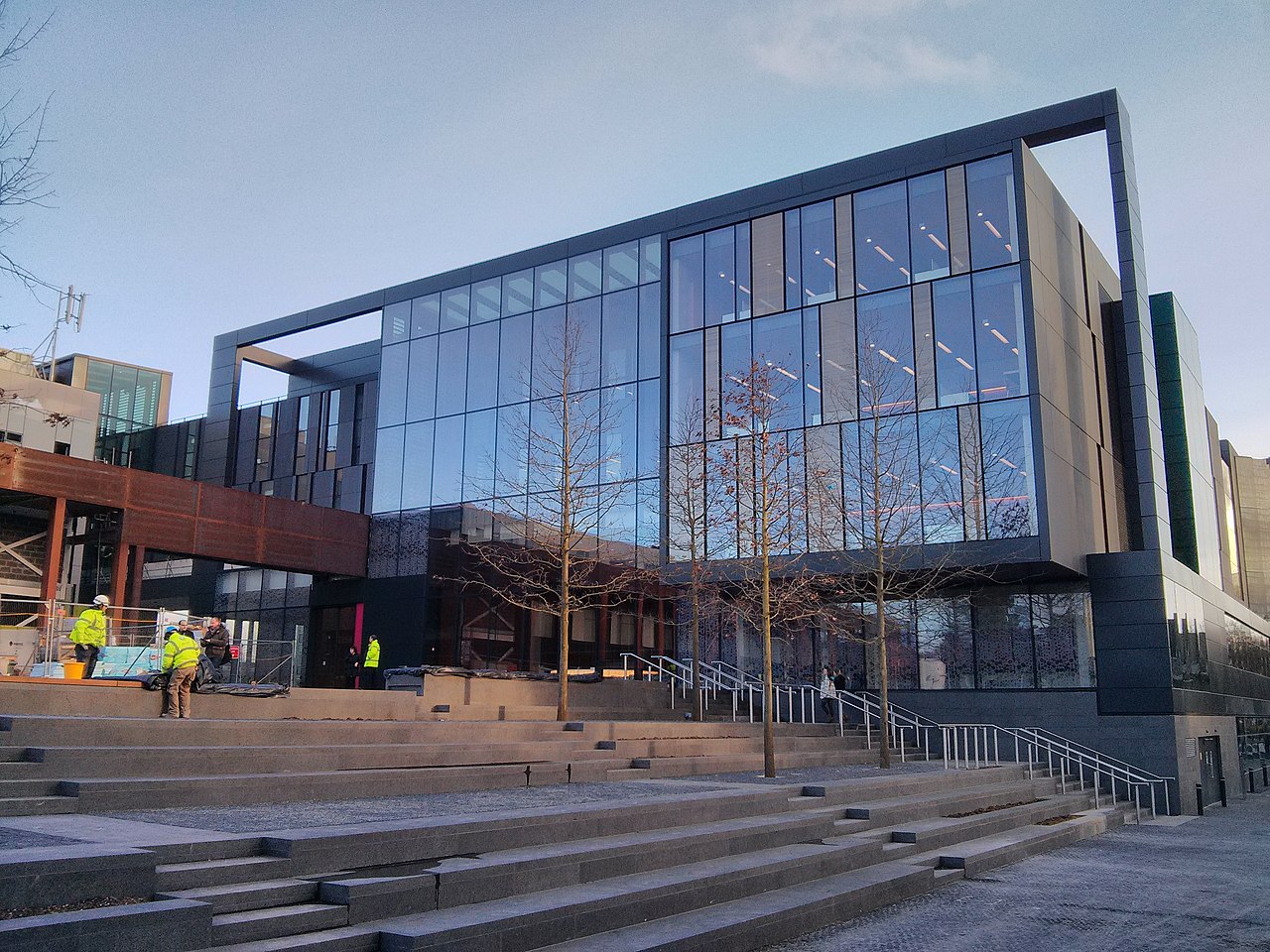
The University of Edinburgh's School of Engineering offers a variety of undergraduate (BEng/MEng), postgraduate (MSc), and research (PhD/MPhil/MRes) programmes. These programmes are delivered in a purpose-built environment designed to foster learning and research through collaboration between academics, students, and industry partners. The school focuses on excellence in teaching and research across various engineering disciplines.

Engineering, Motorsport & Construction

Executive Master of Public Administration (EMPA)
The Executive Master of Public Administration (EMPA) is designed for professionals seeking to advance their careers in public service, in roles affected by government regulation, or in organizations that bridge the public and private sectors. This program equips you with essential skills in policy analysis, economics, and political science to navigate complex global policy environments and achieve senior positions. Taught over 22 months in intensive blocks, the EMPA allows you to apply your learning directly to your work. You will learn from LSE's renowned faculty and engage with senior policymakers, benefiting from their practical insights into challenging policy issues. The interactive teaching style, featuring case studies and group work, fosters learning from both instructors and a diverse, experienced cohort of international students (averaging 12 years of professional experience and representing 77 nationalities). The program's flexible format accommodates students from outside the UK, with approximately 80% travelling to London for modules.

Hydrogen Storage in Engineered Caverns in Mid–Upper Triassic Salt of the East Irish Sea Basin
This PhD project focuses on assessing the potential of Triassic salt formations beneath the East Irish Sea as sites for underground hydrogen storage. You will analyze extensive well log and seismic data using industry-standard software to characterize these geological formations. The research is part of a multi-university project funded by Eni, combining subsurface modeling with practical fieldwork in salt mines, aiming to contribute to the development of low-carbon energy solutions.

Innovation and Entrepreneurship for Smart Technology MSc
This interdisciplinary Master of Science (MSc) programme is designed to equip students with both technical knowledge and an entrepreneurial mindset to drive innovation in smart technology sectors. It focuses on areas like data-driven decision-making, intelligent systems, digital platforms, and innovation strategy. Graduates will be well-prepared for roles in China's rapidly growing smart technology and digital innovation industries, or for starting their own ventures. The programme is delivered entirely on the Beijing Campus of Beijing University of Posts and Telecommunications (BUPT) as part of a joint education institute between Queen Mary and BUPT, and is open to Chinese nationals only. The curriculum integrates real-world entrepreneurial application with technical fluency in emerging fields such as machine learning and digital innovation. Students will learn to create, finance, and scale technology ventures, translating advanced technologies into impactful business solutions. Teaching is provided by expert academics from both Queen Mary and BUPT, fostering a diverse international learning environment and encouraging collaboration through hands-on projects.
Introduction to Explosives Engineering
This short course offers a comprehensive, through-life perspective on explosives ordnance engineering. It is taught at MSc standard and is ideal for military officers, defence industry professionals, government employees, and civilian students with a relevant science or engineering degree or equivalent experience. The course provides essential knowledge for those involved in the design, development, management, use, and disposal of ordnance, munitions, and explosives (OME).
LLM in Technology, Media and Telecommunications Law
This LLM program focuses on the rapidly evolving fields of Technology, Media, and Telecommunications law. It is designed for students who wish to specialize in the legal aspects of these dynamic industries. The full-time program provides a comprehensive understanding of the legal frameworks governing digital technologies, media content, and communication networks. You will gain insights into regulatory challenges, intellectual property issues, data protection, and competition law within these sectors.
Master of Science (MS) in Computer Engineering
Master of Science (MS) in Hardware Engineering
Master of Science (MSc) Advanced Computer Science
This Master of Science (MSc) Advanced Computer Science program is designed to equip you with a comprehensive understanding of modern computer science principles and practices. You will delve into advanced topics, develop critical thinking skills, and gain practical experience through a significant research project. This course is ideal for those looking to deepen their expertise in computer science and prepare for advanced roles in the industry or further academic research.
Master's Degree in Telecommunications Engineering
This hybrid Master's degree program in Telecommunications Engineering offers advanced and specialized knowledge in critical areas like networks, communication systems, and cybersecurity, with a focus on emerging technologies such as 5G and the Internet of Things (IoT). The program aims to equip professionals with the skills to design and implement electronic and telecommunication systems, delve into analog and digital electronics, and understand advanced concepts in computer networks and telecommunications. The curriculum emphasizes both theoretical knowledge, delivered online using the Relearning methodology, and practical application through a mandatory 3-week internship at a recognized company in the sector. This blended learning approach ensures students gain comprehensive training relevant to the evolving demands of the digital era.
Motor Vehicle Engineering
The motor vehicle engineering sector is experiencing significant change, driven by green initiatives and sustainability. This field offers exciting career prospects for individuals passionate about vehicles and technology. Graduates can pursue diverse roles such as engineers, maintenance specialists, garage managers, and data analysts. Employers highly value focused individuals with strong problem-solving skills, a keen interest in the field, and excellent technical abilities. The automotive industry is substantial, employing hundreds of thousands of people in manufacturing and related services, promising a dynamic and engaging future for skilled professionals.
Motorsport Engineering
Motorsport Engineering (Fd(Eng))
Motorsport Engineering BEng (Hons) or MEng
This motorsport engineering degree is designed to prepare you for a career as a design engineer within the motorsport industry. The curriculum is developed in collaboration with local and global motorsport organisations to ensure its relevance. The program combines theoretical knowledge with practical, hands-on experience, offering a comprehensive introduction to the field. You will have access to advanced research facilities for your learning. The course offers two pathways: a Bachelor of Engineering (BEng) and a Master of Engineering (MEng). Both pathways are designed to lead to industry accreditation, enhancing your future career prospects and opening doors for postgraduate study. You can choose to extend your studies for an additional year after completing the BEng to earn the MEng qualification. A focus on electric vehicles ensures you are prepared for the evolving landscape of motorsport technology.
Motorsport Technology
This Motorsport Technology degree equips you with the knowledge to master modern motorsport technology and pursue a career as an incorporated engineer. The curriculum covers a wide range of topics, from racing and road vehicle design to lap time simulation, blending practical experience with theoretical learning. The program is shaped in collaboration with the local and global motorsport industry. You will have full access to specialized automotive labs, which serve as both research and teaching facilities. Many of your instructors are experienced professionals from the motorsport industry, including Formula One, bringing invaluable expertise to your studies and future career.
Motorsport Technology
Motorsport Technology (BEng top-up)
MSc Advanced Engineering Materials
The MSc Advanced Engineering Materials program provides in-depth knowledge in the multidisciplinary field of engineering materials, integrating concepts from materials science, chemistry, physics, nanotechnology, and engineering. You will gain a comprehensive understanding of how material properties can be engineered at the atomic and molecular level to enhance performance and functionality. This course is designed to meet the evolving demands of industries requiring innovative and sustainable materials, such as aerospace, automotive, energy, healthcare, and electronics. You will engage in cutting-edge research, explore emerging materials, and contribute to the development of transformative technologies, driving innovation, improving product development, and enhancing manufacturing processes. Upon completion, graduates will be equipped to address challenges in areas like lightweight materials for energy-efficient transportation, clean energy generation, sustainable construction, and biocompatible medical materials.
MSc Applied Acoustics
This MSc Applied Acoustics is a top-up degree designed for professionals who already hold the Institute of Acoustics (IOA) Diploma in Acoustics and Noise Control. It offers a convenient distance learning route to a master's qualification, allowing you to build upon your existing knowledge and gain advanced skills in noise assessment and control. The program focuses on a research-based investigation, culminating in a thesis on an acoustics topic of your choice, which can be tailored to your current role and employer's needs if you are employed in the field. The University of Derby has over 30 years of experience in delivering acoustics courses and is a leading centre for the IOA Diploma in the Midlands.
MSc by Research in Design Engineering
This MSc by Research in Design Engineering is an opportunity to conduct independent research in a topic within the broad field of design engineering, supervised by Cranfield University's expert faculty. The program offers both applied practical pathways for new product development and innovation, as well as strategic innovation routes. It utilizes Design Thinking tools, techniques, and methods, informed by core research to guide design developments and decisions. Throughout your studies, you will engage in short workshops focusing on areas like User Centred Design, Design Realisation, Circular Innovation, and Creative Enterprise. You will be encouraged to develop your academic potential through publishing and attending conferences, and to participate in wider research activities. The university emphasizes a strong supervisor-student relationship, fostering a partnership for guidance and researcher development.
MSc by Research in Manufacturing and Materials
The MSc by Research in Manufacturing and Materials at Cranfield University offers a focused research opportunity for individuals seeking to deepen their expertise in this dynamic field. This program allows you to select a research topic aligned with your interests and contribute original insights. You will develop critical research skills, including methodologies, data analysis, and critical thinking, which are valuable for both academic and professional careers. Throughout your studies, you will receive personalized guidance from an expert academic supervisor. This pathway is designed for independent learners passionate about advancing the fields of manufacturing and materials. This flexible, industry-relevant research route enables you to undertake a significant project, often in collaboration with industry partners. It prepares graduates for leadership roles in various sectors, including academia. As an MSc by Research student, you will have access to state-of-the-art facilities and advanced resources. The program emphasizes in-depth research in cutting-edge areas, offering tailored projects that match your career aspirations. Graduates develop highly sought-after skills applicable to industries such as aerospace, automotive, energy, and general manufacturing.
MSc Engineering Business Leadership (Part-time)
The MSc in Engineering Business Leadership is designed for professionals working in engineering or technology-driven organisations who aim to advance into leadership roles. This part-time Master's program focuses on developing your knowledge and skills to manage complex business challenges, optimise efficiency, and enhance competitiveness. It combines strategic thinking with practical application, enabling you to influence others and lead teams effectively in a global environment. The curriculum is informed by industry leaders, ensuring relevance to current business needs, and aims to equip you with tools and techniques to deliver effective business solutions. The applied nature of the course allows you to integrate learning directly into your current role through work-based assignments. This not only benefits your organisation by providing immediate insights and improvements but also supports your professional development and career progression. You will gain an academic qualification from a top UK university while enhancing your practical leadership capabilities. The program offers flexibility, allowing students to exit with a Postgraduate Diploma after two years if desired, before potentially completing the full MSc. This course is ideal for first-line, middle, and senior managers with a technical or engineering background, or relevant work experience, who are seeking to move into or excel in leadership positions. It also serves those who wish to gain formal recognition for their existing skills and knowledge.
MSc Financial Technology (FinTech)
This Master of Science (MSc) in Financial Technology (FinTech) program at the University of Exeter provides a comprehensive education at the intersection of finance, economics, and technology. You will learn how to leverage technology to design and manage financial products and services, gaining a competitive edge through an understanding of emerging technologies and business innovations. The course benefits from the Business School's expertise in areas like Bitcoin, Blockchain, data science, and cybersecurity, offering a multidisciplinary approach to financial technology. Teaching methods include lectures, seminars, tutorials, and practical sessions like a 'Hackathon' module, emphasizing group work and the application of theory to real-world problems. You will be taught by leading academics whose research influences economic policy, and have the opportunity to engage with industry experts through guest talks. The program aims to equip you with practical skills, analytical abilities, and a deep understanding of the evolving FinTech landscape.
MSc Games Engineering
The MSc in Games Engineering at the University of Warwick equips you with advanced knowledge and practical skills for senior technical roles in the rapidly evolving computer games development industry. This postgraduate program focuses on the complex software engineering processes involved in video game creation, covering areas like high-performance graphics, programming, data structures, physics, AI, and networking. You will gain a deep understanding of the game development lifecycle, learning to build game engines from scratch and work effectively with existing ones. The curriculum emphasizes both theoretical foundations and hands-on application, utilizing programming languages like C++ and Python to explore core computing principles. Additionally, the course delves into visual computing and computer graphics, essential for creating interactive and visually rich experiences, skills transferable to various commercial and industrial sectors.
MSc Healthcare Management
This Master of Science (MSc) in Healthcare Management is designed for individuals who are currently in, or aspire to, management roles within the health and social care sectors. The program aims to equip you with the skills and knowledge to effectively navigate the complex and ever-changing landscape of healthcare and social care, fostering an understanding within an international context. You will learn alongside a diverse group of students from Scotland, Europe, and around the globe. This course is delivered by the School of Health and Social Care. Graduates have reported achieving promotions in their healthcare careers or pursuing further doctoral studies. Others have utilized this degree as a foundation for healthcare management positions in their home countries. The program boasts a high student satisfaction rate of 93% (PTES, 2023).

MSc in Engineering Management
The University of Hull offers an online Master of Science (MSc) in Engineering Management designed for professionals seeking to advance their careers in leadership and management roles within the engineering sector. This program focuses on developing the strategic and practical skills needed to manage complex engineering projects and teams effectively. It explores key areas such as project management, innovation, and strategic decision-making within an engineering context. The online format allows students to balance their studies with professional and personal commitments, making advanced education accessible globally.
MSc Motorsport Engineering
This Master of Science (MSc) program in Motorsport Engineering offers a blend of practical experience and theoretical knowledge to prepare you for a career in the motorsport industry. You will gain access to specialized automotive labs, a driving simulator, virtual reality spaces, and research facilities. The university's location in the 'motorsport valley' near Oxford provides unparalleled access to the industry, with opportunities to learn from and network with professionals from Formula One and Formula E teams. The course emphasizes hands-on learning and applying industry insights to your projects. The curriculum focuses on key areas of motorsport engineering, including advanced vehicle dynamics, aerodynamics, lap time simulation, race engineering strategies, and business management within the engineering sector. You will also explore electric vehicle technology. A significant part of the program involves an individual dissertation project, allowing you to research a specific area of interest, potentially collaborating with industry partners. The program aims to develop your technical expertise, research skills, and project management capabilities.
Frequently asked questions
How much does Engineering & Technology study in the UK cost?
+
Tuition ranges from free up to approximately €38,000 per year depending on the institution and programme level. Scholarship-backed or publicly subsidised places account for the lower end of that range.
Which universities offer Engineering & Technology programmes in the UK?
+
Among the 34 universities listed, notable options include Oxford Brookes University, Cranfield University, the University of Warwick, Falmouth University, and the University of Exeter.
Can international students apply to Engineering & Technology programmes in the UK?
+
Yes. UK universities actively recruit international students; most programmes require proof of English proficiency (such as IELTS 6.0–7.0) alongside academic transcripts in mathematics and sciences.
What are typical entry requirements for these programmes?
+
Undergraduate entry usually requires strong A-level or equivalent results in mathematics and a science subject; postgraduate programmes expect a relevant bachelor's degree, often with a minimum 2:1 classification.
How do I apply for an Engineering & Technology programme in the UK?
+
Undergraduate applicants apply through UCAS (ucas.com); postgraduate applicants apply directly to each university. Check individual programme pages for specific deadlines, as these vary by institution.