Bachelor's in Engineering & Technology in United Kingdom
The United Kingdom lists 23 Bachelor's programmes in Engineering & Technology across 15 universities, covering disciplines from mechanical and electrical engineering to computing and design technology. Institutions such as Cardiff University, Oxford Brookes University, Queen's University Belfast, and Falmouth University are among those in this catalogue.
Tuition for international students is approximately €18,000 per year across the listed programmes. The American University in London and the University of Bolton are further options in this catalogue. UK engineering degrees are accredited by professional bodies such as the IET and IMechE, and graduates benefit from strong employer recognition in both the UK and globally.

Architectural Design & Technology BA(Hons)
This hands-on, design-led degree focuses on using technology to create sustainable and innovative built environments. You'll combine architectural design principles with construction technology, emphasizing environmental thinking. The course prepares you to use technology for simulating, modeling, designing, and testing architectural solutions through real-life projects. You'll develop a critical perspective on the built environment and learn how technology is crucial for the future of architecture. You can choose between a three-year program or a four-year program with an optional professional placement, gaining practical experience and industry connections. Learning takes place in professional studio settings, often in collaboration with BA(Hons) Architecture students. The program emphasizes project-based learning to equip you with the technical and digital expertise needed for careers supporting architectural and design practices.

Architectural Design and Technology
The BSc (Hons) Architectural Design and Technology program at Buckinghamshire New University is designed to equip you with the essential knowledge and skills to become a professional architectural technologist. This course integrates core areas of design, technology, and building project management, preparing you to ensure the optimal functionality of structures and buildings. Throughout the program, you will gain comprehensive understanding of the architectural design process, from conceptualisation to construction. The curriculum focuses on developing practical, in-demand skills, providing a strong foundation for a successful career in the architectural technology sector. You will learn to navigate the complexities of design, technology, and project delivery.
-(1).jpg)
Architectural Technology and Practice with Foundation Year BSc (Hons)

Architectural Technology with a Foundation Year - BSc (Hons)
The BSc (Hons) Architectural Technology with Foundation Year degree at Birmingham City University combines the science of construction with the art of design. This four-year program, starting with a Foundation Certificate, focuses on developing your skills in creating and structuring built environments, considering aspects like buildability, technology, procurement, and sustainability. You will gain hands-on experience using industry-standard CAD software, including 2D, 3D, and Building Information Modelling (BIM). Located in Birmingham's City Centre Campus, you'll be immersed in a vibrant urban environment undergoing significant regeneration, offering unique learning opportunities. The course benefits from strong industry links, providing opportunities for site visits, live projects, and potential work placements. This exposure helps you gain practical experience and build valuable professional contacts, preparing you for a successful career as an Architectural Technologist.
Bachelor of Science (BS) in Computer Engineering
BSc (Hons) Architectural Technology and Practice
This BSc (Hons) Architectural Technology and Practice degree is designed to equip you with a recognised professional qualification and the latest industry knowledge in architectural technology. With a strong focus on practical application, you will engage in design and technology projects, field trips, and receive insights from leading industry professionals. The course is accredited by the Chartered Institute of Architectural Technologists (CIAT), with the University of Derby recognised as a CIAT Centre of Excellence. Graduates are well-prepared for roles in architectural practice, consultancy, property development, and building contracting.
BSc (Hons) Audio Engineering & Production
The BSc (Hons) Audio Engineering & Production degree focuses on the critical role of audio in media industries like music, film, television, and games. This course offers a blend of practical vocational skills and academic learning, preparing you for careers in audio engineering or further postgraduate study. You will gain hands-on experience in professional-standard recording studios equipped with industry-leading hardware and software.
BSc (Hons) Computer Science
This BSc (Hons) Computer Science degree offers a solid foundation in essential computer science areas, including programming, cyber security, and artificial intelligence. You can tailor your studies with specialized electives in fields like data mining, human-computer interaction, and games technology, gaining skills highly valued by employers. The program focuses on teaching popular programming languages such as Java, Python, and C#, alongside web development tools and database management. You'll also learn to use industry-standard software. The curriculum emphasizes a flexible liberal arts framework, fostering problem-solving, adaptability, and collaboration. Graduates are well-prepared for diverse career paths in the technology sector and possess skills for advanced Master's level study.

Computer Engineering BSc (Hons)
This Bachelor of Science (Honours) in Computer Engineering program equips you with the skills to design and build the complex technological systems essential for society. You will gain a comprehensive understanding of computer engineering, from microprocessors to operating systems, focusing on both hardware and software. The course covers modern computer systems, programming, robotics, artificial intelligence, virtual reality, and sensor systems, preparing you for roles in development, design, and management of industrial projects. You'll delve into areas like computer-aided engineering and industrial automation, building sensing systems and mastering embedded technologies. The curriculum spans from fundamental engineering principles and computer science concepts to advanced topics like control systems, instrumentation, and applied industrial automation. Graduates will possess the systems-level design expertise highly valued across a wide range of industries. The degree provides an accessible pathway into computer engineering, featuring industry-grade labs with state-of-the-art tools. It offers opportunities for international study and a sandwich year in industry, providing practical experience before graduation.

Computer Science B.Sc. (Hons) at Coventry University
This BSc (Hons) Computer Science degree provides a comprehensive foundation in the principles and practices of computing. You will explore fundamental concepts in programming, software development, artificial intelligence, and data science, preparing you for a dynamic career in the technology sector. The course emphasizes both theoretical knowledge and practical application, ensuring you develop the skills needed to tackle real-world challenges. Throughout the program, you will engage in hands-on projects, work with industry-standard tools, and gain experience in problem-solving and critical thinking. The curriculum is designed to be flexible, allowing you to tailor your learning towards areas of interest within computer science. Graduates are equipped with the expertise to contribute to various IT roles and adapt to the ever-evolving landscape of technology.
Coventry University International College
Coventry University International College (CUIC) offers a pathway to a Coventry University degree. It provides a supportive environment for international students to develop the academic and English language skills needed for success in higher education in the UK. CUIC programs are designed to prepare students for direct entry into the second year of undergraduate degrees at Coventry University, or for diplomas and certificates. Students at CUIC benefit from a dedicated campus with modern facilities, smaller class sizes for more personalized attention, and a curriculum tailored to prepare them for university-level study. The college focuses on developing independent learning, critical thinking, and research skills, which are essential for academic achievement.

Digital and Technology Solutions Degree Apprenticeship
This part-time, award-bearing programme leads to a BSc (Hons) Degree in Digital and Technology Solutions. It is designed to meet the requirements of the L6 Digital and Technology Solutions Professional Apprenticeship Standard. The modern world relies on integrated solutions involving people, data, organisations, and technology. This programme equips participants with the practical skills and knowledge to apply interdisciplinary approaches for business-relevant solutions. It is ideal for aspiring digital and technology professionals, whether they are new to the field or looking to upskill. The programme caters to individuals seeking to develop new products, services, or increase organisational productivity by combining digital, technology, and business concepts.

Engineering at the University of Bradford
The University of Bradford offers a range of engineering programs designed to equip students with the skills to build solutions for global challenges. Through a blend of practical work and theoretical study, you will gain the knowledge needed for a successful career in engineering. The first year is multidisciplinary, providing a solid foundation across various engineering disciplines, allowing you to specialize in areas such as Biomedical, Chemical and Sustainable Process, Civil and Structural, Mechanical, or Software and Artificial Intelligence Engineering. The university emphasizes hands-on learning and offers access to cutting-edge facilities to foster innovation.

Engineering Programmes
The University of Edinburgh's School of Engineering offers a variety of undergraduate (BEng/MEng), postgraduate (MSc), and research (PhD/MPhil/MRes) programmes. These programmes are delivered in a purpose-built environment designed to foster learning and research through collaboration between academics, students, and industry partners. The school focuses on excellence in teaching and research across various engineering disciplines.

Engineering, Motorsport & Construction
Motorsport Engineering
Motorsport Engineering BEng (Hons) or MEng
This motorsport engineering degree is designed to prepare you for a career as a design engineer within the motorsport industry. The curriculum is developed in collaboration with local and global motorsport organisations to ensure its relevance. The program combines theoretical knowledge with practical, hands-on experience, offering a comprehensive introduction to the field. You will have access to advanced research facilities for your learning. The course offers two pathways: a Bachelor of Engineering (BEng) and a Master of Engineering (MEng). Both pathways are designed to lead to industry accreditation, enhancing your future career prospects and opening doors for postgraduate study. You can choose to extend your studies for an additional year after completing the BEng to earn the MEng qualification. A focus on electric vehicles ensures you are prepared for the evolving landscape of motorsport technology.
Motorsport Technology
This Motorsport Technology degree equips you with the knowledge to master modern motorsport technology and pursue a career as an incorporated engineer. The curriculum covers a wide range of topics, from racing and road vehicle design to lap time simulation, blending practical experience with theoretical learning. The program is shaped in collaboration with the local and global motorsport industry. You will have full access to specialized automotive labs, which serve as both research and teaching facilities. Many of your instructors are experienced professionals from the motorsport industry, including Formula One, bringing invaluable expertise to your studies and future career.
Motorsport Technology
Motorsport Technology (BEng top-up)

School of Engineering
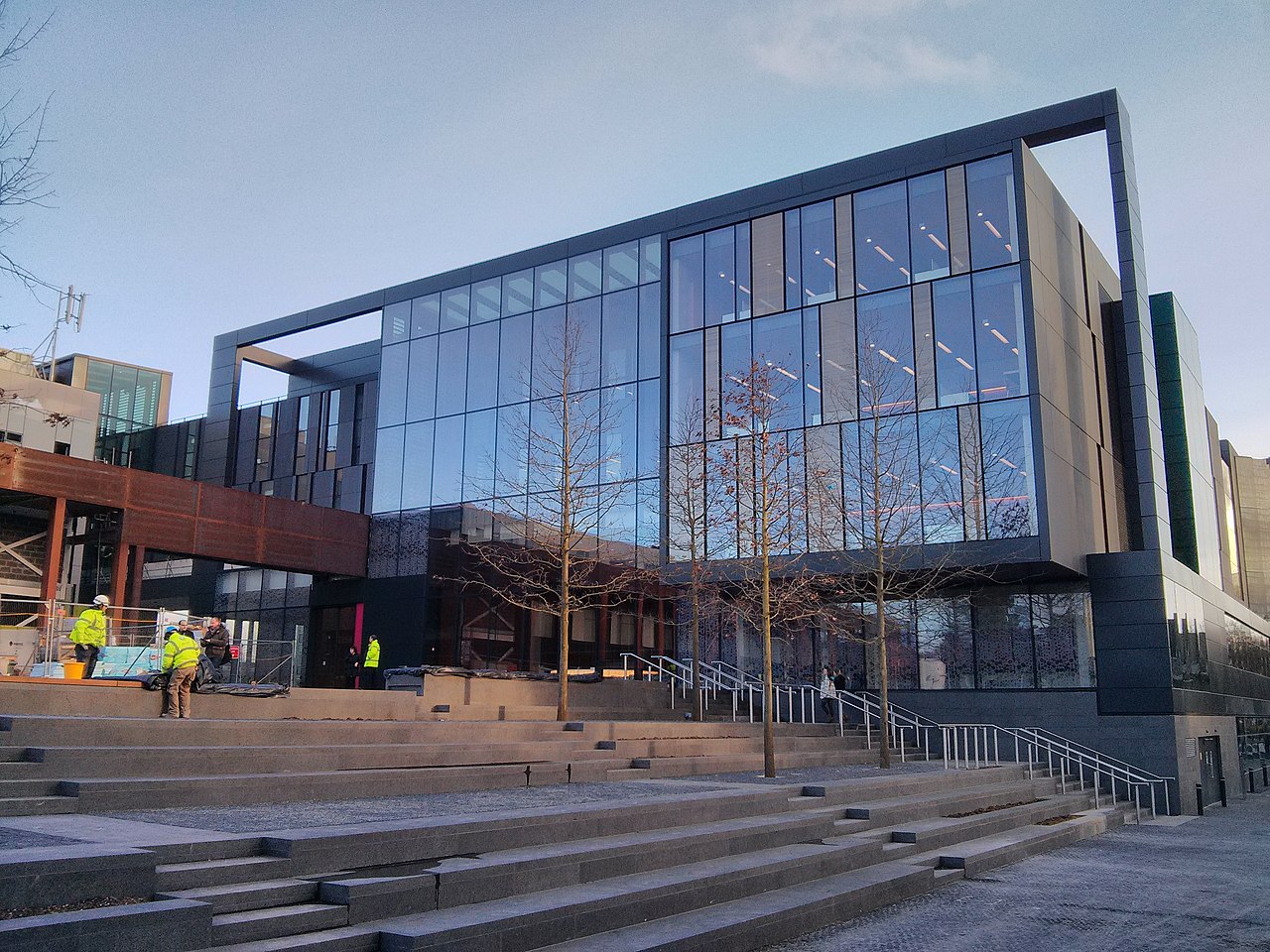
The School of Engineering at Cardiff University unites bright minds from around the world to create new knowledge and inspire future engineering leaders. We are a leading institution known for internationally renowned research and a student-centred teaching approach. Our goal is to deliver innovative engineering education and contribute sustainable solutions to global challenges. We foster an inclusive environment for a diverse community of students and researchers.
Frequently asked questions
How much does a Bachelor's in Engineering & Technology cost in the United Kingdom?
+
Tuition is approximately €18,000 per year for international students across the listed programmes.
Which universities offer a Bachelor's in Engineering & Technology in the UK?
+
There are 15 universities in this catalogue, including Cardiff University, Oxford Brookes University, Queen's University Belfast, and Falmouth University.
Can international students study Engineering & Technology in the UK?
+
Yes, UK engineering programmes are open to international students. IELTS 6.0–6.5 or equivalent is typically required, alongside relevant science and maths qualifications.
What are typical entry requirements for a Bachelor's in Engineering in the UK?
+
Most programmes require A-levels or equivalent in Mathematics and a science subject (Physics or Chemistry). Some universities consider BTEC or equivalent vocational qualifications.
How do I apply for a Bachelor's in Engineering & Technology in the UK?
+
Undergraduate applications in the UK are submitted through UCAS, with a deadline typically in January for October entry. Check individual university course pages for specific requirements.