Natural Sciences in United Kingdom
The United Kingdom lists 11 Natural Sciences programmes across 8 universities, with tuition ranging from roughly €31,000 to €49,000 per year for international students. Oxford Brookes University, Cardiff University, University College London, Queen's University Belfast, University of St Andrews, and Birkbeck College, University of London are among the featured institutions, offering programmes from interdisciplinary undergraduate degrees to specialist postgraduate qualifications.
UK Natural Sciences programmes are highly regarded globally, and many are affiliated with world-leading research groups. International applicants should factor in the higher tuition rates compared to EU alternatives and should confirm whether they qualify for home or overseas fee status. A-level or equivalent qualifications in sciences are typically required for undergraduate entry.
Bachelor of Science in Archaeology: Forensic Science
This Bachelor of Science program combines archaeological methods with forensic science techniques to analyze human remains and investigate crime scenes. You will gain practical skills through fieldwork, both in the UK and internationally, guided by experts in forensic anthropology, crime scene management, and the legal system. The curriculum has a particular focus on the recovery and analysis of human skeletal remains, equipping you for a career in forensic archaeology and related fields. Graduates are well-prepared for roles in law enforcement, archaeological consultancy, and heritage management.
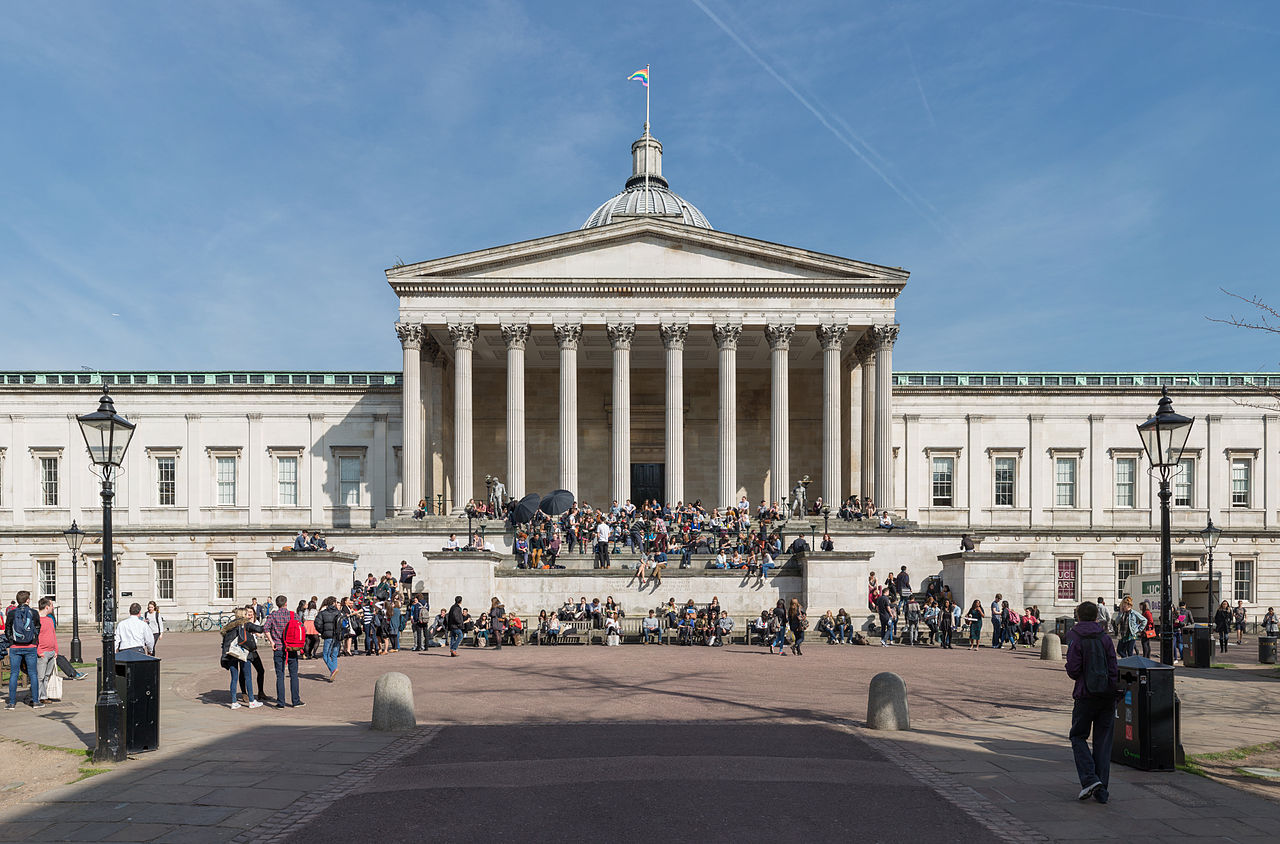
Earth Sciences with Study Abroad MSci
This four-year Master of Science (MSci) program in Earth Sciences offers a unique opportunity to gain in-depth knowledge and practical skills in the field, with an integrated year of study abroad. You will begin by following the core curriculum of UCL's Earth Sciences programs, focusing on areas like Environmental Geoscience, Geology, or Geophysics. The third year provides an immersive international experience at a partner university in Australia, New Zealand, continental Europe, North America, China, or Japan, allowing you to broaden your academic horizons and cultural understanding. The program culminates in a final year at UCL, where you will undertake a significant independent research project, preparing you for advanced professional roles or further postgraduate study.

Geochemistry (MSc)
This Master of Science (MSc) program in Geochemistry provides specialized knowledge and skills in modern geochemical techniques. It is designed to be transferable to a variety of geoscience and environmental science careers, and also serves as preparation for further PhD research. The course is comprehensive and rigorous, combining taught modules, fieldwork, short courses, and a substantial research dissertation. You will gain hands-on experience in laboratory skills and learn to use academic and industry-standard software for geochemical modeling and data analysis. The program aims to address fundamental questions about Earth systems, climate change, environmental issues, and planetary science.
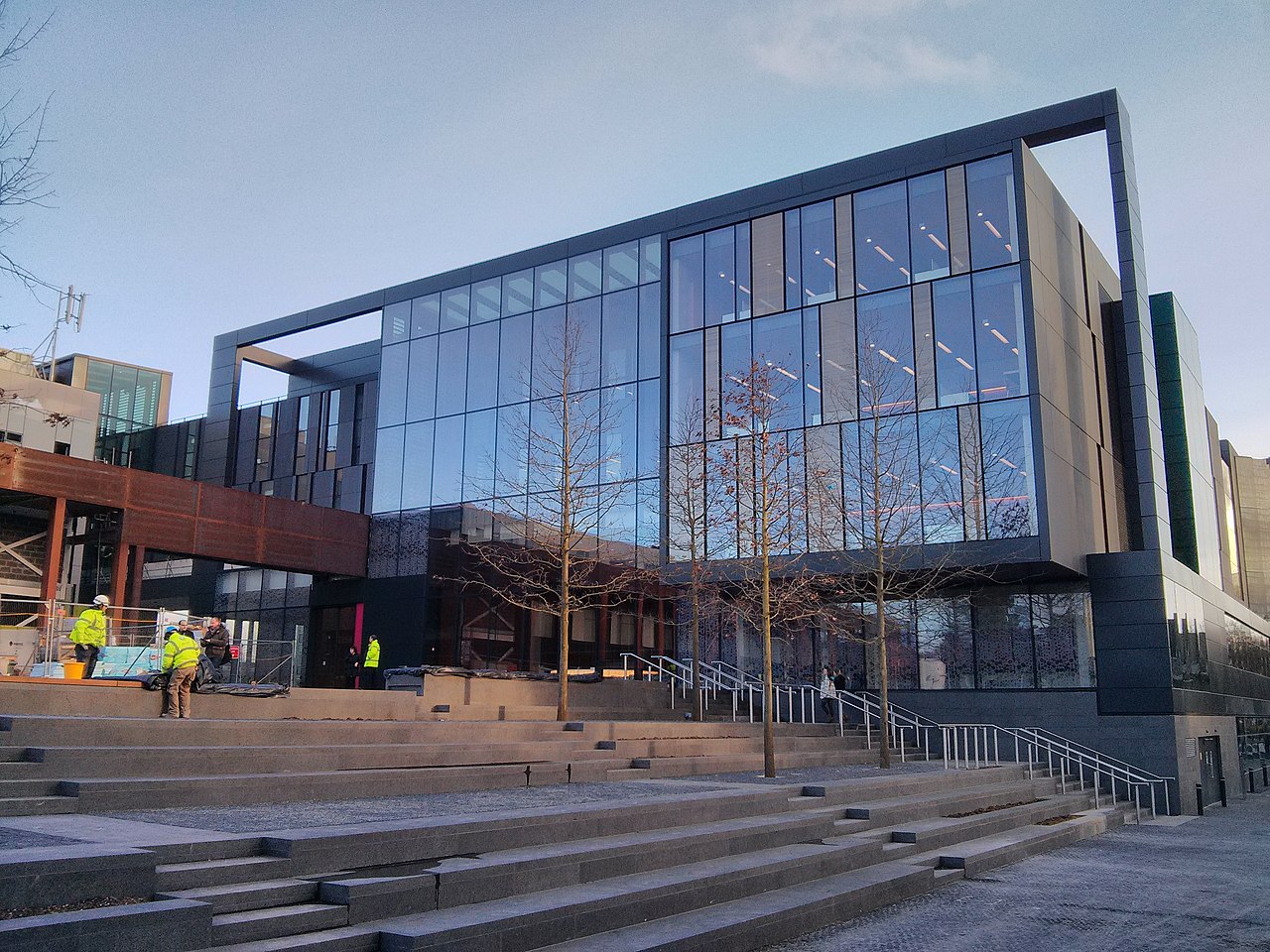
Geography
Geography is a highly versatile degree that can equip you with problem-solving skills and a deep understanding of environmental issues, geopolitics, urban planning, and more. This course focuses on the interconnectedness of people and the planet, enabling you to analyze complex global challenges and develop solutions. You will explore topics ranging from climate change and biodiversity loss to international governance and disaster management. Oxford Brookes offers a practical, career-focused approach with a strong emphasis on developing widely applicable skills such as data analysis and Geographical Information Systems (GIS). The program features small class sizes, hands-on experience through field trips (including international travel), and dedicated support from tutors. You'll learn through a variety of methods including lectures, seminars, lab experiments, and group work, with assessments primarily based on coursework that reflects real-world tasks.
Geography

Geography MRes
The Geography MRes at Queen Mary University of London is a research-focused Master of Research program designed for students aiming for further academic study, such as a PhD. It provides advanced training in social science research methods and allows for specialization in areas of human geography. You can develop your own research project or undertake a dissertation on a topic offered by the School. This program is an approved pathway for ESRC funding, potentially covering both the MRes and a PhD, and is taught in conjunction with the London Interdisciplinary Social Science Doctoral Training Partnership (LISS DTP). While it can be pursued as a standalone degree, it also offers opportunities to collaborate with external institutions like museums, archives, and community organizations.

Human Geography and Planning (BSc)
This BSc program in Human Geography and Planning explores the major geographical trends shaping our world today, equipping you with the analytical skills to understand spatial change. You will investigate the evolving nature of places, the intricate relationship between society and space, and the role of governance in shaping these dynamics. The course places local and national issues within a global context, covering topics such as environmental change in the UK, socio-economic shifts in Wales, and broader international development. You will develop a comprehensive understanding of global, national, and local processes of change, key environmental, social, cultural, political, and economic trends, and how planning influences their impact on various locations. Detailed case studies, including field study visits, will provide practical experience and a deeper appreciation of transnational spatial change. The program is designed to enhance your employability skills, preparing you for a competitive job market and helping you make a significant contribution in your chosen field.
MSc Geophysical Hazards
The MSc in Geophysical Hazards offers a comprehensive understanding of natural and human-induced hazards, with specialized modules in seismology, volcanology, hydrogeological hazards, and meteorology. Natural hazards impact a significant portion of the global population annually, making this field a rapidly expanding area of research within Earth and climate sciences. This program is designed to equip students with the essential skills for careers in hazard assessment and risk evaluation. Graduates find opportunities in various sectors, including industry (engineering, insurance), academic research, civil protection agencies, government bodies, and non-governmental organizations focused on aid and development.

Natural Sciences
The BSc (Hons) Natural Sciences program at Birkbeck allows you to customize your degree by choosing from a variety of science subjects. You will develop a broad scientific foundation and then specialize in areas that interest you most, preparing you for future scientific challenges. This interdisciplinary program combines subjects from astronomy to the human brain, offering flexibility to align with your interests and career goals. You will be taught by distinguished experts who are active in international research. The program provides access to state-of-the-art laboratories and facilities in central London. Core curriculum includes practical laboratory work, data skills training, and field classes designed to foster teamwork and ensure you gain essential scientific techniques and analytical abilities. Attendance typically involves two to three evenings per week for full-time study, with some bioscience and computer science modules also offering afternoon classes. The program also includes two daytime field trips.
Postgraduate Taught Programmes - School of Geography and Planning
Cardiff University's School of Geography and Planning offers a diverse range of postgraduate taught Master's programmes. These courses are designed to address current policy and research challenges, aligning with the school's key research areas. Graduates from these programmes are highly regarded by academic and policy communities globally. Many of the courses offer professional accreditation from leading bodies such as the Royal Town Planning Institute (RTPI), the Royal Institution of Chartered Surveyors (RICS), and the Chartered Institution of Highways & Transportation (CIHT). The school boasts a strong research profile with expert academic staff dedicated to student support and development. The surrounding city of Cardiff offers a charming and enriching environment for international students.
Frequently asked questions
How many Natural Sciences programmes are available in the UK?
+
There are 11 Natural Sciences programmes listed across 8 universities in the United Kingdom.
Which UK universities offer Natural Sciences programmes?
+
Featured institutions include University College London, University of St Andrews, Cardiff University, Oxford Brookes University, Queen's University Belfast, and Birkbeck College, University of London.
How much does studying Natural Sciences in the UK cost?
+
Tuition for international students ranges from roughly €31,000 to €49,000 per year depending on the institution and programme.
Can international students apply to Natural Sciences programmes in the UK?
+
Yes, UK universities accept international applications; you will need a student visa and must meet each university's academic and English language requirements.
What qualifications do I need for Natural Sciences in the UK?
+
Undergraduate entry typically requires A-levels or an equivalent qualification in science subjects; postgraduate programmes require a relevant bachelor's degree, usually at 2:1 or higher.