Physics in United Kingdom
The United Kingdom offers 20 Physics programmes across 8 universities, spanning undergraduate and postgraduate levels. Institutions such as the University of Oxford, the University of Surrey, Queen Mary University of London, and the University of St Andrews are among the world's leading centres for physics research and teaching. Tuition fees in the listed programmes are shown as zero, suggesting scholarships or funded placements may be represented, so students should verify individual programme costs directly.
UK Physics degrees are highly regarded internationally and typically include laboratory work, computational modelling, and optional specialisms in astrophysics, quantum physics, or condensed matter. International applicants benefit from the UK's well-developed visa and scholarship infrastructure, including the GREAT Scholarships and university-specific bursaries for STEM subjects.

Astrophysics MPhys (Honours)
This integrated Master of Physics (MPhys) degree offers a comprehensive study of the universe, from our solar system to distant galaxies and black holes. You will develop strong foundational skills in physics, mathematics, and computation, enabling you to model celestial systems and analyze complex data. The program utilizes the University Observatory, which houses the UK's largest operational optical telescope. This degree is ideal for students aiming for research in astrophysics or seeking to apply their analytical skills in various industries, including physics-based fields, big data analysis, finance, and management.
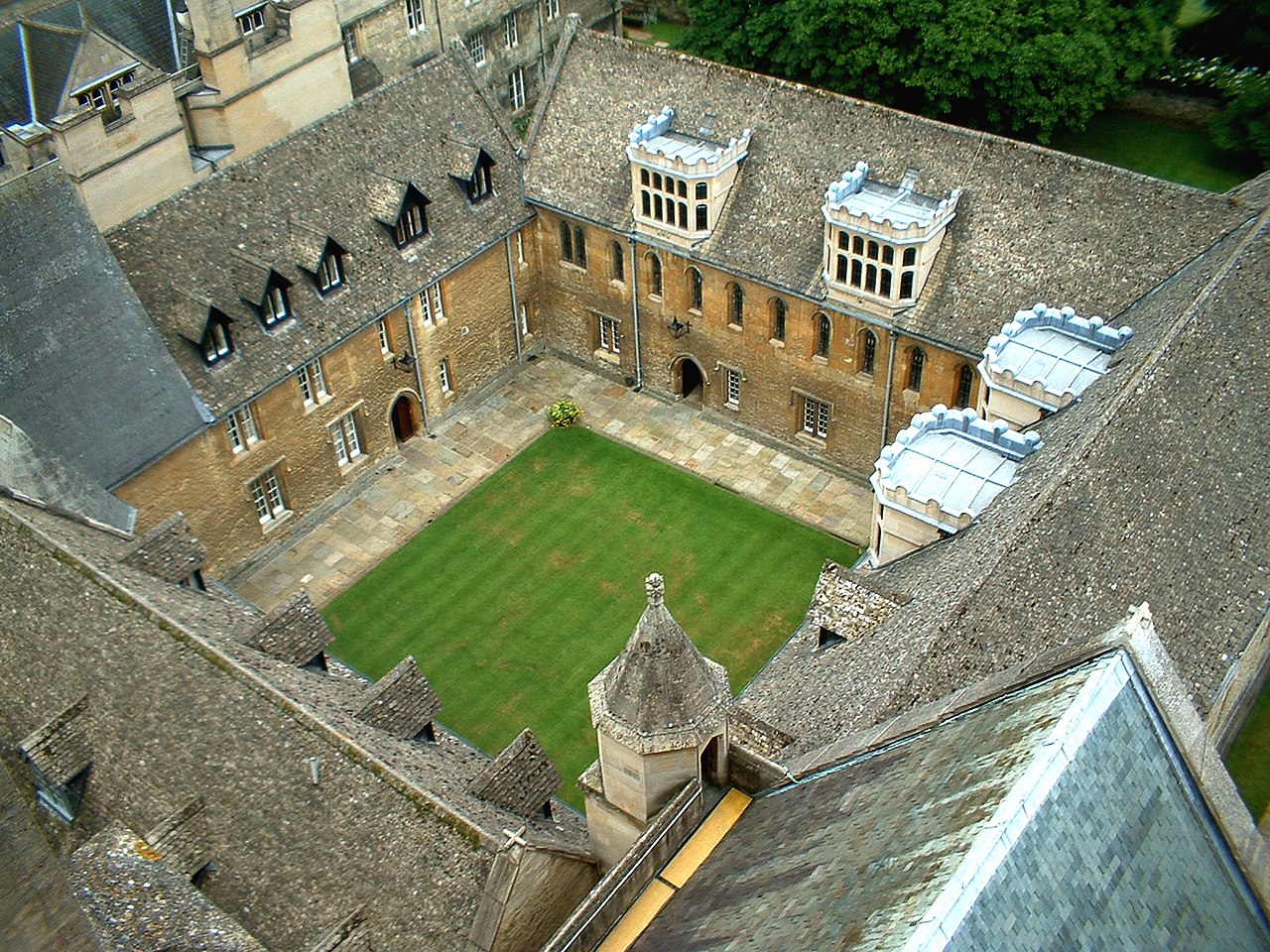
DPhil in Theoretical Physics
The DPhil in Theoretical Physics at the University of Oxford offers an unparalleled opportunity for advanced research. Students engage with a wide range of topics, from fundamental astrophysics and plasma physics to intricate condensed matter theory and particle physics. This program fosters collaboration with experimentalists both within the department and globally, providing a rich research environment. This doctorate is designed for students seeking to contribute original research to the field of theoretical physics. While the program encourages exploration across various theoretical domains, candidates will develop specialized knowledge and skills in their chosen area of focus. Oxford's world-class facilities and academic staff provide a supportive and stimulating environment for doctoral studies.
MSc in Quantum Technologies
The MSc in Quantum Technologies at the University of Oxford is an intensive, interdisciplinary one-year program designed for students seeking to specialise in the rapidly developing fields of quantum computing, sensing, and communications. This course provides a robust technical foundation, practical hands-on experience, and a significant four-month research project that often bridges academic innovation with industrial application. Offered in collaboration with multiple university departments, it is suitable for students with a strong background in physics, engineering, computer science, mathematics, or chemistry. Students will gain a comprehensive overview of the principles and state-of-the-art hardware in quantum technologies, preparing them for leading roles in the emerging quantum industry or for further postgraduate research. The program emphasises the translation of quantum technologies into real-world applications and fosters an understanding of the entrepreneurial landscape in this sector. Graduates are expected to transition into key positions within quantum technology companies or national facilities, often through connections made during their research projects.

MSc Physics (EuroMasters) - Astrophysics Stream
This Master of Science (MSc) program in Physics, with a specialization in Astrophysics, offers a comprehensive understanding of the cosmos. The EuroMasters program structure allows for elective modules, enabling you to tailor your studies. The Astrophysics stream focuses on advanced topics within the field. The program is designed for students seeking in-depth knowledge and research skills in astrophysics.

Physics BSc
Explore the fundamental laws that govern the universe with our accredited BSc Physics course. This three-year program provides a comprehensive understanding of physics, from core theories like mechanics, thermodynamics, and quantum mechanics to advanced topics tailored to your interests. You'll gain hands-on experience in our specialist teaching labs from the outset, developing practical skills alongside theoretical knowledge. The course also incorporates programming classes, equipping you with valuable skills for diverse graduate careers. In your final year, you can specialize in areas such as particle physics, quantum technologies, computational physics, or biophysics, and undertake a research project related to real-world problems.
Physics MPhys (Hons) - Direct Entry to Second Year
The University of St Andrews offers a unique opportunity to enter the four-year full-time MPhys (Hons) Physics program directly into the second year of study. This accelerated route is designed for students who have demonstrated exceptional academic achievement in their previous qualifications, such as Advanced Highers, A-Levels, or the International Baccalaureate. By bypassing some or all first-year modules, students can complete their integrated Master's degree in four years instead of the standard five. This direct entry option allows students to immediately engage with more advanced physics content and offers the possibility to study abroad during their second or third year.

Physics with Astronomy (MPhys)
This integrated Master of Physics (MPhys) program offers a comprehensive study of physics and astronomy. It provides a deep understanding of fundamental physical principles and their application to understanding the universe. The course combines theoretical knowledge with practical laboratory work and computational skills. You will explore a range of topics, from the smallest subatomic particles to the vastness of cosmic structures. The program aims to develop your analytical and problem-solving abilities, preparing you for a career in research, industry, or further academic study. The MPhys is designed for students who wish to pursue a master's level qualification in physics, offering an advanced curriculum and research opportunities within the field.
Frequently asked questions
How much does studying Physics in the UK cost?
+
The listed programmes show tuition fees starting from free — this may reflect funded or scholarship-attached places. Standard international tuition for Physics at UK universities typically runs into tens of thousands of pounds per year, so confirm costs with each institution.
Which UK universities offer Physics programmes?
+
Eight universities are featured, including the University of Oxford, the University of Surrey, Queen Mary University of London, and the University of St Andrews. The University of Strathclyde and the University of Southampton are also in the listing.
Can international students study Physics in the UK?
+
Yes. UK universities welcome international Physics students, and many programmes have significant international cohorts. A Student visa is required for non-UK nationals staying longer than six months.
What qualifications do I need to apply?
+
Undergraduate applicants need strong A-level results (or equivalent) in Mathematics and Physics. Postgraduate programmes require a good bachelor's degree in Physics or a closely related discipline.
How do I apply to a Physics programme in the UK?
+
Undergraduate applications are made through UCAS with a January deadline for most programmes. Postgraduate applicants apply directly to universities; many accept rolling applications so early submission is advised.