Social Sciences in United Kingdom
The United Kingdom hosts 43 Social Sciences programmes spread across 20 universities, covering disciplines such as sociology, politics, anthropology, and social policy. Institutions including the University of Warwick, the University of Exeter, Goldsmiths College (University of London), and Queen's University Belfast offer programmes taught by internationally recognised academics in vibrant, multicultural campus environments.
Tuition ranges from free to roughly €38k, with some programmes carrying no fee — students should verify funding sources and scholarship availability for each. International applicants benefit from the UK's well-established postgraduate pathway and the option to work part-time during study under the student visa conditions.
-(1).jpg)
Access to Higher Education Diploma (Social Science)
This Access to Higher Education Diploma (Social Science) is a Level 3 programme designed for individuals aged 19 and over who wish to pursue undergraduate studies but may not have traditional qualifications like A-levels. Delivered over 35 weeks at the Derby Campus, this diploma prepares you for the academic demands of university. The course is regulated by the Quality Assurance Agency (QAA) and is taught in a university setting to ease your transition. You will be supported by an experienced teaching team dedicated to building your academic confidence and skills. If you need to improve your English and Maths skills, a Level 2 course is also available as a stepping stone. This diploma is a second chance for many to access higher education.
Anthropology
Anthropology
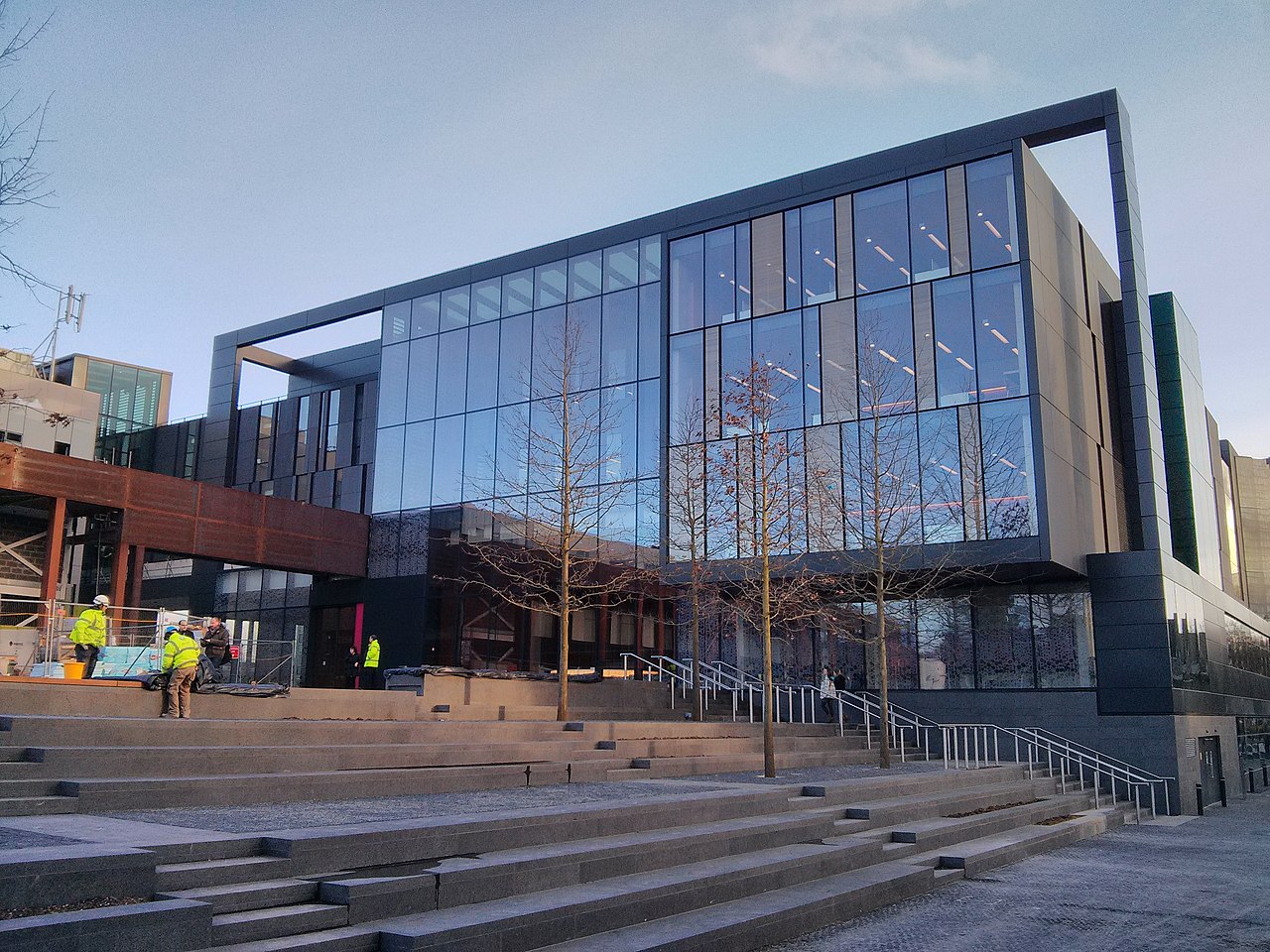
This Bachelor of Arts (BA) or Bachelor of Science (BSc) in Anthropology at Oxford Brookes University explores both the social and biological aspects of humanity. You will investigate human origins, our interactions with the natural world, and contemporary societal structures. The program delves into critical global issues such as social justice, human evolution, race, gender, sexuality, environmental conservation, migration, and international development. Through a combination of lectures, seminars, field trips, and work-based learning led by world-class academics, you will develop highly employable skills. Case studies from diverse global locations, including Japan, Indonesia, Sierra Leone, India, Madagascar, South Africa, and Spain, will provide real-world context. You have the flexibility to tailor your degree through specific pathways focusing on Human Origins, International Development & Conservation, or Human Cultures, with opportunities for study abroad.
Arts & Social Sciences MA
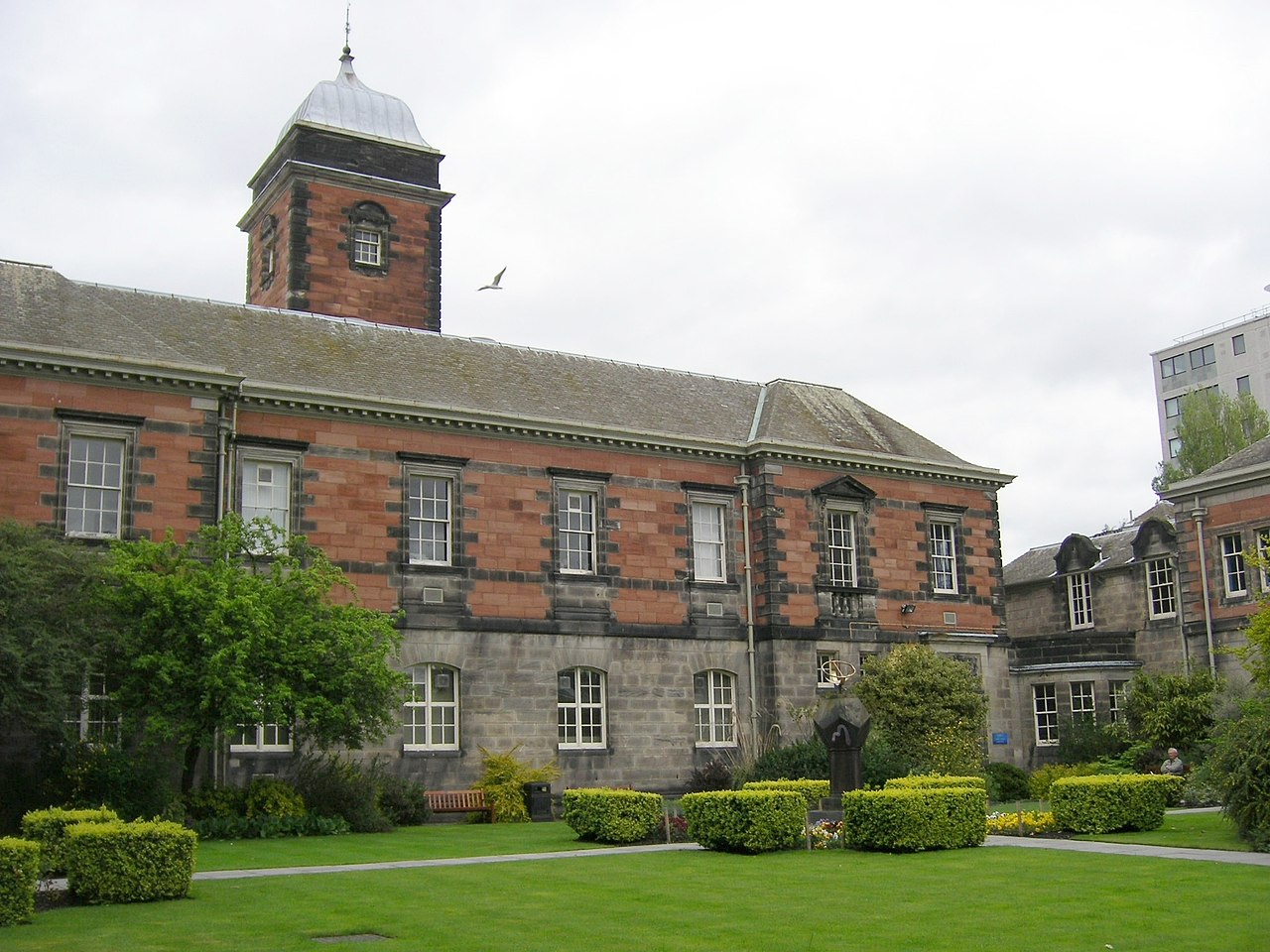
The Arts & Social Sciences MA at the University of Dundee offers a flexible undergraduate degree program, allowing you to tailor your studies across a wide range of humanities and social science disciplines. This non-Honours (Ordinary) MA degree embraces the Scottish tradition of broad academic exploration. You have the freedom to select modules that genuinely interest and challenge you, without mandatory core subjects, ensuring your degree reflects your personal ambitions.
BA Anthropology

BA Anthropology
Explore anthropology from fresh, contemporary perspectives on this challenging and relevant degree. You will investigate current societal and cultural issues through interdisciplinary lenses, examining topics such as the environment, state politics, migration, and racism. This program offers a modern approach to anthropology, moving beyond traditional studies to incorporate critical debates on issues like the climate crisis and austerity economics. You will learn to analyse concepts using various media and gain in-depth knowledge of different global regions. The curriculum is designed to hone your anthropological skills, allowing you to tailor your studies through optional modules and connect theoretical knowledge with ethnographic examples. Graduates are equipped to critically analyse culture and society globally, with many pursuing careers in international organizations, NGOs, law, and corporate social responsibility.

Childhood and Youth Studies with Criminology BA (Hons)
This Bachelor of Arts (Honours) degree combines the study of childhood and youth with criminology, exploring issues affecting young people aged 8-18 and their relationship with the criminal justice system. You will gain a specialist perspective on working with children and young people, understanding child development, societal influences, and the causes and consequences of crime. The course is designed for students interested in careers in youth intervention, youth justice, social work, or teaching. You will learn from academics with professional experience and engage with real-world scenarios, including using a Family Assessment Room. The curriculum allows for specialization in areas like education and teaching, community and youth/family provision, or leadership and enterprise, helping you tailor your studies to your career aspirations.
Criminology (BSc (Hons))
Criminology and Forensic Investigation BSc (Hons)
DPhil in Information, Communication and the Social Sciences
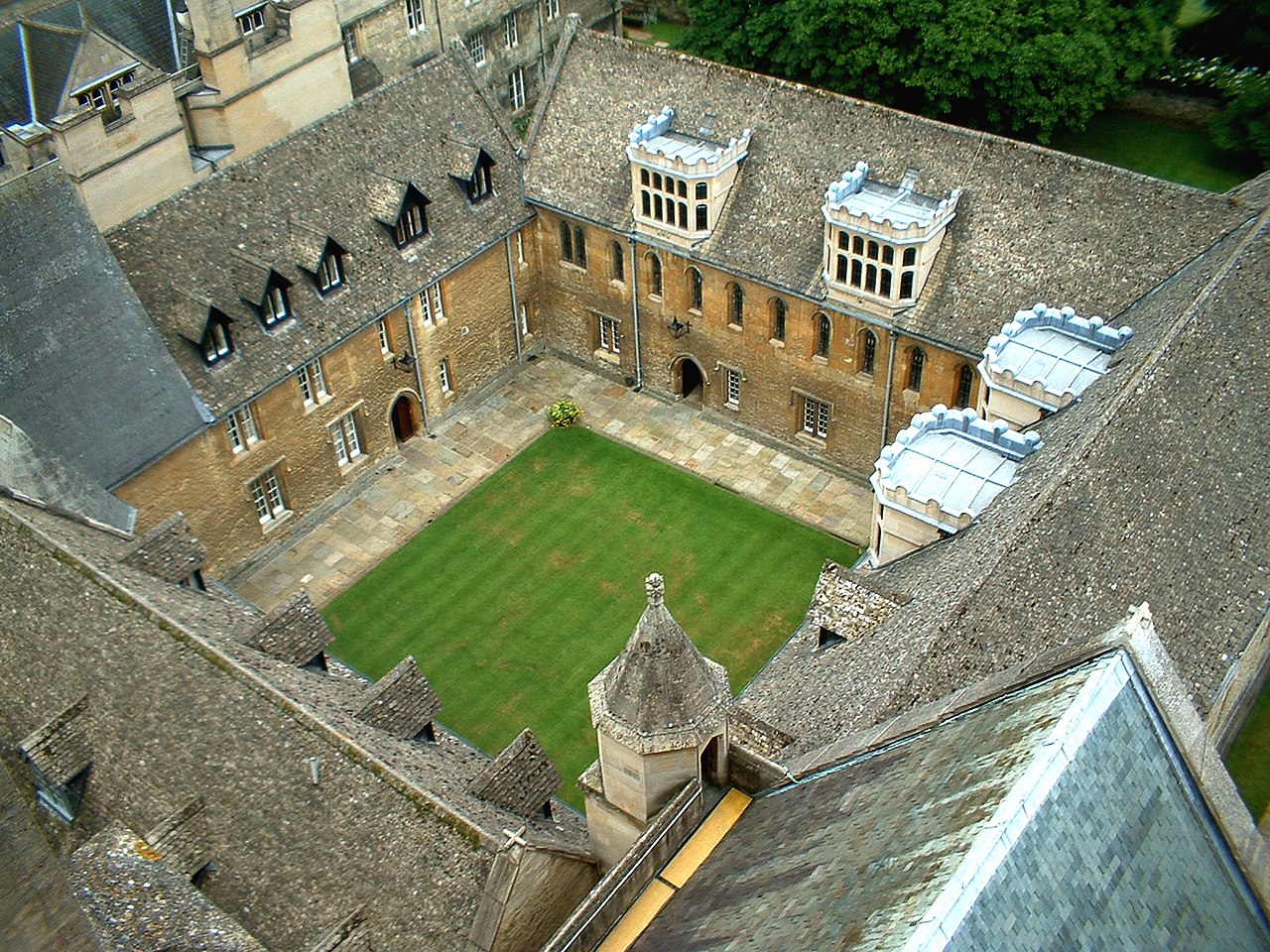
The DPhil in Information, Communication and the Social Sciences at the University of Oxford offers a unique opportunity to conduct original doctoral research into the social dimensions of the internet and related technologies. This program, delivered by the Oxford Internet Institute (OII)'s multidisciplinary faculty, provides personalized supervision, advanced methodological training, and access to the university's extensive academic resources. Students will design and execute a doctoral project, grounded in their chosen discipline, while leveraging theories and techniques from across the social sciences to address their research questions. Upon completion, graduates produce an original piece of scholarship that significantly contributes to internet research. This program is ideal for academically excellent candidates committed to making a significant contribution to the field through in-depth scholarship. It suits individuals seeking a research-intensive, multidisciplinary doctoral experience with close supervision, and those planning careers in academia, policy, industry, or the civil sector where critical thinking and diverse methods are applied to the opportunities and challenges of a connected world.
MA Anthrozoology
This Master of Arts (MA) in Anthrozoology offers a unique opportunity to explore the complex relationships between humans and animals across various cultural, historical, and geographical contexts. The program is designed for those interested in understanding how humans perceive, interact with, and co-exist with other species. It is particularly relevant for individuals seeking Continuing Professional Development (CPD) in fields such as veterinary science, conservation, animal welfare, and related professions, as well as for graduates from social science or science backgrounds wishing to expand their research into the human-animal bond. The flexible distance learning format allows students to balance their studies with existing professional and personal commitments. An optional residential module provides a valuable opportunity for in-person engagement with peers and academics.
MA Community Studies
MA Social Anthropology
This MA in Social Anthropology is designed for individuals with a passion for understanding human societies, whether you are new to the field or looking to deepen your existing knowledge. The program offers a strong foundation in anthropological theory, methodology, and the diverse range of ethnographic studies. You will learn from leading academics in the field of Anthropology, recognized among the top in the UK. The curriculum allows for personalized study through a variety of optional modules, enabling you to focus on specific theoretical or regional interests. Topics can include gender and sexuality, religion, political economy, psychological perspectives, human rights, and visual anthropology. You will join a vibrant community of students from diverse backgrounds, fostering a rich exchange of perspectives.
MPhil in Social Anthropology
The MPhil in Social Anthropology at the University of Oxford is a comprehensive postgraduate program designed to provide students with a strong foundation in the analytical and methodological aspects of social anthropology. This 21-month full-time course allows students to develop an extensive research project, which may include fieldwork. It serves as an excellent standalone qualification or as in-depth preparation for doctoral research, going beyond the scope of an MSc degree. Social anthropology explores humans as inherently social beings, questioning underlying assumptions that shape societies and cultures globally. The program teaches students to critically examine diverse worldviews, fostering a comparative understanding of human similarities and differences. Through rigorous academic engagement, you will learn to relate various interpretations of the world, developing key skills for a career in anthropology.
MRes in Social Science
The MRes in Social Science is a one-year postgraduate degree designed to equip you with advanced research skills in the social sciences. This program combines specialized and general methods training, offering transferable skills beneficial for employment in the public, private, and third sectors, as well as preparing you for doctoral studies. It is recognized under the Economic and Social Research Council’s (ESRC) Scottish Doctoral Training Programme, Sociology Pathway. The curriculum includes taught courses and a supervised research project, focusing on qualitative and quantitative data collection and analysis. You will gain practical experience by applying learned methods to topics of your choice, allowing you to tailor your training to your specific interests. The dissertation component further develops your practical, intellectual, and critical skills in a substantive area of interest.
MSc Anthropology
MSc Bioarchaeology: Forensic Anthropology
The MSc Bioarchaeology: Forensic Anthropology program at the University of Exeter is designed for students interested in the intersection of archaeological science and legal investigations. This master's degree provides a unique interdisciplinary approach, combining knowledge from biological anthropology, archaeology, and forensic science to focus on the recovery, identification, and analysis of human remains for purposes with legal significance. It is ideal for those who wish to apply scientific methodologies to solve real-world problems and contribute to the justice system. The course is taught full-time on campus over one year and includes access to specialized laboratory facilities.

MSc Philosophy of Economics and the Social Sciences
The MSc in Philosophy of Economics and the Social Sciences provides a unique opportunity to critically examine the methodologies employed in economics and other social sciences. It also delves into ethical considerations surrounding the application of scientific knowledge in policy, economic contexts, and civil society. LSE is renowned globally as a leading institution for social science, and its Department of Philosophy, Logic and Scientific Method is distinguished for its research that integrates philosophy with social and natural sciences, emphasizing social relevance. Faculty members are actively involved in cutting-edge research at the intersection of philosophy and various social sciences, including behavioural science, cognitive science, economics, health policy, data science, and politics.
PhD in Social Anthropology
Undertake ground-breaking research in Social Anthropology at the University of Aberdeen, a department recognised among the Global Top 100 for Anthropology (QS World University Rankings by Subject 2026) and 3rd in the UK for Anthropology & Archaeology (Guardian University Guide 2025). Our research explores social and cultural worlds, and the complex relations between humans and their environments. The department has a rich history, initially focusing on the Anthropology of the North, and has since expanded to cover diverse ethnographic regions and contemporary social and cultural themes. As a PhD student, you will develop and work on your own research project under the guidance of experienced supervisors whose interests align with your own. The department encourages cross-disciplinary research, welcoming collaborations with fields such as Archaeology, Film Studies, History, and Divinity. Doctoral studies can be pursued on a full-time or part-time basis, with the possibility of distance study depending on the nature of your research project.
Program TBD
Goldsmiths, University of London, is a public research university in New Cross, London. Founded in 1891 and later acquiring its Royal Charter in 1904, it is now part of the University of London. Goldsmiths offers a distinctive academic environment focused on critical thinking, creativity, and social engagement. Situated in the vibrant heart of South East London, the university provides a single-site campus experience, fostering self-discovery and innovation. Goldsmiths is recognized for its world-leading research and progressive teaching methods, preparing students for impactful futures.

Social Anthropology MA (Honours)
The MA (Hons) Social Anthropology at St Andrews offers a comprehensive exploration of the vast diversity of human experiences, examining what makes us similar and different. You will develop a comparative and global perspective on human life, culture, and society, studying how people create meaning in varied contexts across the world. The course delves into topics such as belief systems, politics, gender, health, art, migration, colonialism, and environmental relationships, encouraging critical thinking about taken-for-granted ideas and fostering an understanding of different worldviews. The program is structured over four years, with the first two years introducing foundational concepts and methods, alongside studies in other subjects. The final two years focus on specialized areas of interest and culminate in a dissertation.

Social Inequalities and Research Methods (MSc)
This Master of Science (MSc) program focuses on the critical examination of social inequalities and equips you with advanced research methodologies to study them. You will gain a strong theoretical understanding of the processes that create and perpetuate social disparities, alongside practical skills in empirical research methods. The course is led by the Sociology department, offering a comprehensive approach to understanding the causes and effects of social inequality.

Social Research Methods MA
This MA programme focuses on developing advanced research skills specifically for examining, analysing, and understanding societal, cultural, institutional, and practical dynamics. You will explore how these elements originate, how they function in contemporary society, and how they evolve over time. The programme is delivered by a department recognized for its leading research in areas that support social justice, providing a stimulating and supportive environment to delve into the complexities of social life and consider how we can collectively shape future societal directions.
Social Research MRes
This Master of Research (MRes) degree offers advanced theoretical and practical training in social research methods. You will learn from internationally recognised experts in sociology, social policy, and criminology within a supportive academic environment. The course explores key social issues such as inequality, online behaviour, crime, and health, equipping you with the skills to understand societal trends and contribute to positive change. You will be guided through the principles and practices of social research, culminating in an extensive independent research project supervised by a faculty expert. This program fosters critical thinking, problem-solving, and project management skills, preparing you for further doctoral study or research-oriented careers.

Social Sciences BA
This Bachelor of Arts in Social Sciences program equips you with the knowledge, skills, and confidence to address significant societal challenges such as inequality, injustice, and health. You will learn essential research methodologies, effective communication strategies for diverse audiences, and how to apply social science insights to create positive change. The course allows you to tailor your learning by choosing optional modules in areas like Criminology, Politics, Sociology, Human Geography, and Social Policy, enabling you to develop expertise in your areas of interest. You will gain practical experience in collecting and interpreting various forms of data, including interview transcripts, focus group findings, and statistical trends, preparing you for a wide range of career paths.

Violence Against Women: Issues, Research and Policy (short course)
This short course offers a comprehensive introduction to the multifaceted issue of violence against women, covering theoretical frameworks, research methodologies, policy analysis, and practical applications. It is designed for professionals working in specialized services for women and children who have experienced violence, as well as those involved in policy development or aspiring to careers in these fields. The course delves into various forms of violence, including intimate partner violence, sexual assault, sexual harassment, FGM, and honour-based crimes, examining their prevalence, consequences, and the explanatory perspectives behind them.
Frequently asked questions
How much does studying Social Sciences in the United Kingdom cost?
+
Tuition ranges from free to roughly €38k per year. Some programmes have no tuition fee, so it is worth checking individual listings carefully.
Which universities offer Social Sciences programmes in the UK?
+
20 universities are listed, including the University of Warwick, University of Exeter, Goldsmiths College University of London, and Queen's University Belfast.
Can international students apply for Social Sciences programmes in the UK?
+
Yes. International students need a UK Student visa and are permitted to work up to 20 hours per week during term time. English-language qualifications such as IELTS are required.
What are the typical entry requirements for Social Sciences degrees in the UK?
+
Undergraduate applicants need A-level equivalents or recognised international qualifications. Postgraduate programmes typically require a relevant 2:1 honours degree or international equivalent.
How do I apply to a Social Sciences programme in the United Kingdom?
+
Undergraduate applications go through UCAS; postgraduate applications are made directly to each university. Prepare personal statements, references, and English-language test scores before applying.