Architecture & Design in United States
The United States lists 115 Architecture & Design programmes across 47 universities, encompassing degrees in architecture, urban design, interior design, landscape architecture, and related creative disciplines. Institutions such as the University of Florida, Iowa State University, the University of Illinois Chicago, and the University of Virginia are among the providers, alongside smaller colleges like Young Harris College and the United States Coast Guard Academy. Tuition ranges from roughly €26,000 to €71,000 per year, reflecting both public and private university pricing.
Architecture programmes in the US that lead to professional licensure are accredited by the National Architectural Accrediting Board (NAAB); prospective students seeking to practise as licensed architects should confirm NAAB accreditation. Design-focused degrees — graphic design, industrial design, and similar — may follow different accreditation bodies. Most programmes are studio-intensive, requiring portfolio submission as part of the application process.

Advanced Architecture Tutorial
This course, the Advanced Architecture Tutorial, is offered as part of the M.S. Advanced Architectural Design program at Columbia University. It focuses on advanced architectural design concepts and practices. The tutorial is structured to be a full semester experience within the summer session, involving intensive studio work and design seminars.
Advanced Studio VI (ARCH4106-4)
Advanced Studio VI is a core studio course within the Master of Architecture (M. Arch) and M.S. Advanced Architectural Design (AAD) programs at Columbia University. This studio is designed for third-year students in these programs and is a required component of the curriculum. It is a full-semester course focused on advanced architectural design principles and practices. Students engage in intensive studio work, exploring complex design challenges under the guidance of faculty. The course is offered in multiple sections each spring semester, allowing students to choose a studio led by a specific faculty member whose research and teaching interests align with their own. This structure provides diverse perspectives and approaches to architectural design. The studio environment is collaborative and aims to foster critical thinking and innovative design solutions.

Architectural Studies
Washington State University's School of Design and Construction offers programs dedicated to educating future architects who are aware of and critically understand the social, political, and global conditions shaping our built environment. The curriculum provides a comprehensive education in design, history and theory, technology, and practice. Graduates are equipped to communicate effectively, collaborate with diverse professionals and communities, and integrate various factors through "design thinking" and innovative performance-based design modeling. The Bachelor of Science in Architectural Studies (BS Arch Studies) serves as a foundation for those planning to pursue accredited graduate programs or enter related fields. The Master of Architecture (M. Arch) degree is fully accredited by the National Architectural Accrediting Board (NAAB) and fulfills the educational requirements for architectural licensure in all U.S. jurisdictions. The M. Arch program emphasizes practice-based innovation and research.

Architecture, BA
California Baptist University's Bachelor of Arts in Architecture program aims to equip students with the knowledge and judgment needed to understand the built environment. The program encourages students to develop architecture as a critical response, integrating advanced practice, contemporary theory, and social engagement. Graduates will be prepared to engage with the discipline of architecture and its various discourses—artistic, technological, social, political, environmental, economic, and spiritual—to become successful practitioners and conscientious citizens with a biblical worldview.

Art – Graphic Design BFA

Art & Design, MA (Online)
Lindenwood University offers an online Master of Arts in Art & Design, designed to help you advance your creative expression and professional practice. This program provides advanced studies to amplify your impact in areas such as product design, fine artistry, and digital media. You can elevate your skills and practice at your own pace and convenience.
Art and Design
The Art and Design program at West Virginia Wesleyan College prepares students for successful careers in creative fields such as graphic design, printmaking, drawing, and pre-art therapy. The curriculum blends professional software applications with traditional artistic practices and explores emerging technologies. Students develop essential skills in creative problem-solving, ideation, and communication, which are valuable assets across various industries. The program emphasizes both hands-on production and the conceptual development of artistic solutions.
Art and Design (MA)
The Master of Arts (MA) in Art and Design program is designed for innovative thinkers and creative professionals seeking to deepen their understanding of art and design. It provides a strong foundation in critical theories and practical application, exploring various approaches and gaining historical insights within the field. The program equips students with the latest strategies and techniques, preparing them for advanced roles in the dynamic art and design industry. Taught by experienced faculty who are active practitioners in the St. Louis area, the curriculum emphasizes interdisciplinary approaches essential for success in today's creative industries.
Art and Design (MA)
Art and Design (MA) with Emphasis in Studio Art
Art and Design, BA/BFA
Lindenwood University offers an online Bachelor of Arts (BA) or Bachelor of Fine Arts (BFA) in Art and Design. This program is designed for students who want to develop their creative expression and build on their passion for art and design. The curriculum covers essential fine arts and design principles with options for specialization in Digital Art, Graphic Design, and Photography. The online format provides flexibility for students to continue their creative work while pursuing their degree. Graduates of this program have a high rate of employment or further education.

Art—B.A. Graphic Arts and Design
The Bachelor of Arts in Graphic Arts and Design program focused on the production of mass media, graphic design, and imaging technology. It emphasized visual problem-solving and information literacy, equipping students with a broad range of graphic knowledge, tools, and skills to understand complex 21st-century challenges. This degree provided a foundation in art history and studio practices. However, please note that this program is discontinued and is not accepting new admissions. Students currently enrolled or previously admitted should consult with an advisor for available options, including alternative programs and pathways to complete their degree requirements.

Bachelor of Applied Science in Performance Design and Production
The Bachelor of Applied Science in Performance Design and Production offers practical training for careers in live event production, technical theatre, stage design, production management, and entertainment technology. It is designed for students with prior experience in performance or technical theatre who wish to develop their skills in behind-the-scenes roles. Through hands-on experience in productions at the Florida School of the Arts, students will be well-prepared for diverse roles in the entertainment industry. Graduates can find employment in areas such as audio, projection, and lighting technology, scenic and costume design, theme park and cruise ship production, live event and theatre production, and video editing and production management. The program requires students to hold an A.A. or A.S. in Theater and Entertainment Technology, with a specialization in Costume Technology or Technical Theater. The curriculum involves lower-division core courses and upper-division coursework, totaling 120 semester hours. An optional teaching track is also available for those interested in K-12 education.

Bachelor of Architecture (B.Arch)
The Bachelor of Architecture (B.Arch) is a five-year professional degree designed to prepare students for leadership roles in the architecture profession and to become licensed architects. To be eligible for admission into the B.Arch program, students must first successfully complete the Associate of Science (A.S.) in Engineering Design Technology with an Architectural Drafting and Design Track. A minimum grade of 'C' or better is required in all prerequisite coursework, including ARC 2110 and ARC 2210 (or current enrollment in ARC 2210 at the time of application). This program emphasizes a community of designers focused on creating a more beautiful, sustainable, and healthy built environment. Prospective students are encouraged to visit the program and connect with faculty for a personalized experience.

Bachelor of Arts in Advertising and Graphic Design
This Bachelor of Arts in Advertising and Graphic Design program, offered by Grand Canyon University's College of Arts and Media, is designed for creative individuals who are also strong problem solvers. The curriculum focuses on developing core concepts and skills necessary for the advertising industry. Through hands-on, collaborative studio classes, students will learn to conceptualize creative advertising strategies and manage comprehensive campaigns, often working on real client projects. The program aims to nurture a passion for art and creativity while preparing students to present brands effectively across various media.

Bachelor of Arts in Game Design
This four-year Bachelor of Arts in Game Design program focuses on understanding the player's experience and making intentional design choices to create engaging games. You will learn the core concepts and techniques that underpin both modern video games and traditional analog games. The curriculum emphasizes practical application through yearly game projects where you will collaborate with students in programming, art, and audio disciplines. In your junior year, you can specialize in areas such as systems, narrative, level, technical, user experience (UX), or user research design, allowing you to hone your focus on specific industry passions.
Bachelor of Arts in Music and Sound Design
The Bachelor of Arts in Music and Sound Design program prepares students for careers in creating music and sound for digital media, including video games and film. This four-year program combines music composition and theory with audio engineering, recording, and mixing techniques. Students develop a hybrid skillset by learning to compose soundtracks and design sound effects. The curriculum emphasizes practical application through interdisciplinary project teams, where students collaborate with programmers, artists, and game designers to create original media projects from concept to completion. This hands-on approach results in a professional portfolio showcasing skills in composition, design, production, and implementation.

Bachelor of Fine Arts in Interior Design
The Bachelor of Fine Arts in Interior Design program at Maryville University is designed to prepare students for a professional career in the field. It emphasizes problem-seeking practices, creative design thinking, and practical application. Students will develop skills in in-depth research, understanding environmental psychology, and the human experience within designed spaces. The curriculum includes the study of research and visualization methods, architectural principles, human factors, color, lighting, and contemporary computer-aided design technologies. Graduates will have developed a professional portfolio and will have participated in a senior show. The program aims to equip students with awareness, intentionality, objectivity, creativity, critical analysis, evolution, implementation, and technical skills necessary for aesthetic design. Students engage in project-based learning and professional partnerships, gaining hands-on experience with real-world projects through collaborations with corporate and civic organizations.

Certificate in Game Design
The Certificate in Game Design is an online program that introduces you to the fundamental principles and practical skills required to conceptualize, design, and build video games. You will learn about game mechanics, storytelling, prototyping, and using game engines. The program emphasizes hands-on assignments and iterative development to help you create engaging gameplay experiences and build a portfolio-ready capstone game. You will also explore the cultural, ethical, and social dimensions of games. This program is designed to equip you with the foundational knowledge and creative abilities needed for a career in the growing game industry. It focuses on practical application, allowing you to design, test, and refine your game concepts into playable projects.

Costume Design MFA
The Master of Fine Arts (MFA) in Theatre with a specialization in Live Design and Production, focusing on Costume Design, is a three-year, 60-credit hour program. It uses theories of dress and identity to visually drive narratives in performance. This program explores costume design across diverse genres including opera, multimedia performance, interactive dance, immersive installations, and live theatrical narratives. The curriculum balances design studio work, skill-building, practical production experience, and critical thinking, culminating in a student-developed thesis project. The program admits two students per discipline annually, fostering a focused learning environment within a larger department. Graduates are prepared to be the next generation of storytellers and performance makers.

Costume Production, MFA
The Master of Fine Arts (MFA) in Costume Production at the University of North Carolina at Chapel Hill provides advanced training in the craft of costume production. This program is designed for students seeking to develop expertise in areas such as costume design, technical direction, and management within the performing arts. The curriculum emphasizes hands-on experience and theoretical knowledge, preparing graduates for professional careers in theatre, film, and other related industries. The program values diversity and welcomes applicants from all backgrounds, aiming to foster an inclusive learning environment. Students will engage with faculty, current students, and industry professionals through interviews, workshops, and portfolio reviews. Upon completion, graduates will be equipped with specialized skills and a comprehensive understanding of costume production.

CS 147: Projects - Design and Build
CS 147 is a project-based course where interdisciplinary teams of students design and build technology prototypes over a quarter. The course focuses on applying design and technology skills to address real-world needs and create innovative solutions. Each team works towards a functional proof-of-concept, culminating in a presentation at an Industry Project Fair. Students gain hands-on experience in product development, from identifying needs to delivering a demonstrable prototype. The course explores various themes each quarter, allowing students to focus on specific areas such as educational technology, digital wellbeing, multimodal interfaces, financial literacy, engagement between digital and physical spaces, and health and wellness.

Database Design and Basic SQL in PostgreSQL
This course introduces the fundamental concepts of relational database design and provides hands-on practice with SQL (Structured Query Language) specifically within the PostgreSQL environment. You will learn how to create and manage databases, including defining schemas, inserting data, and querying information using common SQL commands. The course covers essential database modeling techniques, such as representing one-to-many and many-to-many relationships, and guides you through practical assignments to build and manipulate relational data.

Design + Innovation, MS
The Master of Science in Design + Innovation (MD+I) is an intensive, one-year interdisciplinary program at the University of Wisconsin–Madison. It brings together students and faculty from five different schools and colleges: Engineering, Human Ecology, Business, Art, and the iSchool. The program focuses on equipping students with the skills and mindset to tackle complex real-world challenges through innovative and inclusive design. It emphasizes transdisciplinary collaboration, socially engaged innovation aligned with the Wisconsin Idea, and life-centered design that benefits both people and the environment. Students will engage in hands-on learning, working with community and industry partners to develop solutions. The curriculum integrates engineering principles, business strategy, user experience design, and creative problem-solving. The MD+I program aims to foster empathy, creativity, and a commitment to making a positive societal impact, preparing graduates to become leaders in addressing global issues.
Design Science PhD and MS Programs
The Design Science program offers both PhD and Master of Science (MS) degrees, focusing on a residential, on-campus learning experience. The program admits students for the Fall term only. Applicants are encouraged to submit their applications well in advance of the deadlines to ensure all necessary documentation is included. International MS students are particularly advised to apply by the Early Decision deadline to allow ample time for visa processing. The PhD admissions process involves a collaborative advisor selection, which may take longer than typical PhD admissions. Decisions for PhD candidates are usually made between late February and mid-March. For MS applicants, decisions are typically provided about 8 weeks after the relevant deadline. The university employs a holistic review of applications. Failure to submit a complete application by the final deadline may require re-application for a future term.
Digital Design (B.F.A.)
The Digital Design Bachelor of Fine Arts (B.F.A.) program offers an interdisciplinary approach to design, integrating coursework from various creative fields. This major is ideal for students seeking a broad foundation in art or preparing for a career in art and its related industries. The curriculum emphasizes developing effective visual problem-solving skills, critical thinking, and proficiency in current design technologies. Graduates will be equipped to produce and defend a body of creative work, understand art and design history, and apply their knowledge ethically and globally. The program also encourages students to explore the role of faith in creative expression.

Doctor of Philosophy in Landscape Architecture
The Doctor of Philosophy (PhD) in Landscape Architecture program at the University of Illinois Urbana-Champaign provides an opportunity for advanced study and research into land use and its human impact. This interdisciplinary program, jointly administered with the School of Architecture, emphasizes cross-disciplinary inquiry. Students can focus on areas such as history and theory, technology and environment, or behavioral and cultural factors in design. The program aims to equip students with strong research skills, the ability to communicate complex ideas clearly through writing and presentations, and the capacity to conduct original, significant research. Students will develop advanced written, visual, and technical literacy, and engage in design research methodologies. For those interested in urban planning, faculty also participate in a related PhD program administered by the Department of Urban and Regional Planning.

Doctoral Program in Architecture
The Princeton University School of Architecture offers a Doctoral (Ph.D.) program for students interested in advanced research in architectural studies. This program is structured around two main tracks: History and Theory, and Computation and Energy. It provides an interdisciplinary approach to the history, theory, and criticism of architecture, urbanism, landscape, and building technology. Students work closely with faculty members and other university departments to develop a personalized study plan. The program typically involves at least two years of coursework, followed by general examinations, and culminates in a dissertation based on original research.

Exploration Systems Design, MS
The Master of Science in Exploration Systems Design at Arizona State University is designed for students who want to become leading researchers in scientific experimentation and mission development for Earth, planetary, and space exploration. This program uniquely combines scientific applications with engineering knowledge, providing a comprehensive education in Earth science, space science, and astrophysics. Students will develop skills to invent and implement cutting-edge scientific experiments and instruments. The curriculum is interdisciplinary, preparing graduates to bridge the gap between scientific inquiry and engineering solutions. Graduates of this program are well-prepared for high-demand roles in aerospace and technology sectors.
Game Design
Maryville University offers a Bachelor of Arts in Interactive Design with a concentration in Game Design. This program provides a strong foundation in design principles, technology, user experience, and critical thinking, preparing students for careers in the entertainment industry. The curriculum is structured to help you develop a competitive portfolio and acquire in-demand creative skills, with a focus on game-based media and design within the broader graphic and interactive design fields.
Game Design (BA)
Embark on a creative journey with the Bachelor of Arts in Game Design at Lindenwood University. This program is designed for individuals who are passionate about games and eager to understand the intricacies of their creation. You will explore both the theoretical underpinnings and practical applications of game design, preparing you for a dynamic career in the gaming industry. The curriculum emphasizes developing compelling and immersive gaming experiences, making it ideal for those who enjoy analyzing games and envisioning improvements.
Game Design (MA)
Lindenwood University's Master of Arts in Game Design is a 30-credit hour program designed for individuals looking to advance their careers in the gaming industry. The program focuses on high-level game design and production, covering areas such as aesthetics, immersion, level design, and usability. Students gain hands-on experience with cutting-edge technologies including XR/AR/VR, AI, Unity, and Unreal Engine. The curriculum emphasizes project-based learning, with options for a non-thesis/applied project or a thesis track. Courses are taught by industry veterans who bridge theoretical knowledge with practical application.
Graduate Programs in Art & Design
The University of Illinois Urbana-Champaign's School of Art & Design offers advanced degrees for students passionate about visual art and culture. Our graduate programs are designed to train artists, designers, educators, critics, curators, and historians to the highest professional standards. We provide a rigorous academic environment where students can develop their expertise and contribute to the field.
Graphic Arts & Design
The Graphic Arts & Design program at Frontier Community College (FCC) offers students a path to develop their creative potential and prepare for careers in visual communication. You'll learn the fundamental concepts and practical applications of graphic design, working with industry-standard software like Adobe Illustrator, Photoshop, InDesign, Premiere Pro, and Animate. The program emphasizes a hands-on approach, where you'll create various media projects and master a 7-step design process to ensure impactful results. Small class sizes ensure you receive personalized, one-on-one support throughout your studies. Beyond core graphic design, the curriculum includes complementary subjects such as Digital Photography, Intro to Videography, Drawing, and Computer Animation, providing a well-rounded artistic education. A key component of the program is the development of a professional portfolio showcasing your completed projects. Additionally, a mandatory 150-hour internship will give you valuable real-world experience, allowing you to work with clients and develop professional skills in a business setting.
Graphic Arts and Integrated Design
The Graphic Arts and Integrated Design program at Washington State University provides a comprehensive foundation in visual literacy. Students will explore various design pathways, focusing on the core principles of graphic arts and design. The curriculum incorporates hands-on experiences in areas such as printmaking, photography, digital media, illustration, drawing, and fabrication, all aimed at developing problem-solving skills for effective visual communication. The program emphasizes the importance of visual literacy and collaborative work. Students will gain a strong understanding of how to create engaging and impactful visual messages for diverse audiences. The curriculum is designed to foster creativity, technical proficiency, and critical thinking within the field of graphic arts and integrated design.
Graphic Design
The Graphic Design program at Washington State University focuses on the principles of visual aesthetics and image creation. Through this program, students will develop the ability to critically analyze, create, and discuss imagery from various perspectives. The curriculum challenges students to think like designers, enhancing their creative and problem-solving abilities alongside technical proficiency in industry-standard design software. Students will gain an understanding of how digital design conveys information and impacts viewers, recognizing the significant role images play in our lives. This foundation prepares graduates for professional careers in fields such as graphic design, brand management, social media, and marketing.
Graphic Design (B.F.A.)
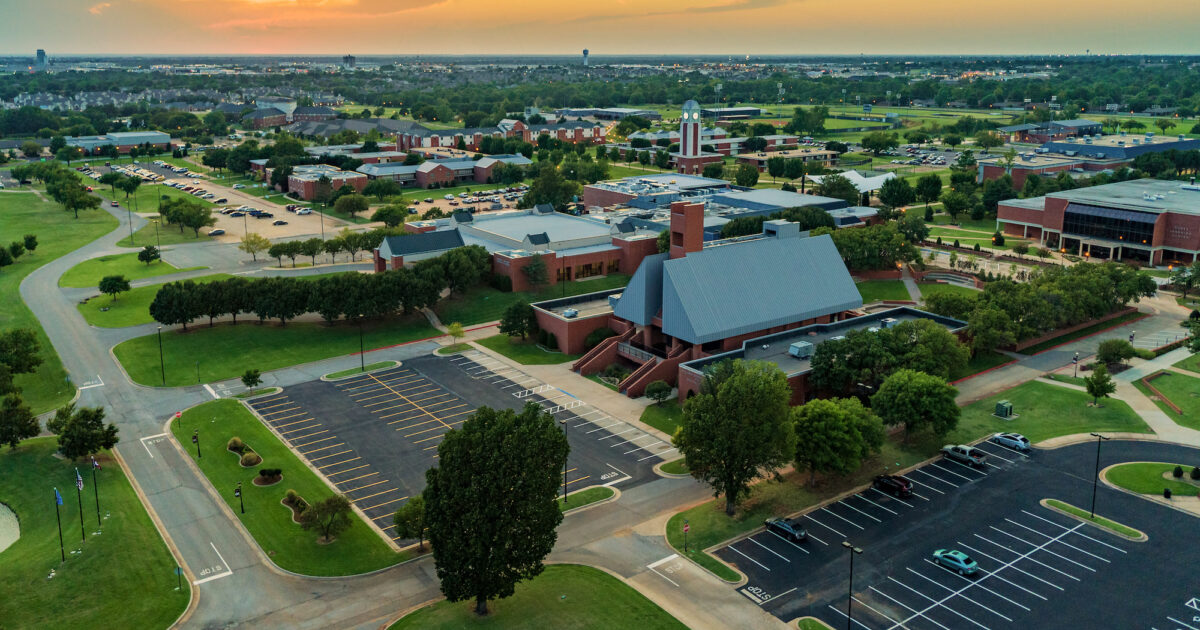
The Bachelor of Fine Arts (B.F.A.) in Graphic Design program at Oklahoma Christian University is designed for students aiming for careers in visual communication. This comprehensive program equips you with the skills needed for roles such as an animator, game designer, art director, graphic designer, web designer, account executive, or copywriter. You will learn to solve visual problems effectively, develop a strong portfolio, and understand the history and professional standards of the design field.
Graphic Design (B.S.)
The Bachelor of Science in Graphic Design program provides a comprehensive foundation for students interested in visual communication and its related industries. This major equips students with essential skills for problem-solving, creative expression, and professional practice in the field. The curriculum emphasizes developing a strong portfolio, understanding design principles, and critically engaging with historical and contemporary design contexts. Graduates are prepared to articulate their creative process, defend their work, and apply their knowledge ethically and thoughtfully.

Graphic Design, Bachelor of Arts
The Bachelor of Arts in Graphic Design at Young Harris College equips students with both technical and conceptual skills for careers in design and commercial arts. This program prepares graduates for various graduate studies and professional opportunities. Students will develop proficiency in image-making and design principles, essential for success in the contemporary creative industries. The curriculum balances foundational knowledge with practical application, ensuring students are well-rounded designers.
Graphic Design, Bachelor of Fine Arts
Maryville University offers a Bachelor of Fine Arts (BFA) in Graphic Design, a professional degree designed to prepare students for careers in communication design. The program emphasizes foundational knowledge in graphic design principles, culminating in a year-long capstone project during the senior year. Students benefit from strong connections to the American Institute of Graphic Arts (AIGA), including an active student chapter. The curriculum focuses on practical application, with students working on real-world projects and internships. The program aims to equip graduates with the skills to create visually compelling and effective designs that can promote ideas, raise awareness, and influence perception. The university also provides resources such as an iPad for all on-campus undergraduate students, academic success and life coaching, and career support services.
Graphic Design, BFA
The Bachelor of Fine Arts (BFA) in Graphic Design program equips students with the skills to become visual storytellers, conceptualizing and producing designs for both print and digital media. The curriculum integrates a strong foundation in liberal arts and visual design principles, art history, and design theory. Advanced coursework delves into areas such as identity, branding, interactive design, motion graphics, and emerging technologies like VR and AR. Students gain practical experience through internships and collaborative projects with public and nonprofit organizations, preparing them for diverse career paths in the multifaceted field of graphic design.
Intangible Design: Organizations
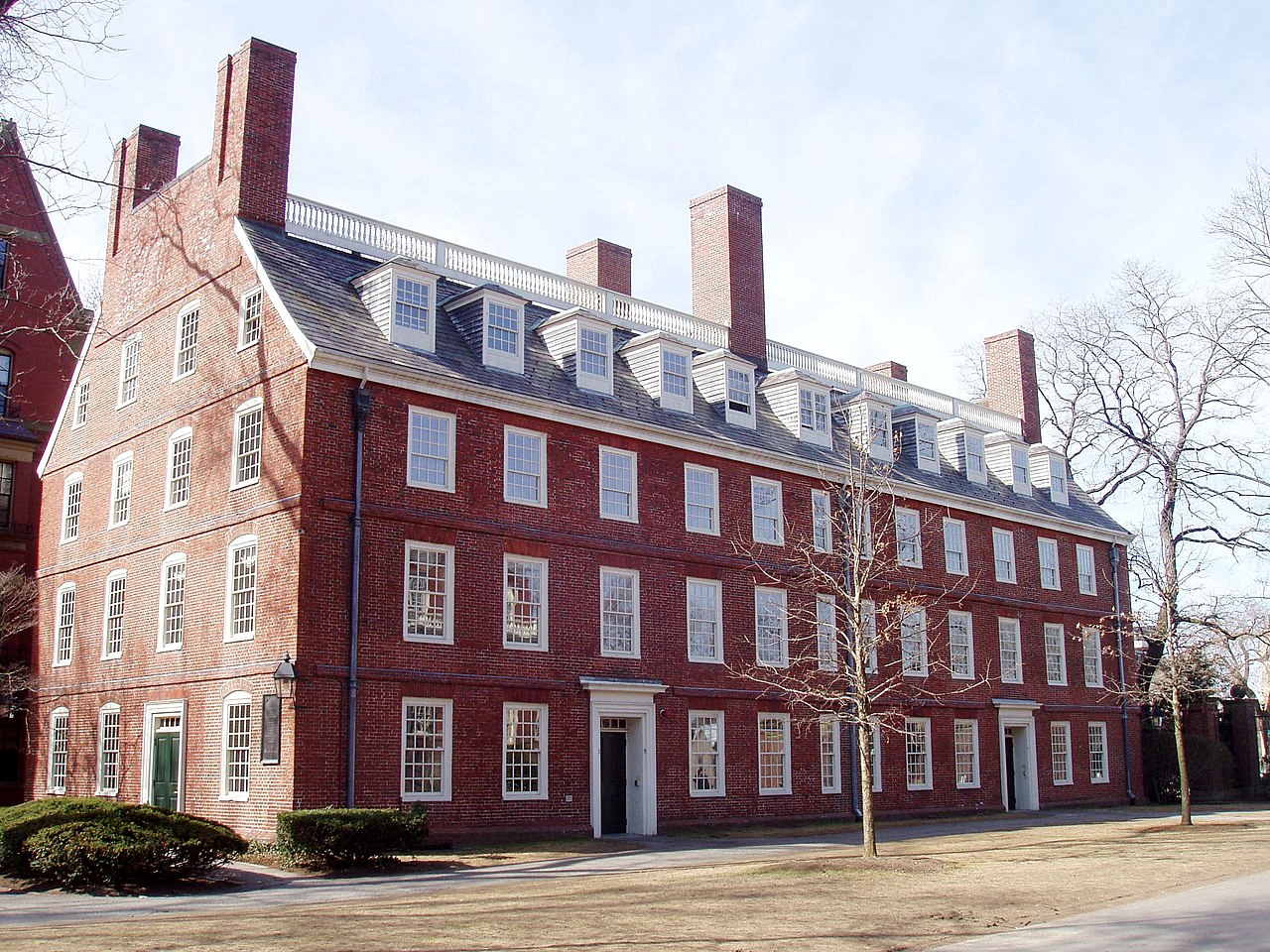
This project-based seminar explores how information visualization methods can be used to analyze, understand, and strategize for change within organizations. Organizations, whether governmental, educational, or corporate, are complex systems with often invisible rules and cultures. This course hypothesizes that design discipline's methods can be applied to describe, visualize, and transform these systems, even in contexts they weren't originally intended for. Through a combination of studio-like projects, workshops, discussions, lectures, and potential site visits, students will engage with fields like systems theory, organizational behavior, and psychology, all viewed through a design lens. The course is experimental, encouraging students from diverse disciplines to collaborate and adapt to new cultural and value systems. The primary "project site" for this iteration is Harvard University itself, providing a rich case study in organizational complexity.

Integrated Product Design, MIPD
The Master of Integrated Product Design (MIPD) program at the University of Pennsylvania is designed for students with backgrounds in engineering, design, or business. It aims to equip students with expertise in a human-centered design process, allowing them to leverage their existing skills and develop new ones. The curriculum is structured to provide a strong foundation in product design while offering flexibility for students to tailor their learning to their specific goals. Students will engage in both integrated courses specifically created for the MIPD degree and single-discipline courses from business, design arts, or engineering departments.
Interior Architecture (B.F.A.)
The Bachelor of Fine Arts in Interior Architecture at Oklahoma Christian University is designed for students aspiring to careers in residential or commercial interior design. The program aims to foster a creative and growth-oriented learning environment, integrating faith with professional practice. Graduates will be equipped with the technical skills, critical thinking abilities, and ethical foundation necessary for entry-level positions in the design field. The curriculum emphasizes a Christ-centered professional value system, encouraging integrity, ethical decision-making, and teamwork.
Interior Design
The Interior Design program at Washington State University's School of Design and Construction prepares students for professional practice through an experiential curriculum centered on design studios. This collaborative environment fosters an understanding of great design principles and their creation. Supporting coursework provides a comprehensive foundation in design and construction, with specialized focus on materials, lighting, history, practices, and theory. Learning happens both in and out of the classroom, with opportunities for travel, study tours, community engagement, job shadowing, and internships. A unique "Senior Experience" offers choices such as studying abroad in Italy, completing a professional internship, or engaging in a community-based studio project. Many students also pursue minors in related disciplines within the School of Design and Construction to broaden their career and graduate study options. The core of the curriculum is the studio experience. The first year focuses on fundamental design elements and principles in two and three dimensions. The second year delves into residential and small commercial design, complemented by technical courses like materials. Upper-division coursework integrates design with technical challenges through various projects, from residential spaces to large commercial environments. Computer skills, including AutoCAD and Revit, are developed throughout the program, supported by an up-to-date materials resource library.
Landscape Architecture
The Bachelor of Landscape Architecture program at Washington State University (WSU) empowers you to shape the world through thoughtful design. This field integrates art, science, and community engagement to create meaningful outdoor spaces that prioritize the health and sustainability of both people and the planet. In a studio environment that fosters innovation and teamwork, you will explore the diverse aspects of landscape architecture, tackling projects such as parks, plazas, gardens, streetscapes, campuses, and trails. Expect to engage with various urban, rural, and natural settings through frequent field excursions. The program offers opportunities for close collaboration with faculty and practicing professionals, enabling you to continuously refine your abilities and prepare for a dynamic career designing beautiful, just, and purposeful places.
M.S. in Architecture and Urban Design
The M.S. in Architecture and Urban Design program is designed to equip students with advanced knowledge and practical skills in the field of urban design. This program focuses on the complexities of urban environments, encouraging students to develop innovative solutions for contemporary urban challenges. Through studio work and theoretical exploration, students will engage with critical issues shaping cities today, preparing them for impactful careers in architecture and urban planning.
Makergraph - Architecture Studio VI
This course, Makergraph (ARCH4106-12), is an Architecture Studio VI offered in Spring 2021 for Master of Architecture and M.S. Advanced Architectural Design programs at Columbia University. It is a full-semester course focused on studio work and carries 0 points. The studio is taught by faculty including Ada Tolla and Giuseppe Lignano.
Master in Architecture I
Harvard University offers a Master in Architecture I (M.Arch I) program designed for students with diverse undergraduate backgrounds seeking professional training in architecture. This program aims to equip students with the foundational knowledge and skills necessary for a career in architectural practice. It emphasizes critical thinking, creative problem-solving, and an understanding of the built environment's social, cultural, and technological contexts. The curriculum is structured to foster a rigorous intellectual and creative development, preparing graduates for leadership roles in the field.
Master of Architecture (M.Arch I) - Architecture Studio II
The Architecture Studio II (ARCH4102-4) course is a core component of the Master of Architecture (M.Arch I) program at Columbia University. This studio focuses on developing advanced architectural design skills and critical thinking through intensive project-based work. It is designed for first-year M.Arch students and is a required part of the curriculum, building upon foundational knowledge to explore complex design challenges. Students engage in studio sessions multiple times a week, collaborating with peers and receiving guidance from faculty. The studio environment fosters a rigorous exploration of design principles, methodologies, and representation techniques. Specific projects and thematic explorations vary by semester and instructor, offering diverse perspectives on contemporary architectural practice and theory.

Master of Architecture (M.Arch.)
The Master of Architecture (M.Arch.) program at UCLA offers a comprehensive graduate education in architecture and urban design. It is designed to provide students with the advanced knowledge and skills necessary for a career in the field. The program welcomes applicants from diverse academic backgrounds, though a foundational understanding of architectural history, culture, basic mathematics, physics, and design principles is advised. Students are encouraged to familiarize themselves with key concepts in architectural history and theory prior to enrollment.
Master of Architecture (M.Arch)
The Master of Architecture (M.Arch) program at California Baptist University is an accelerated, continuous 5-year program designed to prepare students for licensure as practicing architects in the United States. It uniquely combines a Bachelor of Arts in Architecture with the M.Arch degree. Students can transfer into the program at various stages, with potential advanced placement for those who have already completed a bachelor's degree in architecture or a related field. The program emphasizes developing students' capacity to understand the built environment and create architecture as a thoughtful response, integrating artistic, technological, social, political, environmental, economic, and spiritual considerations within a Christian worldview. Key to the program's philosophy is the development of architects who exhibit professional excellence, personal integrity, and servant leadership. Students are encouraged to engage with the profession through various partnerships and opportunities, applying their skills in missional settings and participating in industry research. The curriculum aims to foster creative and critical thinking, empathy, evidence-based decision-making, and a commitment to excellence, all while integrating faith and professional practice.
Master of Landscape Architecture (MLA)
The Master of Landscape Architecture (MLA) program at the University of Illinois Urbana-Champaign offers a first professional degree accredited by LAAB. The program is designed to provide students with advanced insights and research opportunities related to land use and human interaction with the environment. Students can specialize in areas such as ecological design, community design, and cultural heritage history and design. A joint MLA/MUP option is also available. The department also offers a Master of Sustainable Urban Design (MSUD) and a PhD in Landscape Architecture.
Master of Science in Design: Advanced Architectural Design (MSD-AAD)
The Master of Science in Design with a concentration in Advanced Architectural Design (MSD-AAD) is a three-semester program designed for architects who hold a five-year professional bachelor's degree. This program does not lead to a professional architecture license but focuses on advancing design innovation. It aims to prepare students for high-level design research in both professional practice and academia, equipping them with advanced digital tools and critical theoretical engagement with contemporary architectural discourse. The program emphasizes integrating advanced digital modeling techniques into a design methodology that impacts material development, production, fabrication, and construction processes, as well as their aesthetics. The curriculum begins with a mandatory ten-day workshop in design techniques, followed by a semester of advanced architectural design and related courses. Students then join the Master of Architecture program for a year to pursue an individually directed course of study through advanced studios and electives.
Master of Science in Design: Historic Preservation (MSD-HP)
The Master of Science in Design with a concentration in Historic Preservation (MSD-HP) is a one-year, post-professional program at the University of Pennsylvania's Stuart Weitzman School of Design. It is designed for practicing professionals who seek specialized training or a career change in historic preservation. The program requires completion of 10 course units over two full-time semesters. Admission to the MSD-HP program is for individuals holding a professional degree in design or planning fields such as architecture, landscape architecture, urban planning, or engineering. Applicants must also have at least three years of relevant professional experience. The curriculum is structured to allow for personalized study plans, including advanced thesis research or additional studio work, alongside core coursework.

Master of Science in Electrical and Computer Engineering – Computer Architecture
The Master of Science in Electrical and Computer Engineering (MS ECE) with a specialization in Computer Architecture is designed for students who want to deepen their expertise in the design and analysis of computer systems. This program equips you with specialized knowledge to excel in the computer industry, focusing on microchips and complete system design. You will gain additional breadth in Computer Engineering through technical electives in areas like networking and VLSI/CAD. This degree is eligible for the OPT STEM extension for international students.

Master of Science in Information Design & Strategy
The Master of Science in Information Design and Strategy (IDS) is an online program designed for professionals who need to understand how to translate complex information and data into meaningful visual forms, narratives, and interfaces. It combines design thinking, data analysis, and communication strategies to equip graduates with the skills to craft compelling narratives from raw information. This interdisciplinary program prepares students for cross-functional or leadership roles in the evolving digital landscape by blending creative expertise with business strategy and emerging technologies. The program's strong theoretical framework and focus on fundamental concepts make it applicable to various fields, including business, arts, government, healthcare, and education.

Master of Urban Planning (MUP)
The Master of Urban Planning (MUP) program at Texas A&M University is an accredited, two-year graduate degree designed to equip students with the knowledge and skills to address complex urban challenges. You will explore planning from technical, political, economic, and legal perspectives, preparing you to identify community values and develop ethical solutions for sustainable urban futures. The program integrates traditional planning skills with emerging specializations, fostering graduates who are adept at cultivating communities as planners, innovators, and lifelong learners. Since its inception in 1965, the MUP program has trained leaders for professional opportunities in planning and related fields, as well as for further doctoral studies. The curriculum includes core courses, specialized emphasis areas, an applied planning studio, and a required summer internship, ensuring a comprehensive and practical learning experience.

MFA Costume Design
Carnegie Mellon's Master of Fine Arts (MFA) in Costume Design program is a highly-ranked program focused on developing students' aesthetic sensibilities, historical knowledge, critical analysis, and practical making skills. Through intensive, mentored instruction, students engage with various performance mediums including theater, film, television, opera, musicals, and dance. The curriculum emphasizes hands-on experience through realized productions and opportunities to assist or design professionally with Pittsburgh's local theater companies. Students also benefit from trips to New York's costume studios and fabric district, providing exposure to industry resources and connections. The program aims to equip graduates with the skills and professional network necessary for fulfilling and successful careers in costume design.

Minor in Human-Centered Design
The Human-Centered Design (HCD) minor at Dartmouth's Thayer School of Engineering focuses on developing solutions with a deep understanding of user needs and contexts. This interdisciplinary minor integrates principles from engineering, design, and social sciences to foster innovation that is both technically sound and socially responsible. Students learn to empathize with users, define problems, ideate solutions, prototype, and test, all within a framework that prioritizes human well-being and experience. It is ideal for students seeking to add a design thinking and user-focused approach to their primary field of study.
Frequently asked questions
How many Architecture & Design programmes are available in the United States?
+
There are 115 Architecture & Design programmes across 47 US universities, covering architecture, urban design, interior design, landscape architecture, and other creative disciplines.
How much does Architecture & Design study cost in the United States?
+
Tuition ranges from roughly €26,000 to €71,000 per year, depending on whether the institution is public or private and on the specific programme.
Which universities offer Architecture & Design programmes in the United States?
+
Notable providers include the University of Florida, Iowa State University, the University of Illinois Chicago, the University of Virginia, and Young Harris College, among 47 institutions.
Can international students apply for Architecture & Design programmes in the US?
+
Yes. International students are welcome; most programmes require a portfolio, English-language test scores, and academic transcripts as part of the application.
What are the typical entry requirements for Architecture & Design programmes?
+
Undergraduate programmes typically require a high-school diploma with strong maths and arts foundations; graduate programmes usually require a relevant bachelor's degree and a portfolio demonstrating creative work.