Bachelor's in Architecture & Design in United States
The United States offers 45 Bachelor's programmes in Architecture & Design across 23 universities, providing undergraduate students with options from professional architecture degrees to design and fine arts programmes. Institutions including University of Virginia, Dartmouth College, University of Illinois Chicago, and Oklahoma Christian University are among those offering Bachelor's degrees in this discipline. Tuition is approximately €33,000 per year across the listed programmes.
US Bachelor's in Architecture programmes typically run five years to earn a professional Bachelor of Architecture (B.Arch) degree, while related design degrees may be four years. These programmes combine studio-based design work with coursework in structures, history of architecture, environmental systems, and digital fabrication. Graduates of accredited B.Arch programmes are eligible to pursue architectural licensure in the United States after completing the required internship and examination process.

Architecture, BA
California Baptist University's Bachelor of Arts in Architecture program aims to equip students with the knowledge and judgment needed to understand the built environment. The program encourages students to develop architecture as a critical response, integrating advanced practice, contemporary theory, and social engagement. Graduates will be prepared to engage with the discipline of architecture and its various discourses—artistic, technological, social, political, environmental, economic, and spiritual—to become successful practitioners and conscientious citizens with a biblical worldview.

Art – Graphic Design BFA
Art and Design
The Art and Design program at West Virginia Wesleyan College prepares students for successful careers in creative fields such as graphic design, printmaking, drawing, and pre-art therapy. The curriculum blends professional software applications with traditional artistic practices and explores emerging technologies. Students develop essential skills in creative problem-solving, ideation, and communication, which are valuable assets across various industries. The program emphasizes both hands-on production and the conceptual development of artistic solutions.

Art and Design, BA/BFA
Lindenwood University offers an online Bachelor of Arts (BA) or Bachelor of Fine Arts (BFA) in Art and Design. This program is designed for students who want to develop their creative expression and build on their passion for art and design. The curriculum covers essential fine arts and design principles with options for specialization in Digital Art, Graphic Design, and Photography. The online format provides flexibility for students to continue their creative work while pursuing their degree. Graduates of this program have a high rate of employment or further education.

Art—B.A. Graphic Arts and Design
The Bachelor of Arts in Graphic Arts and Design program focused on the production of mass media, graphic design, and imaging technology. It emphasized visual problem-solving and information literacy, equipping students with a broad range of graphic knowledge, tools, and skills to understand complex 21st-century challenges. This degree provided a foundation in art history and studio practices. However, please note that this program is discontinued and is not accepting new admissions. Students currently enrolled or previously admitted should consult with an advisor for available options, including alternative programs and pathways to complete their degree requirements.

Bachelor of Applied Science in Performance Design and Production
The Bachelor of Applied Science in Performance Design and Production offers practical training for careers in live event production, technical theatre, stage design, production management, and entertainment technology. It is designed for students with prior experience in performance or technical theatre who wish to develop their skills in behind-the-scenes roles. Through hands-on experience in productions at the Florida School of the Arts, students will be well-prepared for diverse roles in the entertainment industry. Graduates can find employment in areas such as audio, projection, and lighting technology, scenic and costume design, theme park and cruise ship production, live event and theatre production, and video editing and production management. The program requires students to hold an A.A. or A.S. in Theater and Entertainment Technology, with a specialization in Costume Technology or Technical Theater. The curriculum involves lower-division core courses and upper-division coursework, totaling 120 semester hours. An optional teaching track is also available for those interested in K-12 education.

Bachelor of Architecture (B.Arch)
The Bachelor of Architecture (B.Arch) is a five-year professional degree designed to prepare students for leadership roles in the architecture profession and to become licensed architects. To be eligible for admission into the B.Arch program, students must first successfully complete the Associate of Science (A.S.) in Engineering Design Technology with an Architectural Drafting and Design Track. A minimum grade of 'C' or better is required in all prerequisite coursework, including ARC 2110 and ARC 2210 (or current enrollment in ARC 2210 at the time of application). This program emphasizes a community of designers focused on creating a more beautiful, sustainable, and healthy built environment. Prospective students are encouraged to visit the program and connect with faculty for a personalized experience.
Bachelor of Arts in Advertising and Graphic Design
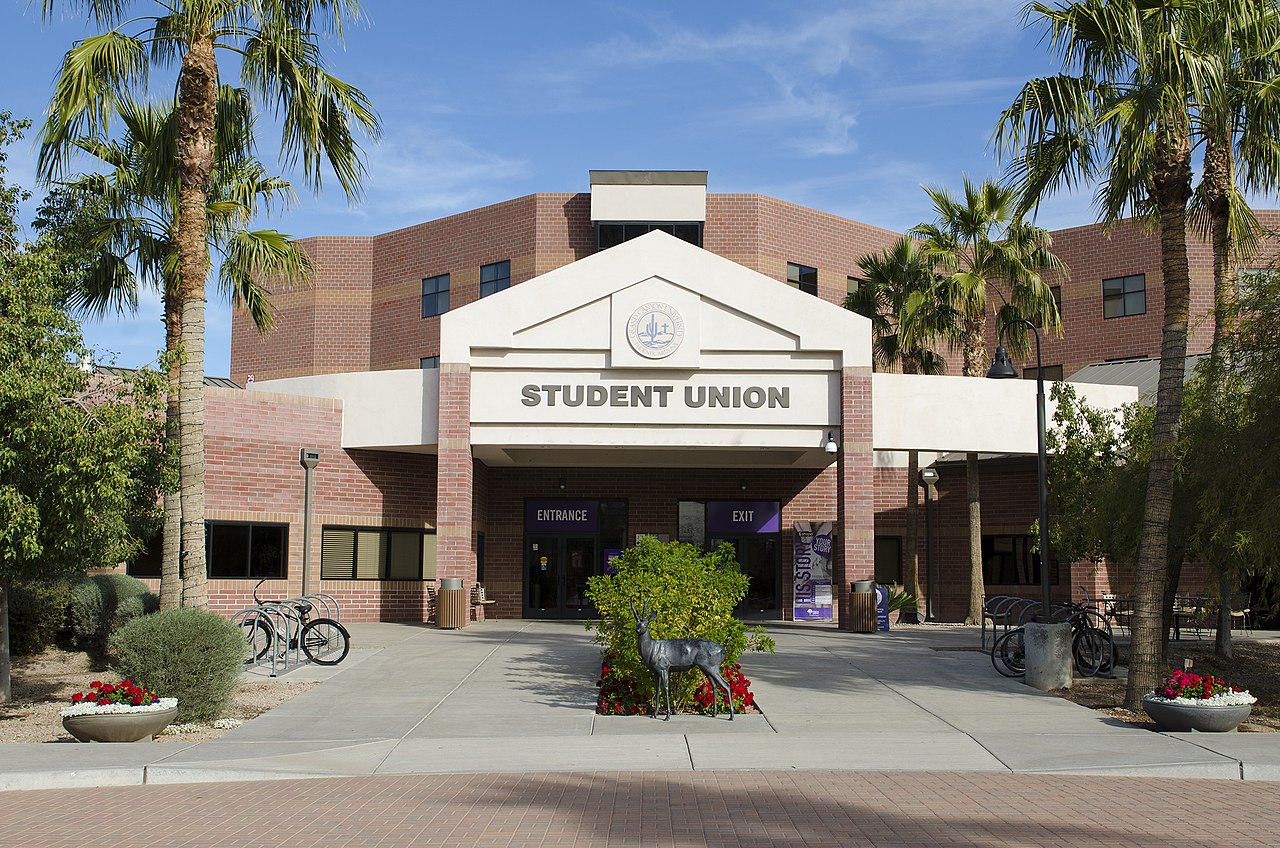
This Bachelor of Arts in Advertising and Graphic Design program, offered by Grand Canyon University's College of Arts and Media, is designed for creative individuals who are also strong problem solvers. The curriculum focuses on developing core concepts and skills necessary for the advertising industry. Through hands-on, collaborative studio classes, students will learn to conceptualize creative advertising strategies and manage comprehensive campaigns, often working on real client projects. The program aims to nurture a passion for art and creativity while preparing students to present brands effectively across various media.

Bachelor of Arts in Game Design
This four-year Bachelor of Arts in Game Design program focuses on understanding the player's experience and making intentional design choices to create engaging games. You will learn the core concepts and techniques that underpin both modern video games and traditional analog games. The curriculum emphasizes practical application through yearly game projects where you will collaborate with students in programming, art, and audio disciplines. In your junior year, you can specialize in areas such as systems, narrative, level, technical, user experience (UX), or user research design, allowing you to hone your focus on specific industry passions.
Bachelor of Arts in Music and Sound Design
The Bachelor of Arts in Music and Sound Design program prepares students for careers in creating music and sound for digital media, including video games and film. This four-year program combines music composition and theory with audio engineering, recording, and mixing techniques. Students develop a hybrid skillset by learning to compose soundtracks and design sound effects. The curriculum emphasizes practical application through interdisciplinary project teams, where students collaborate with programmers, artists, and game designers to create original media projects from concept to completion. This hands-on approach results in a professional portfolio showcasing skills in composition, design, production, and implementation.

Bachelor of Fine Arts in Interior Design
The Bachelor of Fine Arts in Interior Design program at Maryville University is designed to prepare students for a professional career in the field. It emphasizes problem-seeking practices, creative design thinking, and practical application. Students will develop skills in in-depth research, understanding environmental psychology, and the human experience within designed spaces. The curriculum includes the study of research and visualization methods, architectural principles, human factors, color, lighting, and contemporary computer-aided design technologies. Graduates will have developed a professional portfolio and will have participated in a senior show. The program aims to equip students with awareness, intentionality, objectivity, creativity, critical analysis, evolution, implementation, and technical skills necessary for aesthetic design. Students engage in project-based learning and professional partnerships, gaining hands-on experience with real-world projects through collaborations with corporate and civic organizations.
Digital Design (B.F.A.)
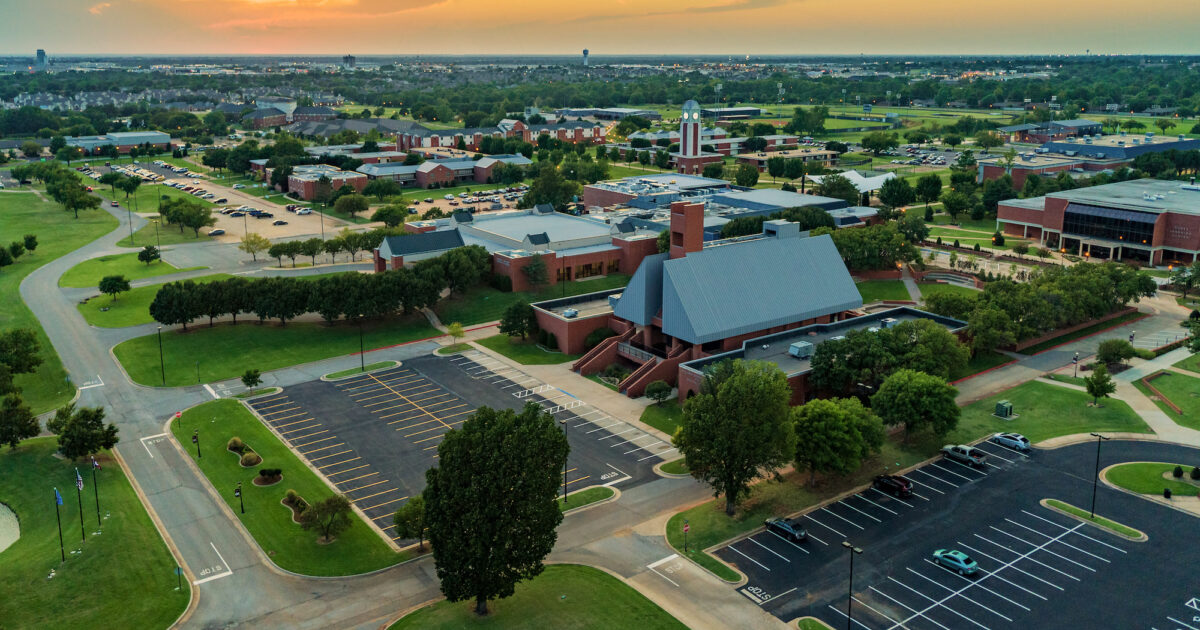
The Digital Design Bachelor of Fine Arts (B.F.A.) program offers an interdisciplinary approach to design, integrating coursework from various creative fields. This major is ideal for students seeking a broad foundation in art or preparing for a career in art and its related industries. The curriculum emphasizes developing effective visual problem-solving skills, critical thinking, and proficiency in current design technologies. Graduates will be equipped to produce and defend a body of creative work, understand art and design history, and apply their knowledge ethically and globally. The program also encourages students to explore the role of faith in creative expression.
Game Design
Maryville University offers a Bachelor of Arts in Interactive Design with a concentration in Game Design. This program provides a strong foundation in design principles, technology, user experience, and critical thinking, preparing students for careers in the entertainment industry. The curriculum is structured to help you develop a competitive portfolio and acquire in-demand creative skills, with a focus on game-based media and design within the broader graphic and interactive design fields.
Game Design (BA)
Embark on a creative journey with the Bachelor of Arts in Game Design at Lindenwood University. This program is designed for individuals who are passionate about games and eager to understand the intricacies of their creation. You will explore both the theoretical underpinnings and practical applications of game design, preparing you for a dynamic career in the gaming industry. The curriculum emphasizes developing compelling and immersive gaming experiences, making it ideal for those who enjoy analyzing games and envisioning improvements.

Graphic Arts and Integrated Design
The Graphic Arts and Integrated Design program at Washington State University provides a comprehensive foundation in visual literacy. Students will explore various design pathways, focusing on the core principles of graphic arts and design. The curriculum incorporates hands-on experiences in areas such as printmaking, photography, digital media, illustration, drawing, and fabrication, all aimed at developing problem-solving skills for effective visual communication. The program emphasizes the importance of visual literacy and collaborative work. Students will gain a strong understanding of how to create engaging and impactful visual messages for diverse audiences. The curriculum is designed to foster creativity, technical proficiency, and critical thinking within the field of graphic arts and integrated design.
Graphic Design
The Graphic Design program at Washington State University focuses on the principles of visual aesthetics and image creation. Through this program, students will develop the ability to critically analyze, create, and discuss imagery from various perspectives. The curriculum challenges students to think like designers, enhancing their creative and problem-solving abilities alongside technical proficiency in industry-standard design software. Students will gain an understanding of how digital design conveys information and impacts viewers, recognizing the significant role images play in our lives. This foundation prepares graduates for professional careers in fields such as graphic design, brand management, social media, and marketing.
Graphic Design (B.F.A.)
The Bachelor of Fine Arts (B.F.A.) in Graphic Design program at Oklahoma Christian University is designed for students aiming for careers in visual communication. This comprehensive program equips you with the skills needed for roles such as an animator, game designer, art director, graphic designer, web designer, account executive, or copywriter. You will learn to solve visual problems effectively, develop a strong portfolio, and understand the history and professional standards of the design field.
Graphic Design (B.S.)
The Bachelor of Science in Graphic Design program provides a comprehensive foundation for students interested in visual communication and its related industries. This major equips students with essential skills for problem-solving, creative expression, and professional practice in the field. The curriculum emphasizes developing a strong portfolio, understanding design principles, and critically engaging with historical and contemporary design contexts. Graduates are prepared to articulate their creative process, defend their work, and apply their knowledge ethically and thoughtfully.

Graphic Design, Bachelor of Arts
The Bachelor of Arts in Graphic Design at Young Harris College equips students with both technical and conceptual skills for careers in design and commercial arts. This program prepares graduates for various graduate studies and professional opportunities. Students will develop proficiency in image-making and design principles, essential for success in the contemporary creative industries. The curriculum balances foundational knowledge with practical application, ensuring students are well-rounded designers.
Graphic Design, Bachelor of Fine Arts
Maryville University offers a Bachelor of Fine Arts (BFA) in Graphic Design, a professional degree designed to prepare students for careers in communication design. The program emphasizes foundational knowledge in graphic design principles, culminating in a year-long capstone project during the senior year. Students benefit from strong connections to the American Institute of Graphic Arts (AIGA), including an active student chapter. The curriculum focuses on practical application, with students working on real-world projects and internships. The program aims to equip graduates with the skills to create visually compelling and effective designs that can promote ideas, raise awareness, and influence perception. The university also provides resources such as an iPad for all on-campus undergraduate students, academic success and life coaching, and career support services.
Graphic Design, BFA
The Bachelor of Fine Arts (BFA) in Graphic Design program equips students with the skills to become visual storytellers, conceptualizing and producing designs for both print and digital media. The curriculum integrates a strong foundation in liberal arts and visual design principles, art history, and design theory. Advanced coursework delves into areas such as identity, branding, interactive design, motion graphics, and emerging technologies like VR and AR. Students gain practical experience through internships and collaborative projects with public and nonprofit organizations, preparing them for diverse career paths in the multifaceted field of graphic design.
Interior Architecture (B.F.A.)
The Bachelor of Fine Arts in Interior Architecture at Oklahoma Christian University is designed for students aspiring to careers in residential or commercial interior design. The program aims to foster a creative and growth-oriented learning environment, integrating faith with professional practice. Graduates will be equipped with the technical skills, critical thinking abilities, and ethical foundation necessary for entry-level positions in the design field. The curriculum emphasizes a Christ-centered professional value system, encouraging integrity, ethical decision-making, and teamwork.
Interior Design
The Interior Design program at Washington State University's School of Design and Construction prepares students for professional practice through an experiential curriculum centered on design studios. This collaborative environment fosters an understanding of great design principles and their creation. Supporting coursework provides a comprehensive foundation in design and construction, with specialized focus on materials, lighting, history, practices, and theory. Learning happens both in and out of the classroom, with opportunities for travel, study tours, community engagement, job shadowing, and internships. A unique "Senior Experience" offers choices such as studying abroad in Italy, completing a professional internship, or engaging in a community-based studio project. Many students also pursue minors in related disciplines within the School of Design and Construction to broaden their career and graduate study options. The core of the curriculum is the studio experience. The first year focuses on fundamental design elements and principles in two and three dimensions. The second year delves into residential and small commercial design, complemented by technical courses like materials. Upper-division coursework integrates design with technical challenges through various projects, from residential spaces to large commercial environments. Computer skills, including AutoCAD and Revit, are developed throughout the program, supported by an up-to-date materials resource library.
Landscape Architecture
The Bachelor of Landscape Architecture program at Washington State University (WSU) empowers you to shape the world through thoughtful design. This field integrates art, science, and community engagement to create meaningful outdoor spaces that prioritize the health and sustainability of both people and the planet. In a studio environment that fosters innovation and teamwork, you will explore the diverse aspects of landscape architecture, tackling projects such as parks, plazas, gardens, streetscapes, campuses, and trails. Expect to engage with various urban, rural, and natural settings through frequent field excursions. The program offers opportunities for close collaboration with faculty and practicing professionals, enabling you to continuously refine your abilities and prepare for a dynamic career designing beautiful, just, and purposeful places.

Minor in Human-Centered Design
The Human-Centered Design (HCD) minor at Dartmouth's Thayer School of Engineering focuses on developing solutions with a deep understanding of user needs and contexts. This interdisciplinary minor integrates principles from engineering, design, and social sciences to foster innovation that is both technically sound and socially responsible. Students learn to empathize with users, define problems, ideate solutions, prototype, and test, all within a framework that prioritizes human well-being and experience. It is ideal for students seeking to add a design thinking and user-focused approach to their primary field of study.

Naval Architecture and Marine Engineering
The Naval Architecture and Marine Engineering (NAME) major offers a robust education in engineering, mathematics, and sciences, specifically focusing on the design and analysis of ships and boats. While sharing common ground with mechanical engineering, this program places a strong emphasis on ship design and systems during the junior and senior years. The curriculum is highly experiential, utilizing advanced professional resources like a tow tank, circulating water channel, wind tunnel, 3D printers, CNC router, and a materials science lab.
The Architecture of Cairo
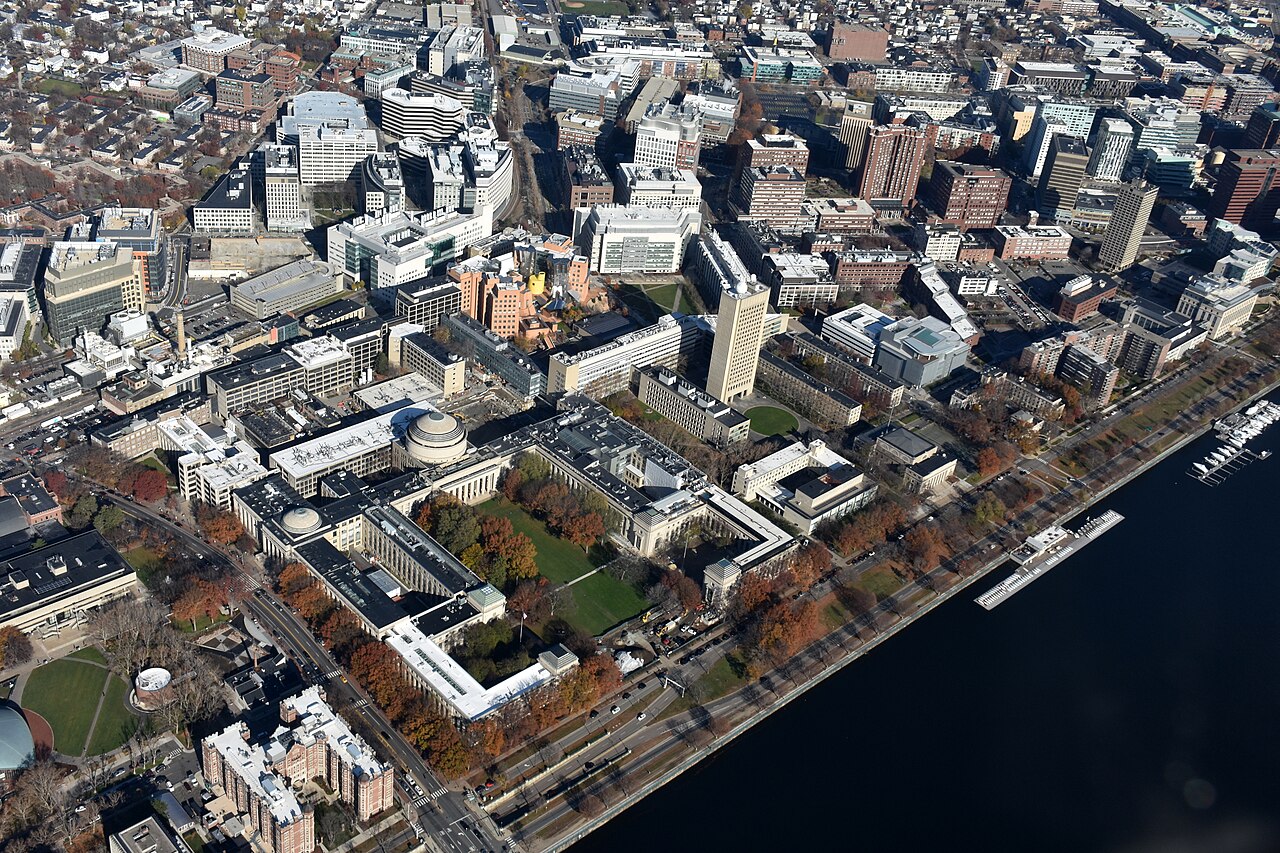
This undergraduate course, "The Architecture of Cairo," offered in Spring 2002, delves into the historical and critical aspects of Cairo's architectural heritage. Taught by Professor Nasser Rabbat, the course explores significant monuments and architectural characteristics, particularly focusing on the Fatimid period. It examines key concepts such as the Fatimid history of al-Azhar Mosque, the roles of historical figures like Jawhar al-Siqilli and Caliph al-Hakim bi Amr Allah, and the architectural innovations introduced during their rule. The curriculum highlights distinctive features of Fatimid mosque architecture, including the use of projected portals, domes over mihrabs, keel-shaped arches, and intricate stucco decoration. The course also touches upon specific monuments like the Al-Hakim Mosque and the Mosque of al-Lu’lu’a, providing a detailed study of their historical context and design.
Theatre Arts - Theatre Design and Production Emphasis, B.F.A.
The Bachelor of Fine Arts (BFA) in Theatre Arts with an emphasis in Theatre Design and Production offers intensive, conservatory-style training for students specializing in costume, lighting, scenic design and construction, sound design, stage management, and technical direction. This program prepares students for professional careers in theatre by providing hands-on experience and developing a deep focus within their chosen area. Admission to this competitive program requires a successful audition or portfolio submission and an interview.
Theatre: Design & Technical
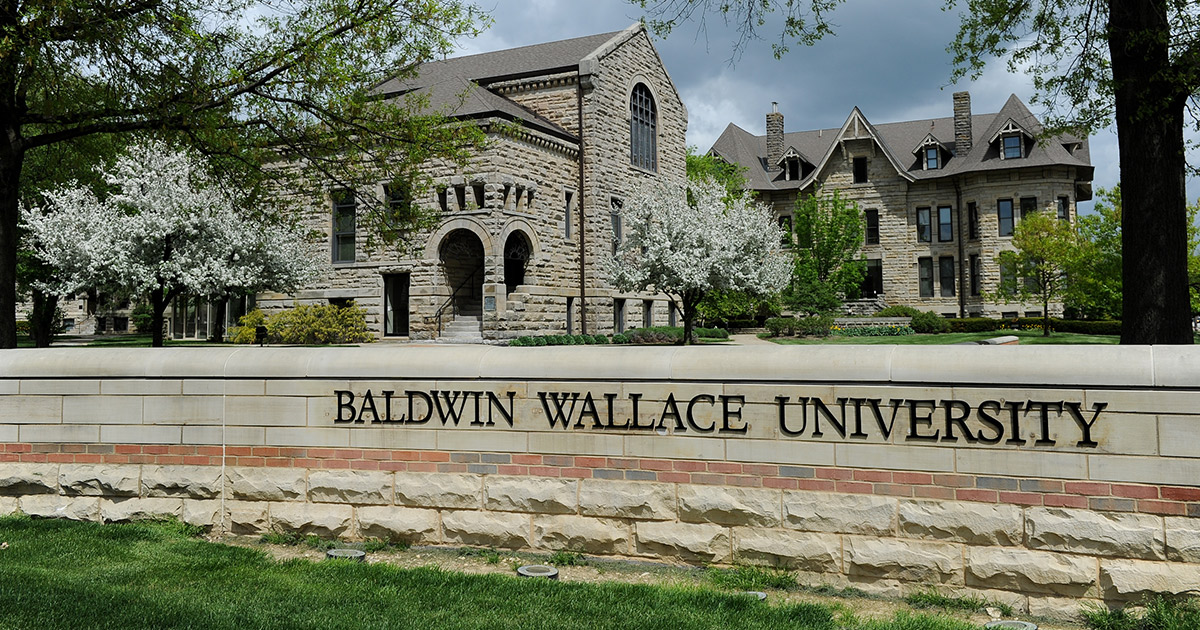
The Theatre: Design & Technical program at Baldwin Wallace University offers a comprehensive, hands-on education for students interested in the technical and artistic elements of theatre production, including scenery, costumes, lighting, and sound. This undergraduate major combines theoretical knowledge with practical skill-building, preparing students for professional careers in the field. You will engage in coursework and real-world projects covering scenic design, lighting, costume design, stagecraft, script analysis, and stage management. The curriculum emphasizes foundation courses in literature, history, performance, and collaborative studies to develop analytical skills and a deep understanding of professional theatre practices. Student success is a core focus, with small class sizes, individualized attention, and dedicated faculty mentoring. The program encourages participation in professional apprenticeship opportunities both nationally and internationally, providing valuable experience, networking connections, and resume building. BW's faculty are active professionals with strong ties to regional theatres like Cleveland's Great Lakes Theater and national festivals such as the Idaho Shakespeare Festival. The university's facilities include both proscenium and black box theatres, offering diverse learning environments for various staging styles.

Undergraduate Programs in Entertainment & the Arts
Lipscomb University's College of Entertainment & the Arts (CEA) offers a Christ-centered, innovative, and entrepreneurial environment for students passionate about the arts. The college provides rigorous artistic training, encourages creative collaboration, and fosters professional growth through its unique community. Students learn from outstanding faculty and distinguished industry professionals, utilize state-of-the-art facilities, and build connections within a vast network of artists. The program emphasizes developing an entrepreneurial spirit for sustainable careers and strengthening artistic craft alongside faith. Students have opportunities to work on major motion pictures with professional production companies, train with Grammy and Dove Award-winning musicians, learn animation from Disney animators, and collaborate with Broadway professionals on theatrical productions. Further experiences include curating art shows, developing video games or mobile apps, designing for various entertainment sectors (theatre, fashion, film, theme parks), and exploring global art perspectives. The college offers over a dozen undergraduate degrees and concentrations that allow students to combine their arts and entertainment passions with other fields of study.
Frequently asked questions
How many Bachelor's in Architecture & Design programmes are available in the United States?
+
There are 45 Bachelor's programmes in Architecture & Design across 23 universities in the United States.
How much does a Bachelor's in Architecture & Design cost in the United States?
+
Tuition is approximately €33,000 per year. Actual fees vary by institution, so check each university's current schedule.
Which universities in the US offer a Bachelor's in Architecture & Design?
+
Programmes are offered at University of Virginia, Dartmouth College, University of Illinois Chicago, Oklahoma Christian University, Young Harris College, and United States Coast Guard Academy, among 23 universities.
Can international students apply to Bachelor's in Architecture & Design programmes in the US?
+
Yes. International applicants typically need a secondary school diploma, a portfolio of creative or design work, and English language proficiency. The portfolio requirement is standard for professional architecture and design programmes.
What are typical entry requirements for a Bachelor's in Architecture & Design in the US?
+
Most programmes require a high school diploma with strong academic performance, a portfolio demonstrating creative ability or design interest, SAT or ACT scores, and an English language qualification for non-native speakers.