Master's in Architecture & Design in United States
The United States offers 44 Master's programmes in Architecture & Design across 23 universities, providing graduate students with access to some of the world's most celebrated design schools. Institutions including Columbia University, University of California Los Angeles, Iowa State University, and University of Illinois Chicago are among those offering graduate architecture and design degrees. Tuition ranges from roughly €28,000 to €71,000 per year.
US Master's in Architecture programmes typically span one to three years, depending on whether the applicant holds a prior professional architecture degree. Leading programmes combine design studio culture with coursework in sustainability, urban design, computational design, and building technology. Many schools are located in major US cities, giving students direct exposure to built environments, architectural practices, and cultural institutions that inform the discipline.

Advanced Architecture Tutorial
This course, the Advanced Architecture Tutorial, is offered as part of the M.S. Advanced Architectural Design program at Columbia University. It focuses on advanced architectural design concepts and practices. The tutorial is structured to be a full semester experience within the summer session, involving intensive studio work and design seminars.
Advanced Studio VI (ARCH4106-4)
Advanced Studio VI is a core studio course within the Master of Architecture (M. Arch) and M.S. Advanced Architectural Design (AAD) programs at Columbia University. This studio is designed for third-year students in these programs and is a required component of the curriculum. It is a full-semester course focused on advanced architectural design principles and practices. Students engage in intensive studio work, exploring complex design challenges under the guidance of faculty. The course is offered in multiple sections each spring semester, allowing students to choose a studio led by a specific faculty member whose research and teaching interests align with their own. This structure provides diverse perspectives and approaches to architectural design. The studio environment is collaborative and aims to foster critical thinking and innovative design solutions.

Architectural Studies
Washington State University's School of Design and Construction offers programs dedicated to educating future architects who are aware of and critically understand the social, political, and global conditions shaping our built environment. The curriculum provides a comprehensive education in design, history and theory, technology, and practice. Graduates are equipped to communicate effectively, collaborate with diverse professionals and communities, and integrate various factors through "design thinking" and innovative performance-based design modeling. The Bachelor of Science in Architectural Studies (BS Arch Studies) serves as a foundation for those planning to pursue accredited graduate programs or enter related fields. The Master of Architecture (M. Arch) degree is fully accredited by the National Architectural Accrediting Board (NAAB) and fulfills the educational requirements for architectural licensure in all U.S. jurisdictions. The M. Arch program emphasizes practice-based innovation and research.

Art & Design, MA (Online)
Lindenwood University offers an online Master of Arts in Art & Design, designed to help you advance your creative expression and professional practice. This program provides advanced studies to amplify your impact in areas such as product design, fine artistry, and digital media. You can elevate your skills and practice at your own pace and convenience.
Art and Design (MA)
The Master of Arts (MA) in Art and Design program is designed for innovative thinkers and creative professionals seeking to deepen their understanding of art and design. It provides a strong foundation in critical theories and practical application, exploring various approaches and gaining historical insights within the field. The program equips students with the latest strategies and techniques, preparing them for advanced roles in the dynamic art and design industry. Taught by experienced faculty who are active practitioners in the St. Louis area, the curriculum emphasizes interdisciplinary approaches essential for success in today's creative industries.
Art and Design (MA)
Art and Design (MA) with Emphasis in Studio Art

Costume Design MFA
The Master of Fine Arts (MFA) in Theatre with a specialization in Live Design and Production, focusing on Costume Design, is a three-year, 60-credit hour program. It uses theories of dress and identity to visually drive narratives in performance. This program explores costume design across diverse genres including opera, multimedia performance, interactive dance, immersive installations, and live theatrical narratives. The curriculum balances design studio work, skill-building, practical production experience, and critical thinking, culminating in a student-developed thesis project. The program admits two students per discipline annually, fostering a focused learning environment within a larger department. Graduates are prepared to be the next generation of storytellers and performance makers.

Costume Production, MFA
The Master of Fine Arts (MFA) in Costume Production at the University of North Carolina at Chapel Hill provides advanced training in the craft of costume production. This program is designed for students seeking to develop expertise in areas such as costume design, technical direction, and management within the performing arts. The curriculum emphasizes hands-on experience and theoretical knowledge, preparing graduates for professional careers in theatre, film, and other related industries. The program values diversity and welcomes applicants from all backgrounds, aiming to foster an inclusive learning environment. Students will engage with faculty, current students, and industry professionals through interviews, workshops, and portfolio reviews. Upon completion, graduates will be equipped with specialized skills and a comprehensive understanding of costume production.

CS 147: Projects - Design and Build
CS 147 is a project-based course where interdisciplinary teams of students design and build technology prototypes over a quarter. The course focuses on applying design and technology skills to address real-world needs and create innovative solutions. Each team works towards a functional proof-of-concept, culminating in a presentation at an Industry Project Fair. Students gain hands-on experience in product development, from identifying needs to delivering a demonstrable prototype. The course explores various themes each quarter, allowing students to focus on specific areas such as educational technology, digital wellbeing, multimodal interfaces, financial literacy, engagement between digital and physical spaces, and health and wellness.

Design + Innovation, MS
The Master of Science in Design + Innovation (MD+I) is an intensive, one-year interdisciplinary program at the University of Wisconsin–Madison. It brings together students and faculty from five different schools and colleges: Engineering, Human Ecology, Business, Art, and the iSchool. The program focuses on equipping students with the skills and mindset to tackle complex real-world challenges through innovative and inclusive design. It emphasizes transdisciplinary collaboration, socially engaged innovation aligned with the Wisconsin Idea, and life-centered design that benefits both people and the environment. Students will engage in hands-on learning, working with community and industry partners to develop solutions. The curriculum integrates engineering principles, business strategy, user experience design, and creative problem-solving. The MD+I program aims to foster empathy, creativity, and a commitment to making a positive societal impact, preparing graduates to become leaders in addressing global issues.

Exploration Systems Design, MS
The Master of Science in Exploration Systems Design at Arizona State University is designed for students who want to become leading researchers in scientific experimentation and mission development for Earth, planetary, and space exploration. This program uniquely combines scientific applications with engineering knowledge, providing a comprehensive education in Earth science, space science, and astrophysics. Students will develop skills to invent and implement cutting-edge scientific experiments and instruments. The curriculum is interdisciplinary, preparing graduates to bridge the gap between scientific inquiry and engineering solutions. Graduates of this program are well-prepared for high-demand roles in aerospace and technology sectors.
Game Design (MA)
Lindenwood University's Master of Arts in Game Design is a 30-credit hour program designed for individuals looking to advance their careers in the gaming industry. The program focuses on high-level game design and production, covering areas such as aesthetics, immersion, level design, and usability. Students gain hands-on experience with cutting-edge technologies including XR/AR/VR, AI, Unity, and Unreal Engine. The curriculum emphasizes project-based learning, with options for a non-thesis/applied project or a thesis track. Courses are taught by industry veterans who bridge theoretical knowledge with practical application.

Graduate Programs in Art & Design
The University of Illinois Urbana-Champaign's School of Art & Design offers advanced degrees for students passionate about visual art and culture. Our graduate programs are designed to train artists, designers, educators, critics, curators, and historians to the highest professional standards. We provide a rigorous academic environment where students can develop their expertise and contribute to the field.

Integrated Product Design, MIPD
The Master of Integrated Product Design (MIPD) program at the University of Pennsylvania is designed for students with backgrounds in engineering, design, or business. It aims to equip students with expertise in a human-centered design process, allowing them to leverage their existing skills and develop new ones. The curriculum is structured to provide a strong foundation in product design while offering flexibility for students to tailor their learning to their specific goals. Students will engage in both integrated courses specifically created for the MIPD degree and single-discipline courses from business, design arts, or engineering departments.
M.S. in Architecture and Urban Design
The M.S. in Architecture and Urban Design program is designed to equip students with advanced knowledge and practical skills in the field of urban design. This program focuses on the complexities of urban environments, encouraging students to develop innovative solutions for contemporary urban challenges. Through studio work and theoretical exploration, students will engage with critical issues shaping cities today, preparing them for impactful careers in architecture and urban planning.
Makergraph - Architecture Studio VI
This course, Makergraph (ARCH4106-12), is an Architecture Studio VI offered in Spring 2021 for Master of Architecture and M.S. Advanced Architectural Design programs at Columbia University. It is a full-semester course focused on studio work and carries 0 points. The studio is taught by faculty including Ada Tolla and Giuseppe Lignano.
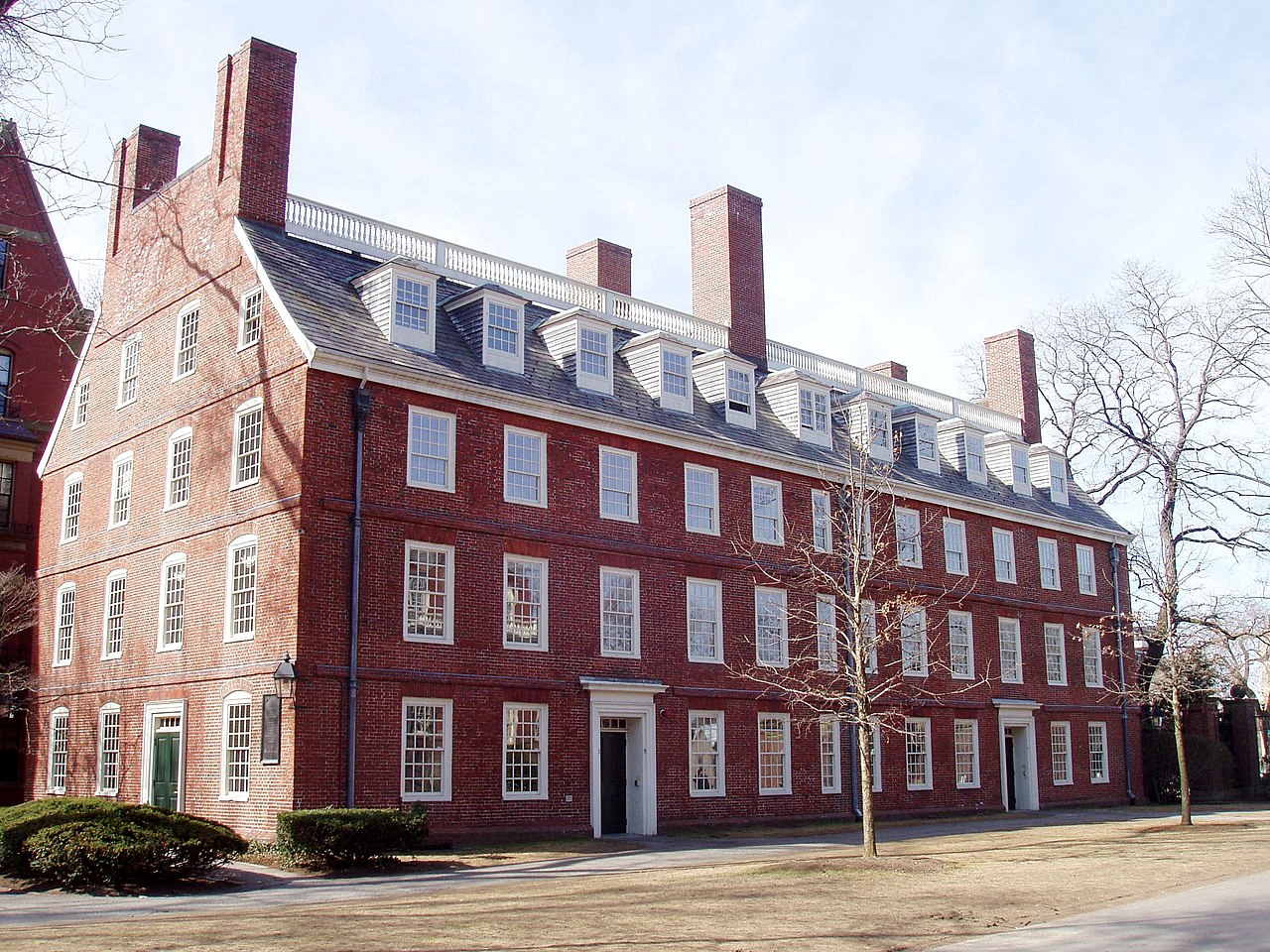
Master in Architecture I
Harvard University offers a Master in Architecture I (M.Arch I) program designed for students with diverse undergraduate backgrounds seeking professional training in architecture. This program aims to equip students with the foundational knowledge and skills necessary for a career in architectural practice. It emphasizes critical thinking, creative problem-solving, and an understanding of the built environment's social, cultural, and technological contexts. The curriculum is structured to foster a rigorous intellectual and creative development, preparing graduates for leadership roles in the field.
Master of Architecture (M.Arch I) - Architecture Studio II
The Architecture Studio II (ARCH4102-4) course is a core component of the Master of Architecture (M.Arch I) program at Columbia University. This studio focuses on developing advanced architectural design skills and critical thinking through intensive project-based work. It is designed for first-year M.Arch students and is a required part of the curriculum, building upon foundational knowledge to explore complex design challenges. Students engage in studio sessions multiple times a week, collaborating with peers and receiving guidance from faculty. The studio environment fosters a rigorous exploration of design principles, methodologies, and representation techniques. Specific projects and thematic explorations vary by semester and instructor, offering diverse perspectives on contemporary architectural practice and theory.

Master of Architecture (M.Arch.)
The Master of Architecture (M.Arch.) program at UCLA offers a comprehensive graduate education in architecture and urban design. It is designed to provide students with the advanced knowledge and skills necessary for a career in the field. The program welcomes applicants from diverse academic backgrounds, though a foundational understanding of architectural history, culture, basic mathematics, physics, and design principles is advised. Students are encouraged to familiarize themselves with key concepts in architectural history and theory prior to enrollment.

Master of Architecture (M.Arch)
The Master of Architecture (M.Arch) program at California Baptist University is an accelerated, continuous 5-year program designed to prepare students for licensure as practicing architects in the United States. It uniquely combines a Bachelor of Arts in Architecture with the M.Arch degree. Students can transfer into the program at various stages, with potential advanced placement for those who have already completed a bachelor's degree in architecture or a related field. The program emphasizes developing students' capacity to understand the built environment and create architecture as a thoughtful response, integrating artistic, technological, social, political, environmental, economic, and spiritual considerations within a Christian worldview. Key to the program's philosophy is the development of architects who exhibit professional excellence, personal integrity, and servant leadership. Students are encouraged to engage with the profession through various partnerships and opportunities, applying their skills in missional settings and participating in industry research. The curriculum aims to foster creative and critical thinking, empathy, evidence-based decision-making, and a commitment to excellence, all while integrating faith and professional practice.
Master of Landscape Architecture (MLA)
The Master of Landscape Architecture (MLA) program at the University of Illinois Urbana-Champaign offers a first professional degree accredited by LAAB. The program is designed to provide students with advanced insights and research opportunities related to land use and human interaction with the environment. Students can specialize in areas such as ecological design, community design, and cultural heritage history and design. A joint MLA/MUP option is also available. The department also offers a Master of Sustainable Urban Design (MSUD) and a PhD in Landscape Architecture.
Master of Science in Design: Advanced Architectural Design (MSD-AAD)
The Master of Science in Design with a concentration in Advanced Architectural Design (MSD-AAD) is a three-semester program designed for architects who hold a five-year professional bachelor's degree. This program does not lead to a professional architecture license but focuses on advancing design innovation. It aims to prepare students for high-level design research in both professional practice and academia, equipping them with advanced digital tools and critical theoretical engagement with contemporary architectural discourse. The program emphasizes integrating advanced digital modeling techniques into a design methodology that impacts material development, production, fabrication, and construction processes, as well as their aesthetics. The curriculum begins with a mandatory ten-day workshop in design techniques, followed by a semester of advanced architectural design and related courses. Students then join the Master of Architecture program for a year to pursue an individually directed course of study through advanced studios and electives.
Master of Science in Design: Historic Preservation (MSD-HP)
The Master of Science in Design with a concentration in Historic Preservation (MSD-HP) is a one-year, post-professional program at the University of Pennsylvania's Stuart Weitzman School of Design. It is designed for practicing professionals who seek specialized training or a career change in historic preservation. The program requires completion of 10 course units over two full-time semesters. Admission to the MSD-HP program is for individuals holding a professional degree in design or planning fields such as architecture, landscape architecture, urban planning, or engineering. Applicants must also have at least three years of relevant professional experience. The curriculum is structured to allow for personalized study plans, including advanced thesis research or additional studio work, alongside core coursework.

Master of Science in Electrical and Computer Engineering – Computer Architecture
The Master of Science in Electrical and Computer Engineering (MS ECE) with a specialization in Computer Architecture is designed for students who want to deepen their expertise in the design and analysis of computer systems. This program equips you with specialized knowledge to excel in the computer industry, focusing on microchips and complete system design. You will gain additional breadth in Computer Engineering through technical electives in areas like networking and VLSI/CAD. This degree is eligible for the OPT STEM extension for international students.

Master of Science in Information Design & Strategy
The Master of Science in Information Design and Strategy (IDS) is an online program designed for professionals who need to understand how to translate complex information and data into meaningful visual forms, narratives, and interfaces. It combines design thinking, data analysis, and communication strategies to equip graduates with the skills to craft compelling narratives from raw information. This interdisciplinary program prepares students for cross-functional or leadership roles in the evolving digital landscape by blending creative expertise with business strategy and emerging technologies. The program's strong theoretical framework and focus on fundamental concepts make it applicable to various fields, including business, arts, government, healthcare, and education.

Master of Urban Planning (MUP)
The Master of Urban Planning (MUP) program at Texas A&M University is an accredited, two-year graduate degree designed to equip students with the knowledge and skills to address complex urban challenges. You will explore planning from technical, political, economic, and legal perspectives, preparing you to identify community values and develop ethical solutions for sustainable urban futures. The program integrates traditional planning skills with emerging specializations, fostering graduates who are adept at cultivating communities as planners, innovators, and lifelong learners. Since its inception in 1965, the MUP program has trained leaders for professional opportunities in planning and related fields, as well as for further doctoral studies. The curriculum includes core courses, specialized emphasis areas, an applied planning studio, and a required summer internship, ensuring a comprehensive and practical learning experience.

MFA Costume Design
Carnegie Mellon's Master of Fine Arts (MFA) in Costume Design program is a highly-ranked program focused on developing students' aesthetic sensibilities, historical knowledge, critical analysis, and practical making skills. Through intensive, mentored instruction, students engage with various performance mediums including theater, film, television, opera, musicals, and dance. The curriculum emphasizes hands-on experience through realized productions and opportunities to assist or design professionally with Pittsburgh's local theater companies. Students also benefit from trips to New York's costume studios and fabric district, providing exposure to industry resources and connections. The program aims to equip graduates with the skills and professional network necessary for fulfilling and successful careers in costume design.
MS Design
The MS Design program is a two-year, project-based, and immersive graduate degree focused on developing the skills needed to tackle complex design challenges and build with purpose. It combines the d.school's core design curriculum with opportunities for cross-campus electives. Students will learn to prototype across various mediums, address human and planetary needs, and transform ambiguous problems into tangible solutions. The program emphasizes hands-on coursework to strengthen design foundations, develop technical skills, and cultivate a unique design perspective. Students can deepen their expertise in existing design methods or explore new ones, and can craft individualized domain expertise by working with advisors on focus areas aligned with their interests.
UCLA Graduate Programs in Arts and Architecture
UCLA offers a range of graduate programs within the School of Arts and Architecture, including Master's degrees and Doctorates. These programs delve into various disciplines such as Architecture, Urban Design, Design, Media Arts, Choreographic Inquiry, Culture and Performance, as well as specialized areas like video game design and theme park development. The school aims to provide advanced study and research opportunities in these creative and critical fields.
Urban Design Principles and Practices
This interdisciplinary course provides an introduction to urban design, covering its history, principles, processes, and effects on people, places, and communities. Through readings, discussions with practitioners, workshops, and site visits, students will develop a foundational understanding of the field's evolution and methods. The course aims to equip students with knowledge of professional resources and tools, and the skills to engage in urban design processes and projects. Students will explore the role of urban design in society, considering its intersections with architecture, landscape architecture, public policy, real estate, and urban planning. The influence of culture, history, economics, politics, advocacy, and public engagement will be examined to understand how to create inclusive, resilient, and aesthetically pleasing urban environments. Each student will undertake a semester-long research project analyzing a completed Boston development. Weekly prompts will guide students in applying course concepts, communicating their findings verbally, visually, and in writing. Through informal presentations and peer feedback, students will refine their skills, culminating in a detailed, illustrated case study.
Frequently asked questions
How many Master's in Architecture & Design programmes are available in the United States?
+
There are 44 Master's programmes in Architecture & Design across 23 universities in the United States.
How much does a Master's in Architecture & Design cost in the United States?
+
Tuition ranges from roughly €28,000 to €71,000 per year. Scholarships and graduate assistantships are available at some institutions, so check individual programmes for funding options.
Which universities in the US offer a Master's in Architecture & Design?
+
Programmes are offered at Columbia University, University of California Los Angeles, University of Illinois Chicago, Iowa State University, University of California Irvine, and Texas A&M University, among 23 universities.
Can international students apply to Master's in Architecture & Design programmes in the US?
+
Yes. International applicants typically need a portfolio of design work, a relevant undergraduate degree, a statement of purpose, English language test results, and letters of recommendation.
What are typical entry requirements for a Master's in Architecture & Design in the US?
+
Most programmes require an undergraduate degree in architecture or a related design field, a portfolio demonstrating studio work and creative thinking, English language proficiency, and strong academic transcripts. Some three-year M.Arch programmes accept applicants from non-architecture backgrounds.