Artificial Intelligence in United States
The United States lists 27 Artificial Intelligence programmes across 16 universities, with tuition ranging from roughly €1k to €52k per year. AI programmes span machine learning, computer vision, natural language processing, robotics, and AI ethics, and the US hosts several of the world's leading AI research groups. Carnegie Mellon University, Harvard University, and Columbia University are among the institutions represented in this catalogue.
The University of Michigan, Cold Spring Harbor Laboratory, and Maryville University broaden the options to include specialist research environments alongside major universities. The wide tuition range reflects the mix of highly selective, high-fee private research universities and more affordable public or smaller private institutions. Many US AI programmes carry STEM designation, allowing eligible international graduates on F-1 visas to apply for up to three years of Optional Practical Training work authorisation after graduation.

Advanced AI Certificate
The Advanced AI Certificate program at Maryville University is designed for individuals seeking to deepen their understanding and application of artificial intelligence. This certificate focuses on providing advanced knowledge and practical skills in key AI domains. It is ideal for professionals looking to upskill or transition into AI-focused roles. This program offers a flexible online learning experience, allowing students to balance their studies with existing commitments. Upon completion, graduates will be equipped with the expertise to tackle complex AI challenges and contribute to the rapidly evolving field of artificial intelligence.

AI and the Future of Cities
This course explores the profound impact of emerging technologies like artificial intelligence, automation, and digital infrastructure on the evolution of cities. You will delve into the economic and political forces driving urban technology, investigate the spatial and environmental consequences of data centers and AI systems, and examine the shifting dynamics between the public sector, private companies, and communities. The course also considers how technological disruptions are influencing public policy related to climate, energy, and infrastructure. Additionally, it addresses how AI adoption may reshape work, leisure, and daily life, and what these changes mean for real estate, public spaces, mobility, and local economic development. Learning will involve case studies, guest lectures, and group projects to analyze the potential influence of AI on the future form and function of urban environments.

Artificial Intelligence in Health Care
This online short course from MIT Sloan School of Management and the MIT J-Clinic is designed for health care leaders to understand the transformative potential of Artificial Intelligence (AI) in the health care industry. The course explores various AI technologies, their applications, limitations, and the opportunities they present. As patient data grows, AI offers efficient data processing capabilities that surpass human capacity, leading to innovations in areas like cancer treatment, patient care, and risk prediction. You will gain a comprehensive understanding of AI's role in health care through real-world case studies. The program guides you in evaluating AI techniques for your specific context, examining adoption challenges in hospital processes and resource management. Learn from MIT faculty and health care experts about AI's use in diagnosis, patient monitoring, and data management, and develop a framework for assessing AI viability in your health care setting.

B.S. Artificial Intelligence
The B.S. in Artificial Intelligence (AI) program at UC San Diego equips students with the knowledge and skills to build, apply, and critically assess AI technologies across various fields. The curriculum integrates core computer science principles with specialized AI and machine learning coursework, emphasizing ethical considerations within professional and societal contexts. Students will explore fundamental topics like programming, data structures, algorithms, and machine learning. Upper-division studies delve into advanced AI concepts, specialized electives, and practical applications drawn from departments such as Data Science, Cognitive Science, Mathematics, and Philosophy. Elective areas include computer vision, natural language processing, and robotics, allowing for depth and breadth in areas like systems, theory, and computing applications.

Bachelor of Science in Computer Science - Artificial Intelligence

Biostatistics in the Age of Artificial Intelligence
The Biostatistics in the Age of Artificial Intelligence program at the University of Michigan addresses the increasing intersection of statistical methods and advanced AI technologies within health and medicine. This program emphasizes that while AI is powerful for pattern recognition in large datasets, biostatisticians are crucial for ensuring its responsible and ethical application in healthcare. Students will learn to provide the necessary guardrails for AI, focusing on study design, causal inference, uncertainty quantification, and the ethical application of algorithms. The curriculum integrates traditional biostatistical methods with modern machine learning approaches, preparing graduates to tackle complex biomedical problems using tools like R and Python, and to work with high-dimensional data from genomics, imaging, and electronic health records. The program is situated within a university environment that is a leader in generative AI research and implementation, providing students with early access to secure AI tools and fostering a culture of responsible innovation.
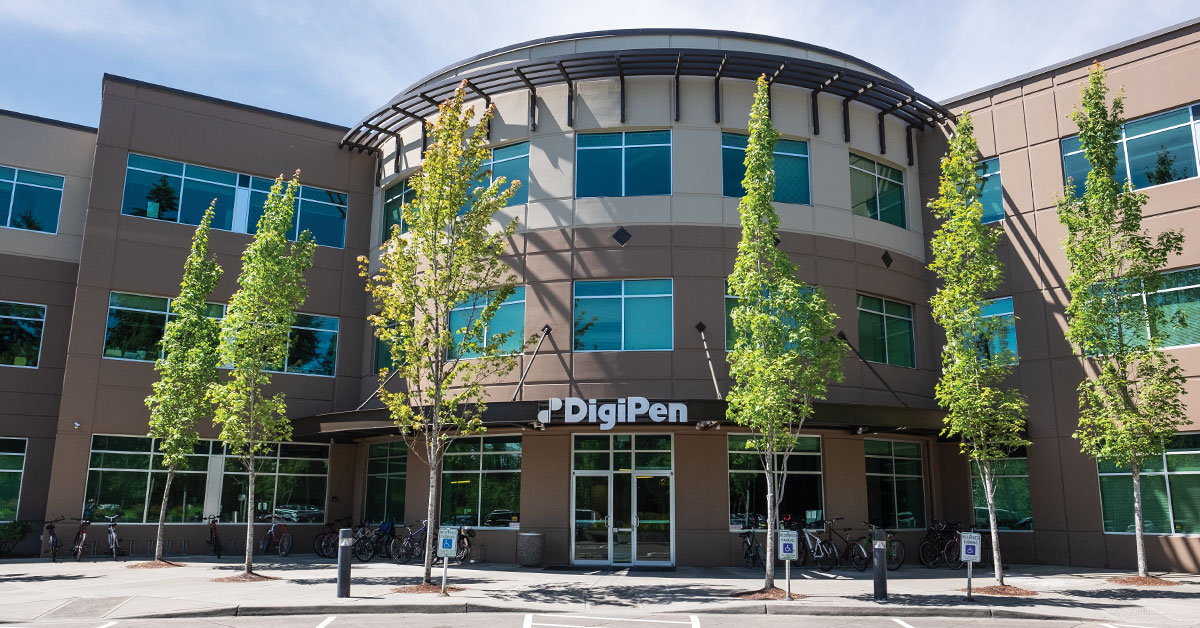
BS in Computer Science in Artificial Intelligence
The Bachelor of Science in Computer Science in Artificial Intelligence program provides a strong foundation in computer science with a specialization in the rapidly evolving field of AI. Unlike many AI programs that begin at the graduate level, this bachelor's degree starts with fundamental programming concepts in C, C++, and Python. You will then progress to advanced topics in machine learning, deep learning, and predictive modeling. The curriculum emphasizes both theoretical knowledge and practical application through yearly team projects, allowing you to build innovative tools, applications, or contribute to video game development. Graduates will possess the skills to design, implement, and manage machine learning systems, approaching complex problems with advanced mathematics and data analysis techniques while adhering to ethical methodologies.
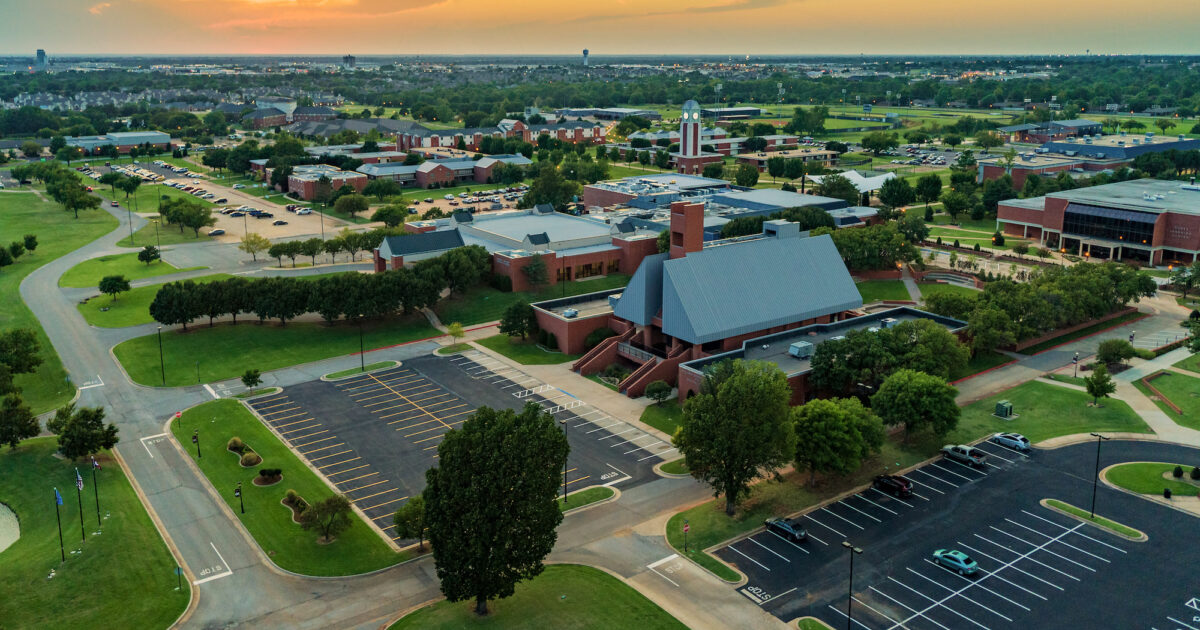
Computer Science with Artificial Intelligence (B.S.)
This Bachelor of Science in Computer Science with Artificial Intelligence program is designed to prepare students for careers in building and applying AI technologies. The curriculum emphasizes practical, hands-on experience and provides a strong foundation in computer science principles alongside specialized AI coursework. Graduates will be equipped to solve complex problems using AI and to integrate their technical skills with a Christian worldview.

Data Science, Analytics and Engineering (Bayesian Machine Learning), MS
The Master of Science in Data Science, Analytics and Engineering with a concentration in Bayesian machine learning is a collaborative program between the Ira A. Fulton Schools of Engineering and the School of Mathematical and Statistical Sciences at Arizona State University. This program is designed to equip students with the skills to transform complex data into accurate predictions using probabilistic frameworks. You will learn to apply Bayesian methods to extract meaningful insights from diverse, complex, and often uncertain datasets, an expertise highly valued across various industries. This concentration focuses on the statistical, probabilistic, and mathematical foundations of cutting-edge machine learning and data science. Students will explore hierarchical modeling, time series analysis, ensemble modeling, spatial modeling, and causal modeling, applying these tools in fields such as engineering, physics, biology, social sciences, economics, and finance. The program culminates in either a capstone project or a thesis, allowing students to conduct advanced Bayesian data analysis, modeling, and decision-making.
Ethics for Engineers: Artificial Intelligence
This course, Ethics for Engineers: Artificial Intelligence, delves into the ethical considerations surrounding the rapid advancements in artificial intelligence (AI) and its core algorithmic decision-making processes. It addresses the complex ethical challenges that arise from the development and integration of AI technologies into society. The course examines the relationship between AI and human beings, highlighting new ethical dilemmas posed by these evolving technologies.
Fundamentals of TinyML
This online course introduces the fundamentals of TinyML (Tiny Machine Learning), a rapidly growing area within Deep Learning. TinyML bridges the gap between embedded systems, like smartphones, and machine learning applications. It requires expertise in both software and hardware. You will learn essential data science techniques for collecting data and gain an understanding of algorithms to train basic machine learning models. Upon completion, you will understand the core concepts of TinyML and be prepared for more advanced topics. This course is the first in the TinyML Certificate series. While it provides an introduction, it is not a mandatory prerequisite for the subsequent 'Applications of TinyML' and 'Deploying TinyML' courses if you already possess sufficient experience in machine learning and embedded systems. The course is delivered through edX, enabling a global community of learners to participate.

Human-AI Interaction
This course introduces students to the principles and practices of designing AI systems that are beneficial and useful to people. It explores key topics such as agency, ethics, bias, transparency, trust, and mixed-initiative systems. Students will learn to harness the power of AI to positively impact the human experience. The course emphasizes practical application through projects involving various AI domains like dialog systems, computer vision, recommender systems, and UI personalization. Assignments will primarily involve programming in Python and Javascript, with a focus on individual weekly mini-projects. While prior AI/machine learning experience is helpful, it is not a prerequisite. Students are expected to complete weekly readings and may be asked to present to the class. This course is suitable for both undergraduate and graduate students.

Human-Centered Artificial Intelligence (MA)
Lindenwood University's Master of Arts in Human-Centered Artificial Intelligence (AI) is a 30-credit graduate program designed for individuals from diverse academic and professional backgrounds. This program emphasizes the practical, real-world applications of AI, including content generation, image and video creation, and coding, rather than intensive mathematics or data science. It aims to empower non-specialists to leverage AI ethically and effectively, preparing them to lead in the rapidly evolving field of human-centered AI. No prior experience in AI, machine learning, or mathematics is required to enroll, as the curriculum focuses on developing these skills as needed based on individual career aspirations.
Innovations in Investment Technology: Artificial Intelligence
This online, self-paced course explores how artificial intelligence (AI) and machine learning are revolutionizing investment and wealth management. You will examine the evolution of AI-driven platforms, including robo-advisors, and understand their operational mechanisms and success factors. The course transitions from traditional human-based and data-driven investment strategies to neural networks, assessing AI's capability in making investment decisions and its role in trading. You will learn to evaluate the strengths and limitations of AI in investing through practical frameworks, gain insights into modern fintech business models, and develop skills in constructing diversified portfolios aligned with risk preferences. This course is the final component of the Financial Technology (Fintech) Innovations Specialization.

Master of Science in Applied Artificial Intelligence
Purdue University Northwest's Master of Science in Applied Artificial Intelligence equips students with a strong foundation in artificial intelligence and practical experience. This program focuses on implementing and applying AI techniques across various industries. Graduates will be prepared for roles in organizations that support the growth of AI-driven technologies, addressing the increasing demand for AI skills in the job market.
Master of Science in Artificial Intelligence (Online)
Maryville University offers an online Master of Science in Artificial Intelligence designed for individuals looking to advance their careers in this rapidly evolving field. The program focuses on the practical applications of AI and prepares students for the growing global demand in this sector. It leverages technology to deliver a flexible learning experience suitable for working professionals. The curriculum aims to equip students with the knowledge and skills necessary to understand, develop, and deploy AI solutions.
Master of Science in Computer Vision (MSCV)
The Master of Science in Computer Vision (MSCV) is a professional degree program designed to prepare students for careers in the industry, focusing on the field of computer vision. This full-time program spans 16 months, encompassing three academic semesters and one summer session. To graduate, students must successfully complete 111 units. The curriculum is structured with required core courses, flexible core options, and elective courses, allowing for a tailored learning experience in this rapidly evolving field.
Master of Science in Engineering Artificial Intelligence (MS EAI)
The Master of Science in Engineering Artificial Intelligence (MS EAI) at Carnegie Mellon University Africa is a 16-20 month (3-4 semesters) program designed to equip engineers with advanced skills to develop powerful solutions to complex challenges. This degree bridges artificial intelligence with specific engineering disciplines, addressing critical problems in areas like transportation, energy, agriculture, and healthcare. Students will gain a strong foundation in AI, machine learning, and data science, combining theoretical knowledge with practical, hands-on application to real-world scenarios. The program focuses on embedding AI within engineering frameworks, including representations, applications within engineered systems, and discipline-specific interpretations of system outcomes. You will learn to invent, tune, and specialize AI algorithms and tools specifically for engineering systems.
Matrix Methods in Data Analysis, Signal Processing, and Machine Learning
This undergraduate course explores the fundamental concepts of linear algebra and their critical role in modern machine learning, particularly in deep learning and neural networks. It bridges theoretical linear algebra with practical applications in probability, statistics, and optimization. The course aims to provide a comprehensive understanding of how these mathematical tools are applied to analyze data, process signals, and build sophisticated machine learning models.
Online Artificial Intelligence (AI) Certificate
Maryville University offers an online Artificial Intelligence (AI) Certificate designed to equip students with foundational knowledge and practical skills in this rapidly evolving field. This program focuses on core AI concepts, enabling graduates to understand and apply AI principles in various professional contexts.
Online Human-Centered Artificial Intelligence Certificate
Explore the future of technology with Lindenwood University’s Online Undergraduate Certificate in Human-Centered Artificial Intelligence (AI). This 12-credit program provides a focused foundation in AI design and application, emphasizing people, ethics, and real-world impact. Flexible and fully online, it’s designed for working professionals seeking to build essential AI skills that can be immediately applied in the workplace. Students gain an understanding of core AI concepts while exploring how technology can enhance human decision-making, innovation, and connection. Coursework highlights ethical considerations, responsible design, and emerging technologies, all taught through a human-centered lens. Graduates are prepared to apply AI responsibly across sectors including business, healthcare, education, and public service. With practical insight and ethical awareness, you’ll be equipped to integrate AI into your profession in ways that drive improvement, efficiency, and meaningful impact.

Online Master of Science in Software Engineering for Artificial Intelligence
The online Master of Science in Software Engineering for Artificial Intelligence at Boston University is designed for experienced and aspiring engineers to develop expertise in building and scaling production-grade software systems that integrate AI and large language models (LLMs). This program offers a rigorous blend of software engineering fundamentals, practical AI integration techniques, and human-centered system design, catering specifically to working professionals. Graduates will be equipped to create trustworthy, explainable, and usable AI-enabled applications. This program addresses the growing industry need for professionals who can bridge the disciplines of software engineering, data science, and AI. Unlike programs that teach these areas in isolation, this degree focuses on how to reliably, securely, and ethically deploy AI models in real-world systems. You will learn to manage AI-generated code, design scalable data pipelines and MLOps workflows, and build systems that are both intelligent and user-friendly, preparing you for advanced roles in AI software engineering. Offered by the Boston University College of Engineering, this fully online master's program delivers the same academic rigor as its on-campus counterparts, taught exclusively by BU Engineering faculty. The curriculum emphasizes hands-on application with industry-relevant tools and real-world datasets, culminating in a year-long capstone project. A foundational bootcamp ensures all students, regardless of their prior background, are prepared for the advanced coursework, making it an accessible yet challenging path to leading the future of AI-powered software.

PhD in AI + Materials

PhD in Biological and Artificial Intelligence (BioAI)
The PhD in Biological and Artificial Intelligence (BioAI) program at Cold Spring Harbor Laboratory (CSHL) is a specialized, fast-track doctoral program designed for students at the intersection of AI and biology. This program focuses on quantitative and computational research, requiring students to have a master's degree or equivalent in a field such as computer science, physics, mathematics, or engineering. Unlike traditional PhD programs, BioAI students are directly admitted into a specific research lab, bypassing the typical rotation period. The program emphasizes "dry lab" research, meaning all work is computational or data-driven, not involving wet lab experiments. Students will contribute to shaping the future of research and industry by becoming innovators in areas where AI meets neuroscience, genomics, and other biological sciences.
Post-Baccalaureate Certificate in Fundamentals of Artificial Intelligence
Post-Baccalaureate Certificate in Machine Learning
Statistics/Machine Learning Joint Ph.D. Degree
This unique joint Ph.D. program combines the rigorous foundations of statistics with the advanced techniques of machine learning. Designed for students who aim to lead innovation at the intersection of these fields, the program fosters interdisciplinary research and coursework. You will gain a dual perspective from leading experts across two dynamic departments, utilizing state-of-the-art resources. This program prepares graduates for impactful careers in academia, industry, and research, equipping them to solve complex data-driven challenges.
Frequently asked questions
How much does it cost to study Artificial Intelligence in United States?
+
Tuition ranges from roughly €0k to €52k per year depending on the programme and university.
Which universities offer Artificial Intelligence in United States?
+
This catalogue includes 16 universities: Cold Spring Harbor Laboratory, Carnegie Mellon University, Harvard University, Columbia University and 2 more. Browse individual listings to compare programmes and entry requirements.
Can international students apply to Artificial Intelligence programmes in United States?
+
Yes — all 16 universities listed accept international applications. Requirements and deadlines differ by institution; contact each university directly for the most current information.
What are typical entry requirements for Artificial Intelligence in United States?
+
Entry requirements vary by programme and level. Undergraduate applicants generally need secondary school qualifications equivalent to local standards and proof of English proficiency (for English-taught programmes). Postgraduate applicants typically need a relevant bachelor's degree, strong academic results, and may need standardised test scores or work experience.
How do I apply to Artificial Intelligence programmes in United States?
+
Applications are submitted directly to each university. Browse the listings on this page, shortlist programmes that match your background, and follow the application instructions on each university's official website. Some institutions use centralised national application systems, so check whether your chosen university requires that route.