Bachelor's in Artificial Intelligence in United States
There are 6 bachelor's Artificial Intelligence programmes for international students across 5 universities in United States. Browse the full list below, compare entry requirements, and explore scholarships to fund your studies.

B.S. Artificial Intelligence
The B.S. in Artificial Intelligence (AI) program at UC San Diego equips students with the knowledge and skills to build, apply, and critically assess AI technologies across various fields. The curriculum integrates core computer science principles with specialized AI and machine learning coursework, emphasizing ethical considerations within professional and societal contexts. Students will explore fundamental topics like programming, data structures, algorithms, and machine learning. Upper-division studies delve into advanced AI concepts, specialized electives, and practical applications drawn from departments such as Data Science, Cognitive Science, Mathematics, and Philosophy. Elective areas include computer vision, natural language processing, and robotics, allowing for depth and breadth in areas like systems, theory, and computing applications.

Bachelor of Science in Computer Science - Artificial Intelligence
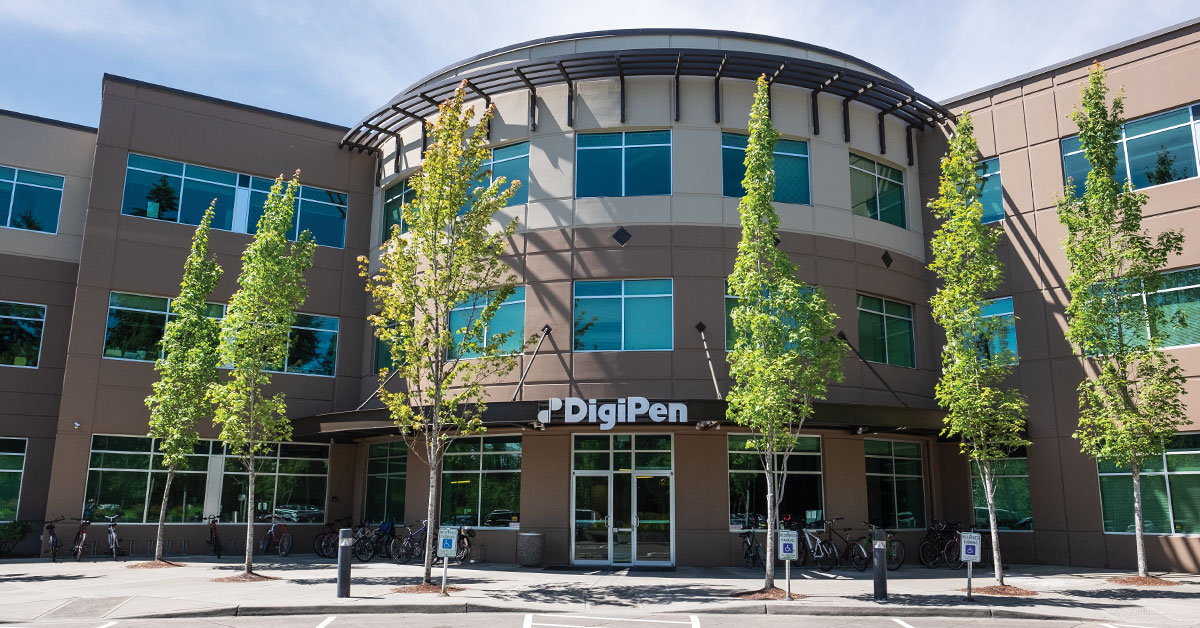
BS in Computer Science in Artificial Intelligence
The Bachelor of Science in Computer Science in Artificial Intelligence program provides a strong foundation in computer science with a specialization in the rapidly evolving field of AI. Unlike many AI programs that begin at the graduate level, this bachelor's degree starts with fundamental programming concepts in C, C++, and Python. You will then progress to advanced topics in machine learning, deep learning, and predictive modeling. The curriculum emphasizes both theoretical knowledge and practical application through yearly team projects, allowing you to build innovative tools, applications, or contribute to video game development. Graduates will possess the skills to design, implement, and manage machine learning systems, approaching complex problems with advanced mathematics and data analysis techniques while adhering to ethical methodologies.
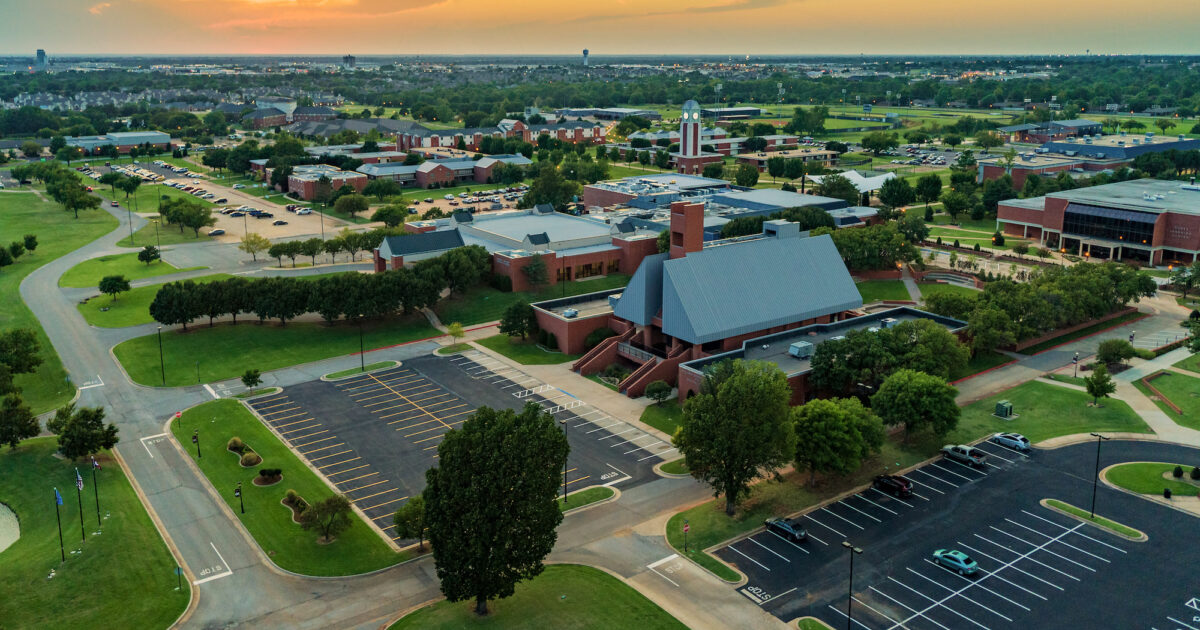
Computer Science with Artificial Intelligence (B.S.)
This Bachelor of Science in Computer Science with Artificial Intelligence program is designed to prepare students for careers in building and applying AI technologies. The curriculum emphasizes practical, hands-on experience and provides a strong foundation in computer science principles alongside specialized AI coursework. Graduates will be equipped to solve complex problems using AI and to integrate their technical skills with a Christian worldview.

Ethics for Engineers: Artificial Intelligence
This course, Ethics for Engineers: Artificial Intelligence, delves into the ethical considerations surrounding the rapid advancements in artificial intelligence (AI) and its core algorithmic decision-making processes. It addresses the complex ethical challenges that arise from the development and integration of AI technologies into society. The course examines the relationship between AI and human beings, highlighting new ethical dilemmas posed by these evolving technologies.
Matrix Methods in Data Analysis, Signal Processing, and Machine Learning
This undergraduate course explores the fundamental concepts of linear algebra and their critical role in modern machine learning, particularly in deep learning and neural networks. It bridges theoretical linear algebra with practical applications in probability, statistics, and optimization. The course aims to provide a comprehensive understanding of how these mathematical tools are applied to analyze data, process signals, and build sophisticated machine learning models.
Frequently asked questions
How many Artificial Intelligence programmes are there in United States?
+
6 across 5 universities, listed on this page.
Can international students apply?
+
Yes — these programmes admit international students; check each programme's entry requirements and language of instruction.