Biology in United States
Biology programmes in the United States number 176 across 61 universities, covering undergraduate, master's, and doctoral tracks in fields from cell biology and genetics to ecology and marine science. Cornell University, the University of California Los Angeles, and the University of California Davis are three of the world's leading research universities in the biological sciences, while Indiana University Bloomington and the University of Washington are nationally prominent public options.
Tuition ranges from free at some institutions to roughly €56k per year. The Philadelphia College of Osteopathic Medicine represents a professional school pathway for students focused on health sciences. US biology PhD programmes are typically fully funded through research assistantships, which means admitted doctoral students often pay no tuition and receive a stipend.
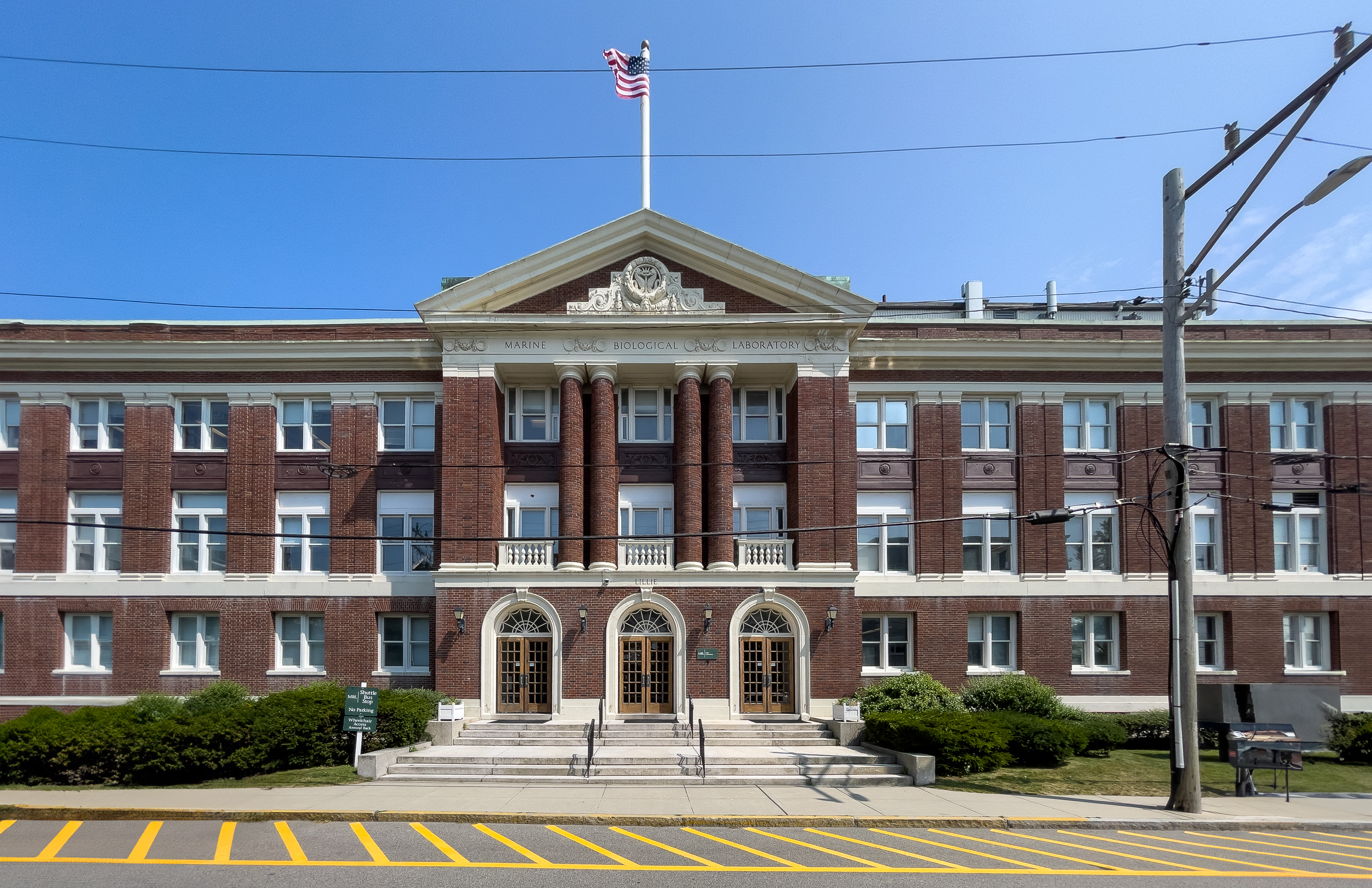
Advanced Research Training Courses
The Marine Biological Laboratory (MBL) offers advanced research training courses designed to develop a dynamic scientific and academic workforce. These courses attract approximately 500 trainees annually from around 300 institutions and 60 countries. Participants engage directly with distinguished faculty from across the globe, enabling them to conduct novel experiments, test new hypotheses, and foster collaborative networks. MBL emphasizes that financial constraints should not hinder scientific pursuits, with most courses offering substantial financial aid, including need-based scholarships. Applicants are encouraged to apply regardless of their financial situation, as opportunities to apply for aid to cover tuition, room, and board will be available upon acceptance.
Advanced Research Training Courses (ARTC)
The Marine Biological Laboratory (MBL) offers Advanced Research Training Courses (ARTC) designed to transform students into accomplished scientists. These transformative courses provide access to state-of-the-art equipment and focus on fundamental scientific principles. Participants work directly with world-class faculty on novel experiments, fostering a global network of collaboration and pushing the boundaries of current knowledge. The ARTC program attracts over 500 graduate students and postdoctoral researchers annually from more than 300 institutions worldwide, covering a wide range of biological sciences including development, cell physiology, microbiology, neuroscience, and microscopy.

Animal Biology, Bachelor of Science
The Animal Biology major at UC Davis bridges general biological sciences with applied animal husbandry. You will study the biological principles relevant to animals, learning how they function in various roles within human economies, societies, and natural systems. This program offers opportunities to apply theoretical knowledge through hands-on work with both wild and domesticated animals.

Automated Science: Biological Experimentation (MSAS)
The Master of Science in Automated Science: Biological Experimentation (MSAS) at Carnegie Mellon University is a specialized program designed for students interested in the intersection of artificial intelligence and laboratory automation. This program prepares you to become a leader in the rapidly evolving field of automated scientific discovery, particularly within biological experimentation. The curriculum uniquely blends cutting-edge AI techniques with practical laboratory automation, equipping you with the skills to design, conduct, and analyze experiments using automated systems. You will delve into concepts like spectroscopic series, crystal field splitting, electron configurations in complexes, and orbital energy diagrams, all within the context of automated biological and chemical processes. Upon graduation, you will be prepared for roles in industry or for advanced doctoral studies, contributing to the development of new scientific methodologies through automation.

Bachelor of Science in Biological Sciences
The Bachelor of Science in Biological Sciences program offers a thorough exploration of biology, covering molecular, cellular, organismal, and ecological levels. Through demanding coursework and practical laboratory sessions, students will hone their abilities in critical thinking, scientific investigation, and problem-solving. This program is designed for students who have completed an Associate of Arts degree and the necessary prerequisite courses, allowing for completion within five semesters (two academic years).

Bachelor of Science in Biology

Bachelor of Science in Liberal Arts and Sciences in Molecular & Cellular Biology
The Bachelor of Science in Liberal Arts and Sciences (BSLAS) in Molecular & Cellular Biology program offers a comprehensive foundation in key biological sciences. You will gain in-depth knowledge of molecular biology, genetics, microbiology, cellular biology, biochemistry, physiology, and structural biology, complemented by a strong background in chemistry, mathematics, and physical sciences. The curriculum allows for specialization within various areas, including biochemistry, cells and tissues, developmental biology, infection and immunity, microbiology, genetics, neurobiology, and physiology. An advising program is available to help students tailor their advanced coursework to their specific interests and career goals.

Bachelor of Science in Zoology
The Bachelor of Science in Zoology program at Washington State University provides a strong foundation in biological sciences with a focus on the study of animals. The program offers several options to tailor your studies, including a general option, an accelerated pre-veterinary option, and specific pre-professional tracks for veterinary, animal care, medicine, and dentistry. Students will engage with core concepts in organismal biology, genetics, ecology, and evolutionary biology, preparing them for advanced study or careers in various life science fields. The curriculum emphasizes research skills, data analysis, and scientific communication.

Biochemistry
The Biochemistry program at Texas A&M University provides a comprehensive understanding of life at the molecular level, exploring the chemical and physicochemical processes within living organisms. Students will gain a strong foundation in chemistry, physical sciences, and biological sciences, preparing them to pursue scientific breakthroughs in various life science fields. This versatile degree opens doors to diverse career paths and further academic pursuits. Graduates are well-prepared for advanced studies, including graduate school in various scientific disciplines or professional schools such as medicine, veterinary medicine, or dentistry. The strong background in basic sciences is a significant advantage in biomedical professional programs. For those entering the workforce directly, a wide array of opportunities exists in clinical, governmental, and university laboratories, as well as in the chemical, pharmaceutical, agricultural, food, and scientific equipment industries. This program emphasizes the development of critical thinking and research skills, enabling students to contribute to improving health, fighting disease, and advancing scientific knowledge. Students will learn how to analyze complex biological systems and apply chemical principles to understand life processes, from the smallest molecules to the most complex organisms.

Biochemistry and Molecular Biology PhD
Purdue University offers a Doctor of Philosophy (PhD) program in Biochemistry and Molecular Biology. This program focuses on the fundamental principles governing biological systems at the molecular level. Students will engage in advanced coursework and research to contribute to the understanding of complex biological processes. The program aims to train future leaders in research and academia. It provides a strong foundation in biochemistry and molecular biology, preparing graduates for careers in diverse fields such as scientific research, biotechnology, medicine, and education.

Biochemistry and Molecular Biology PhD
The Graduate Program in Biochemistry and Molecular Biology, offered by Wake Forest University Graduate School of Arts & Sciences in conjunction with the Wake Forest School of Medicine Department of Biochemistry, is designed for highly motivated students seeking careers in biomedical sciences. The program focuses on fundamental biological questions through research and training in four key technological areas: Structural Biology, Molecular Biology, Genetics/Genomics, and Proteomics/Metabolomics. Faculty research interests are concentrated in signal transduction in cancer and inflammation, nucleic acid metabolism in cancer, inflammation, and degenerative disease, redox biology, and metabolic diseases. The program emphasizes collaborative research facilitated by participation in various research centers and the availability of state-of-the-art facilities and core resources.

Bioinformatics and Computational Biology (BCB)
The Bioinformatics and Computational Biology (BCB) program at the University of North Carolina at Chapel Hill offers graduate-level study focusing on the intersection of biology, computer science, and statistics. This interdisciplinary field utilizes computational approaches to analyze and interpret complex biological data, including genomics, proteomics, and molecular dynamics. The program aims to equip students with the skills necessary to tackle diverse challenges in biological and biomedical research through advanced algorithms, modeling, and data analysis techniques.

Bioinformatics, M.S. (Online)
NYU Tandon's online Master of Science in Bioinformatics program equips you with advanced skills in molecular biology and big data analysis. You will learn to interpret complex biological data, develop solutions for challenges in medicine and life sciences, and utilize genomic information and next-generation sequencing tools. The program focuses on creating and advancing algorithms, applying computational and statistical techniques, and solving practical problems in managing biological data, preparing you to contribute to areas like cancer care, vaccine design, and agriculture.

Biological Sciences
At Dartmouth's Department of Biological Sciences, you will engage with diverse disciplines, learn from prestigious faculty with extensive experience in biological processes, and utilize next-generation resources and equipment. This is a collaborative environment where undergraduates, graduate students, and faculty work together on laboratory research, fieldwork, and publications that have real-world applications. The department is dedicated to providing students with a comprehensive understanding of biology. You will gain broad exposure to biological processes and systems, alongside a deep understanding of biology at environmental, organismal, cellular, and molecular levels.
Biological Sciences

Biology
Stony Brook University offers Bachelor of Science (B.S.) and Bachelor of Arts (B.A.) degrees in Biology, as well as a Biology Minor. The department focuses on providing students with a comprehensive understanding of biological sciences, preparing them for diverse career paths or further study. Advising services are available to help students navigate course planning, registration, and graduation requirements.

Biology

Biology
The Biology program at Stevenson University offers both Bachelor of Science (BS) and Bachelor of Arts (BA) degrees, allowing students to delve into various biological fields from the molecular level to ecosystem interactions. The program emphasizes hands-on learning through extensive lab work and research opportunities. Students can tailor their studies with electives in areas like Pre-Health, Molecular Biology, Animal Science, or Ecology. Stevenson's School of Sciences is designed for collaborative, interdisciplinary work, with small class sizes and focused faculty-student interaction in well-equipped labs.
Biology
Biology
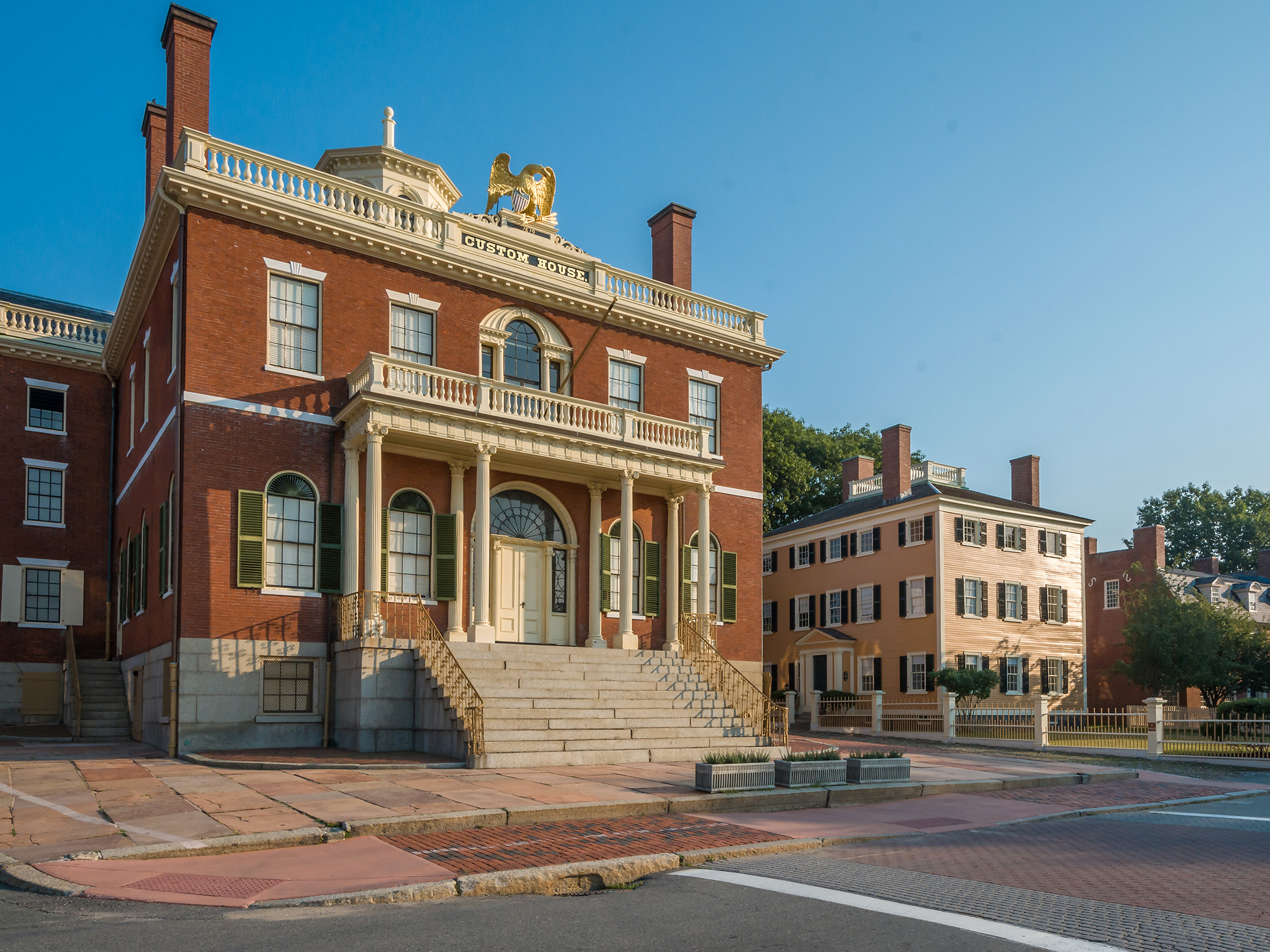
Biology - Pre-Health

Biology (Complex Adaptive Systems Science), PhD
The Doctor of Philosophy (PhD) in Biology with a concentration in Complex Adaptive Systems Science at Arizona State University is designed to train future scientists in advanced concepts and methods relevant to diverse phenomena in the social and life sciences. This program is deeply integrated with ongoing, university-wide research in complex adaptive systems science, emphasizing its value in understanding and addressing critical societal issues. Students will develop fluency in the common language of complexity while also building a strong foundation in their chosen academic disciplines. This program is eligible for the STEM-OPT extension, allowing international students on F-1 visas to gain up to 24 months of additional work authorization in the U.S. after graduation. This opportunity can help students acquire valuable skills and experience. The STEM-OPT extension applies only to F-1 visa holders enrolled in on-campus programs, not ASU Online degrees.

Biology & Environmental Science
At West Virginia Wesleyan College, the Biology and Environmental Science programs focus on hands-on learning through laboratory classes and research projects. Students engage in scientific inquiry through observation and experimentation, both in the field and in the lab. The program prepares graduates for a high rate of acceptance into medical, dental, veterinary, and graduate science programs, as well as careers in education, research, environmental studies, and sales. Students can pursue a Bachelor of Science (B.S.) in Biology or a Bachelor of Arts (B.A.) in Environmental Studies. The Biology major offers specialized concentrations in Molecular Biology/Biotechnology or Environmental Science and Ecology. An opportunity for a Special Honors designation in biology is available for academically talented students interested in research. A mandatory experiential learning requirement ensures all biology majors gain practical experience through internships or research projects.

Biology Graduate Studies
The Biology Graduate Studies program at Caltech is designed to provide students with in-depth research experience and a strong foundation in biological sciences. The program welcomes students from diverse undergraduate backgrounds, including physics, chemistry, mathematics, and biology. The primary aim is to equip students with the skills for lifelong learning and productive careers in evolving scientific fields. Students will engage in original research, advanced coursework, and independent study tailored to their specific interests. The curriculum is designed to be comprehensive, integrating core biological concepts with essential basic sciences, and is adjusted to meet individual student needs. Caltech does not typically admit students who completed their undergraduate studies in biology at the Institute, as they encourage a broader perspective gained from study in a different academic environment.

Biology Joint Degree and Dual-Degree Programs

Biology Major
The Biology Major at the University of Mary Washington leads to a Bachelor of Science degree, preparing students for diverse careers in life sciences research, teaching, and biotechnology. Many graduates continue their education in specialized fields such as cellular and molecular biology, bioinformatics, physiology, immunology, entomology, microbiology, ecology, and environmental engineering. The program emphasizes the scientific method through inquiry-based learning, offering a solid foundation in cell and molecular biology, organismal biology, and ecology. Elective courses allow students to explore specific interests, while laboratory and field experiences enhance practical skills in scientific methodology, experimental techniques, and quantitative analysis.
Biology Major
The Biology program at Columbia College prepares you for a variety of STEM-related careers in fields like healthcare, medicine, environmental science, and the life sciences. As one of the largest programs on campus, you will be challenged through rigorous coursework and laboratory experiences. You'll learn from full-time faculty who hold terminal degrees and are actively involved in research. This major offers specialized training for students interested in medical, dental, pharmacy, or veterinary school. You will work closely with advisors to build a strong profile for graduate or professional programs. The program also provides unique opportunities like the pilot Course-based Undergraduate Research Experiences (CUREs) program, where you can design your own experiments, and engage in research with potential for grant funding, state recognition, and independent study.
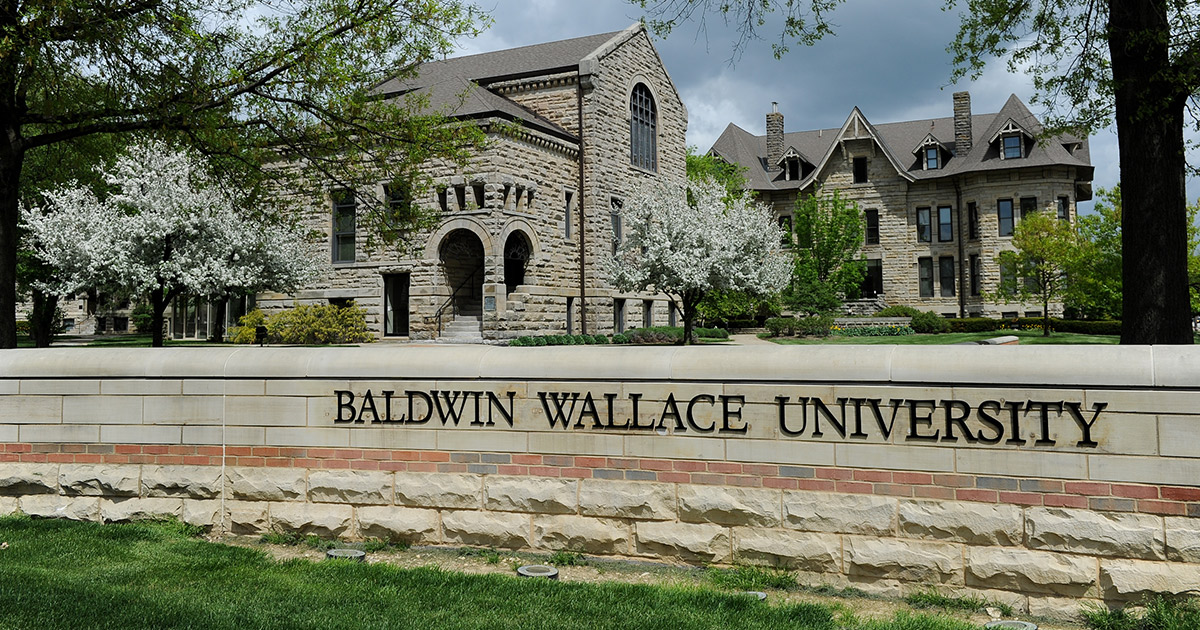
Biology Major
The Biology major at Baldwin Wallace University is a versatile program designed to immerse students in the study of living systems and organisms, including human, plant, animal, and aquatic life. It provides excellent preparation for a variety of careers and further academic pursuits, such as medical and pre-professional programs, teacher education, and graduate school. Students benefit from small class sizes, individualized attention, and strong faculty mentorship. From freshman year, you'll gain hands-on research experience in dedicated laboratories, including specialty labs for anatomy, botany, ecology, genetics, microbiology, and more. The program emphasizes learning by doing, offering opportunities for independent research, field experiences, and internships that connect theoretical knowledge with practical application. Students frequently collaborate with faculty on grant-funded research projects, often leading to presentations at national conferences and publications. Our modern facilities are equipped with specialized instruments, an insect room, greenhouse, zebrafish aquaria, and various advanced microscopy and genetic analysis tools.
Biology Major - Pre-Medicine & Molecular Biology Concentration
The Biology Major with a Pre-Medicine and Molecular Biology concentration at West Virginia Wesleyan College provides a comprehensive foundation for students aspiring to careers in medicine, research, or other health-related fields. This program delves into the core principles of biology, with a specific focus on molecular mechanisms, genetics, and organismal functions, preparing students for advanced study or direct entry into the healthcare sector. Students will engage with a rigorous curriculum that includes introductory and advanced biology courses, along with essential chemistry, physics, and biostatistics. The program emphasizes critical thinking, research methodologies, and practical application through laboratory work and potential internships or research projects. Graduates will be well-equipped with the scientific knowledge and analytical skills necessary to pursue medical school or other graduate programs. This concentration is designed for students who are passionate about understanding life at a molecular level and are driven towards medical professions. It balances theoretical knowledge with practical experience, ensuring a well-rounded education that meets the demands of modern biological sciences and medical training.
Biology Minor
The Biology Minor at the University of Mary Washington provides students with a foundational understanding of biological sciences. It complements a variety of majors by offering core knowledge in ecological, evolutionary, cellular, and genetic principles. This minor requires the completion of 22 credit hours in designated BIOL courses, including specific requirements in ecology, evolution, cell biology, and genetics, as well as additional upper-level biology courses, some of which must include a laboratory component.

Biology Programs at California State University Channel Islands
California State University Channel Islands (CSUCI) offers a comprehensive Biology program designed to ignite your fascination with life at all levels, from molecular to organismal, and your curiosity about the environment. Our interdisciplinary approach combines a strong theoretical foundation with extensive hands-on experiences, ensuring a creative, innovative, and personalized education focused on your individual goals. With small class sizes, you'll receive dedicated attention from professors, and our state-of-the-art laboratories provide access to cutting-edge technology. You can tailor your studies through elective courses that align with your interests, preparing you for diverse career paths or further academic pursuits.
Biology, B.A.
The Bachelor of Arts in Biology program at New Jersey City University provides a robust foundation in general biological principles. This program is designed to prepare students for diverse pathways, including direct entry into the workforce, advanced studies in graduate school, or admission to professional programs. Graduates are equipped for careers in academic and industrial research, teaching (with alternative certification), and various roles within the pharmaceutical, biomedical, and biotechnology industries.
Biology, B.S.
Biology, B.S.
The Bachelor of Science (B.S.) in Biology at New Jersey City University provides a comprehensive foundation in modern life sciences. Students can tailor their studies through elective courses to focus on specific areas such as molecular and cellular biology, biomedical sciences, organismal biology, or environmental studies. This program ensures a strong grounding in supporting sciences like Chemistry, Physics, and Mathematics. The B.S. in Biology prepares graduates for advanced studies in graduate, medical, or dental schools, and for careers in research, teaching, and various industries including pharmaceuticals, biotechnology, and publishing.
Biology, Bachelor of Science
The Bachelor of Science in Biology program at Young Harris College offers a comprehensive understanding of biological sciences, preparing students for diverse careers in fields such as healthcare, environmental studies, and research. The program integrates a strong liberal arts foundation with a focus on critical thinking, hands-on techniques, and ethical research practices to equip students to tackle complex biological challenges. Students will have the opportunity to engage in exciting research projects alongside faculty mentors, culminating in capstone presentations and potential participation in scientific conferences.

BioSciences Graduate Program
The BioSciences graduate program at Rice University offers research-based PhDs designed to provide rigorous training tailored to each student's scientific background and interests. The program emphasizes building a strong academic foundation alongside critical thinking and independence, preparing students for research careers. Students can gain experience in undergraduate teaching and mentoring in addition to their research training. Rice University employs a holistic, team-based approach to application review, seeking talented students from diverse backgrounds who will contribute unique perspectives to the campus community.
Biotechnology and Entrepreneurship, M.S.
The Master of Science in Biotechnology and Entrepreneurship program equips students with the knowledge and skills to develop innovative products in the rapidly advancing field of biotechnology and to launch high-tech businesses. This program is designed for individuals who want to capitalize on new discoveries in the life sciences and translate them into commercial ventures. Students will gain a broad understanding of modern biotechnology, combined with essential business and finance principles.
Botany and Plant Pathology
Purdue University offers graduate programs leading to a Doctor of Philosophy (PhD) and a Master of Science (MS) in Botany and Plant Pathology. These programs are designed for students interested in advancing their knowledge and research skills in the areas of plant biology and pathology. Students admitted to the PhD program typically have prior research experience and a strong academic background. Applicants are encouraged to contact faculty members to discuss their research interests before applying.

Botany, MS
The Botany MS program at the University of Wisconsin–Madison offers advanced study in the broad field of plant biology. Students engage with faculty research and contribute to the understanding of plant life, ecosystems, and their importance. The program is designed for students seeking to deepen their knowledge and research skills in plant sciences.
BS Biology
Cancer Biology, PhD
The PhD program in Cancer Biology at the University of Wisconsin–Madison, established in 1940, is a pioneering program dedicated to fundamental cancer research. It operates under the Interdisciplinary Biological and Health Sciences Consortium, fostering a collaborative environment. The program brings together over 50 faculty from diverse departments, including Oncology, Medicine, and Molecular Biology, offering students extensive training opportunities across various aspects of cancer biology. Students delve into topics like genetics, carcinogenesis, cell and molecular biology, virology, and toxicology. The curriculum is flexible, allowing for specialization through core and elective courses, seminars, and research. A key feature is the research advisory committee, formed after students complete three lab rotations in their first semester, guiding them through their doctoral journey. The program prepares graduates for research and teaching careers in academia, government, and industry. While master's degrees are available under special circumstances, the program primarily focuses on admitting students directly into the PhD track. Financial support, including stipends and tuition remission, is provided to students in good standing.
Chemistry - Undergraduate
Dartmouth College offers an undergraduate program in Chemistry designed to provide students with a strong foundation in the principles and practices of the field. The curriculum covers fundamental areas such as general chemistry, organic chemistry, physical chemistry, and inorganic chemistry, along with opportunities for specialization. Students engage in laboratory work to develop practical skills and understanding of experimental techniques. The program aims to prepare students for a variety of career paths, including graduate studies in chemistry or related fields, as well as careers in industry, research, and education.
Chemistry and Biochemistry
The Chemistry & Biochemistry department at West Virginia Wesleyan College offers a rigorous and adaptable curriculum designed to prepare students for immediate employment or further study in graduate or professional schools. The program is aligned with the standards set by the American Chemical Society and the American Society for Biochemistry & Molecular Biology, emphasizing hands-on laboratory experience and the development of essential professional skills. Graduates are well-equipped for diverse careers in science.
Chemistry Major
Dartmouth College's Chemistry Department offers multiple pathways for students interested in pursuing a chemistry major. You can choose from four distinct major programs: Plan A (for a comprehensive chemistry education, ideal for graduate studies), Plan B (for a broader scientific foundation with a focus on chemistry-related careers), Biophysical Chemistry (integrating physical chemistry with biological systems), and Biological Chemistry (focusing on the chemistry of biological processes). The department also allows for a Modified Major, which can be tailored to individual career goals in consultation with faculty advisors. All programs emphasize hands-on laboratory experience using modern equipment.

Computational & Systems Biology PhD
The Computational & Systems Biology (CSB) PhD program at MIT offers a rigorous interdisciplinary approach to understanding complex biological systems. It integrates computational, mathematical, and engineering principles with biological research. The program aims to train students to tackle fundamental questions in biology and to develop innovative solutions for health and medicine through advanced computational and systems-level thinking. Graduates are prepared for careers in academia, research institutions, and the biotechnology and pharmaceutical industries.
Computational & Systems Biology PhD Program
The Computational & Systems Biology (CSB) PhD Program at MIT offers a doctoral degree focused on interdisciplinary research at the intersection of computation, biology, and systems engineering. This program aims to train students to tackle complex biological problems using advanced computational and quantitative approaches. Students will engage in cutting-edge research, contributing to a deeper understanding of biological systems and their applications. The program emphasizes a holistic review of applicants, considering their academic records, research potential, and ability to contribute to the MIT community.
Computational and Systems Biology PhD Program
The Computational and Systems Biology (CSB) PhD Program at MIT offers a rigorous interdisciplinary graduate experience focused on understanding biological systems through computational and mathematical approaches. The program integrates biology, computer science, mathematics, and engineering to train students to tackle complex biological problems. Students will develop advanced quantitative skills and gain in-depth knowledge of biological principles, preparing them for research and leadership roles in academia and industry. The program emphasizes a holistic review of applicants, considering their academic record, research experience, and potential to contribute to the MIT community.

Department of Biology - University of Central Oklahoma
The Department of Biology at the University of Central Oklahoma (UCO) offers a comprehensive education in the biological sciences, preparing students for diverse career paths and further academic pursuits. With a mission to provide a strong foundation in both theoretical and laboratory aspects of biology, the department guides students toward careers in education, research, medicine, allied health, and other scientific fields relevant to a global environment. UCO's biology program emphasizes intellectual development and career advancement, fostering a dynamic learning environment for all students.

Doctor of Philosophy (Ph.D.) in Molecular Biology
Princeton University's Department of Molecular Biology offers a Doctor of Philosophy (Ph.D.) program for students seeking advanced study and research in the field. The program welcomes applications from individuals with diverse academic backgrounds. Admission is highly competitive, and successful candidates will be invited for an interview. The university does not offer a Master's degree in this discipline.
Doctor of Philosophy in Molecular Plant Science (MPS)
The Molecular Plant Science (MPS) PhD program is dedicated to advancing plant science research to address critical global challenges. Our research focuses on fundamental and applied science to improve food production, develop sustainable bio-based materials, protect crops from pests and diseases, and find solutions for a changing climate. This interdisciplinary program brings together faculty from multiple departments to explore topics ranging from molecular genetics and biochemistry to bioinformatics and plant pathology.

Doctor of Philosophy in Plant Pathology
The Doctor of Philosophy (Ph.D.) program in Plant Pathology at Penn State provides advanced education and research experience for students aiming for careers in academia, industry, or government. The program focuses on the study of plant diseases and the pathogens that cause them, equipping graduates with in-depth knowledge and practical research skills. This doctoral degree typically requires a minimum of three years of dedicated study and research beyond a master's degree. Progression towards the Ph.D. involves a rigorous academic record, strong performance in graduate coursework, and successfully passing a candidacy examination. Students are also expected to gain teaching experience by assisting in the instruction of a departmental course.
Endodontics Certificate and MS in Oral Biology
The Department of Endodontics at Texas A&M College of Dentistry offers a specialized 27-month certificate program in Endodontics, combined with a Master of Science (MS) in Oral Biology. This program is designed for graduate students who wish to become proficient diagnosticians and clinicians in endodontics, focusing on the diagnosis, treatment, and prevention of diseases affecting the dental pulp and surrounding tissues. Students in this program will engage in a full scope of clinical and didactic courses, treating complex cases referred from within the college and regional dentists. The curriculum emphasizes an evidence-based approach, critical thinking, research literacy, and ethical professionalism, preparing graduates to lead in the field of endodontics.
Entomology, PhD
The PhD program in Entomology at the University of Wisconsin–Madison offers a diverse range of research opportunities spanning suborganismal, organismal, and applied aspects of the field. Faculty employ cutting-edge technology to investigate insect physiology, population genetics, ecology, taxonomy, and their impact on human health, agriculture, and ecosystems. Students can explore research areas from molecular and cellular interactions to ecosystem-level studies, with opportunities for interdisciplinary collaboration across various university departments and external institutions. Graduate education emphasizes collaborative research, with faculty participating in joint instructional programs and potentially serving as primary advisors for students in related fields like zoology or toxicology. The program provides avenues for conducting research in diverse global regions, gaining teaching and mentoring experience, and participating in outreach activities. The department is committed to interdisciplinary study, encouraging students to explore the interconnectedness of biological organization scales and systems, from basic molecular research to applied problem-solving. Admission to the PhD program is a two-step process involving both the specific academic program and the UW–Madison Graduate School. Applicants must meet the minimum requirements set by the Graduate School and the Department of Entomology, which often has more rigorous standards. Prospective students are strongly encouraged to contact faculty members whose research aligns with their interests before applying, as admission is dependent on finding a suitable research fit and a faculty advisor who can support the student financially throughout their program.
Forensic Science - Molecular Biology, B.S.
The Bachelor of Science in Forensic Science - Molecular Biology program at the University of Central Oklahoma is designed for students with an inquisitive nature, analytical mindset, and an interest in applying biological principles to solve crimes. This program equips students with the foundational knowledge and practical skills needed to analyze biological evidence found at crime scenes, utilizing molecular techniques to identify individuals and understand the context of criminal investigations.

Genetics
Genetics and Cell Biology, Bachelor of Science
This Bachelor of Science program focuses on the science of heredity and the structure and function of living cells. It prepares students for a variety of careers in the life sciences, including technical roles in the pharmaceutical, food, and biotechnology industries, as well as positions in private or governmental laboratories and nonprofit institutions like clinical and hospital labs. Graduates are also well-positioned to pursue further studies in human medicine, dentistry, veterinary science, and other professional fields. An advanced degree can lead to careers in college-level teaching or research in government, academia, or private industry.
Graduate Group in Immunology PhD
The Graduate Group in Immunology at UC Davis offers a PhD program designed to provide students with a comprehensive understanding of immunological principles and research methodologies. The program draws faculty and students from diverse disciplines across the School of Veterinary Medicine, School of Medicine, and Colleges of Agricultural and Environmental Sciences, and Biological Sciences, fostering a rich and interdisciplinary research environment. The curriculum emphasizes core areas such as Infection and Immunity, Inflammation, and Nutrition and Immunity, while also encouraging students to explore related fields to tailor their studies to their specific research interests.
Graduate Group in Microbiology (GMIC)
The Graduate Group in Microbiology (GMIC) at UC Davis offers advanced training for students interested in various aspects of microbiology. This interdisciplinary program draws faculty from multiple schools and colleges, providing a broad range of research opportunities. Students will develop the quantitative and qualitative skills necessary for professional research and teaching in microbiology. The program primarily focuses on the PhD, with Master of Science (MS) degrees typically awarded only under special circumstances, such as students with government-sponsored fellowships, their own funding, or a commitment of financial support from a faculty mentor. International applicants are strongly advised to secure fellowship support from their home countries for their applications to be considered competitive.
Graduate Group in Microbiology (GMIC) - PhD
The Graduate Group in Microbiology (GMIC) at UC Davis offers a PhD program focused on advancing research in the field of microbiology. While an MS program exists, it is strongly de-emphasized, and admission is generally only granted under special circumstances such as having a 2-year government-sponsored fellowship, personal funding, or a faculty mentor's commitment of financial support. International applicants are particularly encouraged to secure fellowship support from their home countries, as only exceptional candidates without financial backing may be considered. The program aims to cultivate a diverse student body and welcomes applications from underrepresented groups. Admissions decisions are finalized by Graduate Studies, with the Admissions Committee making recommendations on behalf of the GMIC.
Graduate Group in Microbiology (M.S./Ph.D.)
The Graduate Group in Microbiology at UC Davis offers opportunities for advanced study and research leading to Master of Science (M.S.) and Doctor of Philosophy (Ph.D.) degrees. The program focuses on modern molecular approaches to understanding microbiological challenges across fundamental, applied, and pathogenic areas. Research interests include bacterial and viral pathogenesis, eukaryotic microbiology, microbial genomics and genetics, microbial physiology and development, microbial ecology and environmental microbiology, cancer biology, bioengineering, and bioremediation. While both M.S. and Ph.D. degrees are offered, strong preference is given to doctoral applicants. The M.S. degree is typically awarded only to students progressing towards a Ph.D. program. Applicants are encouraged to contact graduate advisors or the group's chairperson for more information regarding graduate study and undergraduate preparation.
Frequently asked questions
How many Biology programmes are available in the United States?
+
Our catalogue lists 176 Biology programmes at 61 universities across the United States.
How much do Biology programmes cost in the United States?
+
Tuition ranges from free at some institutions to roughly €56k per year. Doctoral programmes are frequently fully funded via research assistantships, covering both tuition and providing a living stipend.
Which US universities are highly regarded for Biology?
+
Institutions in our catalogue include Cornell University, UCLA, UC Davis, the University of Washington, Indiana University Bloomington, and the Philadelphia College of Osteopathic Medicine.
What biology sub-disciplines can I specialise in at US universities?
+
Sub-disciplines available across the catalogue include molecular and cell biology, genetics, ecology, evolutionary biology, neuroscience, marine biology, and biomedical sciences, among others.
What are typical entry requirements for Biology programmes in the US?
+
Undergraduate entry requires strong secondary school results in biology, chemistry, and mathematics. Graduate programmes typically require a bachelor's in biology or a closely related field, GRE scores (programme-dependent), research experience, and English proficiency.