Certificate in Biology in United States
There are 7 certificate Biology programmes for international students across 5 universities in United States. Browse the full list below, compare entry requirements, and explore scholarships to fund your studies.
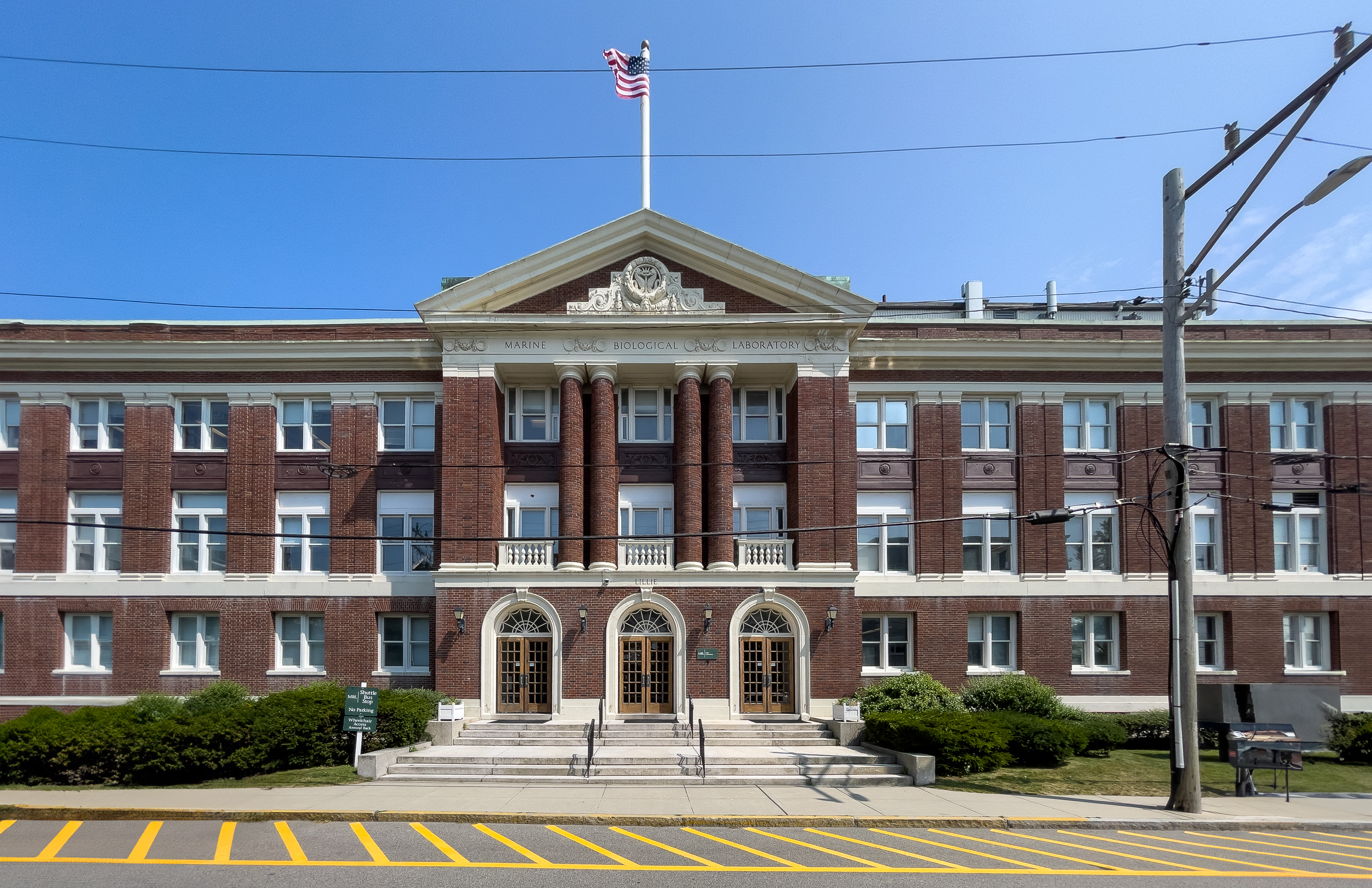
Advanced Research Training Courses
The Marine Biological Laboratory (MBL) offers advanced research training courses designed to develop a dynamic scientific and academic workforce. These courses attract approximately 500 trainees annually from around 300 institutions and 60 countries. Participants engage directly with distinguished faculty from across the globe, enabling them to conduct novel experiments, test new hypotheses, and foster collaborative networks. MBL emphasizes that financial constraints should not hinder scientific pursuits, with most courses offering substantial financial aid, including need-based scholarships. Applicants are encouraged to apply regardless of their financial situation, as opportunities to apply for aid to cover tuition, room, and board will be available upon acceptance.
Health and Life Sciences
NSF REU Biological Discovery in Woods Hole
The NSF REU Biological Discovery in Woods Hole Program at the Marine Biological Laboratory (MBL) offers undergraduate students interested in life science careers a unique research opportunity. Guided by faculty with expertise across various biological disciplines, ten highly motivated students will be placed in the laboratory of an MBL research scientist. Participants will engage fully in laboratory exercises and activities, gaining hands-on experience in biological discovery. This program specifically encourages applications from students attending smaller colleges.

Single Cell Analysis Boot Camp
The Single Cell Analysis Boot Camp is an intensive three-day virtual training program designed to equip health and research professionals with the skills to analyze single-cell RNA sequencing (scRNA-Seq) data. The program covers foundational concepts, advanced systems biology methods for interpreting high-dimensional data, and the integration of spatial transcriptomics. Participants will learn to process, analyze, and interpret scRNA-Seq data, including quality control, clustering, cell type identification, and regulatory network analysis. The third day is dedicated to spatial transcriptomics, focusing on data analysis and understanding microenvironmental interactions, with select topics on AI applications in transcriptional data analysis. This workshop is led by experts who have pioneered network biology and single-cell analysis methodologies. It aims to provide participants with the practical knowledge needed to plan and execute scRNA-seq and spatial data analyses for real-world health studies.
Frequently asked questions
How many Biology programmes are there in United States?
+
7 across 5 universities, listed on this page.
Can international students apply?
+
Yes — these programmes admit international students; check each programme's entry requirements and language of instruction.