PhD in Biology in United States
The United States offers 68 PhD programmes in Biology at 37 universities, including some of the world's leading research institutions. Cornell University, Princeton University, the University of Washington, and Rice University are among the universities represented in this listing. Tuition ranges from free (fully funded doctoral positions are standard in Biology in the US) up to approximately €45,000 per year for unfunded enrolment, but the majority of admitted PhD students receive full funding packages covering tuition and providing a living stipend through research or teaching assistantships.
US Biology PhD programmes are research-intensive and typically last four to six years. Applicants are expected to hold a bachelor's or master's degree in Biology or a closely related discipline, and admission is highly competitive. Strong research experience, letters of recommendation from academic supervisors, and a clear statement of research interests are all critical components of a successful application. Identifying a potential faculty supervisor prior to applying significantly strengthens an application.

Biochemistry and Molecular Biology PhD
The Graduate Program in Biochemistry and Molecular Biology, offered by Wake Forest University Graduate School of Arts & Sciences in conjunction with the Wake Forest School of Medicine Department of Biochemistry, is designed for highly motivated students seeking careers in biomedical sciences. The program focuses on fundamental biological questions through research and training in four key technological areas: Structural Biology, Molecular Biology, Genetics/Genomics, and Proteomics/Metabolomics. Faculty research interests are concentrated in signal transduction in cancer and inflammation, nucleic acid metabolism in cancer, inflammation, and degenerative disease, redox biology, and metabolic diseases. The program emphasizes collaborative research facilitated by participation in various research centers and the availability of state-of-the-art facilities and core resources.

Biochemistry and Molecular Biology PhD
Purdue University offers a Doctor of Philosophy (PhD) program in Biochemistry and Molecular Biology. This program focuses on the fundamental principles governing biological systems at the molecular level. Students will engage in advanced coursework and research to contribute to the understanding of complex biological processes. The program aims to train future leaders in research and academia. It provides a strong foundation in biochemistry and molecular biology, preparing graduates for careers in diverse fields such as scientific research, biotechnology, medicine, and education.

Biology

Biology (Complex Adaptive Systems Science), PhD
The Doctor of Philosophy (PhD) in Biology with a concentration in Complex Adaptive Systems Science at Arizona State University is designed to train future scientists in advanced concepts and methods relevant to diverse phenomena in the social and life sciences. This program is deeply integrated with ongoing, university-wide research in complex adaptive systems science, emphasizing its value in understanding and addressing critical societal issues. Students will develop fluency in the common language of complexity while also building a strong foundation in their chosen academic disciplines. This program is eligible for the STEM-OPT extension, allowing international students on F-1 visas to gain up to 24 months of additional work authorization in the U.S. after graduation. This opportunity can help students acquire valuable skills and experience. The STEM-OPT extension applies only to F-1 visa holders enrolled in on-campus programs, not ASU Online degrees.

Biology Graduate Studies
The Biology Graduate Studies program at Caltech is designed to provide students with in-depth research experience and a strong foundation in biological sciences. The program welcomes students from diverse undergraduate backgrounds, including physics, chemistry, mathematics, and biology. The primary aim is to equip students with the skills for lifelong learning and productive careers in evolving scientific fields. Students will engage in original research, advanced coursework, and independent study tailored to their specific interests. The curriculum is designed to be comprehensive, integrating core biological concepts with essential basic sciences, and is adjusted to meet individual student needs. Caltech does not typically admit students who completed their undergraduate studies in biology at the Institute, as they encourage a broader perspective gained from study in a different academic environment.

BioSciences Graduate Program
The BioSciences graduate program at Rice University offers research-based PhDs designed to provide rigorous training tailored to each student's scientific background and interests. The program emphasizes building a strong academic foundation alongside critical thinking and independence, preparing students for research careers. Students can gain experience in undergraduate teaching and mentoring in addition to their research training. Rice University employs a holistic, team-based approach to application review, seeking talented students from diverse backgrounds who will contribute unique perspectives to the campus community.
Botany and Plant Pathology
Purdue University offers graduate programs leading to a Doctor of Philosophy (PhD) and a Master of Science (MS) in Botany and Plant Pathology. These programs are designed for students interested in advancing their knowledge and research skills in the areas of plant biology and pathology. Students admitted to the PhD program typically have prior research experience and a strong academic background. Applicants are encouraged to contact faculty members to discuss their research interests before applying.

Cancer Biology, PhD
The PhD program in Cancer Biology at the University of Wisconsin–Madison, established in 1940, is a pioneering program dedicated to fundamental cancer research. It operates under the Interdisciplinary Biological and Health Sciences Consortium, fostering a collaborative environment. The program brings together over 50 faculty from diverse departments, including Oncology, Medicine, and Molecular Biology, offering students extensive training opportunities across various aspects of cancer biology. Students delve into topics like genetics, carcinogenesis, cell and molecular biology, virology, and toxicology. The curriculum is flexible, allowing for specialization through core and elective courses, seminars, and research. A key feature is the research advisory committee, formed after students complete three lab rotations in their first semester, guiding them through their doctoral journey. The program prepares graduates for research and teaching careers in academia, government, and industry. While master's degrees are available under special circumstances, the program primarily focuses on admitting students directly into the PhD track. Financial support, including stipends and tuition remission, is provided to students in good standing.

Computational & Systems Biology PhD
The Computational & Systems Biology (CSB) PhD program at MIT offers a rigorous interdisciplinary approach to understanding complex biological systems. It integrates computational, mathematical, and engineering principles with biological research. The program aims to train students to tackle fundamental questions in biology and to develop innovative solutions for health and medicine through advanced computational and systems-level thinking. Graduates are prepared for careers in academia, research institutions, and the biotechnology and pharmaceutical industries.
Computational & Systems Biology PhD Program
The Computational & Systems Biology (CSB) PhD Program at MIT offers a doctoral degree focused on interdisciplinary research at the intersection of computation, biology, and systems engineering. This program aims to train students to tackle complex biological problems using advanced computational and quantitative approaches. Students will engage in cutting-edge research, contributing to a deeper understanding of biological systems and their applications. The program emphasizes a holistic review of applicants, considering their academic records, research potential, and ability to contribute to the MIT community.
Computational and Systems Biology PhD Program
The Computational and Systems Biology (CSB) PhD Program at MIT offers a rigorous interdisciplinary graduate experience focused on understanding biological systems through computational and mathematical approaches. The program integrates biology, computer science, mathematics, and engineering to train students to tackle complex biological problems. Students will develop advanced quantitative skills and gain in-depth knowledge of biological principles, preparing them for research and leadership roles in academia and industry. The program emphasizes a holistic review of applicants, considering their academic record, research experience, and potential to contribute to the MIT community.

Doctor of Philosophy (Ph.D.) in Molecular Biology
Princeton University's Department of Molecular Biology offers a Doctor of Philosophy (Ph.D.) program for students seeking advanced study and research in the field. The program welcomes applications from individuals with diverse academic backgrounds. Admission is highly competitive, and successful candidates will be invited for an interview. The university does not offer a Master's degree in this discipline.

Doctor of Philosophy in Molecular Plant Science (MPS)
The Molecular Plant Science (MPS) PhD program is dedicated to advancing plant science research to address critical global challenges. Our research focuses on fundamental and applied science to improve food production, develop sustainable bio-based materials, protect crops from pests and diseases, and find solutions for a changing climate. This interdisciplinary program brings together faculty from multiple departments to explore topics ranging from molecular genetics and biochemistry to bioinformatics and plant pathology.

Doctor of Philosophy in Plant Pathology
The Doctor of Philosophy (Ph.D.) program in Plant Pathology at Penn State provides advanced education and research experience for students aiming for careers in academia, industry, or government. The program focuses on the study of plant diseases and the pathogens that cause them, equipping graduates with in-depth knowledge and practical research skills. This doctoral degree typically requires a minimum of three years of dedicated study and research beyond a master's degree. Progression towards the Ph.D. involves a rigorous academic record, strong performance in graduate coursework, and successfully passing a candidacy examination. Students are also expected to gain teaching experience by assisting in the instruction of a departmental course.
Entomology, PhD
The PhD program in Entomology at the University of Wisconsin–Madison offers a diverse range of research opportunities spanning suborganismal, organismal, and applied aspects of the field. Faculty employ cutting-edge technology to investigate insect physiology, population genetics, ecology, taxonomy, and their impact on human health, agriculture, and ecosystems. Students can explore research areas from molecular and cellular interactions to ecosystem-level studies, with opportunities for interdisciplinary collaboration across various university departments and external institutions. Graduate education emphasizes collaborative research, with faculty participating in joint instructional programs and potentially serving as primary advisors for students in related fields like zoology or toxicology. The program provides avenues for conducting research in diverse global regions, gaining teaching and mentoring experience, and participating in outreach activities. The department is committed to interdisciplinary study, encouraging students to explore the interconnectedness of biological organization scales and systems, from basic molecular research to applied problem-solving. Admission to the PhD program is a two-step process involving both the specific academic program and the UW–Madison Graduate School. Applicants must meet the minimum requirements set by the Graduate School and the Department of Entomology, which often has more rigorous standards. Prospective students are strongly encouraged to contact faculty members whose research aligns with their interests before applying, as admission is dependent on finding a suitable research fit and a faculty advisor who can support the student financially throughout their program.

Graduate Group in Immunology PhD
The Graduate Group in Immunology at UC Davis offers a PhD program designed to provide students with a comprehensive understanding of immunological principles and research methodologies. The program draws faculty and students from diverse disciplines across the School of Veterinary Medicine, School of Medicine, and Colleges of Agricultural and Environmental Sciences, and Biological Sciences, fostering a rich and interdisciplinary research environment. The curriculum emphasizes core areas such as Infection and Immunity, Inflammation, and Nutrition and Immunity, while also encouraging students to explore related fields to tailor their studies to their specific research interests.
Graduate Group in Microbiology (GMIC) - PhD
The Graduate Group in Microbiology (GMIC) at UC Davis offers a PhD program focused on advancing research in the field of microbiology. While an MS program exists, it is strongly de-emphasized, and admission is generally only granted under special circumstances such as having a 2-year government-sponsored fellowship, personal funding, or a faculty mentor's commitment of financial support. International applicants are particularly encouraged to secure fellowship support from their home countries, as only exceptional candidates without financial backing may be considered. The program aims to cultivate a diverse student body and welcomes applications from underrepresented groups. Admissions decisions are finalized by Graduate Studies, with the Admissions Committee making recommendations on behalf of the GMIC.
Graduate Group in Microbiology (M.S./Ph.D.)
The Graduate Group in Microbiology at UC Davis offers opportunities for advanced study and research leading to Master of Science (M.S.) and Doctor of Philosophy (Ph.D.) degrees. The program focuses on modern molecular approaches to understanding microbiological challenges across fundamental, applied, and pathogenic areas. Research interests include bacterial and viral pathogenesis, eukaryotic microbiology, microbial genomics and genetics, microbial physiology and development, microbial ecology and environmental microbiology, cancer biology, bioengineering, and bioremediation. While both M.S. and Ph.D. degrees are offered, strong preference is given to doctoral applicants. The M.S. degree is typically awarded only to students progressing towards a Ph.D. program. Applicants are encouraged to contact graduate advisors or the group's chairperson for more information regarding graduate study and undergraduate preparation.
Graduate Program in Biochemistry and Molecular Biophysics
The Graduate Program in Biochemistry and Molecular Biophysics (BMB) at Caltech is an interdisciplinary program focused on understanding the chemistry of life at a molecular level. It bridges biology, chemistry, and physics to investigate the structure, interactions, and functions of biological molecules within cells. The program aims to elucidate how the individual components of cells self-assemble to create form, function, and dynamic behavior. This doctoral program is jointly organized by the Division of Chemistry and Chemical Engineering and the Division of Biology and Biological Engineering. It provides students with a comprehensive foundation in biochemistry and molecular biophysics, alongside specialized knowledge in their chosen research area. The goal is to prepare graduates for leading roles in academia and industry, equipping them with strong research skills, a broad scientific understanding, and the ability to independently conduct and present research. Students will engage in advanced coursework, laboratory rotations to explore diverse research areas, and ultimately, a Ph.D. thesis defense. The program emphasizes critical thinking, experimental design, and scientific communication to foster the development of independent and innovative scientists.

Graduate Programs in Biochemistry, Molecular and Cell Biology (BMCB), Genetics, Genomics, and Development (GGD), and Biophysics
Cornell University offers top-ranking, multidisciplinary graduate training in Biochemistry, Molecular and Cell Biology (BMCB), Genetics, Genomics, and Development (GGD), and Biophysics. These programs are designed to educate research scientists for successful careers in the biological sciences. Administratively overseen by the Molecular Biology and Genetics (MBG) Department, these fields provide interdisciplinary research opportunities across various departments and institutes on campus, fostering a rigorous training environment with state-of-the-art facilities and collaborative opportunities. The graduate programs emphasize foundational scientific knowledge and skills, preparing students for diverse careers in academia, industry, government, law, and the private sector. The university is committed to providing a welcoming and inclusive training environment for all students.

Immunology PhD
The University of Washington (UW) Immunology PhD program offers a flexible approach to doctoral studies, acknowledging that diverse backgrounds can lead to successful research careers. Upon admission, students are expected to complete their PhD within seven years, fulfilling both departmental and Graduate School requirements. The program emphasizes rigorous training in immunology research.
Immunology PhD and MS
The Immunology Graduate Group at UC Davis offers an interdisciplinary and flexible Doctor of Philosophy (PhD) and Master of Science (MS) program. This field is at the forefront of biomedical science, integrating various disciplines. Students will gain access to cutting-edge technologies like genomics, mouse genetics, and molecular biology to advance their understanding of fundamental immunology and its role in disease pathogenesis and therapy. The faculty is highly collaborative, with research interests spanning multiple areas of immunology, including infection, host responses to pathogens, vaccine development, immune regulation, nutrition, allergy, autoimmunity, and cancer therapy. The program aims to equip students with the skills and knowledge necessary for research careers in contemporary immunology.

Interdisciplinary Biological Sciences (IBiS) PhD Program
The Interdisciplinary Biological Sciences (IBiS) PhD program at Northwestern University is designed to train scientists capable of conducting cutting-edge research and advancing interdisciplinary scholarship. The program welcomes students from diverse backgrounds who are interested in exploring research that extends beyond traditional departmental boundaries. Ideal candidates possess a strong scientific foundation and a desire to integrate biological sciences with other disciplines.
Interdisciplinary Biomedical Sciences PhD
The Interdisciplinary Biomedical Sciences (IBSC) PhD program at Purdue University offers advanced doctoral training at the intersection of various biomedical fields. Students can earn degrees in Biomedical Engineering (BME), Basic Medical Sciences (BMS), Comparative Pathobiology (CPB), or Veterinary Clinical Sciences (VCS), reflecting the program's collaborative nature between the College of Engineering and the College of Veterinary Medicine. The program is designed to prepare students for independent research careers in diverse scientific and medical areas.
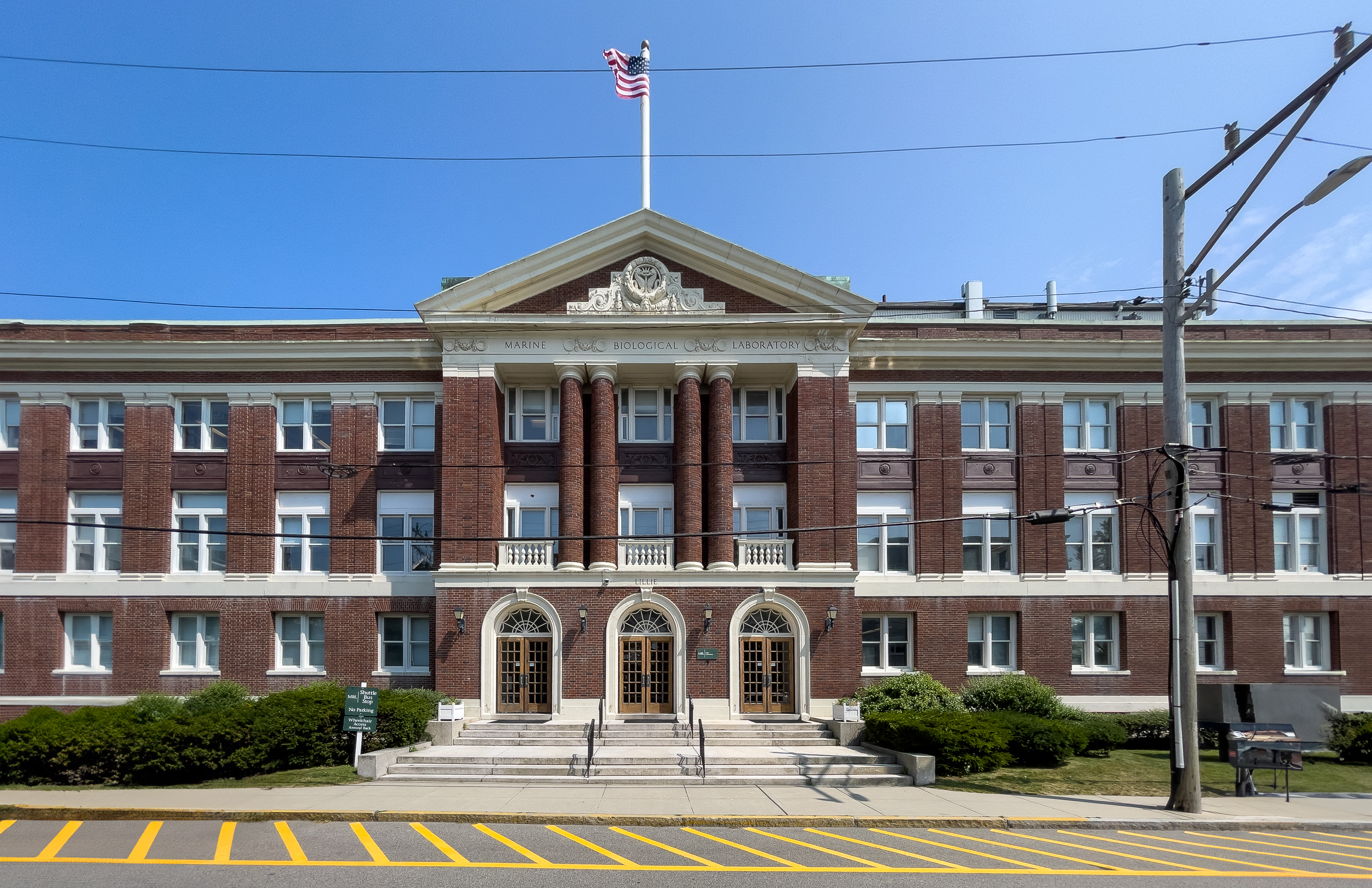
MBL/UChicago Graduate Research Fellowship Program
This PhD program is a collaboration between the Marine Biological Laboratory (MBL) and the University of Chicago (UChicago), offering a unique research and educational experience. It combines the extensive research environment of the MBL in Woods Hole, MA, with the academic resources of UChicago. The partnership, formalized in 2013, has fostered synergies in research and teaching that now extend to graduate students.
Microbiology Ph.D.
The Ph.D. program in Microbiology at Cornell University offers research opportunities in a wide range of areas, including genetics, physiology, biochemistry, molecular biology, systematic and environmental microbiology, microbial ecology, and virology. The program emphasizes hands-on research experience, with access to modern laboratory facilities and instrumentation. Students are required to complete one semester of teaching as part of their doctoral studies. The curriculum is designed to build a strong foundation in microbiology and prepare students for advanced research and contributions to the field.
Molecular Biology PhD
Princeton University offers a Doctor of Philosophy (Ph.D.) program in Molecular Biology. Applications are welcomed from students with diverse academic backgrounds. The program focuses on in-depth research and advanced study within the field. Admission is highly competitive, with the committee considering all aspects of an application, including research experience, academic performance, and letters of recommendation. While there are no strict course prerequisites, a strong foundation in related sciences is beneficial. International students are encouraged to apply.

Ph.D. Biological and Biomedical Sciences

Ph.D. in Bioinformatics and Systems Biology
The Ph.D. Program in Bioinformatics and Systems Biology (BISB) at UC San Diego offers a comprehensive graduate education focused on the computational and analytical challenges in modern biological research. This program trains students to become leaders in the interdisciplinary field of bioinformatics, equipping them with the skills to analyze complex biological data and develop innovative computational approaches. The curriculum integrates computer science, biology, statistics, and medicine to foster a deep understanding of biological systems.

Ph.D. in Biological Sciences
The Ph.D. program in Biological Sciences at Carnegie Mellon University aims to train future scientific leaders who will make significant contributions to society. The program focuses on empowering students to define their research goals while developing essential skills for the global scientific community. You will gain comprehensive training in experimental design, data analysis, scientific communication, and teaching. Graduate students are integral to the department's research and educational mission, engaging in cutting-edge research across various biological disciplines.
Ph.D. in Molecular Biology
Princeton University's Department of Molecular Biology offers a Ph.D. program for students interested in advanced study and research in this field. Applications are welcomed from individuals with diverse academic backgrounds. The university encourages international students to apply. The program admits students only for the Fall term. There are no rigid prerequisites for admission, and a wide range of courses are available to support students in preparing for graduate-level work, even if their undergraduate major was in a related science like chemistry, physics, or mathematics.

PhD in Biochemistry & Cell Biology
The PhD in Biochemistry & Cell Biology program at Boston University is offered through the Program in Biomedical Sciences (PiBS). This interdisciplinary program combines rigorous didactic coursework with extensive research training to prepare graduates for diverse careers. Students will explore cellular and molecular mechanisms of biological processes, with a focus on human disease, utilizing state-of-the-art technologies and research facilities within the BU Chobanian & Avedisian School of Medicine. The curriculum integrates foundational knowledge in biochemistry, cell biology, molecular biology, and genetics/genomics with professional development opportunities.

PhD in Biology
The Doctor of Philosophy Program in Biology at NYU is designed to cultivate independent research scientists within an integrated and cutting-edge research environment. The department boasts a world-class faculty with diverse scientific expertise, supported by state-of-the-art laboratories, advanced core facilities, and specialized centers like the Center for Genomics and Systems Biology. Students will engage in independent research under faculty mentorship, utilizing sophisticated instrumentation and extensive library resources. The program emphasizes both rigorous scientific training and the development of critical thinking, analytical, and communication skills. Located in Greenwich Village, students are encouraged to leverage the unique opportunities offered by New York City and NYU's global campuses.

PhD in Cancer Biology
The PhD in Cancer Biology program at PCOM focuses on understanding the biological and molecular basis of cancer initiation and progression, with an emphasis on drug discovery and therapeutic development. Offered in partnership with The Wistar Institute, a leading biomedical research institution, this program provides access to state-of-the-art facilities and equipment. Students will gain a deep understanding of cancer's fundamental cellular processes, learn to collaborate effectively in a multidisciplinary environment, and develop essential time management and organizational skills for career success. The curriculum is designed to prepare graduates for impactful careers in academic, government, or industrial research settings, applying clinical and translational research to human cancer studies.

PhD in Molecular & Cellular Biology
The University of Illinois Urbana-Champaign's School of Molecular & Cellular Biology (MCB) offers a PhD program that is a cornerstone of life-changing research and education. The program brings together faculty and students from the Departments of Biochemistry, Cell & Developmental Biology, Microbiology, and Molecular & Integrative Physiology. PhD students are considered an integral part of the university's tradition of excellence, benefiting from accessible faculty who provide strong mentorship. During the first year, students engage in three laboratory rotations to explore research interests. By December of the first year, a research advisor and laboratory are selected, and students join a specific departmental graduate program. The school boasts over 65 active research labs recruiting PhD students, fostering a collaborative environment for scientific advancement.
PhD in Molecular & Cellular Biology
PhD in Molecular Biology
Princeton University's Department of Molecular Biology offers a Ph.D. program designed for students seeking advanced study and research in the field. The program welcomes applications from individuals with diverse academic backgrounds and encourages international students to apply. Admission is highly competitive, with the committee evaluating all aspects of an application without a single determining factor. Accepted students are offered full financial support, including tuition, health insurance, and a substantial stipend.

PhD in Neuroscience
The PhD in Neuroscience program at the Icahn School of Medicine at Mount Sinai offers a rigorous training experience for students passionate about understanding and treating brain diseases. You will join a collaborative environment with world-renowned faculty, contributing to innovative scientific discoveries. The program utilizes diverse model systems, from simple organisms to the human brain, to investigate normal brain function, disease mechanisms, and therapeutic strategies. Students benefit from autonomy in their training objectives, supported by dedicated faculty and resources within the Mount Sinai Health System.
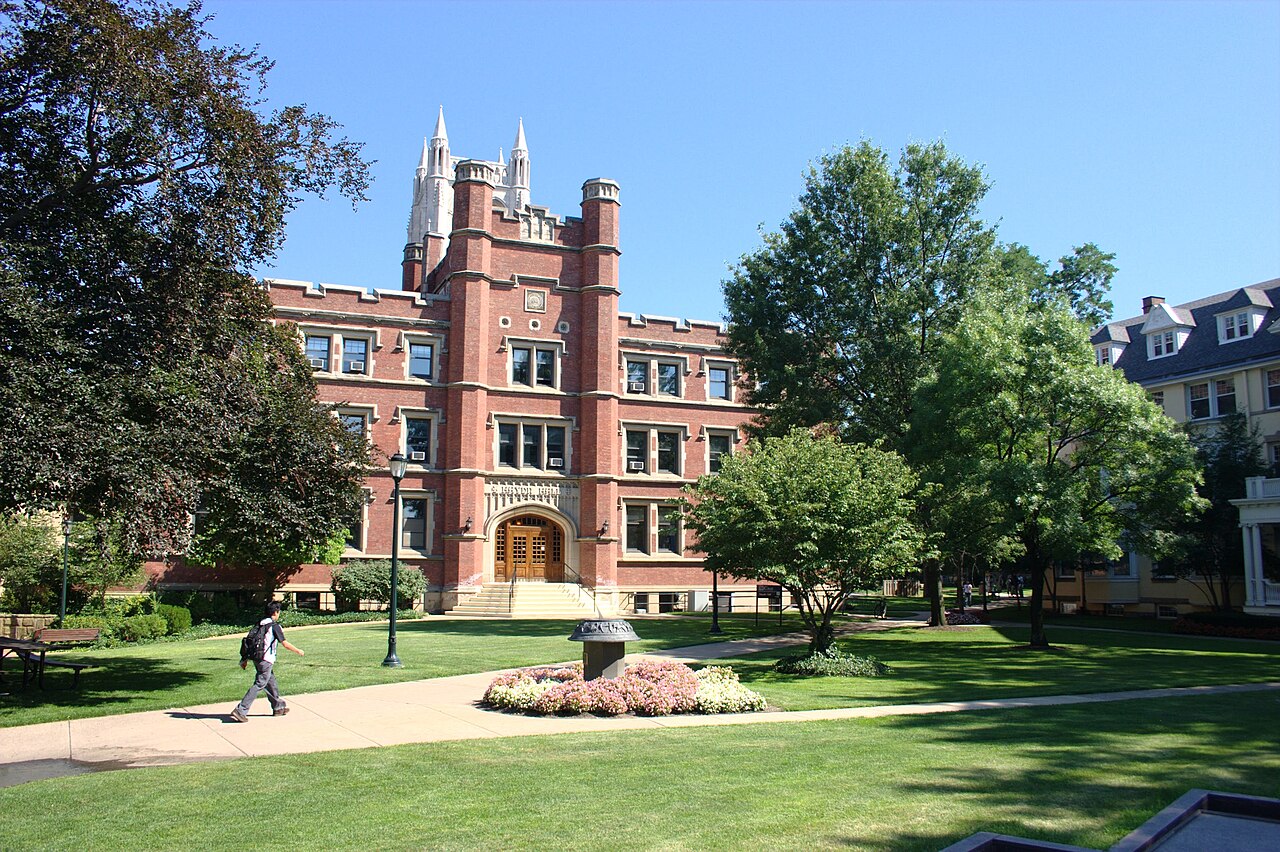
PhD in Neurosciences
The PhD in Neurosciences at Case Western Reserve University offers an Interdisciplinary Neuroscience Training Program (INTP) focused on understanding the mechanisms of nervous system function and development. This program provides comprehensive training in neurobiology through a blend of research, coursework, and seminars. Students will have the opportunity to conduct thesis research with over 20 faculty members, exploring diverse areas such as sensory and motor systems, neuronal regeneration, synaptic function, and neurodegenerative disorders. The Department of Neurosciences is actively growing, fostering a highly interactive environment with extensive collaboration among laboratories and other university departments. This creates a strong training atmosphere with excellent faculty-student interactions. Most faculty are located in two connected buildings, promoting a concentrated and collaborative neuroscience community.

PhD Program in Biological Sciences
Cold Spring Harbor Laboratory (CSHL) offers an innovative PhD program in Biological Sciences. This program is designed to provide a broad understanding across various disciplines within the biosciences. The first year includes coursework and laboratory rotations, with a strong emphasis on scientific reasoning, ethics, and communication. Following the first year, students select a research mentor and focus on their doctoral research. An alternative BioAI PhD program is also available, integrating artificial intelligence and computational approaches with biological research for students interested in applying machine learning and data-driven methods to solve complex biological problems. The program aims to train scientists to become next-generation leaders in science and society.
PhD Program in Biology
The PhD Program in Biology at the University of Washington offers a comprehensive graduate education focused on research and theory. Students are integrated into a collaborative environment, working with faculty and researchers both within the department and globally. The program emphasizes mentorship, providing opportunities for students to develop their research interests, build professional networks, and contribute to high-impact publications and presentations.

PhD Program in Microbiology & Immunology
The Department of Microbiology & Immunology at the University of Michigan offers a PhD program focused on understanding global challenges in microbiology and immunology. As one of the oldest departments of its kind, it has a legacy of pioneering research. The program investigates the molecular mechanisms by which microbes (bacteria, viruses, fungi, parasites) interact with hosts, including how they colonize, evade immune responses, and cause disease. Simultaneously, it explores the intricate workings of the immune system, focusing on how it defends the host and maintains homeostasis. Graduate students work alongside faculty on cutting-edge research, utilizing state-of-the-art tools and approaches. The curriculum combines rigorous coursework with seminars, journal clubs, and opportunities to present research. The department emphasizes a collaborative and supportive environment, with faculty dedicated to tailoring training to individual career goals and preparing students for advancement in the field. Faculty research interests continue to expand, ensuring a dynamic and evolving academic experience.
PhD Program: Biological Chemistry
The PhD program in Biological Chemistry at the University of Michigan Medical School offers advanced training for students pursuing research careers in biochemistry and molecular biology. Building on a rich history dating back to 1883, the department is a hub for groundbreaking research and has been home to numerous members of prestigious scientific academies and institutions. Students in this program will select a research mentor from approximately 50 faculty members, engaging in diverse investigative opportunities across four key research areas: regulation of gene expression, protein folding and processing, macromolecular structure and mechanism, and biochemical signaling. The curriculum combines rigorous advanced study with flexibility, allowing students to tailor their coursework to their specific interests. The program emphasizes both in-depth understanding of current research and the development of analytical and independent research skills. Students gain practical experience through a teaching assistantship and present their research through seminars, poster sessions, and an annual retreat, fostering a collaborative and intellectually stimulating environment.
PhD Program: Immunology
The PhD Program in Immunology at the University of Michigan is designed to train future leaders in the field of molecular and cellular immunology. The program equips students with the skills to conduct cutting-edge research, think independently, and address scientific questions from multiple perspectives. It offers a flexible and diverse environment with over 54 faculty members from various schools, including Medicine, Pharmacy, Dentistry, and the College of Literature, Science and the Arts (LSA). A significant advantage is the strong emphasis on translational research, with over half of the faculty in clinical departments, providing students with unique opportunities. The curriculum combines a broad foundation of coursework with extensive research experience, tailored to individual interests. Students receive individualized attention and mentoring, which are considered standout strengths of the program. The program aims to foster collaboration and interdisciplinary thinking, preparing students for diverse career paths in academia, industry, and beyond.
PhD Program: Molecular, Cellular & Developmental Biology
The Molecular, Cellular, and Developmental Biology (MCDB) PhD program at the University of Michigan offers a comprehensive and inclusive training environment for aspiring scientists. The program's primary goal is to equip students with the essential scientific knowledge and technical skills required to become independent researchers. It provides a flexible structure that allows students to explore and develop their unique research interests across various disciplines within MCDB. The program emphasizes basic research into the fundamental functions of life, with applications relevant to human health and biotechnology.

PhD Programs in Biomedical and Biological Sciences (PIBBS)
The PhD Programs in Biomedical and Biological Sciences (PIBBS) at the University of Southern California (USC) aims to recruit and train top-tier PhD students in various biomedical and biological fields. The program guides students in identifying mentors, labs, and research projects to provide rigorous scientific training. Graduates are well-prepared for diverse science-related careers. PIBBS encompasses several interdisciplinary PhD programs, each focusing on specific areas of research within the broader biomedical and biological sciences.

Plant Biology PhD
The University of California, Berkeley offers a highly-ranked PhD program in Plant Biology, designed for students interested in modern plant science research. This program allows for an individualized course of study, aligning with students' specific interests and career aspirations. You will gain a strong foundation through core course modules and explore specialized topics and seminars led by expert faculty. The department boasts a diverse research portfolio, covering areas from molecular and cellular biology to plant-microbe interactions. The program is committed to fully funding all admitted graduate students for five years, making it an attractive option for aspiring plant biologists.
Plant Biology, Ph.D.
The Plant Biology Ph.D. program at Penn State offers advanced study and research opportunities for students passionate about understanding plant life. This program focuses on the scientific investigation of plants, encompassing their genetics, physiology, ecology, and molecular mechanisms. Students engage in cutting-edge research under the guidance of expert faculty, contributing to the growing knowledge base in plant sciences. The curriculum is designed to provide a strong theoretical foundation and practical research skills, preparing graduates for careers in academia, research institutions, government, and the private sector. The program emphasizes independent research, critical thinking, and effective communication of scientific findings.
Quantitative and Computational Biology (QCB) PhD Program
The Program in Quantitative and Computational Biology (QCB) at Princeton University offers a PhD focused on the intersection of biology and quantitative sciences, including computation, chemistry, mathematics, and engineering. Administered through the Lewis-Sigler Institute for Integrative Genomics, QCB is a multidisciplinary collaboration involving faculty from various departments. The program aims to train future leaders in areas such as genomics, systems biology, and statistical genetics. QCB encourages applications from students with strong backgrounds in either quantitative sciences or biology, provided they possess the motivation to develop expertise in the other. While a strong foundation in both is not required for admission, applicants with undergraduate degrees in computer science, chemistry, operations research, statistics, applied math, or physics are particularly welcome. The program is committed to fostering diversity and inclusion, welcoming students from all backgrounds and experiences.
Frequently asked questions
How much does a Biology PhD in the United States cost?
+
Most admitted students receive full funding — covering tuition and providing a monthly stipend — through research or teaching assistantships. Unfunded enrolment can cost up to approximately €45,000 per year.
Which universities offer Biology PhD programmes in the US?
+
Among the 37 universities listed are Cornell University, Princeton University, the University of Washington, Rice University, and the Marine Biological Laboratory.
Can international students apply for a Biology PhD in the US?
+
Yes. International applicants are common in US Biology doctoral programmes. An F-1 student visa is required, and fully funded positions are generally open to both domestic and international candidates.
What are the entry requirements for a Biology PhD in the US?
+
A bachelor's or master's degree in Biology or a related field is required, along with GRE scores (where required by the programme), letters of recommendation, and a research statement.
How do I apply for a Biology PhD in the United States?
+
Applications are submitted directly to each university's graduate school portal. Most deadlines fall in December or January for autumn entry; contacting potential supervisors early in the process is strongly recommended.