Master's in Chemistry in United States
There are 14 master's Chemistry programmes for international students across 12 universities in United States. Tuition ranges from free to €52k. Browse the full list below, compare entry requirements, and explore scholarships to fund your studies.

Chemistry

Chemistry and Biochemistry Graduate Programs
UCLA's Department of Chemistry and Biochemistry offers Master of Science (M.S.) degrees, as well as Doctor of Philosophy (Ph.D.) degrees in Chemistry and Biochemistry, Molecular and Structural Biology. An M.S. degree can be earned en route to the Ph.D. The department also offers a Master's in Applied Chemical Sciences (M.A.C.S.). Graduate studies at UCLA involve close consultation with faculty advisors for academic and research guidance. Students progress through coursework and, for Ph.D. candidates, dissertation research, with regular progress reviews by the Graduate Studies Committee. The department emphasizes a rigorous academic environment with opportunities for specialization in various subdisciplines within chemistry and biochemistry.
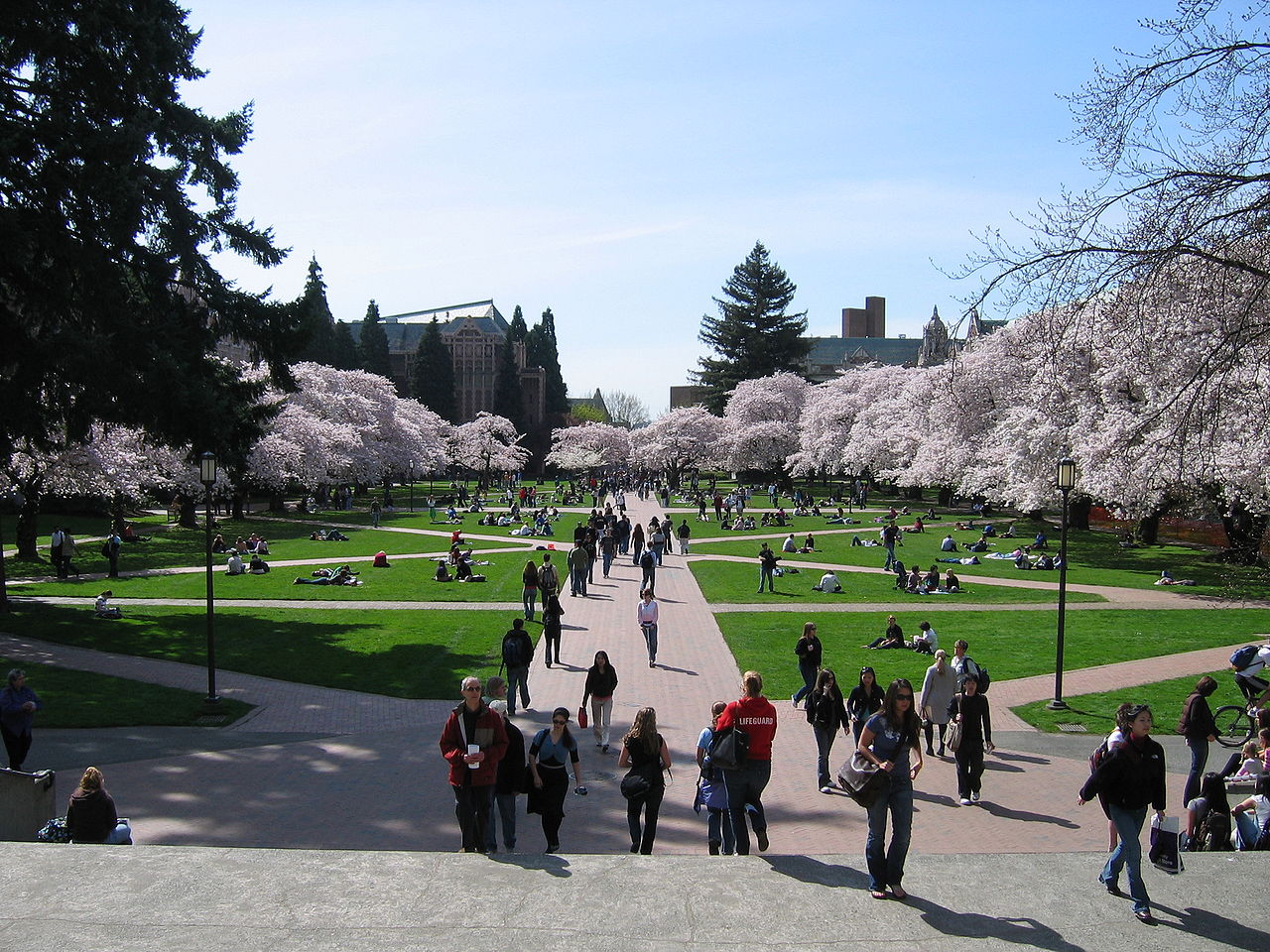
Chemistry at the University of Washington
The Department of Chemistry at the University of Washington offers a wide range of undergraduate and graduate programs, including Bachelor of Arts and Science degrees in Chemistry and Biochemistry, a Master of Science in Applied Chemical Science and Technology, and a PhD in Chemistry. As a central science, chemistry provides a gateway to understanding the manufactured and living world, equipping students with skills for diverse career paths. The department fosters a vibrant, inclusive community dedicated to training future scientific leaders through cutting-edge research and innovative education.

Dipole Moments
This program explores the experimental determination of molecular dipole moments, a fundamental property influencing how molecules interact with electric fields. You will learn how to measure dipole moments using laboratory experiments based on electrical capacitance. The course covers the theoretical underpinnings, including how capacitance changes when molecules with dipoles are placed between charged plates and how thermal motion affects this alignment. You'll also delve into Peter Debye's clever method for determining dipole moments by analyzing the temperature dependence of measured capacitance, providing a practical application of physical chemistry principles.

M.S. Forensic Science - Chemistry

Master of Science in Applied Chemical Sciences (MSACS)
The Master of Science in Applied Chemical Sciences (MSACS) is a non-thesis master's degree designed to equip students with advanced chemical knowledge and practical skills for problem-solving in various industries. The program offers three areas of specialization: Bioorganic Chemistry, Chemistry for the Energy Industry, and Computational Chemistry and Data Science. Graduates will be prepared to apply chemical principles, analyze data effectively, and communicate their findings clearly across scientific, business, and governmental contexts.
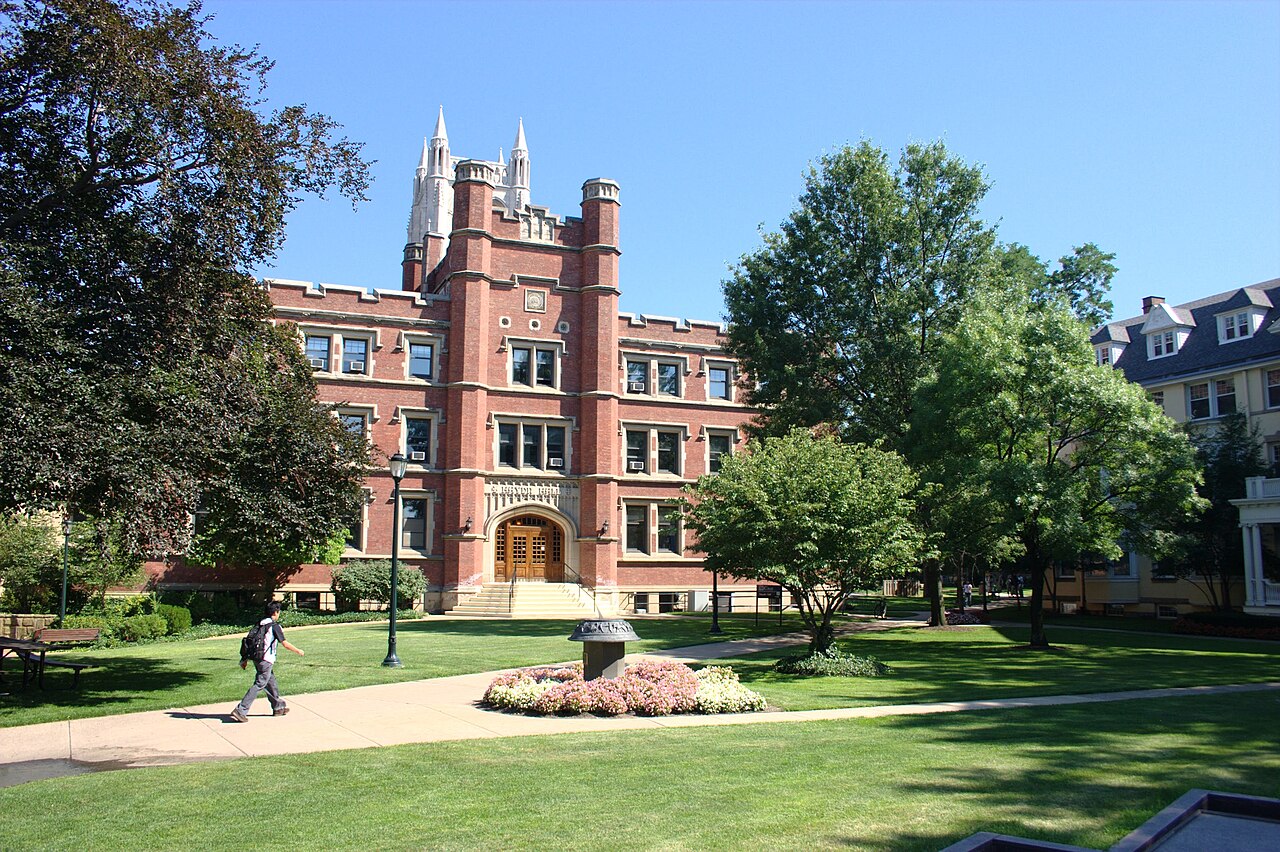
Master of Science in Chemistry (Plan B)
The Master of Science (MS) in Chemistry at Case Western Reserve University is a coursework-based program designed for students seeking a strong foundation for careers in chemistry, related fields, and chemical management. This program emphasizes rigorous coursework, practical laboratory experience, and seminar participation to broaden your knowledge in various chemical disciplines. You will also have opportunities for independent study and research under faculty guidance, preparing you for professional roles or further doctoral studies. The program is offered in both full-time and part-time formats, providing flexibility for students.
MAT in Teaching: Science - Chemistry
MS in Chemistry
The MS in Chemistry at the University of Michigan is a nine-month graduate program designed for students with a bachelor's degree in chemistry or a related field who wish to advance their careers in chemistry. This program is distinct from the PhD program and offers two flexible options to suit different career aspirations: a coursework-only curriculum and a research-based curriculum. The coursework-only option is ideal for professionals in chemistry-related industries seeking an advanced degree for career progression, or for students aiming for Law, Business, or health science programs who want to strengthen their technical background without an emphasis on research. While intended as an intensive nine-month program, it can be extended based on individual circumstances. The research-based option is suitable for professionals looking to expand their experimental skills, international students, or those who wish to enhance their competitiveness for PhD, MD/PhD, or other health science programs where research experience is valued. Please note that research positions are limited and depend on faculty mentor availability; applicants for this option should proactively contact potential faculty mentors before applying.
Frequently asked questions
How many Chemistry programmes are there in United States?
+
14 across 12 universities, listed on this page.
Can international students apply?
+
Yes — these programmes admit international students; check each programme's entry requirements and language of instruction.