Computer Science & IT in United States
The United States is home to 140 Computer Science & IT programmes spread across 64 universities, one of the largest concentrations of computing education in the world. Elite institutions such as Stanford University and Northwestern University share this hub with large state schools like Indiana University Bloomington and the University of Pittsburgh, as well as diverse options including Oklahoma Christian University and National Park College.
Annual tuition spans from free (for funded graduate positions) to approximately €98k at the top end, but the majority of programmes sit in a much more accessible range. The sheer breadth of 64 universities means international students can find computing programmes that match their background, career focus, and budget, whether they are aiming for Silicon Valley careers or research roles.

Accelerated Master's Programs at the Information Networking Institute (INI)
Carnegie Mellon University's Information Networking Institute (INI) offers a unique opportunity for highly qualified current CMU undergraduate students to accelerate their graduate studies. Through these accelerated programs, you can earn a Master of Science (M.S.) degree in as little as two semesters (one academic year) after completing your bachelor's degree. This pathway allows for a seamless transition from undergraduate to postgraduate work within INI's specialized, interdisciplinary curriculum. The INI's master's programs are designed to provide deep technical knowledge and foster interdisciplinary learning. You will have the flexibility to draw upon coursework and research opportunities from across the university, including the College of Engineering, School of Computer Science, Tepper School of Business, and Heinz College, allowing you to tailor your education to your specific interests. This program is ideal for CMU undergraduates looking to gain advanced expertise in areas such as information networking, security, mobile and IoT engineering, or AI engineering with a focus on security. The INI provides a supportive learning environment with dedicated advising and career services to help you achieve your academic and professional goals.
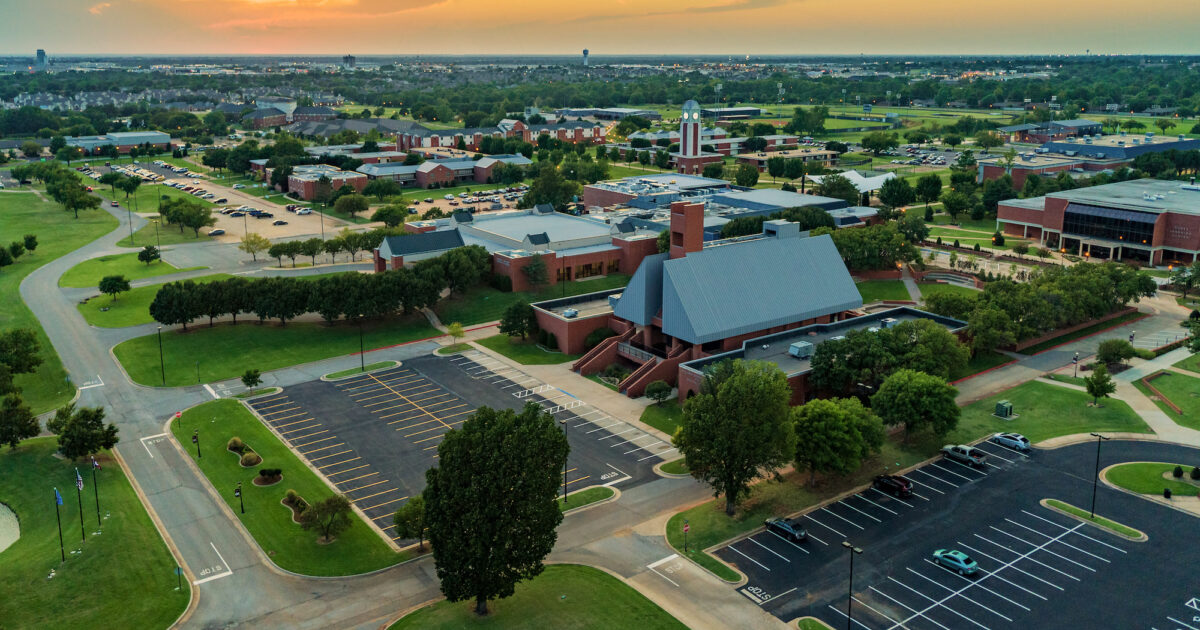
Accounting with Computer Science (B.B.A.)
This Bachelor of Business Administration (B.B.A.) program combines a strong foundation in accounting principles with essential computer science skills. It is designed to prepare students for a variety of entry-level roles in public, private, and governmental accounting. Graduates will be equipped to handle the technological demands of modern accounting practices, including data analytics and systems management. The curriculum emphasizes critical thinking, analytical problem-solving, and professional communication within a global business context. Students will also engage with ethical considerations and develop a Christian worldview regarding business and technology. The program structure ensures students gain competencies in both foundational business and computer science areas, meeting the educational requirements for professional certifications like the CPA exam in many jurisdictions.

Advanced Topics in Computer Science: Machine Learning for Structural Biology
This seminar course explores the cutting-edge intersection of machine learning and structural biology, focusing on recent advancements that have revolutionized the study of protein and biomolecule structures. You will delve into how ML algorithms are applied to critical tasks such as protein structure prediction, determination, and computational protein design. The course emphasizes a holistic understanding of research papers, considering their historical context, algorithmic contributions, and their potential to drive scientific and drug discovery. The program is offered in the Fall term only and encourages applications from diverse academic backgrounds.

Algorithmic Lower Bounds: Fun with Hardness Proofs
This graduate-level course focuses on the theory of computation and algorithmic lower bounds, specifically exploring techniques for proving hardness in computational problems. The material covers fundamental concepts in complexity theory and delves into practical applications through hardness proofs in various game scenarios. It is designed for students with a strong background in theoretical computer science.

Associate of Science in Computer Science (ACS) Online Degree
The Associate of Science in Computer Science (ACS) online program provides a strong foundation in essential computer science concepts, including programming, databases, software, and operating systems. This degree is designed to equip you with the skills needed to design, implement, and evaluate software solutions for real-world problems. It serves as an excellent stepping stone for a career in the tech industry or for pursuing further studies at the bachelor's level.
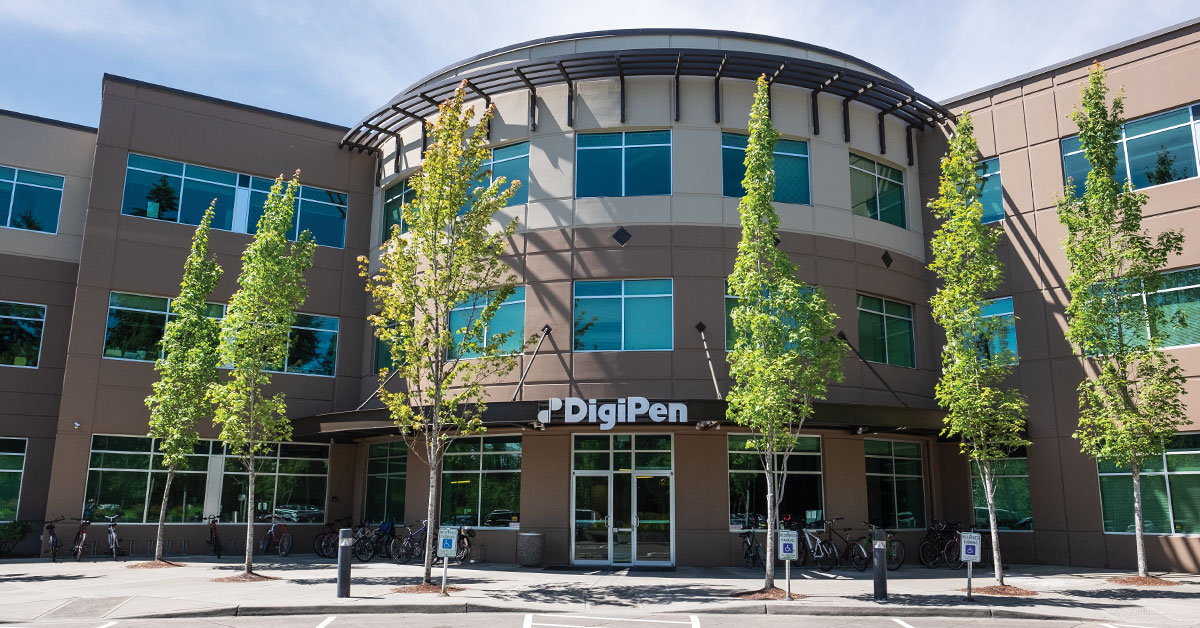
B.S. in Computer Science and Game Design
This four-year program focuses on the intersection of computer science and game design, preparing students to become game programmers with a designer's mindset. It emphasizes foundational programming skills in C and C++, alongside core concepts in mathematics, physics, and computer science. The curriculum is project-driven, with yearly team projects designed to simulate real-world game development environments. Graduates will be equipped to translate design concepts into functional code, making them valuable members of any development team.
Bachelor of Computer Science and Arts (BCSA)
The Bachelor of Computer Science and Arts (BCSA) is an intercollege program designed for students who wish to combine rigorous study in computer science with creative work in the fine arts. This program is ideal for those who aim to create the tools and technologies used in artistic expression. It blends academic work from the School of Computer Science (SCS) with creative practice from the College of Fine Arts (CFA). Students will fulfill requirements for general education, a concentration in computer science, and a concentration within one of CFA's schools: Architecture, Art, Design, Drama, or Music. Additional free electives can be used to broaden or deepen study in either the arts or computer science.

Bachelor of Science in Computer Information Technology
The Bachelor of Science in Computer Information Technology program at Purdue University Northwest (PNW) provides a comprehensive education in various IT knowledge areas. You will explore computational thinking, programming, networking, operating systems, information assurance, web systems, and database design. The curriculum is designed to integrate theory with practical, hands-on experience, preparing you for diverse roles in the technology sector. Faculty members bring extensive real-world experience to the classroom, offering mentorship and training in realistic lab environments. The program aims to develop graduates with strong analytical, problem-solving, and critical thinking skills, equipped to lead and innovate in the field.

Bachelor of Science in Computer Science

Bachelor of Science in Computer Science

Bachelor of Science in Computer Science
The Bachelor of Science in Computer Science program at California State University Channel Islands (CSUCI) provides a strong foundation in both computer hardware and software. The curriculum emphasizes critical thinking, creativity, and innovation, offering a personalized learning experience. Students benefit from small class sizes, access to modern resources, and numerous hands-on learning opportunities, including internships. The program prepares graduates for diverse and rewarding careers in various technology-driven industries, as well as for advanced studies at top graduate schools.
Bachelor of Science in Computer Science
The Bachelor of Science in Computer Science program at DigiPen equips students with the foundational knowledge and practical skills needed for careers in the rapidly evolving technology sector. The curriculum covers essential programming languages like C and C++, databases, networks, and distributed computing. A core component of the program involves multidisciplinary team projects, where students collaborate on yearly video game or computer science projects, simulating real-world professional environments. This hands-on approach prepares graduates for diverse roles in both the game industry and broader tech companies. This degree is suitable for students with or without prior coding experience. The program emphasizes a strong understanding of complex algorithms and sophisticated data structures, ensuring graduates are well-prepared to address the demands of emerging technologies and software engineering advancements. Students will gain practical experience through project-based learning and engagement with faculty who have industry experience.
Bachelor of Science in Computer Science
The Bachelor of Science in Computer Science program at Florida Polytechnic University equips students with essential computational thinking, programming, and problem-solving skills vital for careers in emerging technological fields. This STEM-focused program emphasizes a pragmatic, problem-solving approach, building on a rigorous mathematical foundation and incorporating physics and chemistry to foster analytical thinking. Graduates are prepared to design and implement solutions to complex problems, communicate effectively in team environments, and pursue careers in industry, government, or academia. The program encourages adaptation to the rapidly changing field of computer science, leadership, and further academic study.
Bachelor of Science in Computer Science - Game Development and Simulation
Bachelor of Science in Computer Science - Information Assurance and Cybersecurity
Bachelor of Science in Computer Science - Intelligent Mobility and Autonomous Systems
Bachelor of Science in Computer Science and Digital Audio
The Bachelor of Science in Computer Science and Digital Audio program focuses on the intersection of programming and audio engineering, specifically for interactive digital media like video games. You'll start with foundational programming (C, C++) and math, then move into music theory, sound design, production, and digital audio workstations. The curriculum emphasizes hands-on experience through semester- and year-long team projects where you'll develop original video games with sophisticated interactive audio systems. This program prepares you with a diverse portfolio and a strong background in sound production and tools programming for careers in the game and tech industries.
Bachelor of Science in Computer Science in Real-Time Interactive Simulation
Big Data Analytics, B.S.
The Bachelor of Science in Big Data Analytics program at Florida Polytechnic University focuses on equipping students with the knowledge and skills to manage, analyze, and interpret large datasets. This interdisciplinary program combines elements of computer science, statistics, and domain-specific knowledge to prepare graduates for a rapidly growing field. Students will learn to use advanced tools and techniques to extract meaningful insights from complex data, enabling them to support data-driven decision-making in various industries.

COMPSCI 61B - Data Structures
COMPSCI 61B is an undergraduate course at the University of California, Berkeley, focusing on fundamental dynamic data structures and elementary software engineering principles. This course introduces students to essential concepts such as linear lists, queues, trees, and other linked structures, along with arrays, strings, and hash tables. It also covers storage management, abstract data types, and algorithms for sorting and searching. Students will gain an introduction to the Java programming language through practical application of these data structures. The course is offered by the Electrical Engineering and Computer Sciences Department within the College of Engineering. It is designed to provide a foundational understanding necessary for further studies in computer science. Classes are delivered through a combination of lectures, discussions, and laboratory sessions, available both in-person and online. The course is typically offered in Fall and Spring terms over 15 weeks, with an intensive 8-week format available during Summer sessions.
Computer & Information Science
Pursue a career in system analysis, software development, web development, or IT support with a degree in Computer & Information Science. This program prepares you for roles in a growing field, with a particular emphasis on the increasing demand for information security analysts. You'll gain essential technical skills and develop soft skills to enhance your job candidacy.

Computer and Information Science (BS) - Software Development Major
The Bachelor of Science in Computer and Information Science (CIS) program provides a comprehensive understanding of how computers and information systems are used in modern organizations. You will learn about operating systems, software applications, networking, and security. This program focuses on teaching students how to instruct computers, manage databases, process information, and utilize various equipment effectively. The curriculum is designed to be hands-on and interactive, equipping you with the programming and information processing skills needed for entry-level IT roles. The program is employer-driven, ensuring you gain relevant skills for the current job market. This major offers specialized tracks to tailor your education to specific areas of interest: Data Analytics, Mobile Development, and Web Design & Development. Additionally, an Apprenticeship Option is available for the Cybersecurity Track, designed for students with limited or no prior work experience in the field, subject to the Program Director's determination. Graduates are prepared for a wide array of career paths within the IT sector.

Computer Science
Purdue's Computer Science program offers a strong foundation in the core areas of algorithms, systems, and software. You will gain essential skills to shape the future of technology across various industries. The curriculum blends theoretical knowledge with practical application, preparing you to adapt and lead in the evolving field of computing. Key areas of study include programming, data science, software engineering, and cybersecurity, with opportunities to explore electives in artificial intelligence, robotics, and computational biology. This program equips you for diverse careers in industry, research, or further academic pursuits, leveraging Purdue's reputable program and extensive alumni network for global opportunities.

Computer Science
Computer science is a critical tool for exploring a wide range of subjects, from astrophysics to cognitive science. In many scientific and liberal arts fields, cutting-edge research increasingly relies on computational methods. Brown's undergraduate program in Computer Science is designed to provide a broad foundation in both theoretical and practical computer science, alongside the opportunity for in-depth study in specialized areas. These areas encompass traditional computer science topics such as algorithms, artificial intelligence, databases, distributed systems, graphics, mobile computing, networks, operating systems, programming languages, robotics, and security, as well as emerging fields like game development and scientific visualization.
Computer Science
Oklahoma Christian University's Computer Science program focuses on equipping students with the skills to use technology for positive global impact. It's more than just learning coding; it's about innovation, problem-solving, and developing a strong ethical and Christian character alongside technical expertise. The program offers a personal, challenging, and missional educational experience.

Computer Science

Computer Science

Computer Science
The Master of Science (MS) in Computer Science program at Stony Brook University offers advanced study and research opportunities for students seeking to deepen their expertise in the field. This program is designed to prepare students for careers in the technology industry, further academic pursuits, or specialized research roles. The curriculum covers a broad range of computer science topics, including theoretical foundations, systems, and applications. Students have the flexibility to tailor their course of study to their specific interests within computer science, with options for a thesis or non-thesis track. The faculty are actively involved in cutting-edge research, providing students with exposure to the latest advancements and methodologies.

Computer Science - Associate in Computer Science DTA/MRP
The Computer Science Associate in Computer Science DTA/MRP program at Seattle Colleges provides a pathway for students interested in pursuing careers or further education in the field of computer science. This program focuses on the foundational theories, experimentation, and engineering principles that underpin computer design and application. Students will gain knowledge in programming languages like Python and Java, and explore related fields such as computer engineering and applied computing. This associate degree is designed as a transfer degree, preparing students to seamlessly transition to a four-year university to complete a bachelor's degree. It covers essential computer science topics and equips students with the skills needed for various technology-focused roles.

Computer Science – Information Technology Concentration
The Bachelor of Science in Computer Science with an Information Technology concentration at Tusculum University is designed for students interested in supporting various organizations with technology, without the intensive math requirements of a traditional computer science program. This program equips students with skills in systems support for businesses, government, and nonprofits. Graduates are prepared for diverse careers in areas like business automation, IT support, e-commerce, and cybersecurity, or for further graduate studies. The curriculum was developed with input from IT professionals in East Tennessee, ensuring its relevance to current industry needs.

Computer Science (COMP)
The Computer Science program at UNC Chapel Hill offers a range of courses designed to introduce students to the field, from foundational programming concepts to more specialized topics. The curriculum emphasizes problem-solving, algorithm design, and the ethical considerations of computing. Courses are structured to build upon each other, starting with introductory seminars and progressing to core topics like data structures, systems fundamentals, and programming competitions. The program is suitable for students with no prior programming experience, offering introductory courses that cover essential programming skills using languages like Python or MATLAB. For those interested in specific applications, courses in web design and robotics are also available. The curriculum also includes opportunities for practical experience through internships.
Computer Science (General)

Computer Science & Information Systems
Wagner College offers a combined Computer Science and Information Systems program that focuses on the practical application of knowledge. This degree integrates computer science, information systems, and business courses, allowing students to specialize in areas such as software engineering, systems analysis, hardware design, mathematics, or business computing. The program is designed to prepare graduates for a variety of roles in the technology sector.

Computer Science and Engineering Graduate Programs
The University of California, San Diego (UCSD) Computer Science and Engineering (CSE) department offers advanced graduate studies leading to Master of Science (MS) and Doctor of Philosophy (PhD) degrees. These programs delve into the fundamental aspects of computation, with a balanced emphasis on theory, hardware, and operating systems. The computer engineering specialization specifically focuses more intensely on hardware and the design of computer systems. For current UCSD undergraduates, a five-year combined Bachelor of Arts (BA)/MS or Bachelor of Science (BS)/MS program is available. The department also provides specialized Master of Advanced Studies (MAS) programs tailored for engineering professionals and an online Master of Data Science (MDS) program.

Computer Science at Dartmouth College
Dartmouth's Computer Science department cultivates a dynamic and collaborative environment focused on both educational excellence and pioneering research in computing and information technologies. The department encourages an open exchange of ideas within a culture of mutual respect, valuing diversity in backgrounds, experiences, and perspectives to enhance academic achievement.
Computer Science Degree | B.S. Computer Science | Maryville University
Maryville University's Bachelor of Science in Computer Science program provides a robust foundation in the design, development, and application of software and hardware for digital systems. This program equips students with skills in emerging technological fields such as data science, artificial intelligence, software development, cybersecurity, game design, and user experience. Graduates are prepared to enter the rapidly evolving job market in high-demand roles like AI engineer, game designer, UX engineer, software developer, and data engineer, becoming proficient digital citizens ready for successful careers.

Computer Science Graduate Programs
Rice University's Computer Science Department offers rigorous doctoral and master's degree programs designed to bridge theory and practice. These programs integrate recent research findings into the curriculum, preparing students for lifelong learning and professional development in the field. The department attracts top students globally and provides opportunities to conduct hands-on research with leading scientists. The faculty includes distinguished members of national academies and recipients of prestigious awards, with diverse research interests spanning algorithms, artificial intelligence, computer engineering, systems, programming languages, and software engineering. Graduate students benefit from this environment, engaging with faculty who are at the forefront of their disciplines.
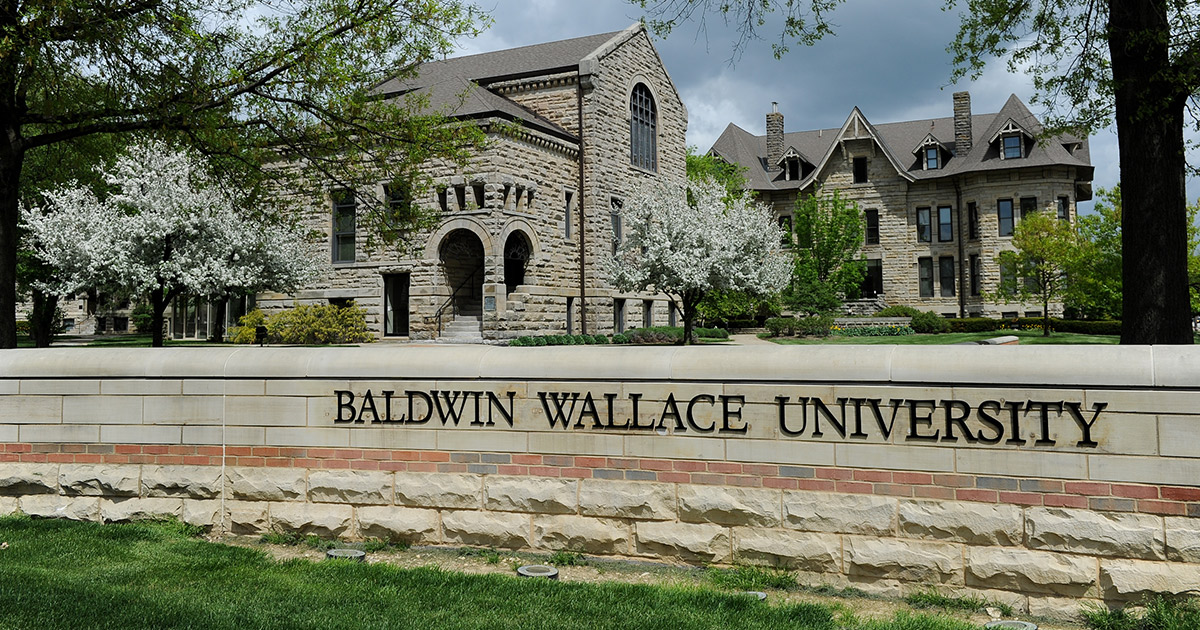
Computer Science Major
The Computer Science major at Baldwin Wallace University is a rigorous program designed for students interested in the strategic thinking and creative problem-solving central to technology. It integrates theoretical computer science and mathematics with practical application in areas like software development, database systems, and systems design. This program ensures students develop a strong foundation to navigate current technologies and adapt to future innovations. Students engage in hands-on projects that explore abstraction, complexity, and evolutionary change in computing. An optional senior research project provides an opportunity to delve into cutting-edge techniques. The program also offers a combined BS/MBA option for students aspiring to leadership roles in computer and information systems management.

Computer Science Minor
The Computer Science Minor is designed for students pursuing a degree in another field who wish to gain a stronger understanding of computational ideas and their implementation. This minor provides foundational knowledge essential for computer scientists and introduces students to key subfields within the discipline. It streamlines the requirements of the major by reducing the number of breadth courses and omitting technical electives and project work. Both McCormick and Weinberg students can complete this minor, though specific math course requirements may vary to align with each school's curriculum.

Computer Science PhD
The UCLA Computer Science PhD program is designed for students passionate about advancing knowledge through independent research and teaching. It prepares graduates for careers in academia and research, enabling them to become experts in their chosen field and contribute to the creation of new knowledge and engineering innovations. Admission to the PhD program is highly selective. Applicants are encouraged to review the department's FAQ page for comprehensive information regarding admissions and program details, as personalized responses to email inquiries are limited. UCLA's Computer Science department has a strong legacy, being the birthplace of the internet. The program benefits from world-class faculty with a record of significant awards and research contributions across various specializations, including Artificial Intelligence, Cryptography, and Machine Learning. Collaboration opportunities exist with the top-ranked UCLA medical school, particularly in computational medicine. The department also hosts initiatives like the Break Through Tech AI hub and the Amazon Science Hub for Humanity and Artificial Intelligence, fostering diverse AI education and industry-academia research.

Computer Science Programs at the University of Central Oklahoma
The University of Central Oklahoma's Department of Computer Science offers comprehensive programs designed to prepare students for the evolving technology industry. With a strong emphasis on foundational knowledge and practical skills, students can pursue undergraduate degrees in Computer Science, Software Engineering, Information Science, and Data Science, as well as minors and a certificate in Cybersecurity. For advanced studies, graduate programs include Master of Science degrees in Computer Science, Cybersecurity, Applied Mathematics and Computer Science, and Data Science, alongside a Professional Science Master's in Computational Science-Computer Science. The department is committed to student success, providing resources such as the Student Success Center for academic advising and career counseling. Financial support through various scholarships is available, with encouragement to explore the Scholarship Portal. UCO also fosters a vibrant campus life with numerous student organizations, including dedicated computer science clubs that host guest lectures and workshops. UCO integrates cutting-edge technology into its programs, highlighted by the 'Buddy' Supercomputer, a powerful resource for complex simulations, data analysis, and large-scale computations. Students gain hands-on experience with high-performance computing, preparing them for future careers in technology and science.
Computer Science with Business (B.S.)
The Bachelor of Science in Computer Science with Business program at Oklahoma Christian University is designed for students who aim to leverage computer science expertise within business environments. This degree equips graduates with the ability to solve complex problems for various business organizations by integrating core computer science principles with essential business knowledge. The curriculum emphasizes practical application, critical thinking, and the development of a Christian worldview in professional practice.
Computer Science with Cybersecurity (B.S.)
The Bachelor of Science in Computer Science with Cybersecurity program is designed to equip students with the essential knowledge and practical skills for a career in cybersecurity. This major focuses on protecting data and systems from cyber threats, incorporating specific cybersecurity courses and hands-on practice. Graduates will be prepared for various cybersecurity certifications and well-positioned for roles in this rapidly growing field. The program also emphasizes the application of core computer science principles and a Christian worldview in professional practice.
Computer Science with Gaming and Animation (B.S.)
The Bachelor of Science in Computer Science with Gaming and Animation is designed for students interested in pursuing a career in the video game industry or applying gaming and animation technologies to various fields. This program offers specialized courses focusing on gaming and animation, providing extensive hands-on practice. Graduates will gain a strong understanding of core computer science principles and the ability to apply them to problem-solving. They will also develop expertise in gaming and animation knowledge and skills, preparing them for the specific demands of the computer gaming industry. A key aspect of the program is the integration of a Christian worldview into the practice of computer science.
Computer Science-Applied
Computer Science-Information Science

Computer Science, BCS
The Bachelor of Science in Computer Science (BCS) program at California Baptist University focuses on teaching students not only how to code but also how to think critically about computational problems. The curriculum delves into the theoretical, mathematical, and algorithmic aspects of computation, preparing graduates for in-demand roles in the technology sector. Students gain hands-on experience in programming and design, alongside an understanding of advanced computing techniques. A unique aspect of the program is its integration of a Christian worldview, encouraging students to consider ethical implications and the potential for technology to address global challenges. The program also emphasizes the importance of cross-cultural experiences for all engineering students, which can be fulfilled through various international or service projects, study abroad, or specialized coursework.

Computer Science, BSE
The Bachelor of Science in Engineering (BSE) in Computer Science at the University of Pennsylvania equips students with the foundational knowledge and practical skills to excel in the rapidly evolving field of computing. This program prepares graduates for diverse career paths in technology, finance, healthcare, research, and more, or for further study in specialized areas. Graduates will be well-prepared for roles in computer and network services, consulting, financial institutions, and various industries that rely heavily on information manipulation and technological innovation.
Computer Science, Cyber Security and Privacy
CS 10: The Beauty and Joy of Computing
CS 10, also offered as COMPSCI 10, is an introductory computer science course designed for students with little to no prior programming experience. It aims to prepare students for advanced computer science studies and equip them with programming skills to solve problems across various disciplines. The course provides a broad overview of computer science, including its history, fundamental principles, and impactful applications. You will explore core concepts such as abstraction, recursion, algorithmic complexity, higher-order functions, and concurrency. The curriculum also delves into the social implications of computing, covering topics like privacy, education, and algorithmic bias, as well as engaging research areas like data science, artificial intelligence (AI), and human-computer interaction (HCI). Practical application is a key component of CS 10. Students will gain hands-on programming experience using both Snap! (a graphical programming language) and Python. A significant part of the course involves designing and implementing two self-selected projects, allowing you to apply learned concepts to your own interests.

Doctor of Philosophy in Computer Science and Engineering
The Doctor of Philosophy (Ph.D.) program in Computer Science and Engineering offers advanced study and research opportunities in various areas of computing. This program is designed for students who wish to pursue in-depth research and contribute to the field. The focus of the program is on developing novel solutions to complex problems, with research areas including power management, information retrieval, mobile agents, mobile computing, and security. The program aims to equip students with the skills necessary to conduct independent research and make significant contributions to computer science and engineering.
Doctoral Programs in Computer Science and Computer Engineering (PhD)
The Computer Science and Engineering (CSE) department at UC San Diego offers Doctor of Philosophy (PhD) degrees in Computer Science and Computer Engineering. These research-oriented programs prepare students for careers in research, industry, or entrepreneurship. The curriculum explores both the fundamental aspects and applications of computation across theory, software, hardware, and various application domains. Students are required to complete 37 units of coursework, including breadth and elective requirements, designed to provide exposure to fundamental concepts, advanced topics outside their primary area, and in-depth knowledge within their research specialization. Coursework must generally be taken for a letter grade, with the exception of the Faculty Research Seminar.
Fifth-Year Master's Programs in Computer Science and Data Science
Rice University offers three distinct fifth-year Master's programs for current undergraduate Computer Science majors or students from related majors. These programs allow students to pursue a Master's degree in either Computer Science (MCS), Data Science (MDS), or a research-focused Master of Science (MS). The MCS and MDS programs are designed for students interested in industry careers, providing advanced knowledge and skills. The MS program is tailored for students aiming for research opportunities and graduate-level investigation.

Final Projects
This program page details the final projects from the Autumn offering of CS224N/Ling284, a course focused on Natural Language Processing and its intersection with Linguistics. The projects showcase student work in areas such as recurrent neural networks, sentiment analysis, machine comprehension, and language classification. These projects represent advanced applications of computational techniques to understand and process human language.
Game Development BS
Purdue University's Game Development major offers a hands-on educational experience designed to prepare students for careers in the game development industry. The program combines technology, practical skills, and industry insights. Students will learn to use advanced software tools to master 3D modeling, imaging, programming, and game development. Through practical projects and portfolio building, students will develop both technical expertise and artistic vision for success in digital and interactive media. This program aims to equip graduates with the necessary skills for diverse roles in game design, programming, and more.

Hallmark University Programs
Hallmark University offers a variety of degree programs designed for student success, with a focus on career-oriented education. The university partners with industry leaders like Microsoft and Cisco to ensure its curriculum aligns with current job market needs. Programs are available in areas such as Cybersecurity, Information Systems, Networking, Aeronautics, Business, and Nursing. Hallmark University aims to provide an affordable education that can be completed at a faster pace than traditional institutions. The university also emphasizes character development alongside academic achievement.
Health Informatics Sc.M. - Brown University
Brown University offers a two-year, on-campus Master of Science (Sc.M.) in Health Informatics. This program is designed to equip students with the skills to utilize data science and technology to enhance healthcare delivery. It merges disciplines such as data science, technology, and healthcare, focusing on improving diagnostic accuracy, developing personalized treatment plans, and coordinating patient care. The curriculum emphasizes seven core competency areas: health and healthcare, data science, social and behavioral science, health information technology and digital health, professionalism, leadership, and team science. The program benefits from a diverse cohort of students from various industries and career levels, fostering a collaborative learning environment where insights are shared among peers. Students will have the opportunity to engage in practical health informatics projects with faculty and affiliated healthcare partners. Graduates are prepared for roles such as health informaticians, data analysts, data scientists, healthcare IT specialists, and consultants, aiming to advance healthcare quality, efficiency, and patient outcomes. Brown undergraduates have an option to apply for a fifth-year master's program.
Heinz College Master of Arts Management (MAM), MS in Information Security Policy & Management (MSISPM), and MS in Health Care Analytics & Information Technology (MSHCA)
Carnegie Mellon University's Heinz College offers three distinct Master's programs designed for students seeking leadership roles in their respective fields: Master of Arts Management (MAM), Master of Science in Information Security Policy & Management (MSISPM), and Master of Science in Health Care Analytics & Information Technology (MSHCA). These programs are structured to equip students with specialized knowledge and practical skills, preparing them for dynamic careers. The curriculum emphasizes a blend of theoretical understanding and hands-on application, fostering critical thinking and problem-solving abilities relevant to the arts, information security, and healthcare sectors. All programs are full-time and delivered on-campus in Pittsburgh, PA.
Information Technology
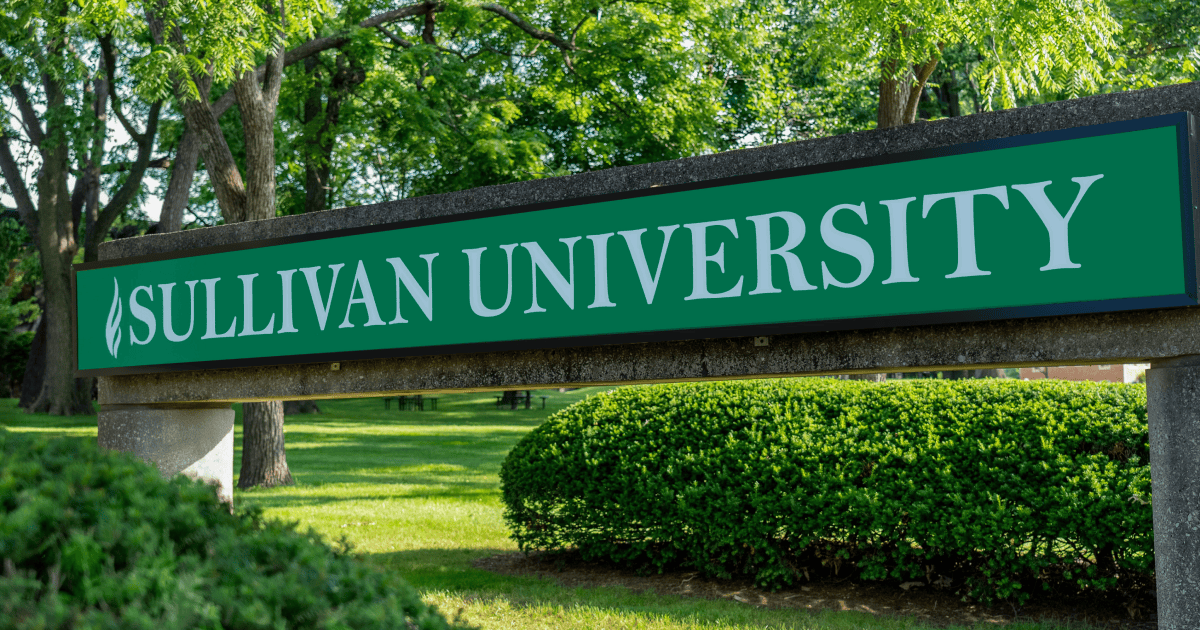
The Sullivan University Information Technology program is designed for individuals who are curious about how technology works and are motivated to improve it. Through hands-on experience and practical applications, you will gain a deep understanding of technology's inner workings. The learning approach emphasizes active participation, with opportunities to test your knowledge in an online environment supplemented by virtual resources. Regardless of your chosen specialization, the program offers a clear path to achieving your career goals, supported by experienced faculty dedicated to your academic success.
Information Technology Management Certificate
Frequently asked questions
How much does it cost to study Computer Science & IT in the United States?
+
Tuition ranges from free (mainly in PhD programmes with full funding) to around €98k per year; most bachelor's and master's programmes for international students sit between €15k and €50k annually.
Which US universities offer Computer Science & IT programmes?
+
This hub lists 64 universities including Stanford University, Northwestern University, Indiana University Bloomington, the University of Pittsburgh, Oklahoma Christian University, and National Park College.
Can international students apply for Computer Science & IT programmes in the US?
+
Yes; US universities are highly experienced with international applications, and many computing master's and PhD programmes have large international cohorts.
What entry requirements are needed for US Computer Science & IT programmes?
+
Bachelor's applicants need a strong secondary-school transcript with advanced maths; master's and PhD applicants typically need a relevant undergraduate degree, GRE scores (sometimes waived), and letters of recommendation.
How do I apply to a Computer Science & IT programme in the US?
+
Undergraduates use the Common App or institutional portals; graduate students apply directly to each department, usually submitting transcripts, a statement of purpose, and test scores.