Master's in Computer Science & IT in United States
The United States offers 52 Master's programmes in Computer Science & IT across 32 universities, encompassing specialisations in artificial intelligence, software engineering, cybersecurity, computer vision, and distributed systems. Stanford University, Northwestern University, and Rice University represent elite research-intensive options that attract top talent from around the world, while the University of Pittsburgh and National Park College provide more accessible entry points into postgraduate computing education.
Tuition for these programmes ranges from approximately €17,000 to €70,000 per year, reflecting the breadth of institutions from public community and regional colleges to globally ranked private research universities. Mississippi Valley State University offers an affordable pathway into graduate computing, and many programmes — particularly at research universities — provide funding through research and teaching assistantships for qualified applicants.

Accelerated Master's Programs at the Information Networking Institute (INI)
Carnegie Mellon University's Information Networking Institute (INI) offers a unique opportunity for highly qualified current CMU undergraduate students to accelerate their graduate studies. Through these accelerated programs, you can earn a Master of Science (M.S.) degree in as little as two semesters (one academic year) after completing your bachelor's degree. This pathway allows for a seamless transition from undergraduate to postgraduate work within INI's specialized, interdisciplinary curriculum. The INI's master's programs are designed to provide deep technical knowledge and foster interdisciplinary learning. You will have the flexibility to draw upon coursework and research opportunities from across the university, including the College of Engineering, School of Computer Science, Tepper School of Business, and Heinz College, allowing you to tailor your education to your specific interests. This program is ideal for CMU undergraduates looking to gain advanced expertise in areas such as information networking, security, mobile and IoT engineering, or AI engineering with a focus on security. The INI provides a supportive learning environment with dedicated advising and career services to help you achieve your academic and professional goals.

Advanced Topics in Computer Science: Machine Learning for Structural Biology
This seminar course explores the cutting-edge intersection of machine learning and structural biology, focusing on recent advancements that have revolutionized the study of protein and biomolecule structures. You will delve into how ML algorithms are applied to critical tasks such as protein structure prediction, determination, and computational protein design. The course emphasizes a holistic understanding of research papers, considering their historical context, algorithmic contributions, and their potential to drive scientific and drug discovery. The program is offered in the Fall term only and encourages applications from diverse academic backgrounds.

Computer Science

Computer Science
The Master of Science (MS) in Computer Science program at Stony Brook University offers advanced study and research opportunities for students seeking to deepen their expertise in the field. This program is designed to prepare students for careers in the technology industry, further academic pursuits, or specialized research roles. The curriculum covers a broad range of computer science topics, including theoretical foundations, systems, and applications. Students have the flexibility to tailor their course of study to their specific interests within computer science, with options for a thesis or non-thesis track. The faculty are actively involved in cutting-edge research, providing students with exposure to the latest advancements and methodologies.
Computer Science (General)

Computer Science at Dartmouth College
Dartmouth's Computer Science department cultivates a dynamic and collaborative environment focused on both educational excellence and pioneering research in computing and information technologies. The department encourages an open exchange of ideas within a culture of mutual respect, valuing diversity in backgrounds, experiences, and perspectives to enhance academic achievement.

Computer Science Programs at the University of Central Oklahoma
The University of Central Oklahoma's Department of Computer Science offers comprehensive programs designed to prepare students for the evolving technology industry. With a strong emphasis on foundational knowledge and practical skills, students can pursue undergraduate degrees in Computer Science, Software Engineering, Information Science, and Data Science, as well as minors and a certificate in Cybersecurity. For advanced studies, graduate programs include Master of Science degrees in Computer Science, Cybersecurity, Applied Mathematics and Computer Science, and Data Science, alongside a Professional Science Master's in Computational Science-Computer Science. The department is committed to student success, providing resources such as the Student Success Center for academic advising and career counseling. Financial support through various scholarships is available, with encouragement to explore the Scholarship Portal. UCO also fosters a vibrant campus life with numerous student organizations, including dedicated computer science clubs that host guest lectures and workshops. UCO integrates cutting-edge technology into its programs, highlighted by the 'Buddy' Supercomputer, a powerful resource for complex simulations, data analysis, and large-scale computations. Students gain hands-on experience with high-performance computing, preparing them for future careers in technology and science.
Computer Science, Cyber Security and Privacy

Fifth-Year Master's Programs in Computer Science and Data Science
Rice University offers three distinct fifth-year Master's programs for current undergraduate Computer Science majors or students from related majors. These programs allow students to pursue a Master's degree in either Computer Science (MCS), Data Science (MDS), or a research-focused Master of Science (MS). The MCS and MDS programs are designed for students interested in industry careers, providing advanced knowledge and skills. The MS program is tailored for students aiming for research opportunities and graduate-level investigation.

Final Projects
This program page details the final projects from the Autumn offering of CS224N/Ling284, a course focused on Natural Language Processing and its intersection with Linguistics. The projects showcase student work in areas such as recurrent neural networks, sentiment analysis, machine comprehension, and language classification. These projects represent advanced applications of computational techniques to understand and process human language.

Health Informatics Sc.M. - Brown University
Brown University offers a two-year, on-campus Master of Science (Sc.M.) in Health Informatics. This program is designed to equip students with the skills to utilize data science and technology to enhance healthcare delivery. It merges disciplines such as data science, technology, and healthcare, focusing on improving diagnostic accuracy, developing personalized treatment plans, and coordinating patient care. The curriculum emphasizes seven core competency areas: health and healthcare, data science, social and behavioral science, health information technology and digital health, professionalism, leadership, and team science. The program benefits from a diverse cohort of students from various industries and career levels, fostering a collaborative learning environment where insights are shared among peers. Students will have the opportunity to engage in practical health informatics projects with faculty and affiliated healthcare partners. Graduates are prepared for roles such as health informaticians, data analysts, data scientists, healthcare IT specialists, and consultants, aiming to advance healthcare quality, efficiency, and patient outcomes. Brown undergraduates have an option to apply for a fifth-year master's program.
Heinz College Master of Arts Management (MAM), MS in Information Security Policy & Management (MSISPM), and MS in Health Care Analytics & Information Technology (MSHCA)
Carnegie Mellon University's Heinz College offers three distinct Master's programs designed for students seeking leadership roles in their respective fields: Master of Arts Management (MAM), Master of Science in Information Security Policy & Management (MSISPM), and Master of Science in Health Care Analytics & Information Technology (MSHCA). These programs are structured to equip students with specialized knowledge and practical skills, preparing them for dynamic careers. The curriculum emphasizes a blend of theoretical understanding and hands-on application, fostering critical thinking and problem-solving abilities relevant to the arts, information security, and healthcare sectors. All programs are full-time and delivered on-campus in Pittsburgh, PA.

Information Technology Management, MS (Online)
California Baptist University's online Master of Science in Information Technology Management (MSITM) program is designed for professionals holding a bachelor's degree in technology-related fields such as computer information technology, cybersecurity, or network administration. This fully online program equips students with the essential competencies and skill sets required to thrive in the dynamic and competitive information technology landscape. The curriculum focuses on developing advanced IT strategies, business management techniques, and key leadership skills sought after by employers for management-level positions.
Internet Systems (CS 244b)
This course delves into the fundamental concepts and general principles that underpin the Internet's networks. You will explore the structure and components of computer networks, understand packet switching, and learn about layer architectures, as well as various applications. The program provides the experience and tools necessary for using and developing protocols, and includes an exploration of network security issues.
M.S. in Computer Science
Carnegie Mellon University's Master of Science (M.S.) in Computer Science offers advanced study for individuals holding a bachelor's degree. The program is designed for students with strong analytical, mathematical, programming, and logical reasoning skills. While a computer science background is beneficial, it is not strictly required; a technical undergraduate degree provides a solid foundation for success in this program. Students work with an academic advisor to tailor their course of study to their specific interests and career goals. This program is one of several master's options available within the School of Computer Science. Carnegie Mellon also offers a Fifth Year Master's program for current undergraduates and an Accelerated MBA program in conjunction with the Tepper School of Business. Prospective students are encouraged to explore all available master's programs to find the best fit for their academic and professional aspirations.
Master of Computer Science (MCS)
The Master of Computer Science (MCS) is a non-thesis degree designed for students seeking to advance their careers in the computer industry. This program offers a strong foundation in advanced computer science concepts and practical skills for designing and implementing complex software systems. It emphasizes effective communication and teamwork, preparing graduates for technical roles in various computing fields. The MCS program allows students to specialize in areas such as Artificial Intelligence, Bioinformatics/Computational Biology, Data Science and Machine Learning, Management and Leadership, or Systems and Security. The curriculum requires a minimum of 30 credit hours of graduate-level study, with at least 24 credit hours taken at Rice University in traditional coursework. A significant component of the program is a 3-6 month internship, providing valuable real-world experience. Students in the MCS program are expected to cover their full tuition and fees, as no financial aid is available from the university or department. The degree is typically completed in three semesters, offering a focused and intensive educational experience for aspiring computer science professionals.

Master of Computer Science (MCS) in Urbana-Champaign
The Master of Computer Science (MCS) program at the University of Illinois Urbana-Champaign's Siebel School of Computing and Data Science is a coursework-only degree designed for immediate career impact. This highly competitive program offers 32 credit hours of study and can be completed in as little as three semesters. Students benefit from the resources of the top-ranked Grainger College of Engineering and have access to a broad selection of courses taught by world-class faculty. The Urbana-Champaign campus provides a vibrant student experience with numerous activities, extensive library resources, and a recreation center. The twin cities of Champaign and Urbana offer an affordable and accessible environment with robust public transportation and a bike-friendly infrastructure, featuring a diverse food scene, arts, entertainment, and outdoor recreation. Major cities like Chicago, Indianapolis, and St. Louis are within driving distance, and campus is well-connected for national travel.
Master of Computer Science in Chicago
The Master of Computer Science (MCS) in Chicago is a coursework-only professional degree offered by the Siebel School of Computing and Data Science. This program is designed for students seeking to advance their careers in the technology sector within a dynamic urban environment. The MCS in Chicago provides students with in-demand skills through a curriculum taught by world-class faculty. The program emphasizes corporate engagement, offering opportunities for networking, industry presentations, and entrepreneurship events.
Master of Computer Science in Computer Science
The Master of Computer Science (MCS) program at the University of Illinois Urbana-Champaign offers a professionally oriented, coursework-based degree. It is available both on campus and fully online, allowing students to gain expertise from a leading institution in information technology. The online option provides flexibility with two tracks: a comprehensive MCS or a specialized data science track. Both online and on-campus students benefit from instruction by world-renowned faculty. The on-campus program is designed for completion in as little as one year, while online and Chicago-based students have up to five years to finish their studies. An optional graduate concentration in Computational Science & Engineering is also available for those seeking to specialize in this interdisciplinary field.

Master of Engineering in Computational Mechanics & Scientific Computing
Duke's Master of Engineering in Computational Mechanics and Scientific Computing is designed for individuals interested in developing model-based simulations. The program provides a strong foundation in engineering physics, computer science, probability, data sciences, and applied mathematics, preparing graduates for careers in virtual system design and testing. While an engineering degree is beneficial, it is not strictly required; applicants with backgrounds in physics, computer science, or mathematics who are interested in computer modeling are also encouraged to apply.
Master of Human-Computer Interaction (MHCI)
The Master of Human-Computer Interaction (MHCI) program is the world's first and most influential professional degree focused on preparing individuals for careers in user experience (UX) design, user-centered research, and the broader field of human-computer interaction. This interdisciplinary program integrates design thinking and service learning into a robust curriculum. Each cohort comprises a diverse group of students with varied backgrounds in design, social sciences, business, and computer science, fostering a rich collaborative environment. The program is led by faculty who are pioneers in the HCI field, bringing expertise from computer science, cognitive psychology, behavioral science, design, and industry. The MHCI program is designed as a three-semester, full-calendar-year experience, running from August to August. It aims to equip students with the methodologies and techniques to design and guide the future of human-technology interactions. A key component is the seven-month Capstone course, where students collaborate in teams with external industry clients on a research and design project. This practical experience is highly valued by alumni, often cited as a pivotal part of their academic journey.
Master of Human-Computer Interaction and Human Factors (MHCIHF) Degree
The Master of Human-Computer Interaction and Human Factors (MHCIHF) is a non-thesis master's degree designed to equip students with advanced skills in understanding and designing interactions between people and technology. This program focuses on the principles of human-computer interaction (HCI) and human factors (HF) to create effective, safe, and user-friendly systems. Graduates will be prepared to critically assess research, apply professional skills in real-world settings through internships, and communicate their findings effectively.

Master of Professional Science in Biomedical and Health Informatics
The Master of Professional Science (M.P.S.) in Biomedical and Health Informatics is an interdisciplinary program designed to equip students with advanced knowledge and skills in managing health information systems, developing and evaluating health IT, and analyzing health data. This 35-credit, non-thesis program is offered in both online and on-campus formats. It leverages faculty expertise from various top-ranked academic units across UNC, including information and computer science, public health, biostatistics, medicine, nursing, dentistry, data science, and pharmacy, fostering a rich, collaborative learning environment.
Master of Science in Applied Mathematics and Computer Science
The Master of Science in Applied Mathematics and Computer Science program at the University of Central Oklahoma is designed to equip students with advanced skills in both mathematics and computer science. This program prepares graduates for professional roles that require a strong analytical and computational background. It focuses on applying mathematical principles to solve complex problems in computer science and related fields, making graduates highly sought-after professionals.

Master of Science in Bioinformatics
The Master of Science in Bioinformatics program at Mississippi Valley State University provides a professional education designed to equip you as a leader and innovator in the field. This curriculum integrates biology, computer science, and information technology, combining theoretical knowledge with practical, real-world experience. Graduates will acquire the essential skills needed to excel in the rapidly evolving discipline of bioinformatics and contribute to transformative advancements.

Master of Science in Computer Science
The Master of Science in Computer Science program at Athens State University is designed to equip graduates with advanced knowledge and skills for competitive roles in software development and information technology operations. You will develop the ability to communicate complex computer science concepts, apply computing knowledge to solve specific problems, and synthesize scholarly literature. The program also focuses on practical skills using modern software development tools and platforms. Students can choose between a Capstone (non-thesis) or Thesis option, allowing for tailored academic paths. Furthermore, the program offers specializations in Software & Systems, Data & Visualization, and Artificial Intelligence, enabling you to customize your studies to align with your career aspirations or prepare for further doctoral-level research. This flexibility ensures a comprehensive and relevant educational experience.
Master of Science in Computer Science
The Master of Science (MS) in Computer Science program at Duke University provides advanced education and research opportunities in various specialized areas of computer science. The program is designed to deepen students' understanding of core computer science principles while allowing them to focus on specific research interests. Graduates are prepared for careers in industry, research, or further academic study.
Master of Science in Computer Science
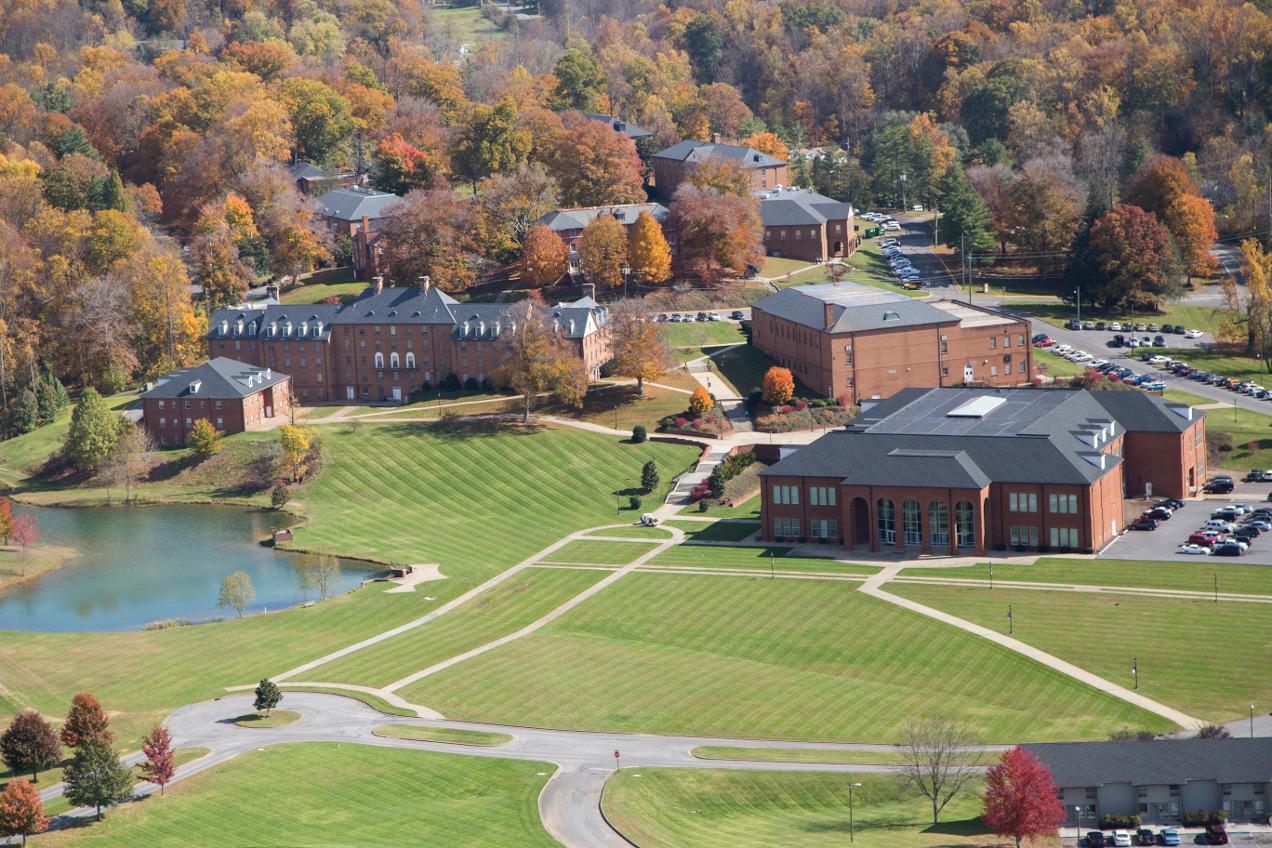
The Master of Science (MS) in Computer Science program at Monroe University's King Graduate School is designed to build upon your existing bachelor's degree knowledge in computer science or a related field. It offers an immersive exploration of theoretical, practical, and analytical concepts essential for advancing your career. The program focuses on key areas such as cybersecurity, cloud computing, and artificial intelligence, equipping you with the skills and credentials needed for further professional growth. Whether you are a recent graduate or a working professional, this program provides the advanced knowledge to tackle complex challenges in the ever-evolving field of computer science.

Master of Science in Computer Science
Northwestern Engineering's Department of Computer Science offers a Master of Science (MS) degree, providing students with a strong foundation in the field. The department is known for its internationally recognized faculty, state-of-the-art research facilities, and a learning environment that encourages interdisciplinary collaboration. Students engage in solving complex computer science problems and exploring new research areas. The program is designed to foster scholar-technologists capable of cutting-edge research and development. The curriculum emphasizes the broad research interests of the faculty, offering students exposure to interdisciplinary studies on a significant scale. This approach ensures graduates are well-prepared for advanced research and development roles. The program also offers opportunities for professional development, including teaching, attending workshops and conferences, and access to comprehensive career services through Engineering Career Development and Northwestern Career Advancement.

Master of Science in Computer Science
The Master of Science (M.S.) in Computer Science program at UC Davis is designed to equip students with advanced research skills and critical insights necessary to tackle complex technological challenges. The program offers two distinct plans: Plan I, which culminates in a thesis, and Plan II, which can be completed through a project or an exam. Students work closely with faculty advisors to determine the best plan for their individual goals. The curriculum includes core area courses in Theory, Software, and Systems, elective courses, and research units, ensuring a comprehensive and specialized education.

Master of Science in Computer Science
Washington State University's School of Electrical Engineering and Computer Science offers a Master of Science in Computer Science, providing advanced education for careers in the field. The program is housed within a school consistently ranked among the top 100 electrical and computer engineering graduate programs nationally by U.S. News and World Report. Students benefit from a dedicated faculty and significant research expenditures, preparing them for diverse professional paths. The program is designed to equip students with the knowledge and skills necessary for advanced roles in research and industry. With faculty involvement in cutting-edge research, students have opportunities to engage with current advancements in computer science.

Master of Science in Computer Science
Purdue University offers a Master of Science (MS) program in Computer Science designed to advance your knowledge and skills in this rapidly evolving field. The program is overseen by the central Graduate School Administration, and admission recommendations from the CS admissions committee are rarely rejected, provided all documentation is in order. Applications are reviewed for both Fall and Spring admissions. For Fall 2024, the department received over 3900 applications for PhD and MS programs combined, admitting approximately 290 students. The university emphasizes careful adherence to instructions regarding transcripts, degree verification, translations, and English proficiency proof. For students admitted to the PhD program, financial support in the form of fellowships, teaching assistantships, and research assistantships is automatically considered. While admission without financial support is possible, international applicants can typically use offered assistantships as proof of financial support for visa application purposes.
Master of Science in Computer Science
Brown University offers a two-year, on-campus Master of Science (Sc.M.) in Computer Science. This program is designed to enhance your professional expertise or prepare you for further graduate study. You will engage with cutting-edge fields such as AI, robotics, machine learning, visual computing, and software systems, taught by renowned professors. The curriculum is highly customizable, allowing you to tailor your studies to your specific ambitions. You can choose a coursework-only path or a research project option. The program can also be completed as part of a professional track, which includes a two to six-month internship. Students benefit from access to leading-edge computing technology, shared department office spaces with desktop computers, and research labs. Brown undergraduates have the option to apply for a fifth-year master's degree.

Master of Science in Computer Science - Plan II: Comprehensive Exam, Standard Option
The Master of Science (M.S.) program in Computer Science or Computer Engineering at UC San Diego offers a Plan II option focused on a comprehensive examination. This program requires the completion of 40 units of coursework. Students will engage in a rigorous curriculum designed to deepen their expertise in specialized areas of computer science and engineering, culminating in a comprehensive exam to demonstrate mastery of the subject matter.

Master of Science in Information Technology (MSIT) Online Degree
The Master of Science in Information Technology (MSIT) program is designed to provide students with advanced expertise in the dynamic field of IT. It combines essential IT knowledge with business principles, preparing graduates for career advancement or to launch their own tech ventures. The curriculum is developed by leading academics and focuses on practical application, enabling students to identify business challenges and implement effective, computer-based solutions while enhancing their leadership skills. This online program is particularly suited for working professionals seeking to elevate their careers in technology.
Master's and Doctoral Programs in Computer Science and Engineering
The Computer Science and Engineering (CSE) department at the University of Michigan offers Master of Science (MS) and Master of Science in Engineering (MSE) degrees, as well as Doctor of Philosophy (PhD) programs. These graduate programs are administered through the Horace H. Rackham School of Graduate Studies. The application process is entirely online and managed through the Rackham Graduate School. Students are admitted for the Fall term, with specific deadlines for PhD and Master's applications. The program emphasizes research and academic rigor, preparing students for advanced roles in academia or industry. While the focus is on doctoral and master's programs, the university also offers various specialized graduate certificates and other academic programs within the broader field of engineering and public health.
Master's in Biomedical & Health Informatics
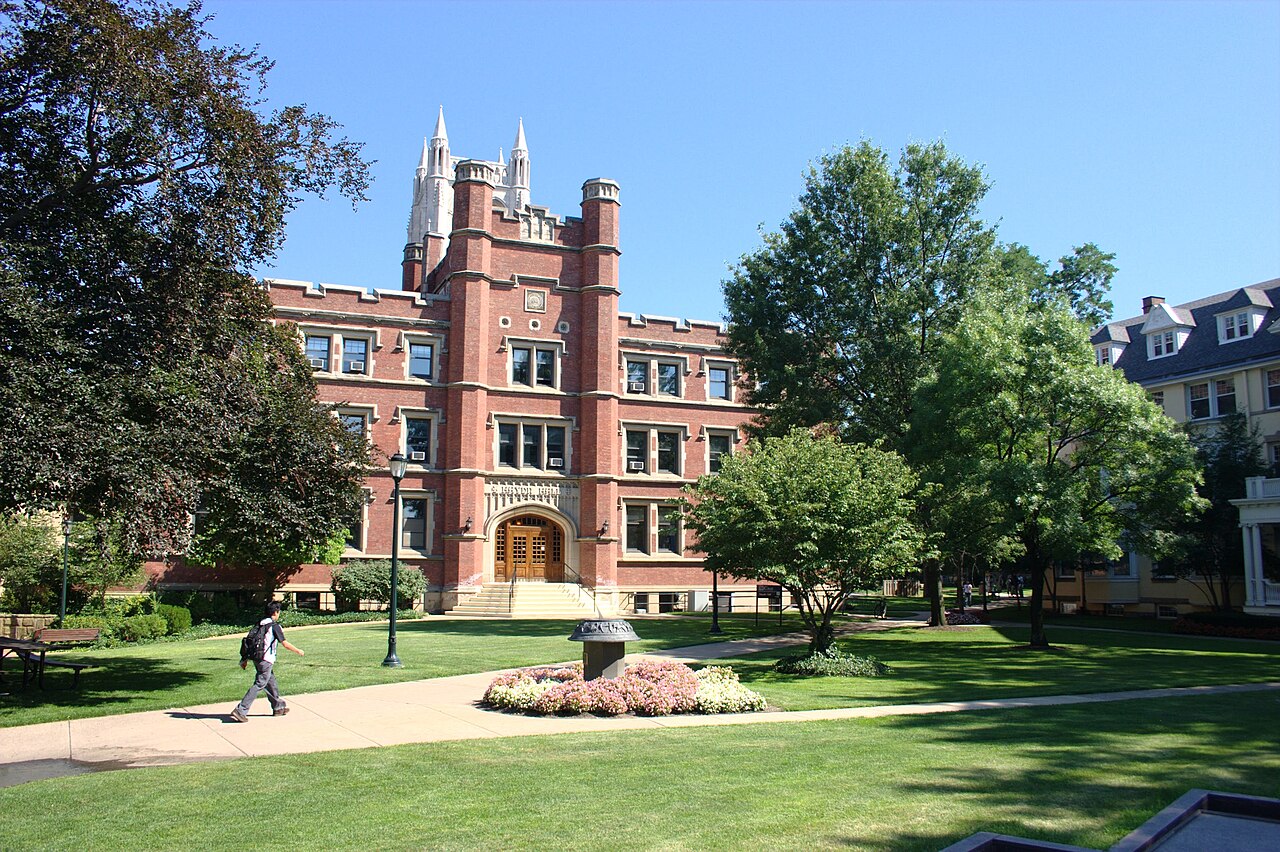
The Master's in Biomedical & Health Informatics program at Case Western Reserve University prepares students to address the growing need for professionals who can manage, integrate, analyze, and interpret large, complex, and varied data sets in healthcare and biomedical research. This program equips graduates with the skills to make informed recommendations that accelerate research, improve clinical care, and shape public health policy. You will learn to work with data from diverse sources such as electronic health records, clinical trials, and cohort studies, and develop the professional skills necessary for leading cross-disciplinary teams.

MS in Biomedical Informatics
The MS in Biomedical Informatics program at NYU Langone Health provides a comprehensive foundation in the field. The curriculum includes coursework, practical skills labs, and opportunities for hands-on application of knowledge. The program is designed for full-time study and can typically be completed within 12 months, with an option for part-time enrollment upon request. Successful candidates often have undergraduate degrees in computational, quantitative, or basic sciences, though a programming background is not a prerequisite as computational and quantitative methods are taught within the program. The program welcomes a diverse range of applicants from fields such as medicine, engineering, biology, and business.
MS in Computer Science
The Master of Science (MS) in Computer Science program at NYU Tandon offers a flexible curriculum allowing students to tailor their degree to specific professional goals and interests. The program provides a strong foundation in computer science fundamentals through core courses and a wide array of electives. Students can specialize in areas such as cybersecurity, data science, machine learning, AI, graphics, game engineering, and more. This adaptability prepares graduates for diverse and in-demand roles in the tech industry, from software engineering to big data analysis and AI research.

MS in Computer Science with Specialization in Cyber Security
Boston University's Master of Science (MS) in Computer Science with a specialization in Cyber Security is designed for students seeking advanced technical expertise in protecting computer systems. This program addresses the growing demand for professionals skilled in cyber security, covering both technical aspects of secure software and systems, and broader societal implications like privacy and legal frameworks. The specialization builds upon a strong foundation in computer science, preparing graduates for roles that require a deep understanding of safeguarding digital information and infrastructure. The curriculum is an eight-course program, with 32 credit units. Students will gain mastery in areas such as cryptographic methods, data security, fault-tolerant computing, network security, privacy, anonymity, software safety, and system security. While the program is ideal for those with an undergraduate degree in computer science, it also welcomes applicants with equivalent training, experience, or those with a strong academic record and some gaps in their CS background. Graduates will possess comprehensive knowledge across computer science theory, software, systems, and applications, with specific expertise in cyber security principles and practices.
MSc Computer Science
Online Computer Science Degrees
University of the People offers online Associate's, Bachelor's, and Master's degrees in Computer Science and Information Technology. These programs are designed with a strong academic foundation to equip students with practical skills and prepare them for employment in the tech industry. The university emphasizes a hands-on approach and offers mentoring programs to support student success.
Professional Science Master in Computational Science - Computer Science
The University of Central Oklahoma offers a Professional Science Master's (PSM) program in Computational Science with a specialization in Computer Science. This graduate program is designed to provide students with advanced technical knowledge in computer science while also developing essential professional skills. The curriculum emphasizes a blend of rigorous STEM coursework and practical application, preparing graduates for leadership roles in science and technology industries.
Frequently asked questions
How much does a Master's in Computer Science & IT cost in the United States?
+
Tuition ranges from roughly €17,000 to €70,000 per year. Public institutions like National Park College are at the lower end, while Stanford University, Northwestern University, and Rice University are at the higher end.
Which universities offer a Master's in Computer Science & IT in the United States?
+
32 universities offer these programmes, including Stanford University, Northwestern University, Rice University, the University of Pittsburgh, National Park College, and Mississippi Valley State University.
Can international students apply for a Computer Science Master's in the United States?
+
Yes, US computing master's programmes draw heavily from an international pool; requirements typically include an undergraduate degree in computer science or a related field, GRE scores at some schools, and English proficiency.
What are the entry requirements for a Computer Science Master's in the United States?
+
Most programmes require a relevant undergraduate degree, a strong GPA, English language proficiency for non-native speakers, letters of recommendation, and a statement of purpose. Some top programmes also require GRE scores.
How do I apply for a Master's in Computer Science in the United States?
+
Apply directly through each university's graduate admissions portal. Prepare transcripts, recommendation letters, a statement of purpose, English test scores, and any required GRE results, and aim to apply before the programme's priority deadline.