Bachelor's in Cybersecurity in United States
The United States offers 17 Bachelor's programmes in Cybersecurity across 12 universities, reflecting the country's growing demand for skilled information-security professionals. Notable institutions in this category include Purdue University Northwest, Maryville University, ECPI University, Florida Polytechnic University, and the United States Coast Guard Academy, which provides a tuition-free option. Several programmes in this listing are available at no tuition cost, making US cybersecurity bachelor's degrees accessible beyond the typical high-fee bracket.
US cybersecurity programmes blend foundational computer science with specialised modules in network security, ethical hacking, and digital forensics. Many are accredited by the NSA and DHS as Centers of Academic Excellence, a designation valued by employers. International students should confirm visa and work-authorisation requirements with each institution.

Accelerated Cyber and Information Security Technology
This Bachelor of Science in Computer and Information Science degree completion program is designed for individuals who already hold a bachelor's degree in another field and wish to transition into cybersecurity. The program allows you to transfer existing credits, potentially enabling you to earn a specialized degree in just 12 months. It provides in-depth education in IT and cybersecurity, focusing on skills needed to safeguard and manage complex information systems. With the increasing demand for cybersecurity professionals, this program aims to equip graduates with essential knowledge in cyber threat intelligence, information systems security, and risk management.

Bachelor of Science in Computer Networks and Cybersecurity
In today's digital world, cyber threats are constantly evolving, impacting individuals and organizations globally. This Bachelor of Science program in Computer Networks and Cybersecurity equips you with the essential skills to design, manage, and secure network systems. You'll learn from industry experts about vital areas such as wireless technology, Windows networking, Cisco systems, ethical hacking, and network forensics, preparing you to meet the growing demand for skilled cybersecurity professionals.
Bachelor of Science in Cyber and Information Security Technology (Degree Completion)

Bachelor of Science in Cybersecurity
In a world increasingly reliant on technology, the demand for cybersecurity professionals is growing. Hallmark University's Bachelor of Science in Cybersecurity program prepares graduates to defend against cyber threats, secure systems, and act as a crucial line of defense for organizations and governments. Taught by experienced industry professionals, the curriculum focuses on real-world strategies and technologies used by hackers, ensuring students gain practical knowledge. This program emphasizes hands-on learning through a Security Operations Center (SOC) environment, where students engage in simulated hacking and defense scenarios. This immersive experience aims to equip graduates with the practical skills and confidence needed to excel in their careers. The university's curriculum is also shaped by academic partnerships with industry leaders like CompTIA, Cisco, and Microsoft, ensuring students are learning with current tools and methodologies.

Bachelor of Science in Cybersecurity
Purdue University Northwest's Bachelor of Science in Cybersecurity program provides you with the technical skills and knowledge to protect digital assets. You will learn about current cybersecurity concepts, technologies, and practices, with a focus on applied data science and artificial intelligence. This hands-on program is designed to prepare you for in-demand industry certification exams upon graduation. The curriculum balances general education, core technology courses, and specialized cybersecurity subjects, blending theory with practical application and research. This comprehensive approach ensures you gain a well-rounded understanding of IT, networking, databases, and project management, with a strong emphasis on security.

Bachelor of Science in Cybersecurity

Bachelor of Science in Cybersecurity
West Virginia Wesleyan College is launching a new Bachelor of Science in Cybersecurity starting in Fall 2025. This program is designed to equip students with a strong foundation in cybersecurity knowledge and practical skills, aiming to bridge the gap between academic learning and the demands of the professional world. Graduates will be prepared to contribute to organizations or pursue further education in this critical and dynamic field. The curriculum will introduce students to core cybersecurity concepts, alongside artificial intelligence and quantum computing, complementing the college's existing computer science offerings.

Bachelor of Science in Cybersecurity Engineering
The Bachelor of Science in Cybersecurity Engineering program at Florida Polytechnic University prepares students to become cybersecurity professionals capable of conceptualizing, designing, engineering, and implementing secure cyber-physical and network systems. This interdisciplinary program combines core principles of computer engineering, electrical engineering, computer science, and mathematics with a focus on cutting-edge areas like industrial control systems security, smart grid security, and hardware security. Graduates will be well-equipped for roles in government, military, and the private sector, and will possess a strong foundation for advanced graduate studies.

Concentration in Cybersecurity
This cybersecurity concentration is designed to equip students with advanced skills for the current job market, addressing the growing demand for cybersecurity expertise in businesses. It provides a focused set of four courses, totaling 12 credits, selected from a specialized list.
Cyber and Information Security Technology, Bachelor of Science
The Bachelor of Science in Information and Cybersecurity Operations program provides students with a comprehensive education in IT and cybersecurity. You will gain the skills necessary to protect and manage complex information systems, covering essential areas like operating systems, networking, and security protocols to address modern cybersecurity challenges. As cyber threats and data breaches are on the rise, securing an organization's systems and information is critical. This program explores how to identify, assess, and mitigate risks from both internal and external threats, including malware, hackers, and viruses. Designed for individuals looking to change careers or enhance existing knowledge, this accelerated program offers a deep dive into data security, network infrastructure management, and cloud security.
Cyber Security

Cyber Systems, Bachelor of Science
The Cyber Systems major provides a robust technical foundation in computing, emphasizing managerial aspects of cybersecurity. This interdisciplinary program aims to equip students with the skills needed to address the cyber challenges facing the U.S. Coast Guard and the nation. Graduates will be prepared to develop and implement advanced cyber technologies for operational missions, defend government cyber systems, protect critical infrastructure, manage information technology, and design secure software and networks.
Cybersecurity
Cybersecurity
Cybersecurity Analyst Major
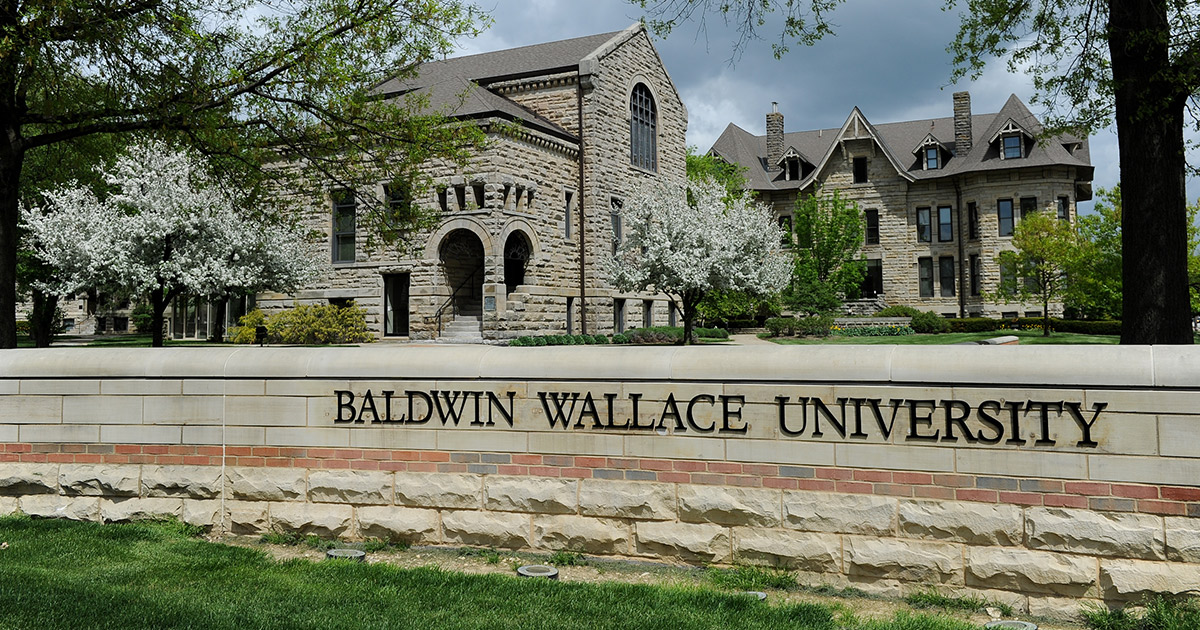
The Cybersecurity Analyst major at Baldwin Wallace University prepares students for the growing demand in digital infrastructure security. This program is designed for analytical thinkers who want to develop skills in designing, implementing, troubleshooting, securing, and administering computer networks. You will gain expertise in writing computer programs, designing and managing networks, and assessing and managing network security, which are crucial skills for today's businesses and organizations. The curriculum provides a strong foundation in current technologies and the ability to adapt to emerging trends in the field. Experiential learning is a core component of this program. Students are encouraged to participate in network security competitions and attend local security conferences. A required internship provides valuable real-world experience, professional contacts, and a deeper understanding of the career field. Baldwin Wallace University's proximity to Cleveland offers excellent internship opportunities within a 20-minute drive. For those interested in advanced studies, an optional five-year BS/MBA program is available, combining the cybersecurity major with a business administration minor and an MBA degree. This integrated program is ideal for students aspiring to management roles in computer and information systems, requiring both strong technical acumen and business understanding.

Cybersecurity and Digital Forensics, Bachelor of Science
In today's digital world, protecting critical systems and combating cybercrime is essential. Stevenson University's Bachelor of Science program in Cybersecurity and Digital Forensics equips you with the specialized skills needed to investigate and fight cybercrime. This program delves into how artificial intelligence and other cutting-edge technologies are revolutionizing threat detection and response strategies. You will gain hands-on experience with professional cybersecurity tools used to collect, analyze, and report on digital evidence from various devices, including smartphones, computers, and cloud services. The curriculum covers essential industry-standard software and investigation tools, preparing you for immediate impact in the field.

Cybersecurity, BS (Online)
Prepare to defend the digital world with Lindenwood University’s Online Bachelor of Science (BS) in Cybersecurity. This program is designed for students who want to gain technical expertise and real-world experience, enabling them to think like an attacker and respond like a defender in a rapidly growing career field. The curriculum covers key areas such as network defense, ethical hacking, and cloud security, while also exploring how AI and emerging technologies are changing threat detection, data protection, and digital forensics. You will learn to apply these innovations responsibly to strengthen cybersecurity frameworks and protect organizations from evolving risks. Through hands-on work with real tools and industry-relevant scenarios, you will build confidence and technical ability before graduation, preparing you for roles like security analyst, penetration tester, digital forensics investigator, or cloud security architect.

SANS Technology Institute - Cybersecurity Programs
SANS Technology Institute offers a range of undergraduate and graduate programs designed for individuals at all stages of their cybersecurity careers. Whether you are new to the field or an experienced professional looking to advance, SANS.edu provides hands-on training to build practical skills. Programs include certificates, a Bachelor's degree in Applied Cybersecurity, and various graduate certificates and a Master's degree, all focused on preparing students for high-demand roles in the cybersecurity industry.
Frequently asked questions
How many Bachelor's in Cybersecurity programmes are available in the United States?
+
There are 17 Bachelor's programmes in Cybersecurity across 12 US universities listed on this platform.
Which universities in the US offer a Bachelor's in Cybersecurity?
+
Institutions include Purdue University Northwest, Maryville University, ECPI University, Florida Polytechnic University, Sullivan University, and the United States Coast Guard Academy, among others.
How much does a Bachelor's in Cybersecurity cost in the United States?
+
Some programmes in this listing are tuition-free (for example the Coast Guard Academy, which involves a service commitment); fees at other institutions vary — check each listing for current figures.
Can international students apply for Cybersecurity Bachelor's programmes in the US?
+
Most civilian universities accept international applicants; service academies have strict citizenship requirements, so international students should verify eligibility before applying.
What are the typical entry requirements for a Cybersecurity Bachelor's in the US?
+
A high school diploma or equivalent is required, along with English language proficiency; strong mathematics and computer science preparation is advantageous and some schools may test these at admission.