Bachelor's in Education & Teaching in United States
The United States lists 86 Bachelor's programmes in Education & Teaching across 36 universities, preparing students for careers in K-12 teaching, early childhood education, special education, and educational leadership. Providers include the University of Texas at Austin, Washington State University, Seattle Colleges, West Virginia Wesleyan College, the University of Central Oklahoma, and Northwest Florida State College. Tuition is approximately €11,000–€11,302 per year across the listed institutions, reflecting a consistent pricing band for this degree type.
Teaching in the United States requires state-specific licensure after graduation; requirements vary but typically include student teaching practicum hours and passing state licensing examinations such as the Praxis series. International students are eligible to apply but should be aware that state teaching licensure processes can be complex for non-citizens. Many programmes include field placements and early classroom experience from the first year of study.

Anthony F. and Alice G. Agnone School of Education Programs

Art Education, BA
California Baptist University's Bachelor of Arts in Art Education program is designed to prepare students for careers as visual art teachers in K-12 educational settings. The curriculum provides a strong foundation in art with flexibility in chosen mediums and leads to a state-approved Visual Arts Single Subject Matter Credential. This program integrates artistic development with essential teaching methodologies, ensuring graduates are well-equipped for the classroom.

Bachelor of Arts in Early Childhood Studies
The Bachelor of Arts in Early Childhood Studies at California State University Channel Islands (CSUCI) is designed for students fascinated by the development and learning of young children, including dual language learners and those with special needs. This program prepares you to work effectively with children from birth to age 8 and their families in various settings such as homes, schools, and communities. CSUCI's interdisciplinary approach ensures you gain creative and innovative knowledge and skills, with a particular focus on language acquisition and literacy for dual language learners. You will develop strong foundational knowledge, critical thinking, and communication skills essential for success in the field.

Bachelor of Arts in English - Teaching Concentration
Purdue University Northwest's Bachelor of Arts in English with a Teaching Concentration is designed for students passionate about the English language and eager to share their knowledge with others. This program prepares graduates for secondary school English teaching licensure in Indiana. You will gain a strong foundation in literature and writing, combined with practical pedagogical skills and real-world experience through connections with local schools.
Bachelor of Arts in English Education
This Bachelor of Arts degree provides a strong foundation in English, focusing on writing, reading, and text analysis. The program integrates English and literature coursework with pedagogical skills, preparing you to become a certified teacher for grades 9-12 in South Carolina. You will develop your own composition abilities while learning effective teaching methods.

Bachelor of Arts in History with a Major in History Education
This program prepares you to teach history and social studies in secondary education classrooms. You will develop a broad understanding of historical content across various regions and periods, alongside essential pedagogical skills for modern teaching environments. The curriculum is designed to foster an adaptive approach to teaching, equipping graduates to navigate the evolving nature of education and society. A strong foundation in humanities, social sciences, and languages is recommended for success in this major.
Bachelor of Arts in History, Social Studies Teaching Concentration
Purdue University Northwest's Bachelor of Arts in History with a concentration in Social Studies Teaching is designed to prepare you for a career teaching history and social studies at the middle and high school levels. This program is a collaboration between the Department of History and the School of Education and Counseling, focusing on meeting Indiana Department of Education standards. You will develop a strong foundation in historical perspectives, along with expertise in two other chosen social science disciplines. The curriculum emphasizes not only content knowledge but also critical thinking, research, writing, and effective communication skills essential for educators. Faculty members are dedicated to helping you shape the lives of your future students.

Bachelor of Arts in Music Education
The Music Education program at Mississippi Valley State University offers undergraduate degrees designed to prepare students for careers as skilled and inspiring music educators. The program is part of the Fine Arts Department and is open to all students, aiming to provide cultural enrichment to the university and surrounding community. Students can specialize in instrumental, vocal, or keyboard music, as well as music composition. The curriculum combines in-depth music theory, performance, and teaching methods with practical classroom experience.
Bachelor of Arts in Social Studies
This program equips you with a strong foundation in historical knowledge and flexible teaching strategies to prepare you for secondary education classrooms. You will explore various historical periods and regions, including World, United States, European, and Asian history. The curriculum emphasizes developing your content expertise and professional teaching skills, making you well-prepared to adapt to the evolving educational landscape.
Bachelor of Arts in Special Education
The Bachelor of Arts in Special Education program at Columbia College prepares educators to effectively teach students with mild to moderate disabilities across Pre-K to grade 12 settings. This multi-categorical program focuses on developing the knowledge, skills, and professional dispositions necessary for success in various classroom environments, including general education, resource rooms, and separate settings. Graduates will be equipped to support learners with learning disabilities, mild intellectual disabilities, emotional disabilities, autism, and other conditions recognized in South Carolina, ensuring they can meet the diverse needs of their students.

Bachelor of Science Degrees at St. Johns River State College
St. Johns River State College is expanding its academic offerings by introducing three new bachelor's degree programs for the Fall 2025 semester. These programs are designed to meet the growing job market demands and provide accessible, affordable career pathways for students. The college aims to equip students with essential skills for diverse fields and career changes. With campuses in Orange Park, Palatka, and St. Augustine, SJR State serves a diverse student population and contributes to the community by offering enriched programs and services.
Bachelor of Science in Early Childhood Education
The Bachelor of Science in Early Childhood Education program at St. Johns River State College is designed to prepare you for a rewarding career as an educator for young learners. This program equips you with essential knowledge and practical skills for teaching in early childhood settings. Learning is delivered through a flexible hybrid format, combining online coursework with on-campus engagement, making it accessible for a variety of student needs. You will gain the expertise to positively impact the development and education of children in their crucial early years.
Bachelor of Science in Education, Elementary Education
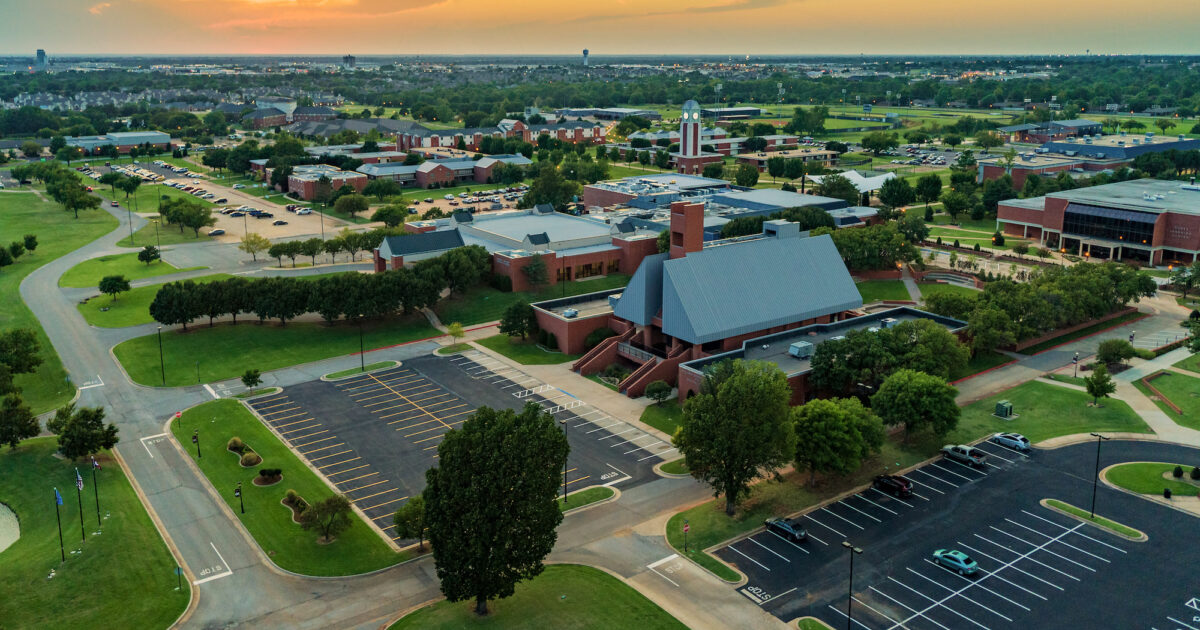
The Bachelor of Science in Education (B.S.E.) in Elementary Education program at Oklahoma Christian University is designed to equip students with the knowledge, skills, and dispositions necessary for a career in teaching. This program requires completion of 122 credit hours, including a major in elementary education, a professional education minor, and university core curriculum requirements. The curriculum focuses on developing a strong foundation in general education, subject matter expertise, and pedagogical practices essential for effective teaching at the elementary level.

Bachelor of Science in Elementary/Early Childhood Education
This Bachelor of Science program in Elementary and Early Childhood Education at Maryville University prepares students to become certified teachers for both elementary grades (1-6) and early childhood years (birth to grade 3). The curriculum focuses on a constructive approach to teaching, equipping future educators with the skills to foster learning in reading, writing, computation, critical thinking, and citizenship. The program emphasizes practical experience through numerous planned field placements and university coursework.

Bachelor of Science in Health Education with a concentration in Allied Health
Bachelor of Science in Health Education with a concentration in Community Health

Bachelor of Science in Occupational Education
The Bachelor of Science in Occupational Education (BSOE) at Troy University is designed for individuals with specialized skills to earn a bachelor’s degree. This program focuses on the design, delivery, and practice of instructional programs for adults across various professional and technical vocations, including online education, workforce development, continuing education, higher education, and military education. Graduates will be equipped to develop curricula for adult learners, understand adult learning principles, assess learner needs, and apply their specialized occupational knowledge in practical teaching situations. The program encourages the articulation of a personal adult education teaching philosophy.
Bachelor's Degree in Elementary Education, Concentration in Special Education
Purdue University Northwest's Bachelor's Degree in Elementary Education with a Special Education concentration equips you with the skills and knowledge to teach K-12 children effectively. The program focuses on foundational teaching methods, development theories, and current research, preparing you to work with diverse learners, including those with disabilities. You will gain practical experience through coursework and field placements in various school settings, aiming to foster innovative and effective educators.
Bachelor’s in Biology Education (Grades 9-12)
Maryville University offers a Bachelor of Science in Biology Education designed to prepare students to teach biology to grades 9-12. This program emphasizes understanding the unique aspects of working with adolescents and integrates extensive field experiences in local secondary schools. Students will gain a strong foundation in biological content alongside professional education coursework, preparing them for the challenges and rewards of teaching. The curriculum incorporates project-based learning and provides hands-on experience through practicums and student teaching. With a focus on diverse settings and best practices, graduates will be well-equipped to foster student learning and potential in various educational environments.

College of Education
Lander University's College of Education offers undergraduate and graduate programs designed to prepare students for fulfilling careers in education. The college focuses on improving education for all learners, providing relevant courses and experienced faculty. Undergraduate programs aim to equip graduates with the skills to lead their own classrooms, while master's programs offer opportunities for further specialization or career transitions.
Community Health Education Promotion Major
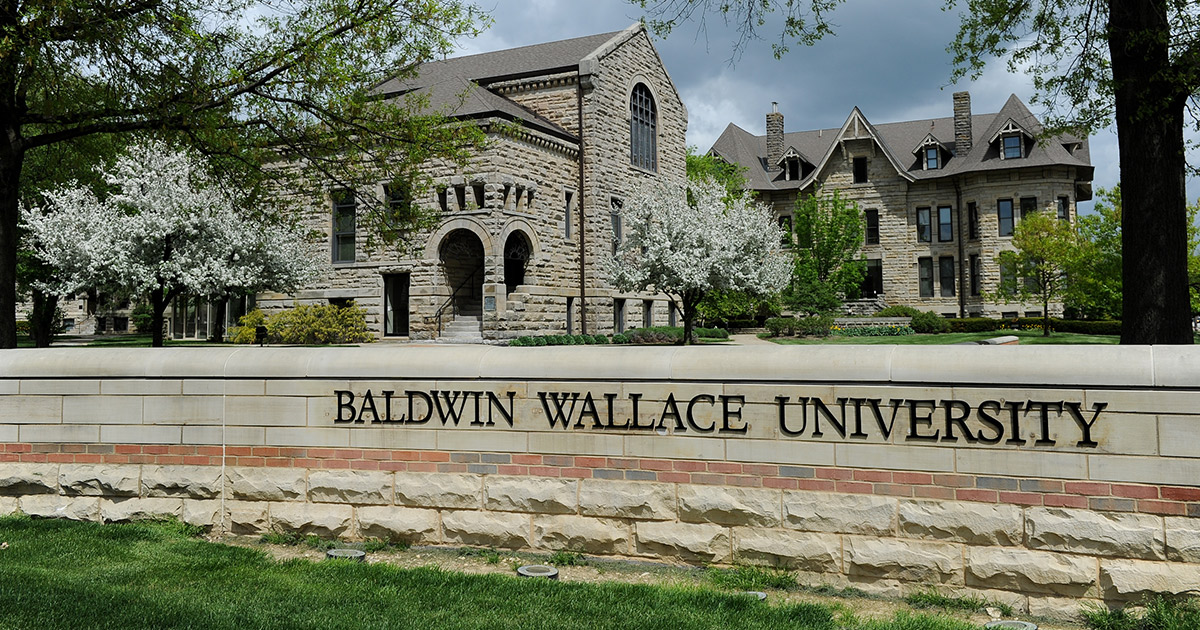
The Community Health Education Promotion major at Baldwin Wallace University is designed for students passionate about improving lives through health awareness and education. This program prepares you for a career in empowering wellness and creating positive change, focusing on whole-person care and disease prevention. You will learn to plan, implement, and evaluate health education programs for individuals, groups, and communities. Students gain insights and motivational techniques for educating and supporting individuals to make positive health choices. The program emphasizes an integrative approach to wellness, and its proximity to Cleveland provides access to numerous internship opportunities at top hospitals, clinics, corporations, and public health organizations. Please note: As of May 13, 2026, this academic program is no longer admitting new students as a major. However, coursework in this subject area will continue to be offered and will support other academic programs and interdisciplinary learning opportunities at BW. Current students enrolled in this major will continue to receive full support through the completion of their degree.

Early Childhood Education

Early Childhood Education
The Bachelor of Science in Early Childhood Education program at Northwest Florida State College prepares students to work with young children from birth through pre-Kindergarten. Graduates will be equipped to serve as teachers or administrators in high-quality early childhood education settings. These settings include private and public childcare programs, Head Start, military childcare programs, and preschools.

Early Childhood Education
The Early Childhood Education (ECE) program at North Seattle College is designed to equip students with the knowledge and skills needed to become high-quality educators and advocates for young children and their families. The curriculum is grounded in anti-bias principles, current child development research, and family-centered practices. The program offers multiple pathways, including stackable certificates, an Associate of Applied Sciences (AAS) degree, and a Bachelor of Applied Science (BAS). Students can begin with the Early Childhood Initial Certificate. The program is flexible, with classes offered in the evenings, on weekends, and online, catering to students who are balancing work and other responsibilities. Prior learning assessment is available for those with relevant professional experience or training.
Early Childhood Education – Birth through Four
The Bachelor of Science in Early Childhood Education, Birth through Four program is designed to prepare students for careers working with children aged 0-4 years in various settings. This degree offers a pathway for advancement in the early childhood field. Students who have already earned an Associate of Science in Early Childhood Education at NWF State College can complete the Bachelor's degree by taking an additional 18 hours of General Education classes. Students with an Associate of Arts degree will also need to complete the state-mandated prerequisite courses before entering the upper-division technical coursework for the Bachelor's program. The program consists of 120 credit hours and is a 4-year program.
Early Childhood Education (Associate in Science)
The Early Childhood Education Associate in Science (A.S.) degree at Northwest Florida State College is a two-year program designed for students passionate about working with young children aged 0-4. This program prepares you for various early childhood settings, including private and public childcare programs, Head Start, military childcare, preschools, and pre-kindergarten programs. You will learn to maintain safe environments, plan and implement daily programs, conduct developmental assessments, and communicate effectively with families. Upon completion, you will have earned four college certificates and be well-prepared to transition into a Bachelor's degree in Early Childhood Education.
Early Childhood Education (B.S.E.)
The Bachelor of Science in Education (B.S.E.) in Early Childhood Education program at Oklahoma Christian University prepares students for a career in teaching young children. This program requires a total of 122 credit hours, including general education courses, major requirements, and a professional education minor. Graduates will demonstrate competency in liberal arts, possess in-depth knowledge of their subject matter, and be equipped with the skills and dispositions necessary for entry into the teaching profession.
Early Childhood Education (Grades P-3)
Help shape positive futures by earning a Bachelor's degree in Early Childhood Education (Grades P-3) from Troy University. This program equips you with the skills to teach core subjects and foster children's social growth, self-esteem, and understanding of the world during their crucial developmental period from birth to age eight. Graduates are prepared to make a significant impact on children's lives, laying a strong foundation for their future success in school and beyond. The program also provides certification to teach preschool through third grade, enhancing career opportunities and salary potential.
Early Childhood Education, B.A.
This Bachelor of Arts program prepares you to work as an educator in public and private schools for children aged pre-kindergarten through third grade. You will also be equipped for roles in childcare centers and early intervention programs, focusing on the development of children aged 3 to 8 years, with some exposure to earlier developmental stages. The program includes three practical field experiences in diverse socio-economic and cultural settings.
Education

Education
Education – Bilingual Education
The Bachelor of Science in Education with a concentration in Bilingual Education (BIED) at Texas A&M University prepares students for careers as bilingual, ESL, or dual language teachers. This program leads to certification in Bilingual EC-6 education, focusing on the specific needs of English language learners within various classroom settings. Students gain practical experience through field placements in bilingual, dual language, and ESL classrooms, ensuring they are well-prepared for diverse educational environments.
Education – Secondary Education (Grades 6-12)
This program offers pathways to licensure for teaching in grades 6-12 and K-12 within Tennessee. To achieve licensure, students must complete an approved academic major with a licensure track, the education minor, and additional licensure requirements. The program emphasizes integrated field experiences, small class sizes for increased faculty interaction, and strong connections with local school systems. Some licensure areas are available in a fully online format.

Education Program
The Education program at West Virginia Wesleyan College (WVWC) is designed to equip students with the theoretical knowledge and practical skills needed for a successful teaching career. The program emphasizes a hands-on approach, integrating early and ongoing classroom experiences in real school settings with personalized faculty mentorship. Graduates are prepared to be confident, classroom-ready professionals who can lead, instruct, and adapt to diverse learning environments. WVWC's approach is rooted in core values that promote an appreciation for cultural richness, equity, and respect for all learners, fostering reflective professionals, active learners, and thoughtful decision-makers.
Educational Studies – Adolescent
Educational Studies – Young
Elementary Education (K-5)
Elementary Education (K-6th) - Bachelor of Science
The Bachelor of Science in Elementary Education (K-6th) program at Northwest Florida State College prepares students to teach in elementary school classrooms. This 2+2 degree program is designed for individuals who have already completed an associate degree or at least 60 transferable college credits. Graduates will meet the requirements for K-6 teacher certification in Florida and will also earn the ESOL (English for Speakers of Other Languages) Endorsement and the Reading Endorsement. Throughout the program, students gain practical experience through mandatory elementary school placements each semester. These include classroom observations, practicum activities, and increasing teaching responsibilities, culminating in a full-time, 15-week student teaching internship. The program can be completed through traditional on-campus classes, hybrid formats combining in-person and online learning, or fully online courses, with traditional classes typically meeting one to two days per week on campus.
Elementary Education, B.A.
This Bachelor of Arts program equips you with the skills to teach and coordinate educational programs for children aged 7-12 (grades 2-6). You'll gain practical experience through placements in diverse school settings and partnered school districts. The program prepares you for various teaching environments and is recognized by the South Carolina State Board of Education. Columbia College is also a participating institution in the Call Me MiSTER program, supporting teachers from under-served communities, and a Teaching Fellows Institution, fostering leadership qualities in aspiring educators.
Elementary Education, Bachelor of Science
The Bachelor of Science in Elementary Education at Maryville University prepares students to teach children in grades 1-6. The program emphasizes a holistic approach to education, aiming to help each child reach their full potential. Graduates will be equipped with the skills and knowledge to become reflective teachers committed to a vital role in society. The curriculum is designed for students passionate about teaching and working with young learners.

Elementary Education, Bachelor of Science Degree
The Elementary Education program at Young Harris College offers a Bachelor of Science degree designed to prepare students to teach elementary-aged students. This program is aligned with the requirements set by the Georgia Professional Standards Commission. Building upon the college's liberal arts foundation, the curriculum emphasizes classroom instructional theory, best practices, and leadership skills. Students will gain practical experience through various field placements. The program includes coursework totaling 120 hours, comprising 31 hours of General Education, 33 hours of electives (including two Physically Active Life Skills courses), and 56 hours dedicated to program-specific courses. Graduates are eligible for initial certification in Georgia, though licensing requirements vary by U.S. state.

English Education
The University of Central Oklahoma's English Education program is designed for students passionate about literature, language, and the transformative power of education. This program equips students with the knowledge and skills to become effective educators in English, fostering a deep understanding of literary works and effective communication strategies.
English Education (B.S.E.)
The Bachelor of Science in Education (B.S.E.) in English Education at Oklahoma Christian University is designed for students aspiring to teach English at the middle, junior, or senior high school level. This comprehensive program requires 76 credit hours and includes a Professional Education Minor. Graduates will be equipped with critical thinking, communication, and literary analysis skills, alongside pedagogical knowledge essential for effective teaching. The curriculum emphasizes understanding English language, literature in its cultural and historical contexts, and the practical application of teaching methodologies.
Go D.O. Early Scholars Program
The Go D.O. Early Scholars Program is a unique partnership between West Virginia Wesleyan College (WVWC) and the West Virginia School of Osteopathic Medicine (WVSOM). This program offers qualifying WVWC students a guaranteed acceptance into WVSOM upon successful completion of their undergraduate program requirements and interview, with a waived MCAT exam. This initiative is designed for students passionate about pursuing a career in osteopathic medicine, particularly those interested in serving underserved areas and addressing health disparities. The program allows students to focus more on their academic studies, community service, clinical volunteering, and research, rather than solely on MCAT preparation. WVWC, a private liberal arts and sciences college founded in 1890, is located in Buckhannon, West Virginia. It offers a strong academic environment with nearly 60 majors and 40 minors, and a tradition of excellence, including a strong affiliation with the United Methodist Church.
History Education
Inspire the next generation by teaching the captivating stories of history. This program is designed for students who are passionate about the past and wish to share that passion with others. You will gain the knowledge and skills necessary to effectively educate students about historical events, figures, and concepts.
History Education, B.A.

Honors Program in Medical Education (HPME)
The Honors Program in Medical Education (HPME) was a specialized program designed for exceptionally well-prepared high school students aiming for careers in medicine or medical science. Students admitted to Northwestern University through HPME were simultaneously accepted into the Feinberg School of Medicine. This program is no longer accepting new students, and information pertains to academic years 2020-2021 or earlier.

Lasell University Programs
Lasell University offers over 60 undergraduate and graduate programs designed to help students discover their passions, develop their voices, and find their community. The university emphasizes a connected learning approach, integrating practical experience with academic study. Lasell is committed to providing an accessible and valuable education.
Middle Childhood Education
The Middle Childhood Education program at Xavier University provides students with practical experience in elementary school settings. Through a cooperative effort between the university and local schools, students engage in field experiences and a significant student teaching assignment. This program allows aspiring educators to apply classroom learning to real-world teaching scenarios. The student teaching component spans 15 weeks and is a crucial part of the curriculum, designed to prepare students for a career in early and middle childhood education.
Middle Level Education, B.A. (English/Language Arts concentration)
Middle Level Education, B.A. (Science concentration)
Middle Level Education, B.A. certifying to teach
Middle Level Science Education
Middle School English/Language Arts Education (Grades 5-9)
Maryville University's Bachelor's in English/Language Arts Education program prepares you to become a teacher for grades 5-9. This program focuses on developing the skills needed to educate young adolescents, helping them build upon foundational knowledge and prepare for high school. As part of this degree, you will earn a double major in English, providing a strong command of the subject matter you will teach. The curriculum is designed to help you understand the unique joys and challenges of working with middle school students.

Minor in Education
This intensive, clinically rich Teacher Education program provides the foundation for a successful teaching career. As an undergraduate, you can declare Teacher Education as a Minor alongside a major in Liberal Arts and Sciences. This pathway allows you to complete the first 12 credits of your graduate Teacher Education degree while finishing your bachelor's degree in your chosen content area. The program integrates foundational Teacher Education courses with your major studies, preparing you for further graduate studies in dual certification master's programs.
Music Education
Washington State University's Music Education program is designed to provide a comprehensive foundation for a teaching career in music. The curriculum focuses on developing practical teaching skills, incorporating current research and innovative approaches. Students gain valuable hands-on experience through observation, guided teaching demonstrations, practicum placements, and a full semester of student teaching. The program aims to equip graduates with the knowledge and skills to effectively serve students, communities, and colleagues, fostering a sense of lifelong learning and creativity essential for navigating the evolving landscape of music education.
Music Education
Music Education with Choral Emphasis, Bachelor of Arts
The Music Education with Choral Emphasis program at Young Harris College aims to prepare students to become effective music educators for K-12 levels. The curriculum integrates rigorous music instruction, performance opportunities, pedagogical practice, and educational methods studies with essential field experiences. Students will develop critical thinking and analytical skills through the interpretation of musical scores and texts, fostering both academic understanding and artistic expression. This Bachelor of Arts degree provides a strong foundation for graduate studies and diverse career paths in music education.

Online Bachelor of Arts in Education in Educational Studies
Arizona State University's online Bachelor of Arts in Education with a concentration in Educational Studies is designed for students interested in the broader impact of education on society, beyond traditional K-12 classrooms. This program allows you to explore the dynamics of learning in various settings and at all ages, from community organizations to businesses. You will develop practical skills highly valued in the workforce, such as facilitating learning experiences for diverse groups, effective communication, collaboration, and critical thinking. The curriculum is flexible, enabling you to tailor your studies to align with your professional interests through electives, certificates, or a minor. A key feature of the program is the inclusion of applied learning experiences, including a two-semester internship. These internships provide transformative opportunities to bridge theoretical knowledge with practical application, helping you build relationships with potential employers and prepare for a meaningful impact in non-classroom learning environments. While this program does not lead to teacher certification, it can be part of an Accelerated Master's program, allowing you to earn a master's degree in as little as one year after your undergraduate studies.
Online Bachelor of Arts in Media Arts and Sciences – Education
This online Bachelor of Arts in Media Arts and Sciences with a concentration in Education at Arizona State University is designed for students interested in the intersection of arts, technology, and learning. You will gain skills in using media technologies to enhance educational experiences across various settings, including classrooms, community centers, companies, and non-profit organizations. The program prepares you to become a digital creative capable of innovating learning solutions. Students will explore human learning processes and the evolving role of arts technology in education. The curriculum covers a range of media technologies, including artificial intelligence, virtual reality, and creative digital tools, and demonstrates their application in facilitating learning. The program also emphasizes cultural literacy, addressing the sociocultural and environmental impacts of technology in education.
Frequently asked questions
How many Bachelor's in Education & Teaching programmes are available in the United States?
+
There are 86 Bachelor's programmes in Education & Teaching across 36 US universities, covering K-12 teaching preparation, early childhood education, special education, and related specialisations.
How much does a Bachelor's in Education & Teaching cost in the United States?
+
Tuition is approximately €11,302 per year across the listed institutions, making this one of the more consistent pricing bands in the US degree market.
Which universities offer Bachelor's in Education & Teaching in the United States?
+
Providers include the University of Texas at Austin, Washington State University, Seattle Colleges, West Virginia Wesleyan College, the University of Central Oklahoma, and Northwest Florida State College, among 36 institutions.
Can international students apply for Education & Teaching bachelor's programmes in the United States?
+
Yes. International students can apply for education degrees; however, US teaching licensure after graduation can be complex for non-citizens, so prospective applicants should research state-specific requirements early.
What are the typical entry requirements for a US Education bachelor's degree?
+
Entry requires a high-school diploma or equivalent, English-language proficiency test scores for international students, and some programmes may require a minimum GPA or letters of recommendation.