Bachelor's in Environmental Sciences in United States
Students interested in ecology, sustainability, and earth systems will find 38 Bachelor's programmes in Environmental Sciences at 20 universities across the United States. The roster includes research powerhouses such as Indiana University Bloomington, Stony Brook University, and Boston University, as well as smaller liberal-arts institutions like Young Harris College and the University of Virginia.
Tuition fees differ significantly between public and private universities and by residency status; check each university's current fee schedule for accurate figures. International applicants typically need strong secondary-school results in sciences, English proficiency evidence, and transcripts. Many programmes offer field-based learning, laboratory components, and opportunities for undergraduate research, which are important factors when comparing institutions.

BA in Archaeological & Environmental Sciences
The BA in Archaeological & Environmental Sciences at Boston University offers a unique interdisciplinary approach to understanding the complex relationship between humans and their environments throughout history. By combining insights and methodologies from both natural and social sciences, this program equips students with a deep understanding of how human activities have shaped the Earth's environments over long timescales and provides a crucial perspective on sustainability. Students will develop scientific expertise in chosen areas, building on a foundation in chemistry, biology, and data analysis. The curriculum includes a capstone seminar and opportunities for research with faculty, preparing graduates for advanced study or careers in fields like environmental archaeology, sustainability studies, or environmental consulting.
Bachelor of Arts in Environmental Design, Policy, and Planning
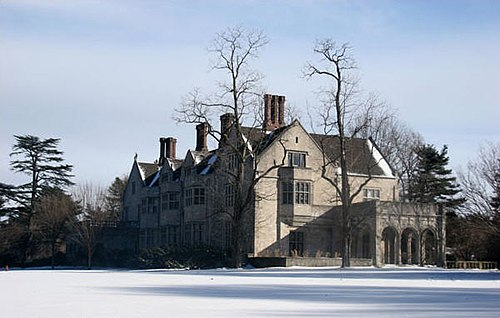
The Bachelor of Arts in Environmental Design, Policy, and Planning (EDP) program at Stony Brook University prepares students to create more livable, resilient, and sustainable communities. This interdisciplinary program builds upon a core curriculum in Sustainability Studies, with upper-level courses focusing on the challenges and opportunities within urban and suburban environments. Students will develop skills to proactively shape the future of these places for the benefit of all. The program equips students for careers that involve complex, interconnected issues spanning scientific, legal, ethical, political, environmental, and socio-economic domains. You will gain experience in primary data collection and analysis, engaging with diverse stakeholders, and collaborative teamwork. Coursework covers topics such as the relationship between land use and transportation policies, and the social and economic impacts of public space design. Graduates are well-prepared for advanced studies in fields like urban planning, urban design, landscape architecture, real estate development, and public policy at leading graduate institutions. Alternatively, many alumni enter the workforce directly, contributing to local and state governments, transit agencies, environmental organizations, and private consulting firms.
Bachelor of Arts in Environmental Studies
The Bachelor of Arts in Environmental Studies program at Stony Brook University equips students with the analytical and communication skills needed to understand and address complex environmental issues. This interdisciplinary program integrates knowledge from social sciences, engineering, natural sciences, and humanities to tackle scientific, legal, political, socioeconomic, and ethical challenges. Students can specialize in areas like Conservation Biology/Biological Anthropology, Marine Science/Ecology, or Environmental Law/Waste Management/Public Policy. Practical experience is gained through research courses, internships, and field studies, preparing graduates for further education or entry-level positions in fields such as science advocacy, conservation, law, journalism, and public health.
Bachelor of Science in Climate Sciences
The Bachelor of Science in Climate Sciences program at Stony Brook University addresses the critical global challenge of climate change. This program equips students with a strong scientific understanding of Earth's climate system, how human activities are influencing it, and the potential consequences for both human populations and ecological systems. You will learn to analyze vast amounts of climate data from observations and models to identify trends and predict future scenarios. The curriculum is designed to prepare you for careers in climate science, enabling you to contribute to developing and implementing strategies for mitigating climate change and adapting to its impacts. By focusing on both scientific principles and practical applications, the program ensures your studies are relevant to society's urgent needs and lead to rewarding career opportunities.

Bachelor of Science in Environmental Engineering

Biology – Ecology

Chemistry - Environmental Chemistry
Explore the dynamic world of Environmental Chemistry at UCO, a field that bridges science and sustainability. This program offers a multidisciplinary approach, integrating principles from chemistry with environmental science to address critical issues facing our planet. You'll gain a strong foundation in chemical principles while focusing on their application to environmental challenges.
Civil Engineering
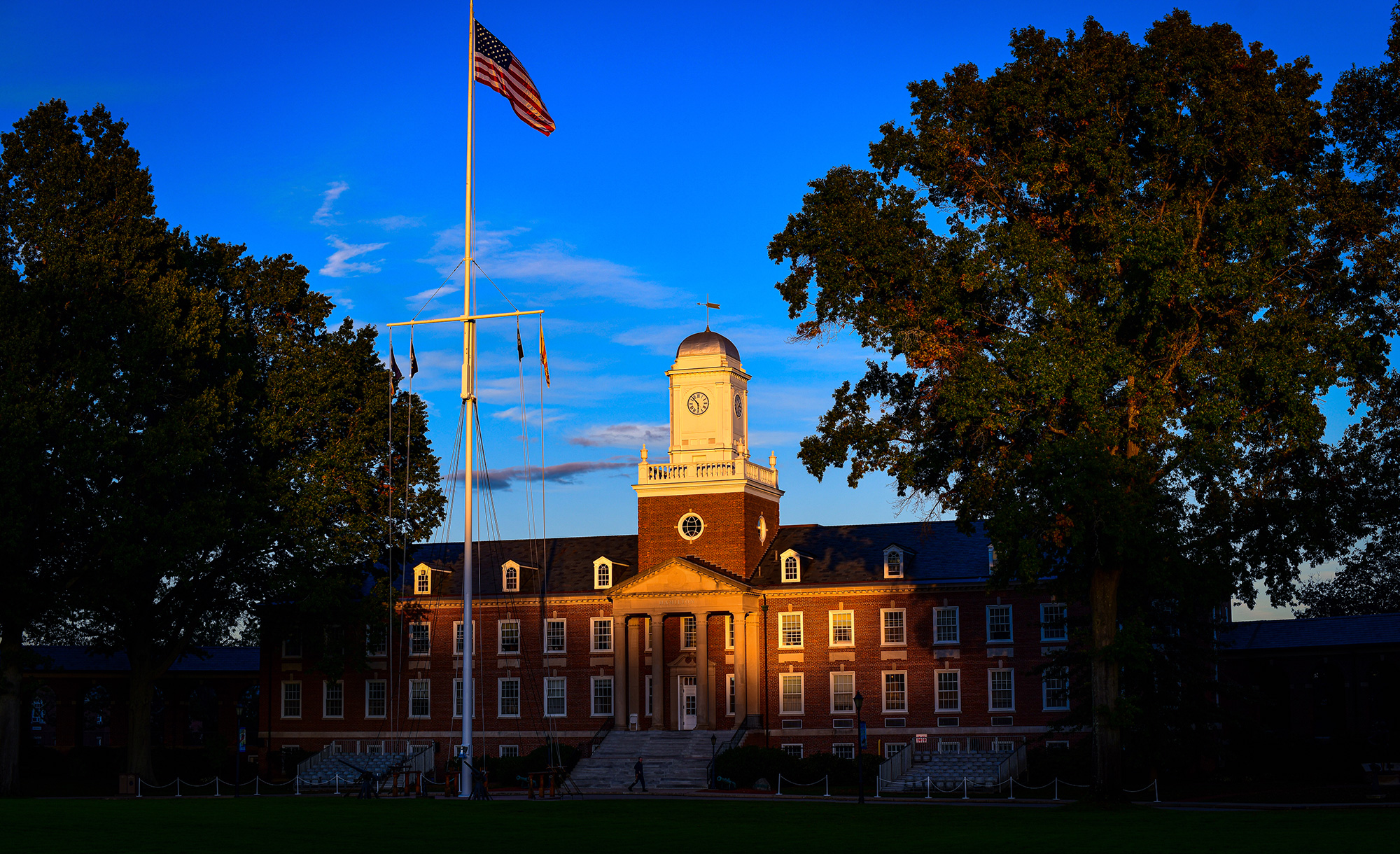
The Civil Engineering program at the United States Coast Guard Academy (USCGA) offers a comprehensive education in the diverse fields of structural, construction, environmental, and geotechnical engineering. This program is designed for individuals with a broad range of interests who are seeking a challenging and rewarding career. Students gain a strong foundation in mathematics and engineering sciences, with opportunities for in-depth study in specialized areas. The curriculum emphasizes hands-on learning and practical application, preparing graduates for leadership roles in civil engineering within the Coast Guard and beyond.
Coastal Environmental Studies
This program prepares you for a career in coastal zone management, a critical field for the future. It combines physical and natural sciences with environmental ethics, policy, and law to address the impacts of sea level rise on water and land resources, and coastal development. You will gain proficiency in Geographic Information System (GIS) technology, a valuable skill for various sectors.

Ecology
Ecology and Conservation Biology
The Ecology and Conservation Biology program at the University of Central Oklahoma provides students with a comprehensive understanding of how natural ecosystems function. It emphasizes the scientific principles underlying ecological processes and how this knowledge can be applied to the protection and management of biodiversity and natural resources. This program prepares students for careers focused on preserving the environment and its inhabitants.

Environmental and Ecosystem Sciences
Study the interactions of physical, chemical, and biological conditions within natural and human-modified environments to address pressing environmental challenges. This interdisciplinary program allows you to tailor your studies to your specific interests within the field. You can pursue this degree on-campus at the Pullman, Tri-Cities, or Vancouver campuses, or online through the Global Campus.

Environmental Engineering
The Bachelor of Science in Environmental Engineering at Texas A&M University is designed to equip students with the knowledge and skills to address critical environmental challenges. This program offers a comprehensive curriculum that integrates natural sciences with core engineering principles. Students will learn to develop solutions for issues such as water treatment, waste management, and climate change, focusing on protecting public and environmental health. This multidisciplinary approach prepares graduates to minimize the adverse effects of human activity on the environment while safeguarding human well-being.

Environmental Science & Resource Management
The Environmental Science & Resource Management (ESRM) program at California State University Channel Islands (CSUCI) is designed for students passionate about the environment and solving critical global issues. This program offers a robust understanding of environmental principles from both scientific and human perspectives. Through dedicated faculty guidance, students engage in intensive academic learning, hands-on field research, and valuable volunteer experiences. Students in the ESRM program will develop a strong foundation in ecology, physics, and chemistry, exploring the complex interactions between humans and the natural world. The curriculum equips students with essential 21st-century skills, including Geographic Information Systems (GIS), quantitative data analysis and presentation, technical writing, and diverse field and laboratory methodologies. These skills can be applied to meaningful research and community engagement projects locally, nationally, and internationally, often in partnership with prominent organizations like the National Park Service and The Nature Conservancy.

Environmental Science, Bachelor of Science
The Bachelor of Science in Environmental Science program at Young Harris College equips students to address complex environmental challenges. You will gain a strong foundation in the natural sciences while also exploring the social, economic, and ethical dimensions of environmental issues. The curriculum emphasizes practical skills, including training in instrumentation and field techniques, and fosters collaborative problem-solving. Through engaging with faculty and participating in projects with local, regional, and national organizations, students develop a comprehensive understanding of environmental science and its applications. This program prepares graduates for diverse careers or further study in advanced degree programs.

Environmental Studies
The Environmental Studies program at Dartmouth College aims to prepare students to address the complex challenges and opportunities presented by human-environment interactions. Recognizing the escalating global environmental degradation, the program's core mission is to equip students with the knowledge and skills to understand and tackle these issues, viewing environmental studies as a vital component of a modern liberal arts education.
Environmental Studies
Environmental Studies, Bachelor of Arts
The Environmental Studies Bachelor of Arts degree program at Young Harris College equips students with critical thinking skills to explore biological sciences through the lens of wilderness and park management. This degree prepares you for careers in conservation or outdoor recreation by providing a strong foundation in scientific concepts and integrating them with an understanding of human interaction with natural environments.
Marine and Environmental Sciences
The Marine and Environmental Sciences (MES) major explores the intricate connections between people and the natural world, encompassing land, oceans, and atmosphere. This interdisciplinary program combines oceanography, chemistry, biology, physics, and mathematics to provide a robust technical education. The curriculum is designed to align closely with critical Coast Guard missions, including fisheries law enforcement, environmental response management, search and rescue, oil spill cleanup, and iceberg tracking. Students in the MES program engage in extensive hands-on laboratory work utilizing advanced technology and participate in fieldwork. Many of these practical experiences occur aboard the Marine Science research vessel, the _Michael J. Greeley_. The program also leverages the Academy's strategic location near the Thames River estuary for valuable field studies. Students have the flexibility to choose electives that delve into specialized areas such as toxicology, astronomy, polar studies, or to undertake independent research projects.
Minor in Environmental Engineering
Environmental Engineering applies science and engineering principles to improve air, water, and land resources, ensuring healthy environments for people and other organisms. It also focuses on developing new technologies and materials that support sustainability and green manufacturing. This minor explores the chemical mechanisms behind environmental processes, pollutant transport, bioavailability, toxicity, and the design of pollution prevention and remediation strategies. The coursework emphasizes understanding ecological and geochemical factors and developing materials and technologies for sustainable development. Key areas of study include sustainability, green manufacturing, ecology, and pollution prevention.

Persuasive Communication for Environmental Professionals
This course focuses on developing essential communication skills for environmental professionals. It moves beyond traditional academic writing and presentation styles to teach effective methods for engaging with demanding audiences. The curriculum emphasizes clarity, relevance, credibility, and captivation, drawing inspiration from communication strategies used by organizations like the CIA and incorporating insights from psychology, neuroscience, marketing, and even mindfulness practices. Students will learn to present complex information in an easily understandable manner for skeptical readers and deliver persuasive presentations tailored to specific audiences. The course also explores the use of artificial intelligence tools to enhance writing and presentation abilities.
School of the Environment
The School of the Environment at Washington State University offers undergraduate and graduate programs focused on understanding and addressing global environmental challenges. Our curriculum provides technical knowledge, practical skills, and hands-on experience in areas such as earth systems, ecosystem science, conservation, and sustainability. Students engage in diverse research opportunities alongside leading scientists, exploring topics like climate change, geology, forest management, and wildlife ecology. We aim to equip students for successful careers in science, industry, and environmental organizations, enabling them to make a tangible difference in the world. Our programs emphasize field training and analytical techniques, preparing graduates for leadership roles in managing, conserving, and restoring natural resources and ecosystems.

Sustainability Concentration, Bachelor of Science
Maryville University offers an undergraduate Bachelor of Science in Biology with a Concentration in Sustainability and Environmental Stewardship. This program provides a comprehensive understanding of the interactions between living organisms and the environment, emphasizing the connection between human actions and ecological outcomes. Through a cross-disciplinary and experiential learning approach, students explore innovation in sustainability and environmental stewardship, covering subjects like biology, chemistry, physics, environmental law, and ethics.
Wildlife Ecology & Conservation Sciences
The Bachelor of Science in Wildlife Ecology and Conservation Sciences program at Washington State University (WSU) provides a comprehensive scientific education focused on understanding and managing wild animal populations and their habitats. It combines foundational knowledge in natural resources and environmental science with in-depth, hands-on learning experiences. Students will explore the ecology, habitat requirements, and conservation strategies for various wild animals. The program prepares graduates for further study in graduate or professional schools, such as veterinary medicine, or for careers in wildlife management and research.
Frequently asked questions
How many Bachelor's in Environmental Sciences programmes are available in the United States?
+
There are 38 Bachelor's programmes in Environmental Sciences across 20 universities in the United States.
Which universities in the United States offer a Bachelor's in Environmental Sciences?
+
Programmes are available at Indiana University Bloomington, Boston University, Stony Brook University, the University of Virginia, and 16 other universities.
How much does a Bachelor's in Environmental Sciences cost in the United States?
+
Tuition varies by programme — check each listing directly, as fees range widely between public in-state, public out-of-state, and private institutions.
Can international students study Environmental Sciences at bachelor's level in the United States?
+
Yes; most universities welcome international applicants who meet English proficiency requirements and have strong secondary-school science backgrounds.
What are typical entry requirements for a Bachelor's in Environmental Sciences in the United States?
+
Applicants generally need a high school diploma with solid science and mathematics grades, English proficiency documentation, and sometimes standardised test scores depending on the institution.