Finance in United States
The United States offers 123 Finance programmes across 55 universities, encompassing everything from undergraduate business-school tracks to specialised master's and PhD programmes. Internationally recognised institutions such as New York University, Rice University, and the University of California, Davis are joined by large public universities including the University of Pittsburgh, Purdue University Northwest, and the University of Colorado Boulder, ensuring options across a range of budgets and locations.
Annual tuition ranges from free (for select funded graduate programmes) to roughly €75k at the highest end, with the majority of programmes falling between these extremes. The US finance industry — particularly in New York, Chicago, and San Francisco — provides unmatched internship and networking access for students enrolled at any of these 55 institutions.

Accountancy, MAcc (Online)
Accounting
Sullivan University's Accounting program is designed to equip you with practical skills that are highly valued by employers. You'll benefit from a cutting-edge curriculum and real-world experience, ensuring you're prepared for success in the dynamic business environment. Our faculty comprises experienced professionals, consultants, entrepreneurs, and academics who bring current market knowledge and practical insights into the classroom. Through hands-on learning and strong connections with local businesses, you'll gain the expertise needed to thrive.

Accounting
Accounting
Prepare for a career in accounting, a field known for its analytical demands, financial stability, and opportunities for advancement. This program equips you with the knowledge needed for diverse roles in commercial business, finance, and specialized accounting areas. The curriculum is designed to prepare you for professional certifications such as the CPA exam.

Accounting (B.B.A.)
The Bachelor of Business Administration (B.B.A.) in Accounting program at Oklahoma Christian University prepares students for a variety of entry-level roles in public, private, and governmental accounting. The curriculum emphasizes foundational business principles, ethical considerations, and practical skills necessary for success in the field. Graduates will gain competency in financial and managerial accounting, income tax determination, and the use of accounting information systems. The program also aims to develop critical thinking, analytical, and communication skills, preparing students to work effectively in a global context.
Accounting (BA, BS)
Accounting (BA)
Accounting (BS)

Accounting & Finance Programs
The Department of Accounting & Finance at UMass Boston offers a range of programs designed to meet the evolving demands of the industry. Our curriculum is kept current with fast-paced changes in accounting and finance, and our dedicated faculty are focused on student success. We provide rigorous academic knowledge, fostering critical thinking and preparing students to become leaders in their fields. The department offers undergraduate degrees in Accounting and Finance, as well as graduate programs including Master's degrees in Accounting and Finance, an MBA with Accounting and Finance specializations, and a PhD in Business Administration with a Finance track. A certificate in Investment Management & Quantitative Finance is also available.
Accounting Major
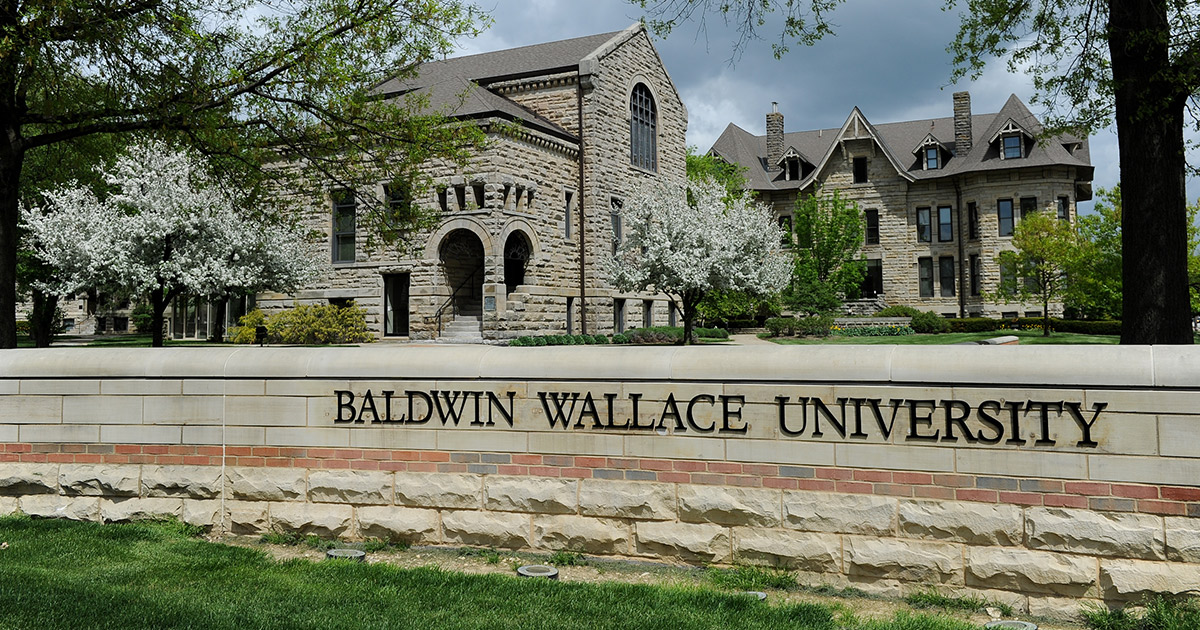
The Accounting major at Baldwin Wallace University equips students with essential technical accounting and financial skills, alongside critical business insights applicable across various career sectors. The program is part of the Carmel Boyer School of Business, where faculty bring decades of national and international corporate, government, and nonprofit experience directly into the classroom. Internships are a cornerstone of the program, with students gaining hands-on experience at leading accounting firms, corporations, and government agencies. This program also fulfills all prerequisites for BW's Master of Accountancy (MAcc), offering a seamless 4+1 pathway for students aiming for advanced study and CPA exam preparation. Accountants play a vital role in modern businesses by providing strategic insights that drive effective decision-making, policy development, and financial operations. Graduates are prepared to become advisors, analysts, and allocation managers. The curriculum emphasizes technology, ethical conduct, and critical thinking, ensuring students are ready for the demands of the profession. Strong connections with alumni and a dedicated Career Center provide extensive networking, mentoring, and job placement support.
Accounting Minor
Lindenwood University offers an Accounting Minor through the Plaster College of Business and Entrepreneurship. This minor requires 21 credit hours and provides students with foundational knowledge and skills applicable in both professional and personal contexts. It can be pursued in both on-campus and online formats, though the on-campus option may include some online courses for degree completion. The program covers essential topics such as managerial accounting, income tax preparation, macroeconomics, basic statistics, accounting cycle analysis, introduction to information systems, and principles of financial and managerial accounting.

Accounting Ph.D.
The Accounting Ph.D. program at Rice University is designed to train students for high-quality research and to become influential scholars in top academic institutions. The program focuses on developing essential skills in theory, research methods, and contemporary accounting issues. It leverages the broader strengths of Rice University in related fields like finance, economics, and statistics, providing a rigorous academic environment. Students will engage with world-class faculty who possess expertise in various accounting topics and a vibrant research culture. The curriculum includes advanced courses in economics, statistics, econometrics, and finance, alongside specialized accounting research seminars. The program emphasizes a close mentorship approach within the Rice tradition, ensuring personalized attention and guidance for each doctoral candidate. The goal is to equip students with the analytical and empirical skills needed to contribute significantly to accounting research and academia. The program offers a highly competitive financial package, making it an attractive option for aspiring researchers in the field of accounting.

Accounting Programs at Stony Brook University
Stony Brook University offers undergraduate and graduate programs in Accounting designed to prepare students for a successful career in the field, including pathways to becoming a Certified Public Accountant (CPA). The demand for accountants and auditors is projected to grow, making it a desirable and stable profession with competitive salaries. The programs provide a strong foundation in financial reporting, taxation, auditing, and managerial accounting, complemented by essential business analytics, finance, and operations coursework. To become a CPA in New York and many other states, a total of 150 credit hours are required, which exceeds the standard undergraduate degree. To meet this requirement and prepare for the CPA exam, Stony Brook offers graduate pathways such as the MBA in Accounting and the MS in Accounting and Analytics. These programs ensure students gain the necessary credit hours and specialized knowledge for professional certification and career advancement.

Accounting—Bridge Program to the M.S. in Accounting, B.S.
This combined Bachelor of Science (B.S.) and Master of Science (M.S.) in Accounting Bridge Program is designed for students aiming for a career in accounting. It allows full-time students to potentially complete both degrees and meet the educational requirements for Certified Public Accountant (CPA) licensure in New Jersey within five years. The program integrates undergraduate and graduate coursework, enabling students to take graduate-level credits as part of their bachelor's degree. Students apply for the Bridge Program after completing 80 undergraduate credits, with specific GPA and coursework requirements in accounting. Upon earning the B.S. in Accounting, students matriculate directly into the M.S. program to finish their graduate studies. This structure helps students efficiently meet the credit requirements for CPA licensure, which typically involves 150 credits.
Accounting, BA/BS
Lindenwood University offers a Bachelor of Arts (BA) and a Bachelor of Science (BS) in Accounting, available in both on-campus and online formats. The BS in Accounting is designed for students seeking in-depth technical accounting and finance coursework, aligning closely with CPA requirements and technical roles. The BA in Accounting provides a broader curriculum with more liberal arts courses, suitable for general business or management positions. Both programs aim to equip students with a comprehensive accounting education and real-world experience. Both the on-campus and online programs emphasize practical application through faculty with real-world experience. Students have the opportunity to gain hands-on experience through the VITA Tax Clinic, where they assist community members with tax preparation under the supervision of an accounting professor. The university also offers flexible course schedules to accommodate students' busy lives.
Accounting, BA/BS (Online)

Accounting, Bachelor of Science
The Bachelor of Science in Accounting program at the University of Central Oklahoma (UCO) equips students with the knowledge and skills to confidently make informed business decisions. This program prepares graduates for a wide range of accounting roles in public accounting, industry, and government. Students will gain a comprehensive understanding of accounting principles and practices, essential for success in the business world.

Accounting, BS
The Bachelor of Science in Accounting program at California Baptist University provides a strong foundation in accounting principles, economics, finance, business law, and ethics, all within a Christian worldview. This program equips students with the analytical and critical thinking skills necessary for a successful career in accounting, including preparation for CPA and CMA exams. The curriculum emphasizes practical application and ethical decision-making, ensuring graduates are well-prepared for the demands of the professional world.
Accounting, BS (Online)
California Baptist University's online Bachelor of Science in Accounting program is designed to equip students with high-demand skills in areas such as tax accounting and auditing. This program provides a strong foundation in core accounting principles, complemented by an interdisciplinary approach that includes economics, finance, business law, international business, business analysis, and marketing. Graduates will gain a comprehensive understanding of the business environment, including ledgers, accruals, financial statements, budgets, and reporting. The curriculum also emphasizes the application of biblical principles for ethically sound financial decision-making.
Accounting, MS (Online)
California Baptist University (CBU) offers an online Master of Science in Accounting program designed to equip students with global business perspectives, strategic thinking, and critical concepts. This program aims to prepare students for professional practice while fostering personal growth. The curriculum integrates principles of Christian ethics into professional responsibility, reflecting the high ethical standards of the accounting industry. Courses are delivered in an accelerated, asynchronous format, allowing for flexible online learning on the student's schedule.
Accounting/Finance (B.B.A.)
The Bachelor of Business Administration (B.B.A.) in Accounting/Finance at Oklahoma Christian University prepares students for entry-level roles in public, private, or governmental accounting and finance sectors. This program emphasizes foundational business knowledge, ethical considerations within a Christian worldview, and the development of critical thinking, analytical, and communication skills necessary for success in a global business environment. Graduates will gain proficiency in core accounting and finance concepts, financial statement analysis, investment valuation, personal financial planning, and the use of accounting information systems. The curriculum requires a minimum of 122 credit hours, including specific courses in accounting, finance, business law, ethics, and communication, along with a comprehensive university core curriculum. Students may also need to complete elective hours to reach the required total. The program structure ensures graduates are well-equipped to analyze financial performance, make informed investment decisions, and understand taxation and accounting technology. For those seeking to sit for the Certified Public Accountant (CPA) exam in Oklahoma, the program's structure, particularly when combined with a double major in accounting and finance, helps meet the required 150 college credit hours and 36 upper-level accounting course hours.
B.S. Accounting
If you enjoy problem-solving and attention to detail, a career in accounting might be a great fit. Sullivan University's Bachelor of Science in Accounting program combines accounting, business, and IT skills with practical, real-world applications. This program prepares you for various roles in public accounting, management accounting, taxation, and more. You'll benefit from experienced faculty, small class sizes for personalized attention, and hands-on learning opportunities. The curriculum is designed to support your pursuit of certifications such as the Certified Management Accountant (CMA).

B.S. in Accounting Online
The online Bachelor of Science in Accounting program is designed to prepare you for professional accounting roles and equip you with essential business concepts. This program focuses on practical coursework that mirrors real-world accounting tasks, including financial statement preparation, tax support, and record review for accuracy and risk. You will also gain proficiency in common accounting software and spreadsheet tools. The curriculum is structured to align with the 150 credit hours often required for CPA eligibility, directly connecting your education to career advancement. The program is fully online, offers multiple start dates, and features accelerated 7-week courses, making it ideal for working adults. Up to 90 credits can be transferred, which can reduce both the time and cost of completing your degree.
B.S. M.B.A. Degree 5 Year Accounting

Bachelor of Applied Science (BAS) in Accounting with International Accounting
The Bachelor of Applied Science (BAS) in Accounting with International Accounting (AIA) program at North Seattle College prepares students for careers in accounting. It provides a strong foundation in accounting principles, including U.S. Generally Accepted Accounting Principles (GAAP) and auditing standards. The program also focuses on International Financial Reporting Standards (IFRS), equipping graduates with skills relevant to global business and the Seattle area's international market. Graduates will gain practical skills such as workload organization, financial statement preparation, and the use of accounting software. The program is designed to help students meet the requirements for the Washington State CPA licensure. International students are eligible to apply, but should note that upper-division courses are online, requiring careful planning for any on-campus attendance needed for F-1 visa compliance.

Bachelor of Business Administration in Accounting
The Bachelor of Business Administration in Accounting program at Monroe College is designed to equip students with the essential knowledge and skills for successful careers in accounting. This program prepares graduates for roles in corporate and public accounting, business, and finance across various industries. The curriculum focuses on applying accounting concepts to real-world problems, developing expertise in accounting technology, and preparing students for immediate employment or further academic pursuits, including master's degrees and the Certified Public Accountant (CPA) exam. Upon completion of this program, students will be able to effectively analyze financial situations, research specific areas within accounting, and present their findings. The program emphasizes the development of a clear career plan to secure relevant positions or to pursue advanced studies. Graduates will be well-rounded professionals, adept at utilizing technology solutions commonly employed by employers in the field.

Bachelor of Science in Accounting

Bachelor of Science in Accounting
Stevenson University's Bachelor of Science in Accounting program integrates accounting, information technology, and business principles to prepare students for the modern professional landscape. The curriculum emphasizes developing technical accounting knowledge, ethical decision-making, problem-solving skills, and effective communication. Graduates are well-prepared for professional certification pathways, including the CPA exam, and for leadership roles in public accounting, corporate finance, and advisory services. The program also offers a Bachelor’s to Master’s Option, allowing students to pursue advanced degrees in fields like Forensic Accounting or Business Technology Management in as little as five years.

Bachelor of Science in Business - Finance
Purdue University Northwest's Bachelor of Science in Business with a specialization in Finance is designed to immerse you in the financial world. This rigorous program equips you with the knowledge and skills to understand and navigate investments, international finance, corporate finance, financial markets, and derivatives. Upon completion, you will be prepared to enter leading companies with a strong educational foundation in finance.
Bachelor of Science in Business - Finance, Banking Concentration
Purdue University Northwest's Bachelor of Science in Business with a concentration in Banking is designed to equip you with the specialized knowledge and skills needed to succeed in the financial services industry. Developed in collaboration with the Indiana Bankers Association, this program offers an industry-driven curriculum that focuses on the unique aspects of banking. You will gain a comprehensive understanding of financial markets, institutions, and contemporary practices, preparing you for immediate employment upon graduation.

Bachelor of Science in Business Administration
The Bachelor of Science in Business Administration (BSBA) at Tusculum University is designed to develop ethically, globally, and civically engaged business leaders. The program provides a comprehensive foundation across essential business areas, with a specific focus on the global marketplace, ethical decision-making, workplace diversity, teamwork, and personal responsibility. Graduates are prepared for diverse career paths, including entrepreneurship, management, consulting, and further education, with those achieving a 3.0 GPA automatically qualifying for admission into the university's MBA program.

Bachelor of Science in Business Administration (B.S.B.A.) - Accounting
Troy University's Bachelor of Science in Business Administration (B.S.B.A.) with a major in Accounting equips students with essential skills for a successful career in the in-demand field of professional accounting. This program is ideal for individuals with strong analytical skills, an interest in numbers, and a desire to develop critical business acumen. It prepares graduates for entry-level roles in public, private, or government accounting, or for further graduate study. The program emphasizes a career-focused approach, ensuring students gain practical experience through internships and develop leadership skills. The curriculum provides a robust foundation in accounting principles alongside broader business topics such as marketing, finance, and management, ensuring graduates are well-rounded and ready to contribute to business success.

Bachelor of Science in Finance
The Bachelor of Science in Finance program at Penn State World Campus is designed for students who want to gain a comprehensive understanding of financial principles and practices. This online degree program equips you with the knowledge and skills needed for a successful career in various financial fields, including corporate finance, investments, and financial analysis. The curriculum covers essential topics such as financial markets, financial planning, risk management, and financial modeling, preparing you to make informed financial decisions.
Bachelor of Science in Finance
Bachelor's Degree in Accounting
The Bachelor of Science in Accounting program at Purdue University Northwest equips students with the essential skills to become effective decision-makers in various sectors, including corporate, small business, non-profit, and education. This program provides a strong foundation for entry-level accounting roles and further graduate studies. The curriculum combines general education, core business courses, and specialized accounting subjects, with a significant emphasis on experiential learning to apply knowledge in real-world settings.
Bachelor’s Degree in Finance
Maryville University offers a Bachelor of Science in Finance designed to equip students with the essential skills for success in today's complex financial landscape. This program provides a strong foundation in financial analysis, portfolio management, and corporate finance. Through project-based learning and professional partnerships, students gain practical experience and develop industry connections. The finance major prepares graduates for a wide range of careers in commercial banks, investment firms, insurance companies, and regulatory agencies. Maryville's strong network of professional contacts, including prominent firms like Edward Jones, facilitates internships and post-graduation employment opportunities, ensuring students are well-prepared for the demands of the financial services industry.
Bachelor's in Accounting
Maryville University's Bachelor's in Accounting program focuses on developing critical thinking skills and a deep understanding of financial principles beyond simple calculations. You will learn from experienced faculty and industry professionals, gaining practical insights and building valuable connections within the accounting field. This degree prepares you for diverse career paths, including becoming a Certified Public Accountant (CPA), working in auditing, or pursuing forensic accounting roles. Throughout your studies, you'll have opportunities for internships and real-world projects, allowing you to apply your technical knowledge in professional settings. Maryville also emphasizes personalized education through life coaching and provides students with an iPad and access to over 200 apps to enhance their learning experience.
Banking minor

Blockchain and Crypto Applications: From Decentralized Finance to Web 3
This online short course, developed by the MIT Sloan School of Management, offers a balanced perspective on the cryptocurrency space, focusing on the underlying blockchain technology and its business applications. Over eight weeks, you will explore the economics of blockchain, including digital assets, stablecoins, Decentralized Finance (DeFi), Non-Fungible Tokens (NFTs), and Web 3. The course examines current trends, public opinion, and the evolving legal and regulatory landscape, providing insights into the future possibilities of blockchain technology across various sectors. Guided by MIT faculty and industry experts, you will gain a practical understanding of the crypto ecosystem, from its origins to emerging concepts like Web 3. The curriculum is designed to help you differentiate between fact and fiction in the crypto world, understand divergent viewpoints, and navigate regulatory issues. You will also develop a primer for an early-stage project idea, considering key technical, market, and regulatory challenges. This program is ideal for experienced professionals and leaders seeking to enhance their roles, acquire new skills, or pivot into blockchain-related careers. It is particularly beneficial for those planning to invest in or launch ventures within the blockchain or crypto industries.
BS in Accounting
The Bachelor of Science (BS) in Accounting program provides a comprehensive education focused on accounting principles and practices. This program is designed to meet the needs of students aiming for careers in public accounting, corporate accounting, government accounting, and auditing. The curriculum emphasizes a student-centered learning approach, preparing graduates for professional roles in the field. The program requires 126 credit hours for completion, encompassing core business components, professional accountancy requirements, cognate subjects, and electives. Graduates will be well-equipped with the knowledge and skills necessary to excel in the dynamic world of accounting.
Business and Accounting Degrees
Monroe University's School of Business and Accounting offers a range of programs designed to provide students with hands-on learning experiences, essential technology skills, and a strong focus on global business and entrepreneurship. The curriculum emphasizes critical thinking, decision-making, and adaptability in an ever-changing global market. Faculty, often composed of experienced professionals and executives, guide students in developing communication, collaboration, and cultural intelligence. The programs aim to produce ethically responsible global citizens prepared for success in their chosen professions.

Business Management - Accounting
This program is designed to prepare students for entry-level accounting positions across various industries and organizations. You will learn to apply generally accepted accounting principles to real-world situations.
Film Studies, Minor
The Film Studies minor at the University of Central Oklahoma is designed for students who are captivated by the art and impact of cinema. This program offers an opportunity to delve into the analysis and understanding of films, encouraging students to explore the visual storytelling and cultural significance of the medium. It is ideal for those who enjoy dissecting the nuances of movies and wish to develop a deeper appreciation for filmmaking.
Finance (B.B.A.)
The Bachelor of Business Administration (B.B.A.) in Finance program at Oklahoma Christian University is designed to equip students with the knowledge and skills necessary for successful careers in the financial services sector or corporate financial management. This program emphasizes the development of effective practitioners who can analyze financial performance, make sound investment decisions, and understand personal financial planning. Graduates are prepared for direct entry into the workforce or for further graduate studies in business, law, or other professional fields.
Finance (BA, BS)
Finance (BS) with Emphasis in Investments
Finance (Investments Emphasis) - BA/BS
Lindenwood University offers a Bachelor of Arts (BA) and Bachelor of Science (BS) degree with an emphasis in Investments within the Finance program. This program is designed for students interested in gaining expertise in areas such as international finance, corporate finance, and financial economics. The degree is primarily offered on-campus, though some online courses may be required for completion. The program is housed within the Plaster College of Business and Entrepreneurship.

Finance PhD Program
The Finance PhD program at the University of Southern California (USC) Marshall School of Business is designed to prepare students for academic careers in financial economics. Financial economics focuses on how individuals and firms manage their resources, including how they raise and invest capital, and how financial assets are priced. The program delves into specific topics such as the determinants of asset returns, risk pricing, investor behavior, and trading mechanisms, as well as corporate finance areas like capital structure, payout policies, financial intermediation, venture capital, mergers and acquisitions, and corporate governance. The program fosters a research-focused, collegial, and supportive environment where PhD students are treated as junior colleagues. This approach encourages early engagement in academic research with faculty, facilitated by a low student-to-faculty ratio and an open-door policy. Students benefit from frequent and meaningful interactions with faculty on research, career development, and teaching. Peer collaboration is also a key component, with students often working together on research projects. Students participate in weekly scholarly presentations featuring invited faculty from around the world. Internal seminars and reading groups provide platforms for exchanging ideas and receiving feedback on research. Additionally, seminars in applied economics and macroeconomics are available to PhD students, enriching their academic experience and broadening their research perspectives.

Finance, B.S.
The Finance program at Utica University is designed for students with strong analytical and communication skills who are interested in managing money. This program provides a comprehensive understanding of investing, borrowing, budgeting, and saving, preparing students to become trusted professionals in the financial world. You will gain a solid foundation in core business principles, including accounting and economics, and then delve into advanced financial concepts applicable to both corporate and personal investment decisions. The curriculum emphasizes practical application, offering hands-on experience from the first year through courses like the Investment Practicum, where you'll make real stock investment decisions using university-funded money. Students can also join the Investment Club to manage a substantial portfolio, engage with industry leaders through guest lectures, and participate in trips to financial centers and academic conferences.
Finance, BA/BS
Lindenwood University's Plaster College of Business and Entrepreneurship offers a Bachelor of Arts (BA) or Bachelor of Science (BS) in Finance. This program is designed to equip students with a strong understanding of financial principles and practical skills for managing money in real-world business scenarios. The curriculum focuses on both fundamental theories and applied knowledge, preparing graduates for diverse roles in the financial sector. The university provides comprehensive support services, including academic advising, career services, and technical assistance, to help students succeed.
Finance, M.S.
The Master of Science in Finance program at the University of Central Oklahoma equips students with the knowledge and skills to make informed decisions regarding resource allocation and investment. This program is designed to prepare graduates for successful careers in various financial roles, leveraging analytical abilities and forecasting techniques. Students will develop a strong foundation in financial principles and practices.

Finance, M.S. in Quantitative and Computational Finance
The Master of Science in Quantitative and Computational Finance (MSQF) program at Duke University is a rigorous, 24-month master's degree designed to prepare students for careers in the quantitative finance industry. The program offers a deep dive into financial theory, quantitative methods, and computational tools essential for roles in investment banking, asset management, hedge funds, and other financial institutions. It combines a strong theoretical foundation with practical application, equipping graduates with the skills needed to excel in a rapidly evolving financial landscape.

Finance, Management Science, and Technology
The study of finance at Washington State University prepares you to make informed financial decisions in various contexts. You will learn to analyze investment opportunities, understand how firms raise capital, and manage financial risks effectively. The program emphasizes the critical roles of cash flow, timing, and risk assessment, drawing upon foundational knowledge in economics, accounting, statistics, and decision sciences. A unique aspect of the program is the opportunity to manage the Cougar Investment Fund, a real endowment valued at approximately $6.7 million, where students conduct research and recommend stock investments, aiming to outperform market benchmarks like the S&P 500.
Financial Planning minor and certificate
Forensic Accounting Certificate
The University of Central Oklahoma offers a Certificate in Forensic Accounting. This program is designed for students interested in the specialized field of forensic accounting, which involves investigating financial fraud and irregularities. It provides focused training for those looking to enter or advance in this niche area of accounting.

Forest and Ecosystem Finance
This course focuses on applying financial analysis to forest management decisions, particularly within the US timberland market. It explores how financial perspectives influence land ownership and management trends, providing frameworks for valuing, acquiring, and managing forestland for timber production. While centered on the US, the course will also incorporate international perspectives from professionals in investing, environmental markets, agriculture, conservation, and other land-use strategies. The skills learned are adaptable to various contexts, scales, and landowner goals. The course concludes with a case study and valuation memo based on a real or simulated deal.

LLM in Banking and Financial Law
The LLM in Banking and Financial Law at Boston University School of Law is designed for legal professionals seeking advanced knowledge in the complex field of financial services law. With a curriculum developed specifically for graduate study and a dedicated faculty of industry experts, this program has been preparing lawyers for over 40 years to handle the regulatory, transactional, and compliance challenges within the financial sector. Graduates are well-positioned for careers in banks, government agencies, law firms, corporations, and international financial organizations. The program offers flexibility with both full-time and part-time study options, available in-person in Boston or fully online.
M.S. in Quantitative Financial Economics
The Master of Science (M.S.) in Quantitative Financial Economics program, managed by the Duke Financial Economics Center (DFE) in the Department of Economics, is designed to equip students with advanced quantitative skills in financial economics. The program prepares graduates for doctoral studies or careers in finance and related quantitative fields. The curriculum focuses on sophisticated analytical tools, providing students with a distinct advantage for Ph.D. programs and roles in quantitative financial analysis. Classes are typically small, allowing for individual faculty attention, and students can engage in research through workshops and collaborations with scholars across the Economics department and the Fuqua School of Business.

Market Microstructure and Algorithmic Trading
This elective course provides foundational knowledge and explores current issues in financial market trading, with a focus on algorithmic and high-frequency strategies. You will delve into topics such as optimal execution, analysis of execution quality, limit order markets, and the intricacies of market structure. The curriculum covers price decomposition, VWAP benchmarking, and metrics for information asymmetry like PIN and VPIN, alongside the price impact of order flow imbalance. The course examines trading across various markets, including equities, options, futures, and cryptocurrencies. Practical experience is gained through hands-on analysis using Kdb+ and Python with real intraday data in Jupyter notebooks.
Master of Accountancy
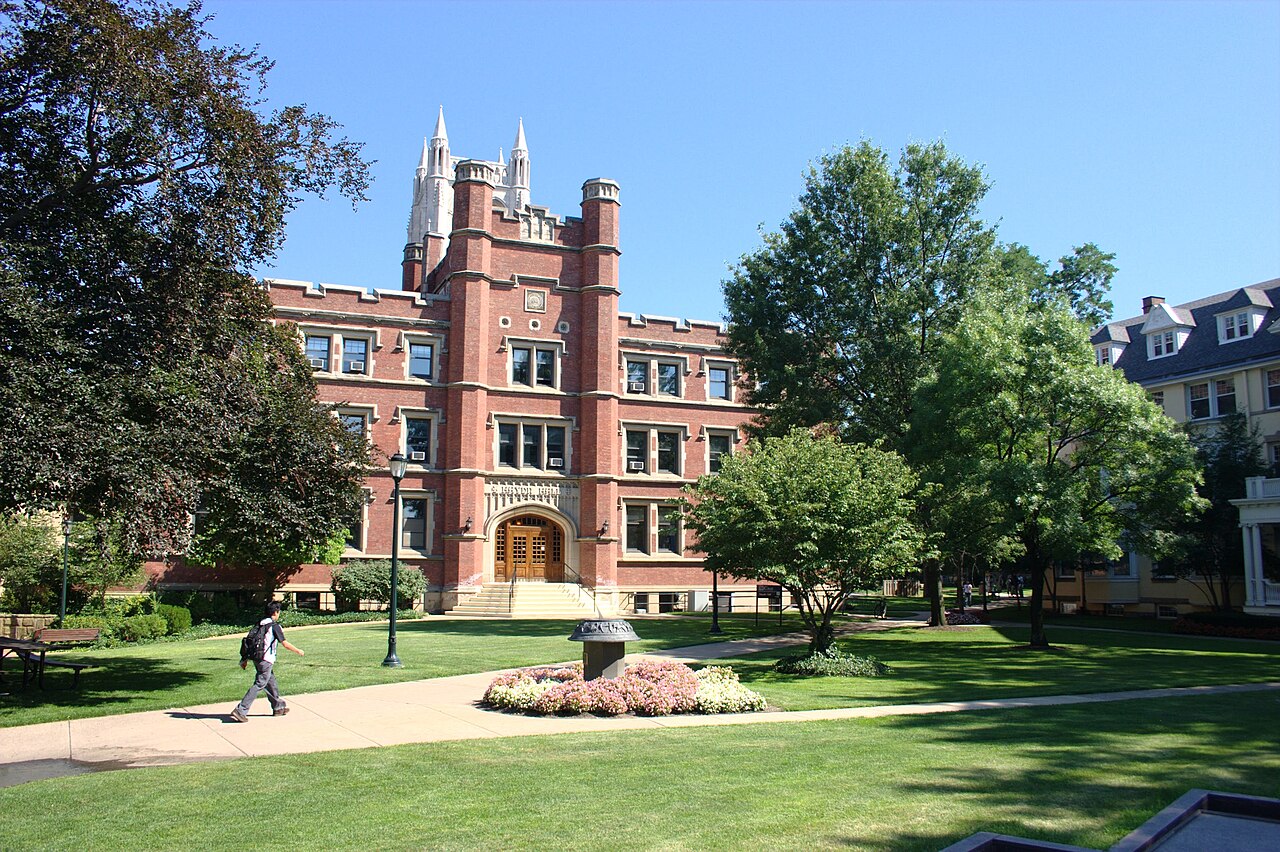
The Master of Accountancy (MAcc) program at Case Western Reserve University's Weatherhead School of Management equips you with essential skills for roles in public accounting, corporations, and non-profit organizations. This program emphasizes durable skills in a landscape shaped by technology and evolving regulations. You'll learn the 'language of business' and how organizations use accounting to communicate performance, justify decisions, and build trust. The MAcc offers two tracks: a two-semester (30 credit hours) option for quick career launch, focusing on accounting expertise and professional judgment, or a STEM-designated track (39 credit hours) for in-demand skills in analytics, technology, and data-driven decision-making. Both paths prepare you with comprehensive knowledge, practical experience, and confidence for a competitive market. The program can be completed in as little as nine months or extended to accommodate working professionals, allowing for internships or continued employment.
Frequently asked questions
How much does a Finance programme cost in the United States?
+
Tuition ranges from free (for some funded graduate places) to approximately €75k per year; most programmes for international students fall in the €15k–€50k range depending on the institution.
Which US universities offer Finance programmes?
+
This hub covers 55 universities including New York University, Rice University, the University of California Davis, the University of Pittsburgh, Purdue University Northwest, and the University of Colorado Boulder.
Can international students apply for Finance programmes in the US?
+
Yes; US finance programmes at all levels actively recruit international students, and many master's in finance or MBA programmes have very international cohorts.
What entry requirements are typical for US Finance programmes?
+
Bachelor's applicants need strong grades in mathematics and a secondary-school diploma; master's applicants typically need a relevant undergraduate degree, GMAT or GRE scores, and work experience for MBA-track programmes.
How do I apply to a Finance programme in the US?
+
Undergraduate applicants use the Common App or institutional portals; graduate applicants apply directly to each programme, with varying requirements for test scores, essays, and recommendation letters.