Bachelor's in Finance in United States
The United States offers 53 Bachelor's programmes in Finance across 25 universities, with all 53 programmes listed as tuition-free — making this one of the most accessible undergraduate finance landscapes available to students. Institutions such as Stony Brook University, Purdue University Northwest, and Baldwin Wallace University offer structured finance degrees covering corporate finance, investment analysis, financial accounting, and quantitative methods within robust university environments.
The University of Central Oklahoma, West Virginia Wesleyan College, and Troy University represent a mix of regional state institutions and private colleges, each providing finance curricula tied to professional certification preparation and local business communities. With all programmes reporting zero tuition cost in this dataset, students should confirm current fee schedules directly with each institution, as institutional fees, housing, and living costs still apply.
Accounting
Prepare for a career in accounting, a field known for its analytical demands, financial stability, and opportunities for advancement. This program equips you with the knowledge needed for diverse roles in commercial business, finance, and specialized accounting areas. The curriculum is designed to prepare you for professional certifications such as the CPA exam.

Accounting
Accounting
Sullivan University's Accounting program is designed to equip you with practical skills that are highly valued by employers. You'll benefit from a cutting-edge curriculum and real-world experience, ensuring you're prepared for success in the dynamic business environment. Our faculty comprises experienced professionals, consultants, entrepreneurs, and academics who bring current market knowledge and practical insights into the classroom. Through hands-on learning and strong connections with local businesses, you'll gain the expertise needed to thrive.

Accounting (B.B.A.)
The Bachelor of Business Administration (B.B.A.) in Accounting program at Oklahoma Christian University prepares students for a variety of entry-level roles in public, private, and governmental accounting. The curriculum emphasizes foundational business principles, ethical considerations, and practical skills necessary for success in the field. Graduates will gain competency in financial and managerial accounting, income tax determination, and the use of accounting information systems. The program also aims to develop critical thinking, analytical, and communication skills, preparing students to work effectively in a global context.

Accounting (BA, BS)
Accounting (BA)
Accounting (BS)
Accounting Major
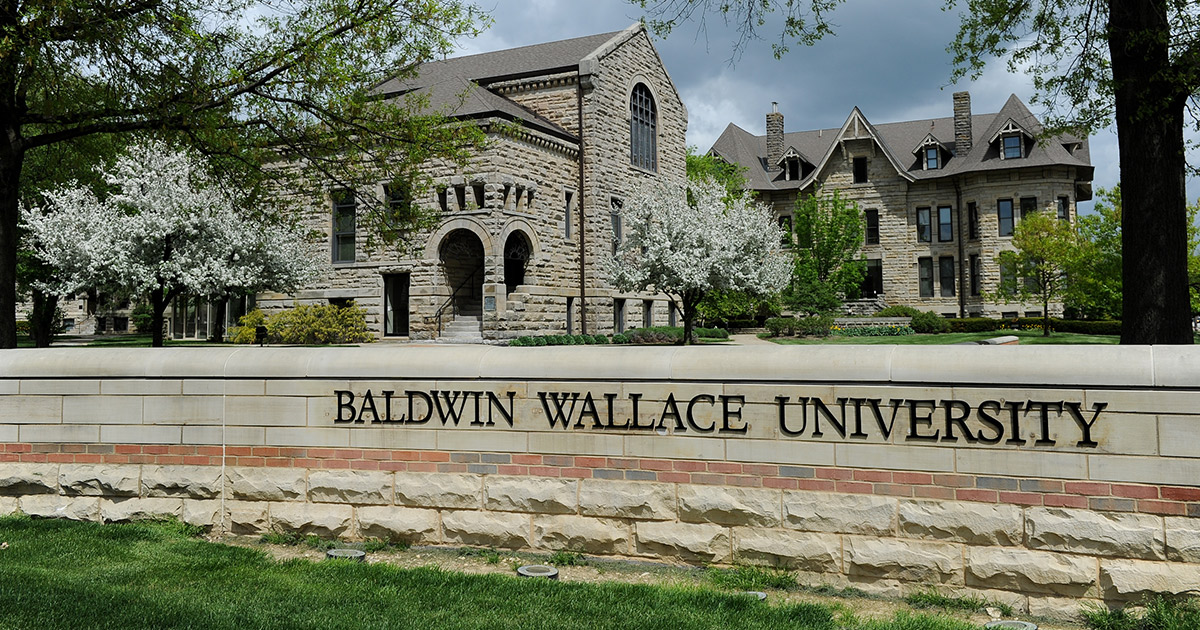
The Accounting major at Baldwin Wallace University equips students with essential technical accounting and financial skills, alongside critical business insights applicable across various career sectors. The program is part of the Carmel Boyer School of Business, where faculty bring decades of national and international corporate, government, and nonprofit experience directly into the classroom. Internships are a cornerstone of the program, with students gaining hands-on experience at leading accounting firms, corporations, and government agencies. This program also fulfills all prerequisites for BW's Master of Accountancy (MAcc), offering a seamless 4+1 pathway for students aiming for advanced study and CPA exam preparation. Accountants play a vital role in modern businesses by providing strategic insights that drive effective decision-making, policy development, and financial operations. Graduates are prepared to become advisors, analysts, and allocation managers. The curriculum emphasizes technology, ethical conduct, and critical thinking, ensuring students are ready for the demands of the profession. Strong connections with alumni and a dedicated Career Center provide extensive networking, mentoring, and job placement support.

Accounting Programs at Stony Brook University
Stony Brook University offers undergraduate and graduate programs in Accounting designed to prepare students for a successful career in the field, including pathways to becoming a Certified Public Accountant (CPA). The demand for accountants and auditors is projected to grow, making it a desirable and stable profession with competitive salaries. The programs provide a strong foundation in financial reporting, taxation, auditing, and managerial accounting, complemented by essential business analytics, finance, and operations coursework. To become a CPA in New York and many other states, a total of 150 credit hours are required, which exceeds the standard undergraduate degree. To meet this requirement and prepare for the CPA exam, Stony Brook offers graduate pathways such as the MBA in Accounting and the MS in Accounting and Analytics. These programs ensure students gain the necessary credit hours and specialized knowledge for professional certification and career advancement.

Accounting—Bridge Program to the M.S. in Accounting, B.S.
This combined Bachelor of Science (B.S.) and Master of Science (M.S.) in Accounting Bridge Program is designed for students aiming for a career in accounting. It allows full-time students to potentially complete both degrees and meet the educational requirements for Certified Public Accountant (CPA) licensure in New Jersey within five years. The program integrates undergraduate and graduate coursework, enabling students to take graduate-level credits as part of their bachelor's degree. Students apply for the Bridge Program after completing 80 undergraduate credits, with specific GPA and coursework requirements in accounting. Upon earning the B.S. in Accounting, students matriculate directly into the M.S. program to finish their graduate studies. This structure helps students efficiently meet the credit requirements for CPA licensure, which typically involves 150 credits.
Accounting, BA/BS
Lindenwood University offers a Bachelor of Arts (BA) and a Bachelor of Science (BS) in Accounting, available in both on-campus and online formats. The BS in Accounting is designed for students seeking in-depth technical accounting and finance coursework, aligning closely with CPA requirements and technical roles. The BA in Accounting provides a broader curriculum with more liberal arts courses, suitable for general business or management positions. Both programs aim to equip students with a comprehensive accounting education and real-world experience. Both the on-campus and online programs emphasize practical application through faculty with real-world experience. Students have the opportunity to gain hands-on experience through the VITA Tax Clinic, where they assist community members with tax preparation under the supervision of an accounting professor. The university also offers flexible course schedules to accommodate students' busy lives.
Accounting, BA/BS (Online)

Accounting, Bachelor of Science
The Bachelor of Science in Accounting program at the University of Central Oklahoma (UCO) equips students with the knowledge and skills to confidently make informed business decisions. This program prepares graduates for a wide range of accounting roles in public accounting, industry, and government. Students will gain a comprehensive understanding of accounting principles and practices, essential for success in the business world.

Accounting, BS
The Bachelor of Science in Accounting program at California Baptist University provides a strong foundation in accounting principles, economics, finance, business law, and ethics, all within a Christian worldview. This program equips students with the analytical and critical thinking skills necessary for a successful career in accounting, including preparation for CPA and CMA exams. The curriculum emphasizes practical application and ethical decision-making, ensuring graduates are well-prepared for the demands of the professional world.
Accounting, BS (Online)
California Baptist University's online Bachelor of Science in Accounting program is designed to equip students with high-demand skills in areas such as tax accounting and auditing. This program provides a strong foundation in core accounting principles, complemented by an interdisciplinary approach that includes economics, finance, business law, international business, business analysis, and marketing. Graduates will gain a comprehensive understanding of the business environment, including ledgers, accruals, financial statements, budgets, and reporting. The curriculum also emphasizes the application of biblical principles for ethically sound financial decision-making.
Accounting/Finance (B.B.A.)
The Bachelor of Business Administration (B.B.A.) in Accounting/Finance at Oklahoma Christian University prepares students for entry-level roles in public, private, or governmental accounting and finance sectors. This program emphasizes foundational business knowledge, ethical considerations within a Christian worldview, and the development of critical thinking, analytical, and communication skills necessary for success in a global business environment. Graduates will gain proficiency in core accounting and finance concepts, financial statement analysis, investment valuation, personal financial planning, and the use of accounting information systems. The curriculum requires a minimum of 122 credit hours, including specific courses in accounting, finance, business law, ethics, and communication, along with a comprehensive university core curriculum. Students may also need to complete elective hours to reach the required total. The program structure ensures graduates are well-equipped to analyze financial performance, make informed investment decisions, and understand taxation and accounting technology. For those seeking to sit for the Certified Public Accountant (CPA) exam in Oklahoma, the program's structure, particularly when combined with a double major in accounting and finance, helps meet the required 150 college credit hours and 36 upper-level accounting course hours.
B.S. Accounting
If you enjoy problem-solving and attention to detail, a career in accounting might be a great fit. Sullivan University's Bachelor of Science in Accounting program combines accounting, business, and IT skills with practical, real-world applications. This program prepares you for various roles in public accounting, management accounting, taxation, and more. You'll benefit from experienced faculty, small class sizes for personalized attention, and hands-on learning opportunities. The curriculum is designed to support your pursuit of certifications such as the Certified Management Accountant (CMA).

B.S. in Accounting Online
The online Bachelor of Science in Accounting program is designed to prepare you for professional accounting roles and equip you with essential business concepts. This program focuses on practical coursework that mirrors real-world accounting tasks, including financial statement preparation, tax support, and record review for accuracy and risk. You will also gain proficiency in common accounting software and spreadsheet tools. The curriculum is structured to align with the 150 credit hours often required for CPA eligibility, directly connecting your education to career advancement. The program is fully online, offers multiple start dates, and features accelerated 7-week courses, making it ideal for working adults. Up to 90 credits can be transferred, which can reduce both the time and cost of completing your degree.

Bachelor of Applied Science (BAS) in Accounting with International Accounting
The Bachelor of Applied Science (BAS) in Accounting with International Accounting (AIA) program at North Seattle College prepares students for careers in accounting. It provides a strong foundation in accounting principles, including U.S. Generally Accepted Accounting Principles (GAAP) and auditing standards. The program also focuses on International Financial Reporting Standards (IFRS), equipping graduates with skills relevant to global business and the Seattle area's international market. Graduates will gain practical skills such as workload organization, financial statement preparation, and the use of accounting software. The program is designed to help students meet the requirements for the Washington State CPA licensure. International students are eligible to apply, but should note that upper-division courses are online, requiring careful planning for any on-campus attendance needed for F-1 visa compliance.

Bachelor of Business Administration in Accounting
The Bachelor of Business Administration in Accounting program at Monroe College is designed to equip students with the essential knowledge and skills for successful careers in accounting. This program prepares graduates for roles in corporate and public accounting, business, and finance across various industries. The curriculum focuses on applying accounting concepts to real-world problems, developing expertise in accounting technology, and preparing students for immediate employment or further academic pursuits, including master's degrees and the Certified Public Accountant (CPA) exam. Upon completion of this program, students will be able to effectively analyze financial situations, research specific areas within accounting, and present their findings. The program emphasizes the development of a clear career plan to secure relevant positions or to pursue advanced studies. Graduates will be well-rounded professionals, adept at utilizing technology solutions commonly employed by employers in the field.

Bachelor of Science in Accounting

Bachelor of Science in Accounting
Stevenson University's Bachelor of Science in Accounting program integrates accounting, information technology, and business principles to prepare students for the modern professional landscape. The curriculum emphasizes developing technical accounting knowledge, ethical decision-making, problem-solving skills, and effective communication. Graduates are well-prepared for professional certification pathways, including the CPA exam, and for leadership roles in public accounting, corporate finance, and advisory services. The program also offers a Bachelor’s to Master’s Option, allowing students to pursue advanced degrees in fields like Forensic Accounting or Business Technology Management in as little as five years.

Bachelor of Science in Business - Finance
Purdue University Northwest's Bachelor of Science in Business with a specialization in Finance is designed to immerse you in the financial world. This rigorous program equips you with the knowledge and skills to understand and navigate investments, international finance, corporate finance, financial markets, and derivatives. Upon completion, you will be prepared to enter leading companies with a strong educational foundation in finance.
Bachelor of Science in Business - Finance, Banking Concentration
Purdue University Northwest's Bachelor of Science in Business with a concentration in Banking is designed to equip you with the specialized knowledge and skills needed to succeed in the financial services industry. Developed in collaboration with the Indiana Bankers Association, this program offers an industry-driven curriculum that focuses on the unique aspects of banking. You will gain a comprehensive understanding of financial markets, institutions, and contemporary practices, preparing you for immediate employment upon graduation.

Bachelor of Science in Business Administration
The Bachelor of Science in Business Administration (BSBA) at Tusculum University is designed to develop ethically, globally, and civically engaged business leaders. The program provides a comprehensive foundation across essential business areas, with a specific focus on the global marketplace, ethical decision-making, workplace diversity, teamwork, and personal responsibility. Graduates are prepared for diverse career paths, including entrepreneurship, management, consulting, and further education, with those achieving a 3.0 GPA automatically qualifying for admission into the university's MBA program.

Bachelor of Science in Business Administration (B.S.B.A.) - Accounting
Troy University's Bachelor of Science in Business Administration (B.S.B.A.) with a major in Accounting equips students with essential skills for a successful career in the in-demand field of professional accounting. This program is ideal for individuals with strong analytical skills, an interest in numbers, and a desire to develop critical business acumen. It prepares graduates for entry-level roles in public, private, or government accounting, or for further graduate study. The program emphasizes a career-focused approach, ensuring students gain practical experience through internships and develop leadership skills. The curriculum provides a robust foundation in accounting principles alongside broader business topics such as marketing, finance, and management, ensuring graduates are well-rounded and ready to contribute to business success.

Bachelor of Science in Finance
The Bachelor of Science in Finance program at Penn State World Campus is designed for students who want to gain a comprehensive understanding of financial principles and practices. This online degree program equips you with the knowledge and skills needed for a successful career in various financial fields, including corporate finance, investments, and financial analysis. The curriculum covers essential topics such as financial markets, financial planning, risk management, and financial modeling, preparing you to make informed financial decisions.
Bachelor of Science in Finance
Bachelor's Degree in Accounting
The Bachelor of Science in Accounting program at Purdue University Northwest equips students with the essential skills to become effective decision-makers in various sectors, including corporate, small business, non-profit, and education. This program provides a strong foundation for entry-level accounting roles and further graduate studies. The curriculum combines general education, core business courses, and specialized accounting subjects, with a significant emphasis on experiential learning to apply knowledge in real-world settings.
Bachelor’s Degree in Finance
Maryville University offers a Bachelor of Science in Finance designed to equip students with the essential skills for success in today's complex financial landscape. This program provides a strong foundation in financial analysis, portfolio management, and corporate finance. Through project-based learning and professional partnerships, students gain practical experience and develop industry connections. The finance major prepares graduates for a wide range of careers in commercial banks, investment firms, insurance companies, and regulatory agencies. Maryville's strong network of professional contacts, including prominent firms like Edward Jones, facilitates internships and post-graduation employment opportunities, ensuring students are well-prepared for the demands of the financial services industry.
Bachelor's in Accounting
Maryville University's Bachelor's in Accounting program focuses on developing critical thinking skills and a deep understanding of financial principles beyond simple calculations. You will learn from experienced faculty and industry professionals, gaining practical insights and building valuable connections within the accounting field. This degree prepares you for diverse career paths, including becoming a Certified Public Accountant (CPA), working in auditing, or pursuing forensic accounting roles. Throughout your studies, you'll have opportunities for internships and real-world projects, allowing you to apply your technical knowledge in professional settings. Maryville also emphasizes personalized education through life coaching and provides students with an iPad and access to over 200 apps to enhance their learning experience.
Banking minor
BS in Accounting
The Bachelor of Science (BS) in Accounting program provides a comprehensive education focused on accounting principles and practices. This program is designed to meet the needs of students aiming for careers in public accounting, corporate accounting, government accounting, and auditing. The curriculum emphasizes a student-centered learning approach, preparing graduates for professional roles in the field. The program requires 126 credit hours for completion, encompassing core business components, professional accountancy requirements, cognate subjects, and electives. Graduates will be well-equipped with the knowledge and skills necessary to excel in the dynamic world of accounting.
Business and Accounting Degrees
Monroe University's School of Business and Accounting offers a range of programs designed to provide students with hands-on learning experiences, essential technology skills, and a strong focus on global business and entrepreneurship. The curriculum emphasizes critical thinking, decision-making, and adaptability in an ever-changing global market. Faculty, often composed of experienced professionals and executives, guide students in developing communication, collaboration, and cultural intelligence. The programs aim to produce ethically responsible global citizens prepared for success in their chosen professions.

Business Management - Accounting
This program is designed to prepare students for entry-level accounting positions across various industries and organizations. You will learn to apply generally accepted accounting principles to real-world situations.
Film Studies, Minor
The Film Studies minor at the University of Central Oklahoma is designed for students who are captivated by the art and impact of cinema. This program offers an opportunity to delve into the analysis and understanding of films, encouraging students to explore the visual storytelling and cultural significance of the medium. It is ideal for those who enjoy dissecting the nuances of movies and wish to develop a deeper appreciation for filmmaking.
Finance (B.B.A.)
The Bachelor of Business Administration (B.B.A.) in Finance program at Oklahoma Christian University is designed to equip students with the knowledge and skills necessary for successful careers in the financial services sector or corporate financial management. This program emphasizes the development of effective practitioners who can analyze financial performance, make sound investment decisions, and understand personal financial planning. Graduates are prepared for direct entry into the workforce or for further graduate studies in business, law, or other professional fields.
Finance (BA, BS)
Finance (BS) with Emphasis in Investments
Finance (Investments Emphasis) - BA/BS
Lindenwood University offers a Bachelor of Arts (BA) and Bachelor of Science (BS) degree with an emphasis in Investments within the Finance program. This program is designed for students interested in gaining expertise in areas such as international finance, corporate finance, and financial economics. The degree is primarily offered on-campus, though some online courses may be required for completion. The program is housed within the Plaster College of Business and Entrepreneurship.

Finance, B.S.
The Finance program at Utica University is designed for students with strong analytical and communication skills who are interested in managing money. This program provides a comprehensive understanding of investing, borrowing, budgeting, and saving, preparing students to become trusted professionals in the financial world. You will gain a solid foundation in core business principles, including accounting and economics, and then delve into advanced financial concepts applicable to both corporate and personal investment decisions. The curriculum emphasizes practical application, offering hands-on experience from the first year through courses like the Investment Practicum, where you'll make real stock investment decisions using university-funded money. Students can also join the Investment Club to manage a substantial portfolio, engage with industry leaders through guest lectures, and participate in trips to financial centers and academic conferences.
Finance, BA/BS
Lindenwood University's Plaster College of Business and Entrepreneurship offers a Bachelor of Arts (BA) or Bachelor of Science (BS) in Finance. This program is designed to equip students with a strong understanding of financial principles and practical skills for managing money in real-world business scenarios. The curriculum focuses on both fundamental theories and applied knowledge, preparing graduates for diverse roles in the financial sector. The university provides comprehensive support services, including academic advising, career services, and technical assistance, to help students succeed.

Finance, Management Science, and Technology
The study of finance at Washington State University prepares you to make informed financial decisions in various contexts. You will learn to analyze investment opportunities, understand how firms raise capital, and manage financial risks effectively. The program emphasizes the critical roles of cash flow, timing, and risk assessment, drawing upon foundational knowledge in economics, accounting, statistics, and decision sciences. A unique aspect of the program is the opportunity to manage the Cougar Investment Fund, a real endowment valued at approximately $6.7 million, where students conduct research and recommend stock investments, aiming to outperform market benchmarks like the S&P 500.
Financial Planning minor and certificate

University of Minnesota - Academic Programs
The University of Minnesota offers a wide array of undergraduate and graduate programs across various disciplines. Students can choose from a broad spectrum of majors and minors designed to provide specialized knowledge and skills. The university emphasizes classroom-based learning for most programs, fostering an environment of direct engagement and interaction.
Frequently asked questions
How much does a Bachelor's in Finance cost in the United States?
+
All 53 programmes in this listing report zero tuition. Students should confirm current fee schedules directly with each institution, as fees, living costs, and other charges may still apply.
Which universities offer a Bachelor's in Finance in the United States?
+
25 universities offer these programmes, including Stony Brook University, Purdue University Northwest, Baldwin Wallace University, the University of Central Oklahoma, West Virginia Wesleyan College, and Troy University.
Can international students apply for a Finance bachelor's degree in the United States?
+
Yes, US universities welcome international undergraduate applicants; requirements typically include secondary school transcripts, English proficiency for non-native speakers, and standardised test scores at some institutions.
What are the entry requirements for a Finance bachelor's degree in the United States?
+
Requirements generally include a completed secondary education with strong mathematics results, English language proficiency, a personal statement, and letters of recommendation. Some schools may require SAT or ACT scores.
How do I apply for a Bachelor's in Finance in the United States?
+
Apply through each university's undergraduate admissions office or the Common App where available. Confirm deadlines, required documents, and any remaining cost obligations with each institution directly.