Bachelor's in Media & Communication in United States
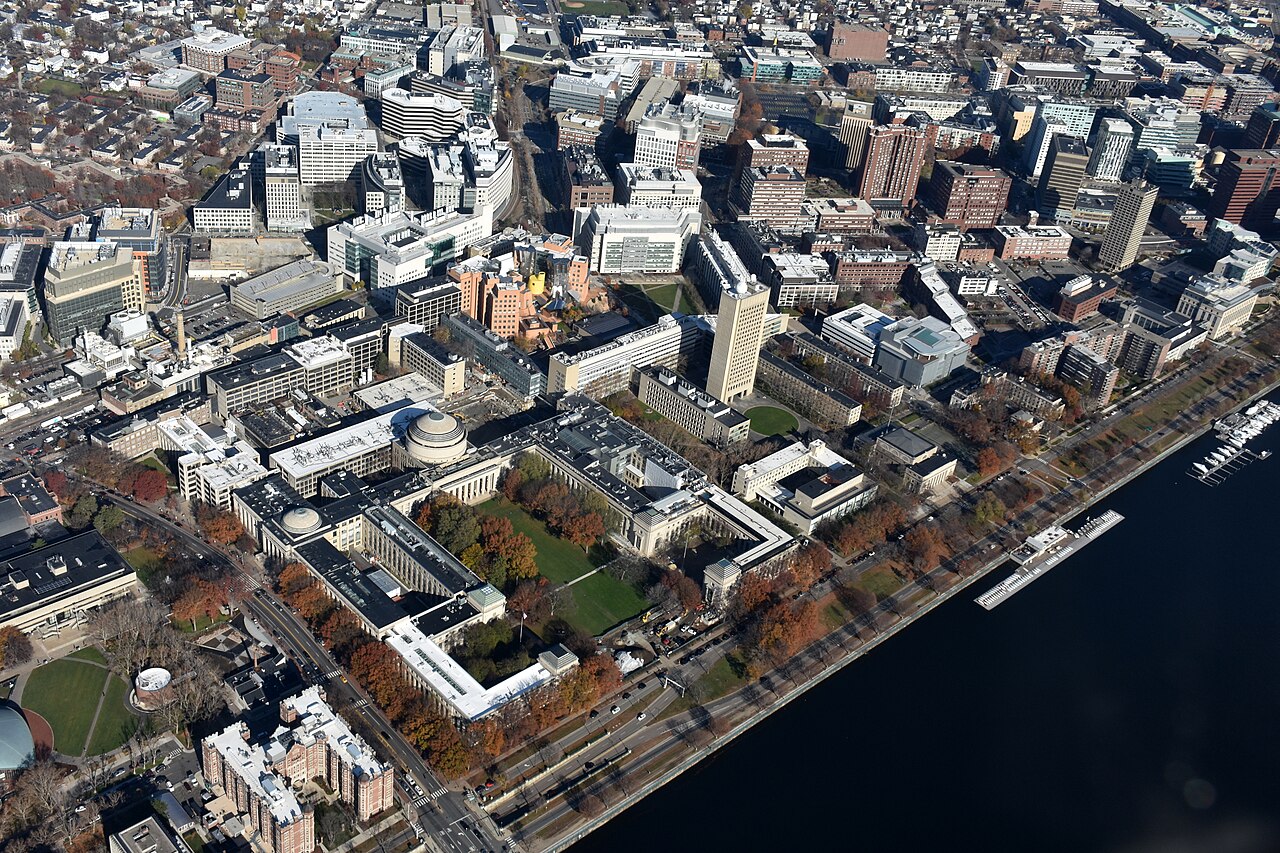
The United States offers 38 Bachelor's programmes in Media & Communication across 25 universities, covering journalism, public relations, digital media, film, and broadcasting. Institutions range from research universities such as Massachusetts Institute of Technology to smaller, career-focused colleges like Stevenson University, Lindenwood University, and Oklahoma Christian University, giving students a broad range of learning environments and specialisations.
Some programmes in this listing are available at no tuition cost, reflecting specific institutional scholarships or funding arrangements — check each university's current fee schedule to confirm. International applicants generally need a secondary-school diploma, English proficiency documentation, and sometimes a writing portfolio or personal statement. Many programmes offer internship placements and industry partnerships that are worth evaluating when comparing options.

Advertising and Public Relations (BA)
Advertising and Public Relations, BA
Lindenwood University offers a Bachelor of Arts in Advertising and Public Relations designed to equip students with practical skills for careers in a rapidly evolving industry. The program emphasizes communication across various media, combining theoretical knowledge with hands-on application through real-life projects and professional events. Graduates are prepared to become strategic team players and leaders in advertising and public relations. This degree integrates coursework from advertising, art and design, business, communications, digital media, and marketing. The curriculum is structured to introduce foundational concepts, provide opportunities for practice, and culminate in advanced coursework where students develop their own campaigns. The program is taught by experienced practitioners who understand the current industry landscape and its challenges.

BA in Visual Arts and Experimental Media
The Bachelor of Arts in Visual Arts and Experimental Media program at the College of Mount Saint Vincent offers a comprehensive education for students interested in exploring diverse forms of artistic expression. This program combines foundational art principles with the latest in experimental media and digital technologies, preparing students for a wide range of creative careers. Students will develop critical thinking, technical skills, and a unique artistic voice through a curriculum that encourages interdisciplinary exploration.

Bachelor of Applied Science in Digital Art and Media
The Bachelor of Applied Science in Digital Art and Media is designed to equip students with the advanced creative and technical skills needed for careers in fields such as graphic design, illustration, visual communication, and animation. The program emphasizes hands-on learning in areas including digital audio and video production, web design, and animation. Students will develop the ability to craft compelling digital narratives and build a strong professional portfolio.

Bachelor of Arts in Communication
Bachelor of Arts in Digital Media Art & Design (BA DMAD)
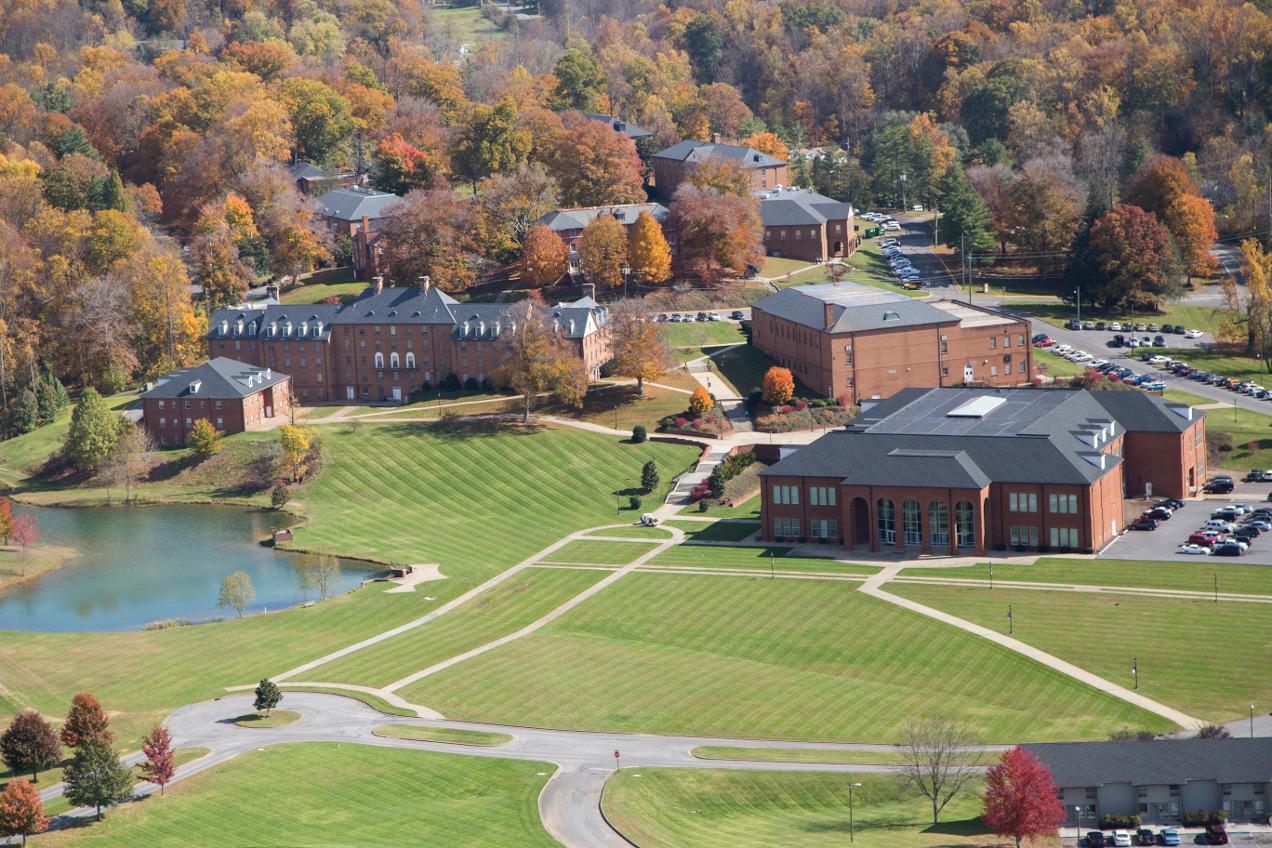
The Bachelor of Arts (BA) in Digital Media Art & Design (DMAD) at King University is designed to equip students with both the creative and technical skills necessary for visual communication in the digital age. This program transforms your passion for areas like digital photography, videography, and graphic design into a foundation for a career in the evolving digital media field. The curriculum emphasizes developing a strong portfolio through hands-on projects and provides a unique business component tailored for visual artists, preparing you to enter the industry or start your own ventures. You will learn to use industry-standard software and hardware in a supportive community, guided by expert faculty dedicated to your success.

Business Communication
The Business Communication program at Stevenson University equips students with the skills to craft compelling messages for businesses. You'll learn to tell unique stories through a blend of communication, business, writing, and design principles. This program prepares you for a variety of roles in fields such as public relations, social media management, content creation, and event planning. Graduates will be proficient in oral and written communication, business writing, multimedia presentations, publication design, information technology, and practical internship experience.

California State University Channel Islands Programs
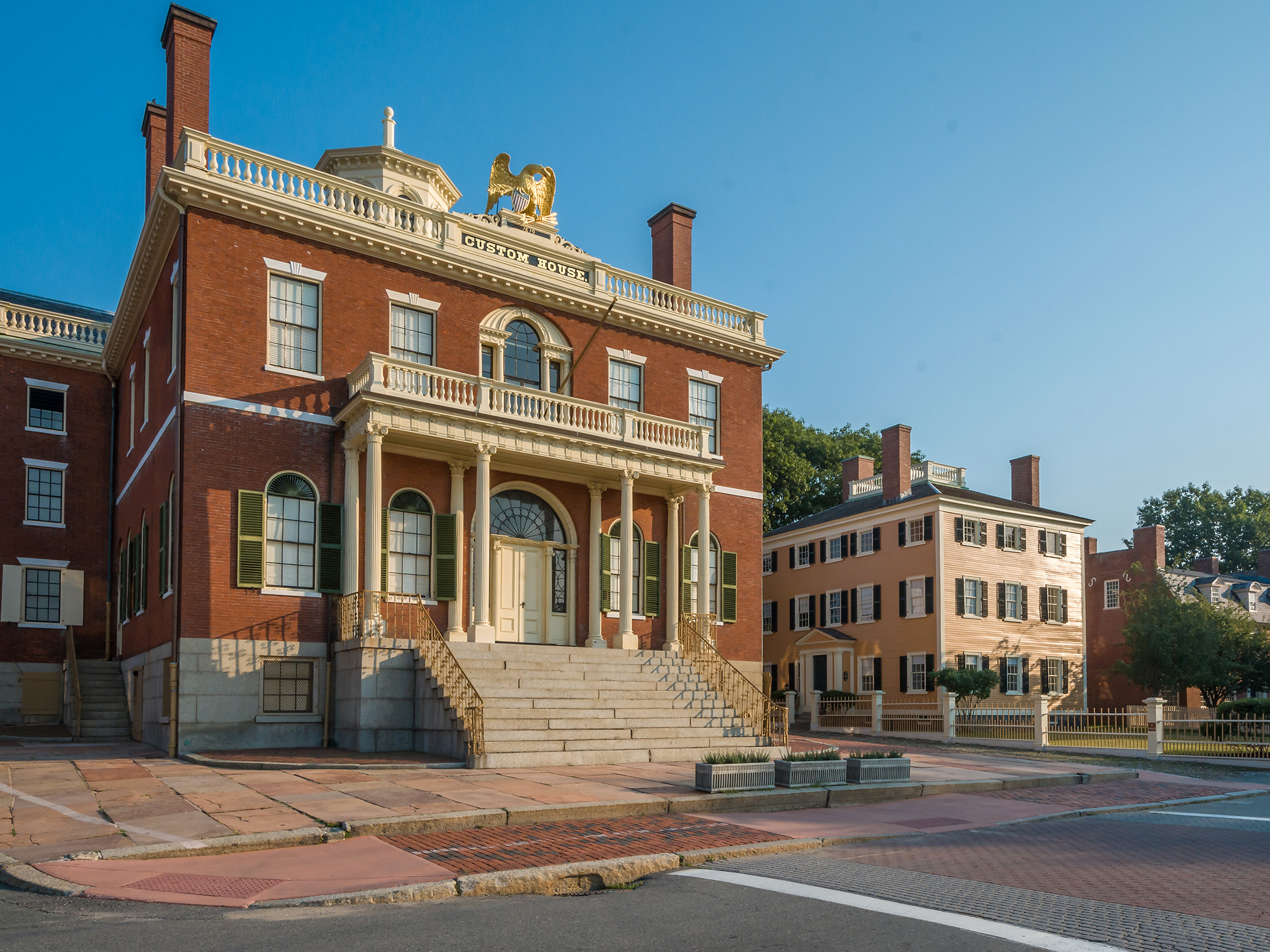
California State University Channel Islands (CSUCI) offers a wide range of academic programs designed to provide students with a comprehensive and engaging educational experience. Located between the Santa Monica Mountains and the Pacific Ocean, CSUCI provides a unique and inspiring setting for learning. The university emphasizes a student-centered approach, fostering a supportive community where students can explore their interests and prepare for future careers. With a commitment to affordability, CSUCI also offers significant financial aid opportunities to its students.
Communication
The Communication program offers degrees designed to prepare students for diverse careers in the dynamic field of communication. Specializations include advertising, communication studies, film, integrated marketing communication, media production, multimedia journalism, and public relations. The program structure emphasizes sequential course completion as outlined in the Graduation Map, with all courses listed in the Catalog being mandatory for each degree.

Communication
The Bachelor of Arts in Communication at Texas A&M University focuses on how people use messages to create meaning across various contexts, cultures, channels, and media. This program examines communication as the sharing of symbols, covering a broad spectrum from face-to-face interactions to mass media. Students will gain a strong background in communication processes and theories, while developing valuable skills for the professional world. The curriculum emphasizes influencing and persuading others through language, visuals, and diverse media. The discipline also explores how audiences interpret information and the political, cultural, economic, and social dimensions of speech and language. This degree prepares students for a wide array of career paths where strong communication skills are essential.
Communication (B.S.)
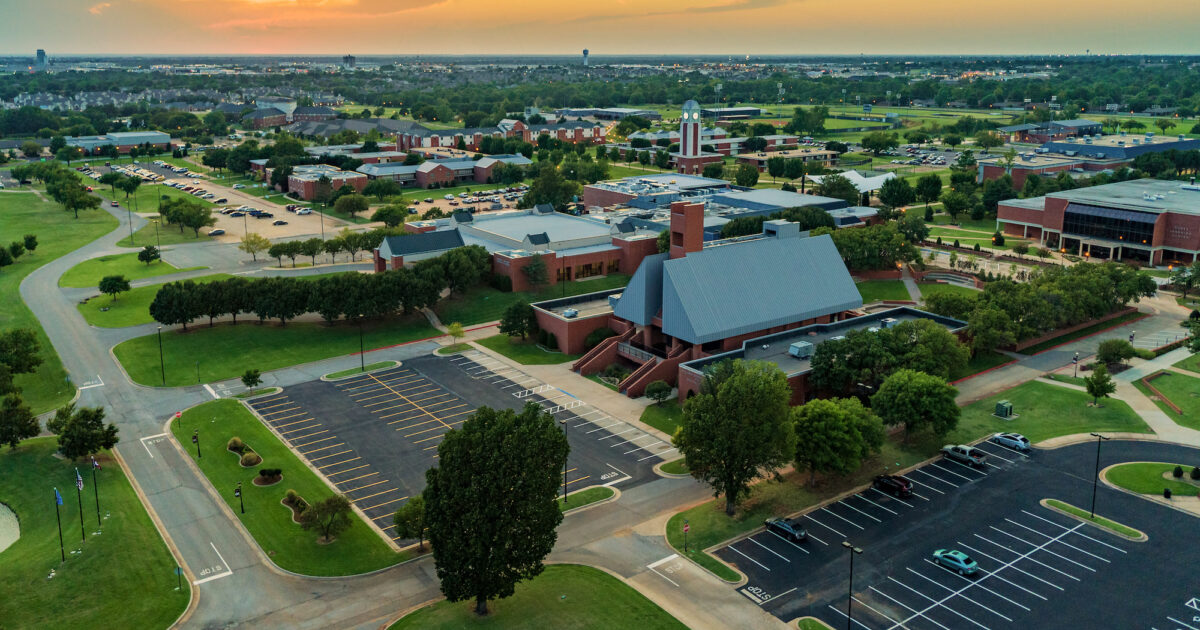
The Bachelor of Science in Communication program equips students with a strong foundation in communication theories, principles, and ethical practices. This degree prepares graduates to critically analyze messages, create effective communications tailored to specific audiences and purposes, and apply their knowledge in various professional settings. The program requires a total of 122 credit hours, including the major, a minor, and the university's core curriculum. Students will complete 43 hours within the Communication Department, comprising core courses and electives, and must also fulfill an 18-hour minor requirement chosen from the university catalog.

Communication & Media - B.A.
West Virginia Wesleyan College offers two distinct Bachelor of Arts degrees within the Communication and Media Department: Communication and Media Communication. The Communication major delves into how we create and interpret meaning through message design, delivery, and evaluation across various individuals, media, cultures, and contexts. It's ideal for students interested in fields like writing, editing, publishing, non-profit work, management, human resources, advertising, public relations, and event planning. The Media Communication major focuses on the significant role media plays in our lives. It equips students with media literacy skills and broadcasting techniques to effectively express their perspectives through various media platforms. This major is well-suited for aspiring journalists, broadcast professionals (TV, radio, news), content creators, influencers, marketing specialists, and those interested in graphic design, video production, or podcasting. Both programs emphasize hands-on learning, portfolio development for graduate school or employment, and the opportunity to dual major with another field of interest at WVWC. Graduates are prepared for diverse career paths in both private and public sectors.
Communication and Innovation Minor
The Communication and Innovation minor at Stony Brook University is designed for students pursuing STEM degrees. It aims to equip students with essential skills for the modern workforce, focusing on teamwork, effective communication (interpersonal and media), creativity, entrepreneurship, ethics, and leadership. This program is a collaboration between the School of Communication and Journalism and the College of Business.
Communication Sciences and Disorders Major
The Bachelor's in Communication Sciences and Disorders program at Maryville University prepares students to help individuals of all ages overcome speech, language, and communication challenges. This program combines rigorous academic coursework with practical, hands-on experiences, equipping graduates for further study in graduate programs for speech-language pathology. Students will train in state-of-the-art facilities, gaining access to advanced speech and language therapy resources.
Communication Sciences and Disorders Major
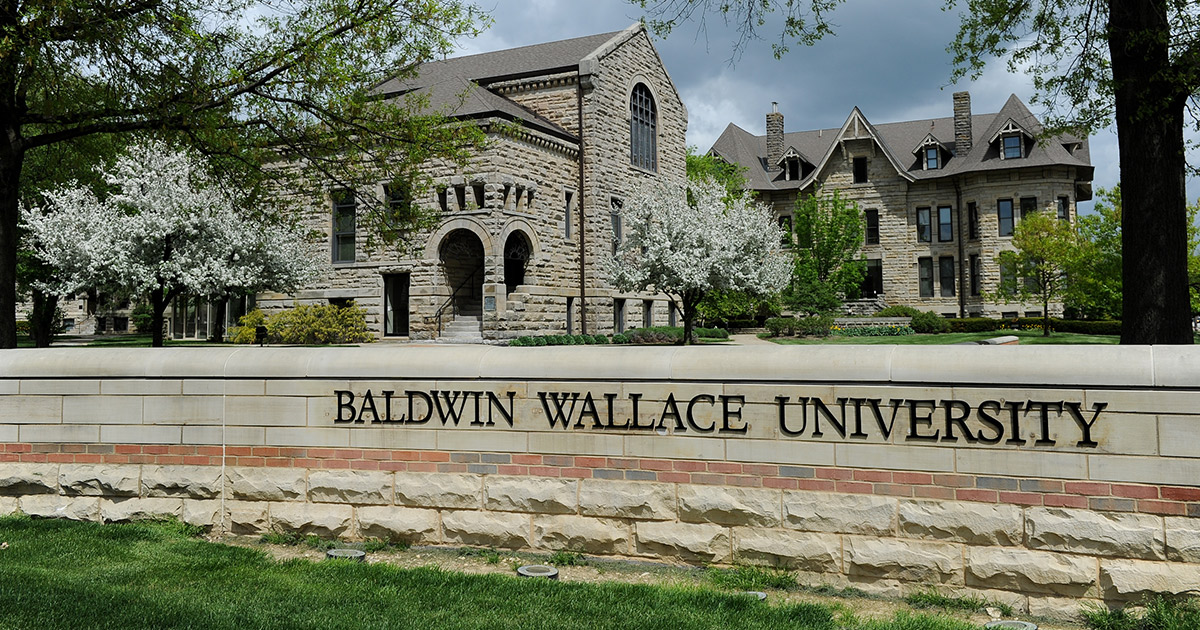
The Communication Sciences and Disorders major at Baldwin Wallace University prepares students for careers focused on speech, language, and hearing. This program offers two study tracks: a traditional four-year Bachelor of Science (B.S.) degree and an integrated five-year B.S./Master of Science (M.S.) program in Speech-Language Pathology (SLP). The integrated program allows students to earn both degrees in five years, accelerating their entry into the workforce. Students in this program benefit from learning from experienced professors and participating in research. You will gain practical experience by working with diverse clients at BW's Speech Clinic, as well as through community agencies, internships, and volunteer opportunities. The program has a strong track record of graduate school acceptance, with 95% of its graduates being accepted into graduate programs over the past 21 years, significantly higher than the national average. This major provides excellent preparation for further study in areas such as speech-language pathology, audiology, and other allied health fields. The five-year integrated B.S./M.S. in SLP allows qualified students to begin graduate-level coursework in their fourth year, preparing them for a professional career in speech-language pathology a year earlier than traditional paths.
Communication Studies
The Communication Studies program at Stevenson University equips you with essential skills to understand, create, and sustain relationships through effective communication. This program empowers you to influence others, build connections, challenge assumptions, and advocate for yourself and others. You will learn to analyze messages critically, evaluate ethical considerations in communication, and use communication to foster understanding and empathy across diverse perspectives.

Communication Studies, Bachelor of Arts
Communication Studies at Young Harris College explores how people use messages to create meaning across various forms, media, and contexts. This discipline uses humanities, social scientific, and aesthetic approaches to understand communication. The program builds on a liberal arts foundation, incorporating research skills and offering diverse courses in interpersonal, media, rhetorical, and critical analysis areas.
Communication, Art, and Media
The Division of Communication, Art, and Media at the College of Mount Saint Vincent offers a comprehensive program blending theoretical knowledge with practical application. Located in New York City, students gain a robust understanding of various fields including communication, studio art, theatre, art history, and visual arts and experimental media. The program emphasizes critical thinking, integrating theory with practice, and addressing social issues through creative expression. Students are prepared for diverse and evolving industries through dynamic courses and engaging experiences, including internships and connections with industry professionals.

Communication, BA
The Bachelor of Arts (BA) in Communication program at San Diego Christian College (SDCC) equips students with essential writing and speaking skills applicable across various fields, including business, academia, and ministry. This program integrates major and general education coursework with a spiritual foundation, helping students understand the nature of human communication and its role in fostering well-being, building connections, promoting civic engagement, and enabling participation in a global community. The curriculum is designed to prepare graduates to inform, educate, entertain, and persuade effectively, with a focus on applying communication theories within a biblical framework.
Communication, Bachelor of Arts
The Bachelor of Arts in Communication program explores the dynamic principles of communication in various contexts, from face-to-face interactions to mediated channels. You will develop essential skills in researching, creating, performing, and interpreting messages. This versatile degree equips you to build connections and resolve conflicts, preparing you for diverse careers in fields such as government, education, and public relations.
Communication, Bachelor of Science
Maryville University's Bachelor of Science in Communication program prepares students to effectively navigate and excel in today's dynamic media and communication landscapes. The program offers two distinct areas of emphasis: Emerging Media Strategy and Social Media, and Strategic Communication. A mandatory internship component allows students to gain practical, real-world experience with corporations, non-profit organizations, or academic institutions, bridging academic learning with professional application.
Communications (BA)
Lindenwood University's Bachelor of Arts in Communication prepares students to excel in today's dynamic media landscape. The program combines fundamental communication principles with practical training in new technologies, equipping graduates with the skills to create compelling content, foster connections, and navigate evolving media platforms. Students gain hands-on experience in areas like video production, radio broadcasting, journalism, public speaking, and digital media strategy. The curriculum can be pursued on-campus, online, or through a blended format, with options to specialize in Journalism or Broadcast & Media Production.

Computational Media Major and Minor
The Computational Media program at Duke University offers an interdepartmental major and minor designed for students interested in the intersection of art, computation, and culture. This program combines theoretical and critical engagement with computational media with a strong foundation in computer science principles and hands-on practice. It is ideal for students pursuing interests in areas such as digital humanities, algorithmic arts, user interface design, game studies, digital storytelling, data visualization, and media ethics.

Digital Media Production
This course provides a foundational understanding of digital media production, integrating artistic principles with technological applications. Students will learn to create multimedia content by mastering key software tools for audio, image, and video editing. The curriculum focuses on developing practical skills in audio engineering using Adobe Audition, image manipulation with Adobe Photoshop, and video production through Adobe Premiere Pro. The objective is to enable students to combine these individual skills to produce comprehensive and creative digital media projects.

Film & Media Studies
The Film & Media Studies program at Dartmouth College offers a multidisciplinary approach to understanding the history, theory, and creation of various media forms. This includes film, television, video, animation, games, graphic arts, comics, digital art, and data visualizations, all within a liberal arts framework. Students develop both creative and analytical skills, engaging deeply with theories, practices, and the historical contexts of media production and consumption.
Major in Computational Media
Mass Communication, BS
The Mass Communication major at Stony Brook University's School of Communication and Journalism explores how messages are created, distributed across various media platforms, and the impact these messages have. This program delves into social science research to understand why and how messages work. You will learn to analyze and synthesize information, develop critical thinking skills, and gain hands-on experience in message creation and research. This major prepares you for a variety of career paths by equipping you with skills in media analysis, storytelling, message design, and research methods. You'll gain an understanding of how communication functions in society, including its role in combating misinformation and promoting understanding. Graduates are well-prepared for graduate studies or employment in fields like marketing, public relations, digital content creation, and more.
Media Communication

Sports Journalism, BA
The Bachelor of Arts in Sports Journalism at Arizona State University is designed for students passionate about sports and storytelling. This program provides comprehensive preparation for careers in the rapidly growing sports media industry, covering multimedia outlets, social media, podcasting, and team/league platforms. You'll gain practical experience through hands-on coursework in sports writing, photography, TV reporting, live production, and documentary making, all within a city rich with professional sports teams. The Cronkite School is recognized as a leading sports media institution, offering unparalleled opportunities for immersive learning and professional development.
Strategic Communications
The Strategic Communications program at Sullivan University equips you with the skills to master the art of influence through compelling storytelling and strategic messaging. This program is designed for individuals looking to enter or advance in careers that involve connecting audiences with brands in meaningful ways. You will learn to craft effective messages, develop creative campaigns, and leverage media, advertising, and public relations techniques to engage and influence your target audience. The curriculum integrates communication expertise with practical business knowledge, focusing on the 'how' and 'why' behind successful campaigns. The program emphasizes hands-on learning to ensure relevance and prepare you for real-world challenges, ultimately helping you stand out in the field.
The Film Experience
This course focuses on the close analysis and critical study of a diverse array of films. It covers movies from the silent era, classic Hollywood genres (including musicals, thrillers, and westerns), and significant European and Japanese art cinema. The curriculum explores the works of influential directors such as Griffith, Chaplin, Keaton, Capra, Hawks, Hitchcock, Altman, Renoir, DeSica, and Kurosawa. By comparing films from different historical periods and national contexts, students will develop advanced skills in detailed film analysis, enabling them to formulate interpretations and engage with theoretical concepts related to the audience's experience of cinema.
Theatre: Dance
The Theatre: Dance program at Baldwin Wallace University is a rigorous and comprehensive undergraduate degree designed for students passionate about developing their physical and theatrical skills. This program provides intensive studio training in various dance forms including ballet, jazz, modern, tap, and hip hop, alongside theatrical instruction in acting, stagecraft, makeup, costume design, and lighting design. Students will explore innovative dance modes and a wide range of theatrical styles, preparing them for a dynamic career in the arts. Key features of the program include small class sizes, personalized attention, and mentorship from faculty who are working professionals with extensive experience in national and regional arts organizations. Students gain practical experience through numerous performance opportunities, including main-stage productions, one-act plays, and annual dance concerts. The program emphasizes experiential learning within a liberal arts framework, fostering artistic excellence and creative vision. Beyond technical training, the curriculum encourages students to develop their 'whole-body-instrument' to articulate roles, interpret music, and engage in collaborative artistic projects. The annual dance concert is a highlight, bringing together student choreographers, composers, dancers, and designers to create original, movement-based productions often inspired by academic research.
Frequently asked questions
How many Bachelor's in Media & Communication programmes exist in the United States?
+
There are 38 Bachelor's programmes in Media & Communication at 25 universities in the United States.
Which universities offer a Bachelor's in Media & Communication in the United States?
+
Options include Massachusetts Institute of Technology, Lindenwood University, Oklahoma Christian University, Stevenson University, and King University, among 25 universities.
How much does a Bachelor's in Media & Communication cost in the United States?
+
Some programmes in this listing are available tuition-free through specific institutional arrangements; check each university directly to confirm current fees.
Can international students apply for Media & Communication bachelor's programmes in the United States?
+
Yes; international applicants generally need a secondary-school diploma, English proficiency scores, and any programme-specific materials such as a portfolio or personal statement.
What are typical entry requirements for a Bachelor's in Media & Communication in the United States?
+
Most universities require a high school diploma, a competitive academic record, English language proficiency for non-native speakers, and sometimes a creative portfolio or writing sample.