Bachelor's in Natural Sciences in United States
The United States offers 20 Bachelor's in Natural Sciences programmes across 11 universities, covering disciplines such as biology, chemistry, environmental science, and earth sciences. Institutions including the University of California, Irvine, Stony Brook University, the University of California, Santa Cruz, and Maryville University are among the providers in this listing. Tuition is around €10k per year for the programmes represented here.
US Natural Sciences bachelor's degrees benefit from world-class laboratory infrastructure, research opportunities through faculty-led projects, and links to industries in pharmaceuticals, environmental consulting, and biotechnology. Albany State University and the University of Central Oklahoma also feature in the listing, providing more accessible entry points. Liberal arts science degrees allow students to combine Natural Sciences with other disciplines.
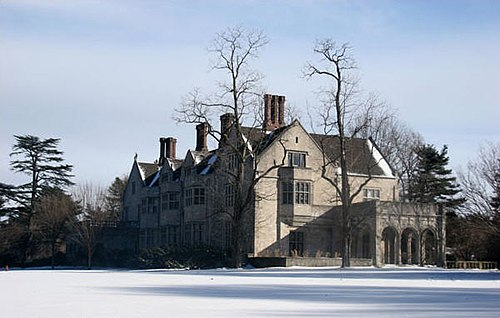
Astronomy/Planetary Sciences, BS
Are you fascinated by the stars and the cosmos? Stony Brook University's Astronomy/Planetary Sciences major offers a comprehensive program for those eager to explore the universe. You will delve into subjects such as galactic and extragalactic astronomy, nuclear and stellar astrophysics, and cosmology. The program provides opportunities to engage in research alongside faculty and observe celestial bodies through the Mount Stony Brook Observatory, located on the roof of the Earth and Space Sciences Building. The department also hosts regular Astronomy Open Nights, featuring lectures and viewing sessions, making the wonders of space accessible to all.
Atmospheric Sciences Programs
The School of Marine and Atmospheric Sciences (SoMAS) at Stony Brook University offers comprehensive educational programs for students interested in the atmosphere and climate. You can pursue a Bachelor of Science (B.S.) in Atmospheric and Oceanic Sciences or a B.S. in Climate Sciences. Graduate degrees, including Master of Science (M.S.) and Doctor of Philosophy (Ph.D.) in Atmospheric Sciences, are also available. These programs provide a strong foundation in the principles governing weather, climate, and atmospheric phenomena, preparing students for diverse career paths in research, forecasting, environmental consulting, and more.
B.S. in Geology
The Bachelor of Science (B.S.) in Geology program at Stony Brook University focuses on the scientific study of the Earth and other planets, exploring their physical and chemical properties and their evolution over geological time. This comprehensive program prepares students for advanced academic pursuits and professional careers in various geological fields. Students can tailor their studies through flexible course clusters focusing on fundamental geological methods, environmental geoscience, or geological oceanography. The program encourages interdisciplinary learning and offers opportunities for dual majors and undergraduate research.

Bachelor's in Forensic Science
Maryville University's Bachelor of Science in Forensic Science program trains students to play a crucial role in the criminal justice system by applying scientific principles to solve crimes. This program blends a strong foundation in physical sciences with practical forensic science applications. Students benefit from small class sizes and hands-on laboratory sessions, providing experience with essential procedures and instruments. The curriculum is designed to equip students to examine real-world forensic cases, preparing them for careers that serve justice.

Comprehensive General Science Education (Grades 6-12)
Troy University's Bachelor of Science in Education in Secondary Comprehensive General Science Education (Grades 6–12) is designed for individuals passionate about science who wish to inspire future generations. This program offers a broad study across biology, chemistry, physics, environmental science, and earth and space science. Beyond scientific content, you will develop essential teaching practices, including lesson design, classroom management, and technology integration, preparing you to teach effectively in grades 6-12.

Earth and Environmental Sciences, B.S. in Earth Science
The Earth Science major at Washington State University provides a comprehensive understanding of Earth's physical, environmental, and biogeochemical processes. This interdisciplinary program equips students with essential knowledge, technical skills, and practical field experience to address critical global challenges. These include the sustainable use of Earth's resources, understanding climate change, managing water and mineral resources, and mitigating the impact of natural hazards like earthquakes, floods, and volcanic activity. Students will engage with cutting-edge science and technology through fieldwork in the diverse landscapes of the Pacific Northwest and have opportunities to collaborate with faculty on research projects.
Earth and Space Sciences Major
The Earth and Space Sciences major offers a Bachelor of Arts degree, providing a broad scientific education across interdisciplinary fields like geology, astronomy, atmospheric science, and marine science. This program allows students to explore various scientific areas and fundamental subjects such as mathematics, physics, chemistry, and biology before specializing in a chosen field. It is ideal for students seeking a comprehensive science background or those aiming for a career in secondary school teaching.

Earth Sciences
The Department of Earth and Planetary Sciences at Dartmouth College offers undergraduate and graduate programs focused on understanding our planet and its systems. Students engage in cutting-edge research, utilizing campus as a living laboratory for projects ranging from CO2 emissions assessment to the study of ancient ice and fossils. The department fosters a dynamic learning environment where undergraduates are integral to ongoing scientific discovery and faculty are recognized for their significant contributions to the field.
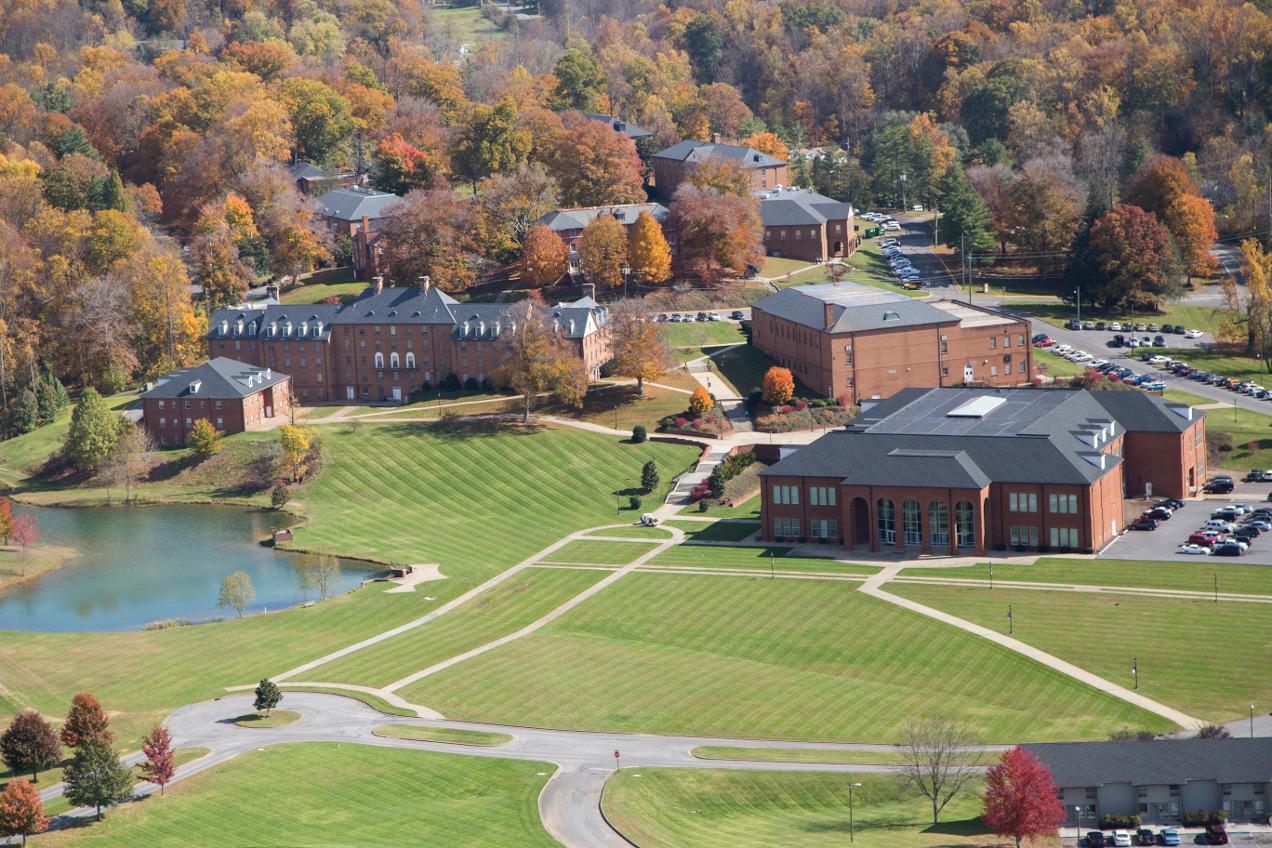
Forensic Science
This program equips you with scientific skills to contribute to societal well-being, public health, and safety. You'll gain a broad foundation in chemistry and biology, alongside essential knowledge in ethics, law, statistics, psychology, communications, and mathematics. The curriculum emphasizes the scientific method, statistical analysis, and effective courtroom presentation. Upon completion, you'll be well-prepared for postgraduate studies in specialized forensic fields such as becoming a medical examiner or forensic specialist. Practical experience includes collaborating with criminal justice students to investigate mock crime scenes.

Forensic Science Institute
The University of Central Oklahoma's Forensic Science Institute (FSI) offers comprehensive programs for students passionate about contributing to the justice system through forensic science. FSI emphasizes hands-on learning, interdisciplinary approaches, and critical thinking, preparing graduates for diverse roles in areas like forensic chemistry, molecular biology, digital forensics, and crime scene investigation. Students actively engage in research and gain practical experience through collaborations with law enforcement agencies and forensic laboratories. Established in 2009, the FSI has grown significantly and is recognized for its FEPAC-accredited program tracks, ranking among the top forensic science institutions nationally in 2021. The institute also offers a Doctor of Science (D.Sc.) in Forensic Science, introduced in Fall 2024.

Forensic Science Program
The Bachelor of Science in Forensic Science at Albany State University provides a strong foundation in the scientific principles and practices of forensic science. This program is designed to prepare students for professional careers in forensic science laboratories, crime scene investigation, and related fields. Emphasizing continuous improvement, technological innovation, and ethical practices, the curriculum aligns with current labor market trends in forensic science and general science. Students will gain practical skills in evidence classification, packing, preservation, and analysis, as well as crime scene reconstruction report writing. The program also focuses on developing critical thinking, collaborative work, and effective scientific communication skills, preparing graduates for employment with organizations like the FBI, GBI, and other state and federal crime laboratories, or for pursuing advanced degrees.
General Science
Washington State University's General Science program offers a unique and flexible Bachelor's degree designed to let you curate a curriculum that aligns with your specific academic interests and career aspirations within the sciences. You can choose to focus on areas such as biological sciences, mathematical sciences, or physical sciences, or create a personalized blend of disciplines. This program is available at both the Pullman and Tri-Cities campuses.
Geography
Geography at Dartmouth explores the complex relationships between people, environments, space, and place. This interdisciplinary field equips you with theoretical knowledge and practical tools to address critical global issues such as social justice, migration patterns, and environmental change. Geography complements a wide range of other academic fields, fostering a holistic understanding of the world.
Minor in Geospatial Science
The Minor in Geospatial Science at Stony Brook University is a flexible undergraduate program designed to equip students with essential training in geospatial analysis. This minor complements a wide range of academic backgrounds, allowing students to integrate powerful analytical tools into their primary field of study. Geospatial analysis is crucial in numerous disciplines for research, decision-making, data analysis, and planning. The program provides training in Geographical Information Systems (GIS) and offers elective courses to further enhance students' expertise in this field.
University of Central Oklahoma Programs
The University of Central Oklahoma (UCO) offers a diverse range of undergraduate and graduate programs designed to empower students and foster success. With a commitment to transformative learning, UCO provides opportunities to enhance creative ideas and develop practical skills across six colleges and one institute. The university is located on a 210-acre campus in Edmond, Oklahoma, offering a vibrant community with over 200 student groups and organizations. UCO emphasizes hands-on learning and career preparation, with programs designed to equip students with the skills needed to succeed in their chosen fields. The university is recognized for its research activities and is expanding opportunities in emerging areas like Artificial Intelligence. UCO encourages students to make their next move and turn their aspirations into reality.
Frequently asked questions
How much does a Bachelor's in Natural Sciences cost in the US?
+
Tuition is around €10,000 per year for the programmes in this listing. Note that US university fees vary widely between public and private institutions, and listed costs may represent in-state or specific programme rates.
Which US universities offer Natural Sciences bachelor's degrees?
+
Eleven universities feature in this listing, including the University of California, Irvine, Stony Brook University, the University of California, Santa Cruz, Maryville University, Albany State University, and the University of Central Oklahoma.
Can international students apply to Natural Sciences programmes in the US?
+
Yes. International students can apply to US universities for undergraduate Natural Sciences programmes. You will need an F-1 student visa, strong academic records, English language test scores (TOEFL or IELTS), and often SAT/ACT scores.
What are the typical entry requirements?
+
US undergraduate admission requires a high school diploma or equivalent, standardised test scores (SAT/ACT), English language proficiency, and letters of recommendation. Competitive universities also expect strong grades in science and mathematics.
How do I apply for a Natural Sciences bachelor's degree in the US?
+
Applications typically go through the Common Application or each university's own portal, with deadlines between November (early decision) and January (regular decision). Start your application at least a year before your intended start date.