Pharmacy in United States
The United States has 24 Pharmacy programmes listed across 17 universities, covering the full range of qualifications from professional doctorates to graduate certificates. Institutions such as Texas A&M University, the University of California, San Diego, Roosevelt University, and Philadelphia College of Osteopathic Medicine are among those represented.
Tuition for Pharmacy programmes in the US is approximately €98,000 per year — reflecting the multi-year professional degree (PharmD) that is the standard pathway to licensure. West Virginia Wesleyan College and Sullivan University are additional options in this catalogue. International applicants should confirm residency and licensing requirements for their home country before enrolling.

Community Pharmacy Residency
The Community Pharmacy Residency at UNC Eshelman School of Pharmacy offers a comprehensive, hands-on experience for pharmacists looking to enhance their clinical and operational skills. This program provides opportunities to practice in diverse community settings, including independent pharmacies and campus health services, focusing on patient care, chronic disease management, and pharmacy operations. Residents work collaboratively with interdisciplinary healthcare teams and gain experience in areas such as medication therapy management, immunizations, travel health, and remote patient monitoring. The residency aims to develop leaders in community pharmacy practice.
Doctor of Pharmacy
Doctor of Pharmacy (PharmD)
The Doctor of Pharmacy (PharmD) program at PCOM Georgia prepares students for a wide range of pharmacy careers through immersive, hands-on clinical training. From the first year, you will engage in practical learning experiences designed to build the skills and expertise demanded by today's healthcare system. The program emphasizes interprofessional collaboration, allowing you to learn alongside other healthcare students and prepare for patient-centered care. You will gain confidence and explore various pharmacy specialties through clinical rotations. Students have the opportunity to customize their PharmD degree through different concentration areas, dual degree options, and certificate programs. The program utilizes advanced learning facilities, including a sterile compounding lab, pharmacy practice lab, simulation center, and anatomy lab, ensuring graduates are well-prepared to make a significant impact on patients and communities.

Doctor of Pharmacy (PharmD)
Roosevelt University offers a Doctor of Pharmacy (PharmD) program with two flexible pathways to accommodate your life and career goals. Choose the Accelerated 3-Year PharmD Pathway to complete your degree and begin your pharmacy career sooner, or opt for the Extended 5-Year PharmD Pathway designed for those balancing work, family, and personal commitments. Both pathways offer the same rigorous curriculum, hands-on learning experiences, and supportive faculty. Roosevelt University prides itself on being Illinois' most affordable PharmD program with no hidden fees.

Doctor of Pharmacy (PharmD)
The Doctor of Pharmacy (PharmD) program at Washington State University's College of Pharmacy and Pharmaceutical Sciences is dedicated to advancing healthcare, particularly in bridging the gap for rural and underserved communities. This program focuses on clinical practice, empowering pharmacists nationwide and globally. It also pioneers breakthroughs in molecular therapeutics, drug metabolism, and drug discovery, shaping the future of health care and pharmaceutical science. Students are prepared for diverse career pathways aimed at helping people live longer, healthier lives.

Doctor of Pharmacy (PharmD)
The UC San Diego Skaggs School of Pharmacy and Pharmaceutical Sciences offers a four-year Doctor of Pharmacy (PharmD) program designed to educate future pharmacy practitioners. The curriculum aims to prepare graduates to be leaders in the field, capable of meeting the evolving pharmaceutical care needs of a diverse society. The program leverages the strengths of UC San Diego's basic and biomedical science departments, as well as the School of Medicine, to provide a comprehensive education. Students will gain hands-on experience through collaborations with medical students in free clinics and introductory pharmacy practice experiences in various settings. The curriculum emphasizes interdisciplinary learning, preparing students to work effectively alongside other healthcare professionals and to adapt to future advancements in areas like pharmacogenomics and bioinformatics. Graduates are positioned to contribute to patient care in hospitals, community pharmacies, academia, government, and the pharmaceutical industry.

Doctor of Philosophy in Pharmaceutical Sciences (PHSC)
The Doctor of Philosophy (PhD) program in Pharmaceutical Sciences (PHSC) at Texas A&M University provides advanced knowledge and research training in drug discovery, design, and development of pharmaceutical dosage forms. The program emphasizes both basic and applied research, preparing students to address current challenges in pharmaceutical manufacturing, regulatory affairs, and translational research. Graduates will develop a comprehensive understanding of the pharmaceutical sciences, enabling them to detect and correct manufacturing issues, address post-marketing adverse drug events, and contribute to the discovery and development of new pharmaceutical products. The curriculum integrates modern pharmaceutical concepts such as Process Analytical Technologies (PAT) and Quality by Design (QbD), aligning with FDA initiatives. This PhD program prepares students for leadership roles in academia, research, education, government, and industry. It aims to develop pharmaceutical scientists and executives capable of identifying, researching, and solving complex problems in the field, bridging the gap from laboratory research to patient-benefiting practical dosage forms.
Doctoral Program in Pharmaceutical Sciences
The doctoral program at UC San Diego's Skaggs School of Pharmacy and Pharmaceutical Sciences focuses on interdisciplinary research at the intersection of computation and experimental biology. Students engage in advanced study and research aimed at understanding complex biological processes, particularly in the context of disease and therapeutic interventions. The program emphasizes developing novel computational methods and applying them to solve critical problems in molecular structure, cell signaling, and drug development. Research within the school spans areas such as computational structural biology, where the focus is on predicting protein structures and interactions, and computational systems biology, which involves modeling cellular signaling networks. These approaches are crucial for elucidating the mechanisms of diseases like cancer and inflammation, and for identifying new therapeutic targets. Students will gain expertise in developing predictive models and analyzing large datasets to inform the design of novel therapeutic strategies. The program is designed for students with a strong background in quantitative sciences and an interest in pharmaceutical research. It offers opportunities to collaborate with leading faculty, contribute to cutting-edge research, and prepare for careers in academia, the pharmaceutical industry, or biotechnology.

Graduate Certificate in Preclinical Drug Development
This Graduate Certificate program offers advanced training in the preclinical stages of drug development, focusing on translational medicine and its associated research. Translational medicine, often described as the 'bench to bedside' process, aims to accelerate the movement of scientific discoveries from the laboratory into clinical practice for patient diagnosis and treatment. The program delves into the scientific, regulatory, ethical, and societal challenges inherent in this progression. Students will gain foundational knowledge in preclinical drug development, translational research methodologies, and regulatory controls. The curriculum emphasizes the multidisciplinary nature of enhancing disease research and drug development, exploring the intricate connections between science, medicine, regulatory affairs, ethics, and societal impact. This accredited program is designed to cultivate specialists in high-demand areas within regulatory and quality science.

Integrative Physiology and Pharmacology
The Integrative Physiology & Pharmacology (IPP) PhD program offers comprehensive training in research techniques, spanning from molecular to human studies. Students gain a strong foundation in physiology and pharmacology, engaging in innovative research projects within a collaborative environment equipped with modern resources. The curriculum integrates molecular, cellular, tissue, organ, behavioral, and clinical information to investigate disease mechanisms and therapeutic responses.
Master of Science in Pharmaceutics
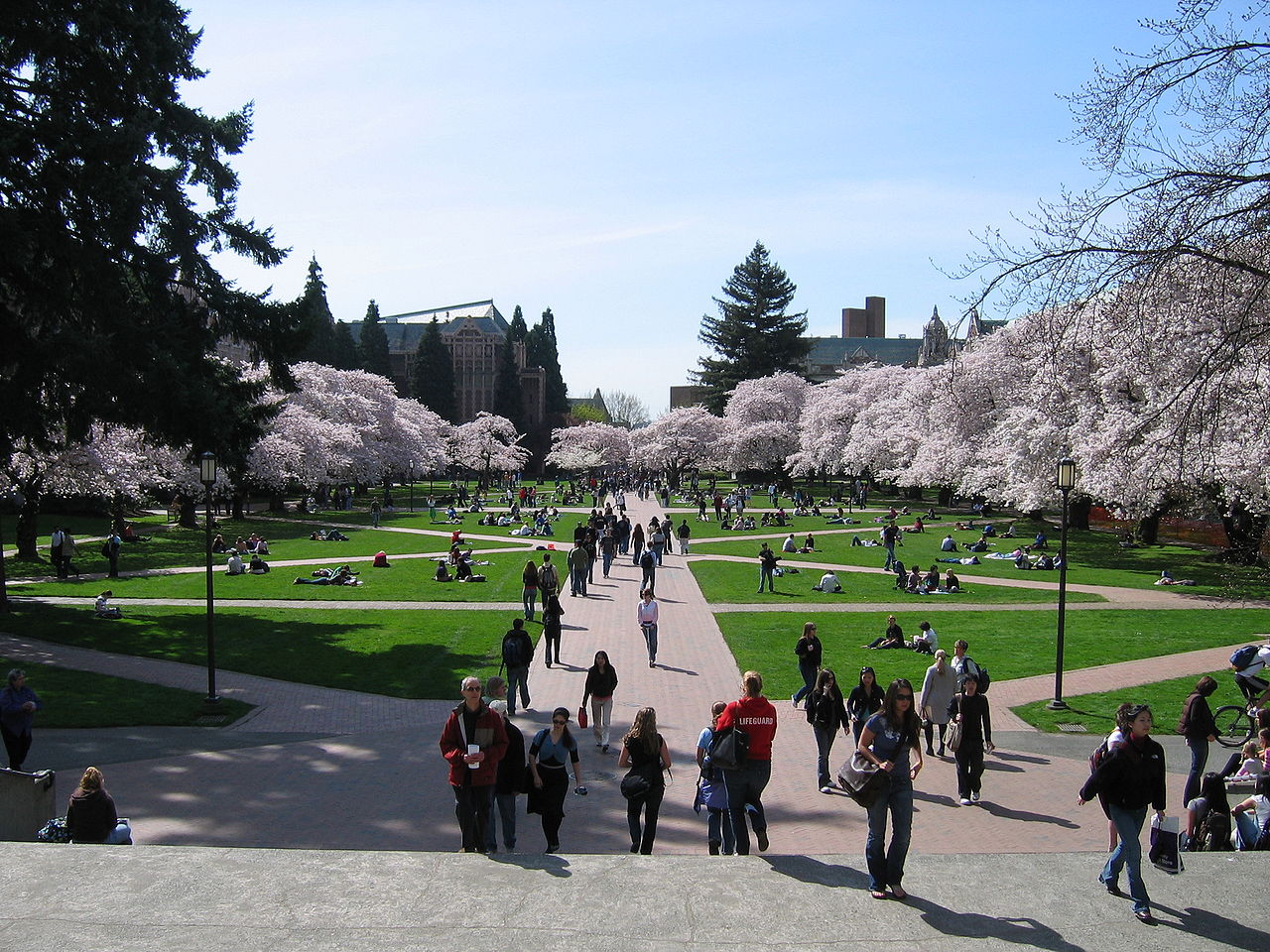
The Master of Science (MS) in Pharmaceutics program at the University of Washington offers advanced study in the science of drug development and delivery. This program is designed for students seeking to deepen their understanding of pharmaceutical sciences and prepare for careers in research and development within the pharmaceutical industry or academia. It combines theoretical knowledge with practical applications, focusing on the principles that govern how drugs are formulated, manufactured, and delivered to patients effectively and safely. The curriculum emphasizes a strong foundation in areas such as drug design, pharmacology, pharmacokinetics, and pharmaceutical manufacturing. Students will engage with current research trends and technologies, gaining skills necessary to tackle complex challenges in drug discovery and product development. The program aims to foster critical thinking and analytical abilities, preparing graduates for impactful roles in the rapidly evolving field of pharmaceutical sciences.
Master of Science in Translational Pharmaceutical Science (MSTPS)
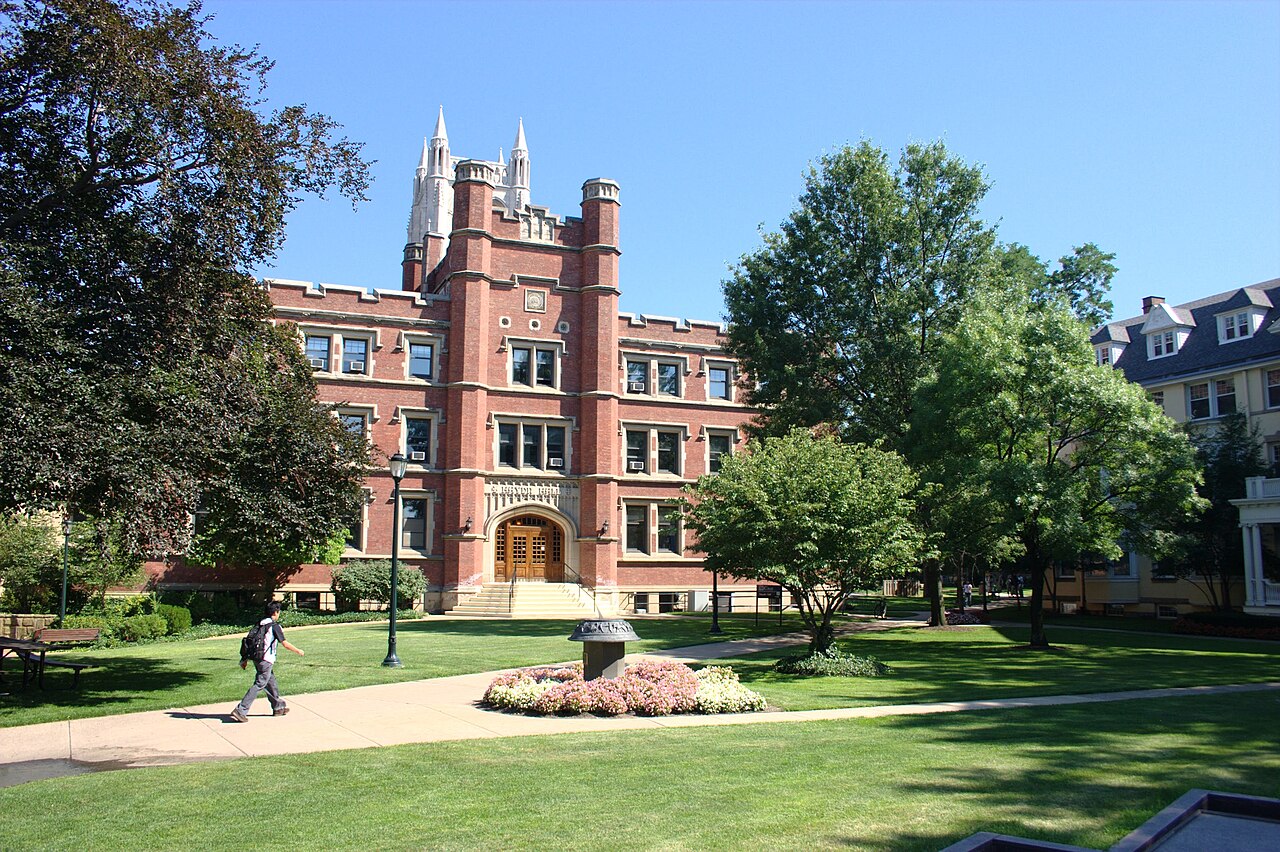
The Master of Science in Translational Pharmaceutical Science (MSTPS) program at Case Western Reserve University prepares students for diverse careers in the pharmaceutical industry and related fields. This unique two-year program emphasizes an interdisciplinary approach, drawing expertise from the School of Medicine, School of Law, Case School of Engineering, and Weatherhead School of Management. Students will build a strong foundation across four key areas: Pharmaceutical Science Principles, Drug Development and Discovery, Translational Applications and Clinical Trials, and Professional and Interpersonal Skills. You will receive personalized guidance from a faculty advisor to tailor your studies to your career goals, choosing a planned program or one of three specialty tracks: Pharmacology and Drug Discovery, Pharmaceutical Business and Law, or Biostatistics and Bioinformatics. A crucial component of the MSTPS degree is the hands-on capstone experience, which can be a research project, internship, or a combination of both. This practical experience allows you to refine your skills and ensures you are well-prepared for success in the pharmaceutical industry upon graduation.
MS in Pharmaceutical Economics and Policy
The Master of Science in Pharmaceutical Economics and Policy program equips students with advanced analytical skills to address complex economic and policy issues within the pharmaceutical industry. This program is designed for individuals seeking to understand and influence the landscape of drug development, pricing, market access, and healthcare decision-making. Graduates will be prepared for leadership roles in pharmaceutical companies, regulatory agencies, consulting firms, and health economics research institutions.
MS in Pharmaceutical Sciences
The Master of Science in Pharmaceutical Sciences program at the University of Southern California (USC) is designed for individuals with a bachelor's or master's degree in pharmacy, chemistry, biology, or related fields. The program emphasizes academic excellence and requires demonstrated proficiency in fundamental scientific areas, including organic and physical chemistry, biochemistry, biology, mathematics, statistics, and computer science. Applicants also need strong verbal and written English skills. The admissions committee carefully reviews each application, giving special attention to academic performance, particularly in science-related courses.

Pharmaceutical Science 3+1 WVU Option 1
Pharmaceutical Science Major (Pharm.BS)
The Pharmaceutical Science Major at West Virginia Wesleyan College (WVWC) provides a strong foundation for students aspiring to careers in pharmacy. This program is designed as a 3 or 4-year undergraduate degree at WVWC, followed by a 1-year program at West Virginia University (WVU) or another comparable pharmacy graduate program. The curriculum emphasizes core science subjects, including biology, chemistry, physics, and mathematics, preparing students for the rigors of pharmacy school. Successful completion of the WVWC portion and application to WVU does not guarantee admission; students must meet GPA, PCAT, and interview requirements.
Pharmaceutics Graduate Programs
The Department of Pharmaceutics at the University of Washington offers both research-based Master of Science (MS) and Doctor of Philosophy (PhD) degrees. These programs focus on advanced study and research in the field of pharmaceutics, preparing students for careers in research and academia. The admissions process is comprehensive, involving the Graduate Program Committee and all faculty members to ensure a collective decision-making approach. Please refrain from contacting individual faculty members regarding admissions likelihood or decisions, as these are made collaboratively. The MS program allows students to focus on professional skills or research, with the professional track not requiring a thesis. The PhD program is research-intensive, preparing students for independent research in the field. Both programs aim to equip students with a strong foundation in pharmaceutical sciences and research methodologies.

Pharmacology PhD
The Pharmacology program at Duke University is a top-ranked graduate program designed to prepare students for independent research careers. Pharmacology is the scientific study of how drugs affect biological systems, including the targets of drug action, their mechanisms, therapeutic and toxic effects, and the development of new medicines. This interdisciplinary field offers a diverse and flexible graduate program. All positions in the program are fully funded, covering tuition, fees, and an annual stipend for the first year. Subsequent years of study are supported by the student's thesis research advisor. The average time to complete a PhD in Pharmacology is 5.5 years.
Pharmacy Program
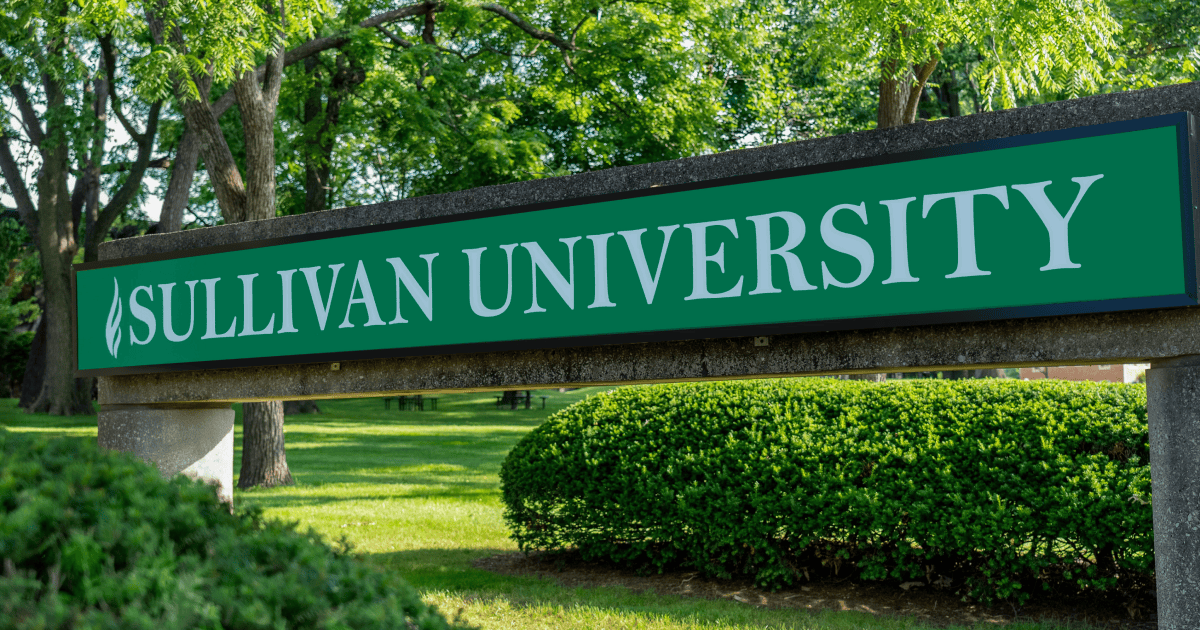
Sullivan University's Pharmacy program is designed to equip you with the knowledge and skills necessary to become a leader in healthcare and an advocate for patient well-being. The program emphasizes continuous learning, personalized instruction, and exceptional clinical opportunities to prepare you for advanced practice. You will benefit from experienced faculty and a low student-to-faculty ratio, ensuring focused learning and hands-on experience in state-of-the-art facilities.

PhD in Industrial and Molecular Pharmaceutics
Purdue University's Department of Industrial and Molecular Pharmaceutics offers a Ph.D. program designed for students interested in a scientific career in pharmaceutics. This discipline covers areas such as the development of small-molecule drugs and biopharmaceuticals, pharmacokinetics, biopharmaceutics, and physical pharmacy. The program provides an excellent research environment by integrating physical, chemical, and biological sciences. Students from diverse backgrounds in pharmacy, biochemistry, chemistry, chemical engineering, and biological sciences have successfully completed their Ph.D. here, contributing to a stimulating academic atmosphere. Each student, with faculty guidance, selects a major professor during their first semester. The curriculum is tailored to individual educational objectives, jointly determined by the student and their major professor. The Plan of Study typically includes core courses in chemistry, mathematics, statistics, biochemistry, and chemical engineering, alongside departmental offerings. Students are expected to have completed at least one year of undergraduate calculus and are encouraged to review their mathematical preparation.
PhD in Pharmaceutical Sciences
The PhD in Pharmaceutical Sciences program at the University of North Carolina at Chapel Hill's Eshelman School of Pharmacy is an interdisciplinary program designed to prepare students for impactful careers in drug discovery and development. Guided by world-renowned experts, the program immerses students in the entire drug lifecycle, fostering innovation and leadership skills essential for advancing healthcare. Students will engage with cutting-edge research across various disciplines within pharmaceutical sciences, including chemical biology, medicinal chemistry, drug delivery, molecular pharmaceutics, pharmacotherapy, and pharmaceutical outcomes and policy. The curriculum emphasizes a blend of rigorous scientific training, hands-on research experience, and professional development, equipping graduates to make significant contributions to patient care and community health.

Pre-Pharmacy
The Pre-Pharmacy program at Maryville University is designed for students interested in pursuing a career as a pharmacist. This program provides the foundational coursework and expert advising needed to build a competitive application for pharmacy schools. Students can major in science fields like Biology or Biochemistry, or choose other science-related programs, and then seamlessly transition to graduate health professional programs. Students benefit from guidance by a dedicated Pre-Health Professions advisor and a committee that offers comprehensive support. This includes information on various pharmacy programs, their admission requirements, and opportunities for undergraduate research, job shadowing, and volunteer experiences. Maryville has a notable partnership with the Lake Erie College of Osteopathic Medicine (LECOM), the largest medical school in the United States, offering a direct pathway for qualified students.
Frequently asked questions
How much do Pharmacy programmes cost in the United States?
+
Tuition is approximately €98,000 per year across the listed programmes. This typically reflects the cost of professional PharmD degrees, which are multi-year programmes.
Which universities offer Pharmacy programmes in the United States?
+
There are 17 universities in this catalogue, including Texas A&M University, the University of California, San Diego, Roosevelt University, and Philadelphia College of Osteopathic Medicine.
Can international students apply for Pharmacy programmes in the US?
+
Yes, international students can apply, though they should check whether a US PharmD is recognised for licensure in their home country. English proficiency requirements (TOEFL/IELTS) typically apply.
What are typical entry requirements for US Pharmacy programmes?
+
Most PharmD programmes require completion of specific prerequisite undergraduate courses in sciences (biology, chemistry, maths) and a competitive PCAT score. Some graduate pharmacy programmes require a prior degree in a related field.
How do I apply for a Pharmacy programme in the United States?
+
Most PharmD applications are submitted via PharmCAS (the Pharmacy College Application Service). Check each programme's website for deadlines and supporting document requirements.