Master's in Pharmacy in United States
There are 5 master's Pharmacy programmes for international students across 3 universities in United States. Browse the full list below, compare entry requirements, and explore scholarships to fund your studies.

Master of Science in Pharmaceutics
The Master of Science (MS) in Pharmaceutics program at the University of Washington offers advanced study in the science of drug development and delivery. This program is designed for students seeking to deepen their understanding of pharmaceutical sciences and prepare for careers in research and development within the pharmaceutical industry or academia. It combines theoretical knowledge with practical applications, focusing on the principles that govern how drugs are formulated, manufactured, and delivered to patients effectively and safely. The curriculum emphasizes a strong foundation in areas such as drug design, pharmacology, pharmacokinetics, and pharmaceutical manufacturing. Students will engage with current research trends and technologies, gaining skills necessary to tackle complex challenges in drug discovery and product development. The program aims to foster critical thinking and analytical abilities, preparing graduates for impactful roles in the rapidly evolving field of pharmaceutical sciences.
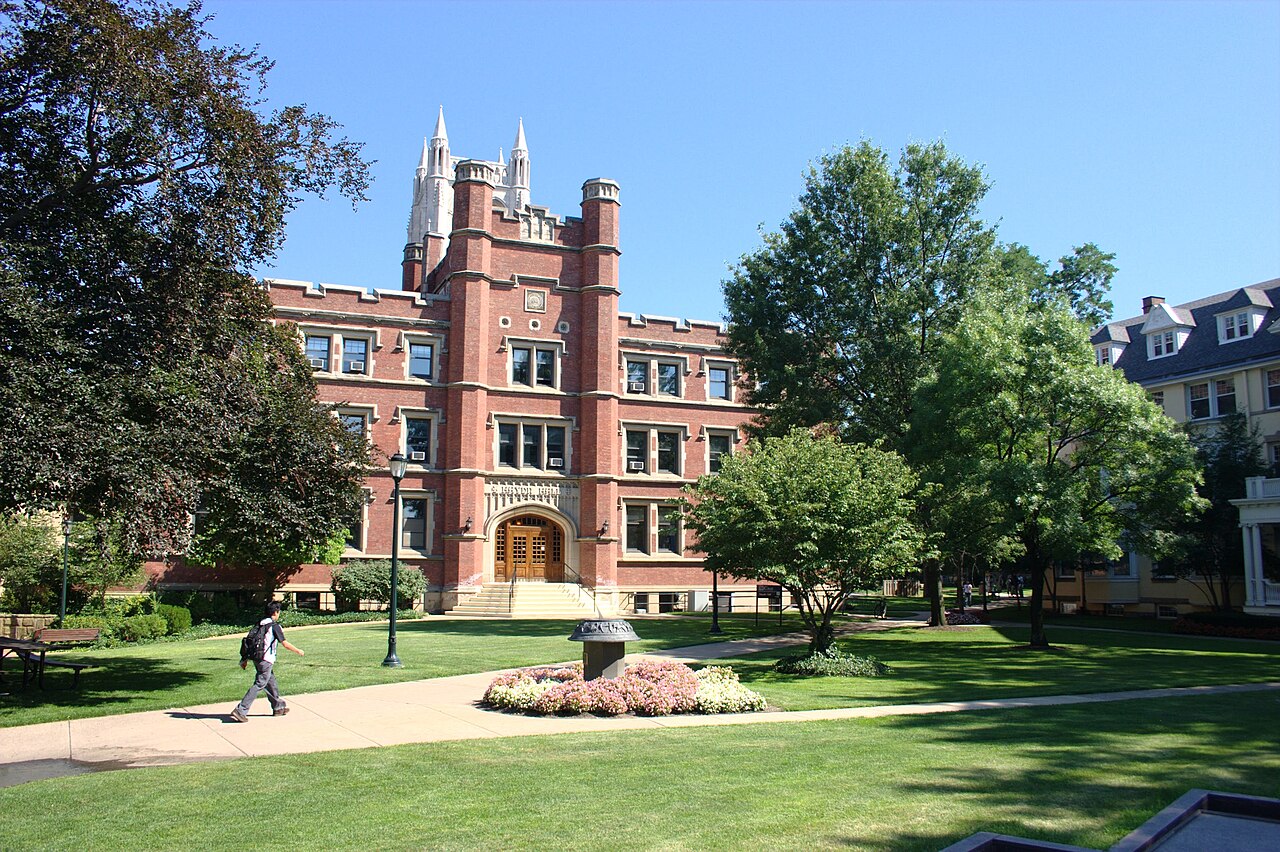
Master of Science in Translational Pharmaceutical Science (MSTPS)
The Master of Science in Translational Pharmaceutical Science (MSTPS) program at Case Western Reserve University prepares students for diverse careers in the pharmaceutical industry and related fields. This unique two-year program emphasizes an interdisciplinary approach, drawing expertise from the School of Medicine, School of Law, Case School of Engineering, and Weatherhead School of Management. Students will build a strong foundation across four key areas: Pharmaceutical Science Principles, Drug Development and Discovery, Translational Applications and Clinical Trials, and Professional and Interpersonal Skills. You will receive personalized guidance from a faculty advisor to tailor your studies to your career goals, choosing a planned program or one of three specialty tracks: Pharmacology and Drug Discovery, Pharmaceutical Business and Law, or Biostatistics and Bioinformatics. A crucial component of the MSTPS degree is the hands-on capstone experience, which can be a research project, internship, or a combination of both. This practical experience allows you to refine your skills and ensures you are well-prepared for success in the pharmaceutical industry upon graduation.

MS in Pharmaceutical Economics and Policy
The Master of Science in Pharmaceutical Economics and Policy program equips students with advanced analytical skills to address complex economic and policy issues within the pharmaceutical industry. This program is designed for individuals seeking to understand and influence the landscape of drug development, pricing, market access, and healthcare decision-making. Graduates will be prepared for leadership roles in pharmaceutical companies, regulatory agencies, consulting firms, and health economics research institutions.
MS in Pharmaceutical Sciences
The Master of Science in Pharmaceutical Sciences program at the University of Southern California (USC) is designed for individuals with a bachelor's or master's degree in pharmacy, chemistry, biology, or related fields. The program emphasizes academic excellence and requires demonstrated proficiency in fundamental scientific areas, including organic and physical chemistry, biochemistry, biology, mathematics, statistics, and computer science. Applicants also need strong verbal and written English skills. The admissions committee carefully reviews each application, giving special attention to academic performance, particularly in science-related courses.
Pharmaceutics Graduate Programs
The Department of Pharmaceutics at the University of Washington offers both research-based Master of Science (MS) and Doctor of Philosophy (PhD) degrees. These programs focus on advanced study and research in the field of pharmaceutics, preparing students for careers in research and academia. The admissions process is comprehensive, involving the Graduate Program Committee and all faculty members to ensure a collective decision-making approach. Please refrain from contacting individual faculty members regarding admissions likelihood or decisions, as these are made collaboratively. The MS program allows students to focus on professional skills or research, with the professional track not requiring a thesis. The PhD program is research-intensive, preparing students for independent research in the field. Both programs aim to equip students with a strong foundation in pharmaceutical sciences and research methodologies.
Frequently asked questions
How many Pharmacy programmes are there in United States?
+
5 across 3 universities, listed on this page.
Can international students apply?
+
Yes — these programmes admit international students; check each programme's entry requirements and language of instruction.