UNITED KINGDOM
Liverpool John Moores University
public · Founded 1823 · Languages: English

In short
Liverpool John Moores University is a public research university in the UK offering degrees across arts, business, engineering, health, and science. It provides professionally accredited courses and is known for research in astrophysics, sports science, and forensic science.
Key facts
- Type
- Public
- Founded
- 1823
- Students
- 25,000
- International students
- 3,500
- Acceptance rate
- 68%
- Tuition (intl)
- €14–22k/yr
- Languages
- ENGLISH
- Location
- United Kingdom
Liverpool John Moores University (LJMU) is a large public research university in the heart of Liverpool, United Kingdom, with roots going back to the Liverpool Mechanics' School of Arts founded in 1823. Redesignated as a university in 1992, LJMU now enrolls approximately 25,000 students from more than 100 countries across five faculties covering arts, business, engineering, health, and science. LJMU is internationally recognised for its research in astrophysics — the university operates the Liverpool Telescope on La Palma, Canary Islands — as well as in sports science, public health, and forensic science. Its city-centre campuses integrate students directly into Liverpool's world-famous cultural and creative scene. The university has a strong widening-participation mission and holds professional accreditations across law, business, architecture, nursing, and engineering, ensuring graduates enter the workplace with industry-recognised qualifications.
Why study here
- Benefit from research-led teaching in world-class specialisms including astrophysics, sports science, and forensic science.
- Study in the heart of Liverpool — a UNESCO City of Music and one of the UK's most vibrant student cities.
- Gain a professionally accredited degree recognised by RIBA, CIMA, NMC, and other leading bodies.
- Access strong employability support; LJMU is in the top 25% of UK universities for graduate employment.
- Join a diverse international community of over 3,500 international students from 100+ countries.
Student life
Liverpool is consistently rated one of the best UK cities for students. LJMU's city-centre campuses place students within walking distance of world-class music venues, football stadiums, museums, and the famous Albert Dock waterfront. The Students' Union offers over 70 clubs and societies. Student accommodation ranges from university-managed halls to private providers throughout the city. A comprehensive support network includes counselling, disability services, and an international student advisory team.
Fees
InternationalInternational students pay approximately GBP 12,500–19,800 per year depending on programme (approx. €14,000–22,500). Medicine and nursing programmes may carry higher fees.
HomeUK domestic students pay GBP 9,250 per year (standard undergraduate cap).
LivingMonthly living costs in Liverpool: approx. GBP 900–1,200 (€1,030–1,370) — among the lowest of any major UK city.
Check the LJMU fee schedule for the most current figures; postgraduate fees vary by programme.
Admissions
UndergraduateA-levels (typical BBB–ABB) or equivalent; UCAS application
PostgraduateUK 2:2 honours degree or international equivalent
English proficiencySee test requirements below
IELTS Academic6.0 overall (no band below 5.5) for most programmes; 6.5 for health programmes
TOEFL iBT79–88 depending on programme
Rankings
QS World University Rankings 2024801-1000
Times Higher Education World University Rankings 2024601-800
Complete University Guide 202457
University scholarships
LJMU International ScholarshipGBP 2,000 first-year tuition reduction
Excellence ScholarshipVaries — merit-based for high-achieving applicants
Accreditation
LJMU is a registered UK university with degree-awarding powers, subject to QAA review. Professional accreditations include RIBA (Architecture), CIMA (Accounting), NMC (Nursing), BPS (Psychology), and Chartered Institution of Highways and Transportation (Engineering).
For international students
United KingdomStudent visa & funds
International students apply for the UK Student visa, which replaced the former Tier 4 (General) route. You need an unconditional offer from a licensed student sponsor and must show maintenance funds held for at least 28 consecutive days. As of November 2025 the requirement is £1,529 per month (for up to nine months) for courses in London and £1,171 per month for courses elsewhere, on top of tuition. Students who have already held a UK visa for 12 months, and nationals of certain low-risk countries, are exempt from evidencing the funds.
Working while you study
On a degree-level course at a licensed higher-education provider, you may work up to 20 hours per week during term time and full-time during official vacation periods; sub-degree courses are capped at 10 hours per week. There is no distinction between on-campus and off-campus work, but self-employment and working as a professional sportsperson or coach are not permitted. Once you have completed all course requirements you may work full-time until your visa expires.
After you graduate
Graduates of an eligible UK degree can apply for the Graduate visa (the Graduate Route) without needing an employer sponsor. As of 2026, bachelor’s and master’s graduates receive two years of open work permission and PhD graduates receive three years. Under the 2025 immigration reforms, applications made on or after 1 January 2027 will grant 18 months instead of two years for non-doctoral qualifications, while PhD holders keep three years.
English tests
- IELTSUG 6.0–6.5; PG 6.5–7.0; competitive/Russell Group courses up to 7.0–7.5
- TOEFL iBTUG 80–90; PG 90–100; top research universities 100+
- PTE AcademicUG 51–65; PG 59–75
Main intakes
SeptemberJanuary
Typical living cost
€1,400/month
Approximate all-in student budget; major cities run higher.
Scholarships
for United Kingdom full funding
Wellcome Trust
Wellcome Discovery Awards
Open to established researchers and research teams with a proven record of research delivery who are based at, or will be hosted by, an eligible not-for-profit organisation in the UK, the Republic of Ireland, or an eligible low- or middle-income country (excluding India and mainland China). Projects must propose bold, transformative research aligned with Wellcome's mission to improve health. The award does not cover the lead applicant's own salary, and a researcher may lead only one active Discovery Award submission.
full
Funding
€4000k
Max
Nov 25, 2026
Deadline
full fundingThe Alan Turing Institute
Open Source AI Fellowship (UK)
Open to AI professionals and researchers who are legally eligible to work in the UK without sponsorship, have resided in the UK for at least 5 years (a security check is required), are employed by a UK-based organisation willing to support a 12-month secondment, and hold a PhD or equivalent professional experience in AI or a related discipline.
full
Funding
€98k
Max
Aug 18, 2027
Deadline
 full funding
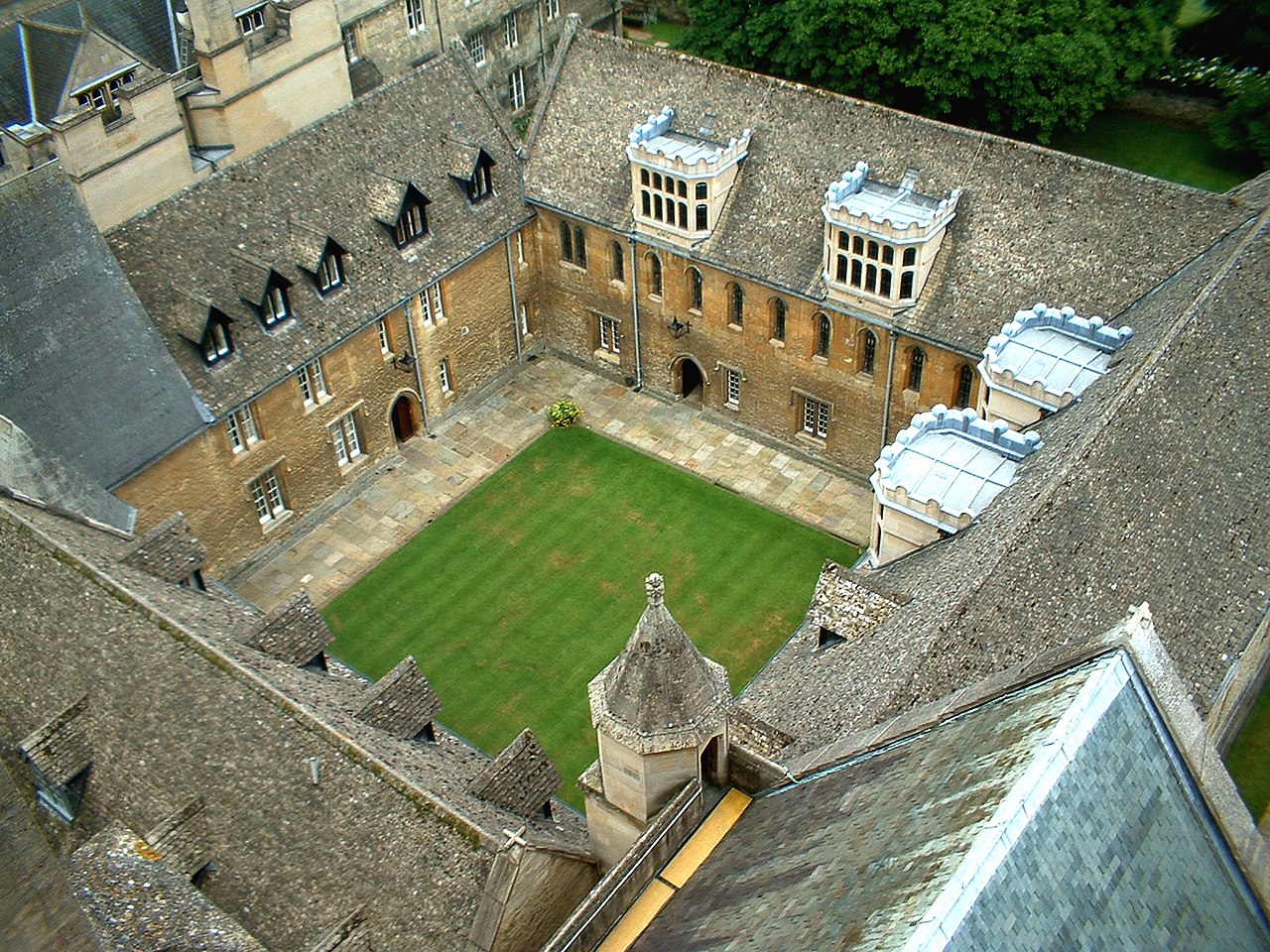
Skoll Foundation / University of Oxford Saïd Business School
Skoll Scholarship for the Oxford MBA
Open to applicants of any nationality admitted to the full-time one-year Oxford MBA at Saïd Business School who can demonstrate a track record of entrepreneurial action creating positive social or environmental impact, and for whom the cost of the programme is a significant financial burden.
full
Funding
€95k
Max
Jan 8, 2027
Deadline
full fundingRhodes Trust
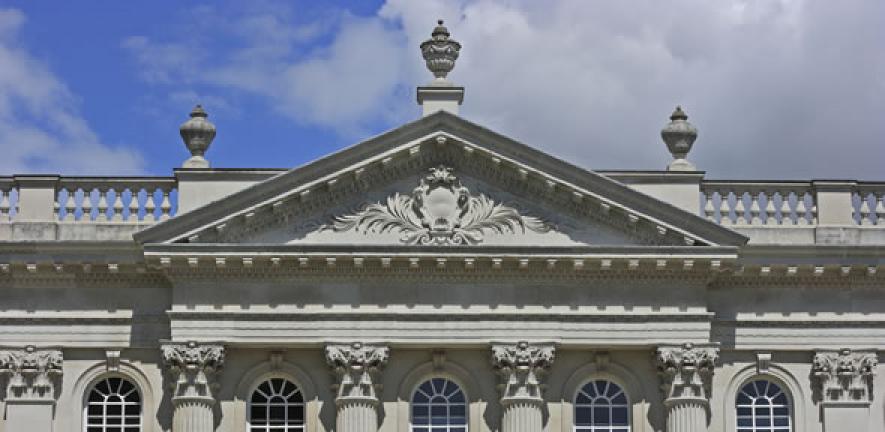
Rhodes Scholarship
For talented young people from around the world to undertake postgraduate study at the University of Oxford. Around 100 scholars are selected each year from more than 60 countries and constituencies; applications are made in your home country or constituency, each with its own age and eligibility rules.
full
Funding
€70k
Max
15d left
Deadline
 full funding
Gates Cambridge Trust
Gates Cambridge Scholarships
Open to citizens of any country outside the United Kingdom applying for a full-time postgraduate degree (PhD, MSc/MLitt, or one-year master's) at the University of Cambridge. Selection weighs academic excellence, a strong fit with the chosen Cambridge course, a clear commitment to improving the lives of others, and leadership potential.
full
Funding
€70k
Max
Dec 3, 2026
Deadline
full fundingAfrica Initiative for Governance (AIG), tenable at the Blavatnik School of Government, University of Oxford
Africa Initiative for Governance (AIG) Scholarships at the University of Oxford
Open to West African nationals (for example from Nigeria and Ghana) seeking to study the Master of Public Policy at the Blavatnik School of Government, University of Oxford. Applicants are generally aged between 25 and 45, hold a strong undergraduate degree (typically second-class upper or above), demonstrate leadership potential and a commitment to Africa's public sector, and intend to apply their learning in their home country's public service.
full
Funding
€65k
Max
Jan 9, 2027
Deadline
Frequently asked questions
What are the annual tuition fees for international students at Liverpool John Moores University?
+
International students can expect to pay approximately GBP 12,500–19,800 per year, though this can vary by program. Medicine and nursing programs may have higher fees. It is recommended to check the LJMU fee schedule for the most up-to-date information.
What are the estimated living costs for students in Liverpool?
+
Monthly living costs in Liverpool are estimated to be around GBP 900–1,200, making it one of the more affordable major UK cities for students. These costs include accommodation, food, and other daily expenses.
What English language proficiency tests does LJMU accept, and what are the score requirements?
+
Liverpool John Moores University accepts IELTS Academic with a score of 6.0 overall (with no band below 5.5) for most programs, and 6.5 for health-related programs. TOEFL iBT scores between 79–88 are also accepted, depending on the program.
What are the undergraduate and postgraduate admission requirements for international students?
+
For undergraduate studies, equivalent qualifications to UK A-levels (typically BBB–ABB) are required, submitted via UCAS. Postgraduate applicants need a UK 2:2 honours degree or its international equivalent.
Does LJMU offer scholarships for international students?
+
Yes, LJMU offers scholarships such as the LJMU International Scholarship, which provides a GBP 2,000 reduction on first-year tuition. Merit-based Excellence Scholarships are also available for high-achieving applicants.
Last updated