UNITED KINGDOM
Royal Holloway, University of London
public · Founded 1879 · Languages: English

In short
Royal Holloway, University of London is a research university on a beautiful campus near London, offering over 200 programmes across various disciplines. It provides a diverse community and access to the wider University of London network.
Key facts
- Type
- Public
- Founded
- 1879
- Students
- 12,000
- International students
- 4,000
- Acceptance rate
- 72%
- Tuition (intl)
- €18–26k/yr
- Languages
- ENGLISH
- Location
- United Kingdom
Royal Holloway, University of London is a public research university set on a stunning 135-acre campus in Egham, Surrey, just 40 minutes from central London. Founded in 1879 and a member of the federal University of London, it offers over 200 undergraduate and postgraduate programmes across arts, humanities, social sciences, natural sciences, and management. The university's iconic Founder's Building is a Grade I listed Victorian masterpiece and a symbol of its heritage and ambition. With around 12,000 students from over 130 countries, Royal Holloway combines a close-knit campus community with the global reach of the University of London network.
Why study here
- Combine campus life in the Surrey countryside with easy access to London's internships, cultural venues, and industry connections.
- Benefit from strong departments in music, management, psychology, computer science, and the arts.
- Join a diverse community of students from over 130 countries in a safe and sociable campus environment.
- Access the resources of the federal University of London, including Senate House Library and collaborative research.
- Enjoy over 100 student clubs and societies, sport facilities, and an active students' union.
Student life
Royal Holloway offers a vibrant campus life centred on its stunning Victorian estate in Egham, Surrey. The Students' Union runs over 100 clubs and societies covering sports, arts, culture, and academic interests, and the on-campus social spaces make it easy to meet people from around the world. The Founder's Building is a focal point for events and socialising, and the nearby Windsor Great Park and Runnymede offer outdoor recreation. London is under an hour away by train, giving students access to world-class cultural institutions, internship opportunities, and nightlife.
Fees
InternationalInternational undergraduate tuition fees are approximately £19,700–£24,700 per year (around €23,000–€29,000). Postgraduate taught fees range from £18,200–£27,500. Fees vary by programme.
HomeUK undergraduate tuition fees are £9,535 per year (2025–26 rate). Postgraduate home fees vary by programme, typically £10,000–£16,000.
LivingCampus accommodation costs approximately £7,000–£11,000 per academic year. Living costs in Egham (excluding tuition) are estimated at £12,000–£15,000 per year, lower than central London.
International students should also budget for the NHS surcharge (currently £776 per year of visa). Scholarships and bursaries are available to help offset costs.
Admissions
UndergraduateA-levels (typically BBB–AAA depending on programme), IB (30–36 points), or equivalent international qualifications.
PostgraduateUK 2:1 honours degree or international equivalent; specific requirements vary by programme.
FoundationInternational Foundation Year available for students who do not meet direct entry requirements.
IELTS Academic6.5 overall (no band below 5.5) for most programmes; 7.0 for some.
TOEFL iBT90 overall (no band below 20) for most programmes.
PTE Academic62 overall for most programmes.
Rankings
QS World University Rankings 2024461
Times Higher Education World University Rankings 2024401
Complete University Guide 2025 (UK)36
University scholarships
International Excellence Scholarship£2,000–£5,000 per year towards tuition fees for high-achieving international students.
Holloway ScholarshipFull tuition fee waiver for exceptional UK/EU undergraduates demonstrating financial need.
Accreditation
Royal Holloway is a constituent college of the federal University of London and is recognised by the Quality Assurance Agency for Higher Education (QAA). Several programmes hold professional accreditation from bodies such as AACSB (management), BPS (psychology), and the Royal College of Music.
For international students
United KingdomStudent visa & funds
International students apply for the UK Student visa, which replaced the former Tier 4 (General) route. You need an unconditional offer from a licensed student sponsor and must show maintenance funds held for at least 28 consecutive days. As of November 2025 the requirement is £1,529 per month (for up to nine months) for courses in London and £1,171 per month for courses elsewhere, on top of tuition. Students who have already held a UK visa for 12 months, and nationals of certain low-risk countries, are exempt from evidencing the funds.
Working while you study
On a degree-level course at a licensed higher-education provider, you may work up to 20 hours per week during term time and full-time during official vacation periods; sub-degree courses are capped at 10 hours per week. There is no distinction between on-campus and off-campus work, but self-employment and working as a professional sportsperson or coach are not permitted. Once you have completed all course requirements you may work full-time until your visa expires.
After you graduate
Graduates of an eligible UK degree can apply for the Graduate visa (the Graduate Route) without needing an employer sponsor. As of 2026, bachelor’s and master’s graduates receive two years of open work permission and PhD graduates receive three years. Under the 2025 immigration reforms, applications made on or after 1 January 2027 will grant 18 months instead of two years for non-doctoral qualifications, while PhD holders keep three years.
English tests
- IELTSUG 6.0–6.5; PG 6.5–7.0; competitive/Russell Group courses up to 7.0–7.5
- TOEFL iBTUG 80–90; PG 90–100; top research universities 100+
- PTE AcademicUG 51–65; PG 59–75
Main intakes
SeptemberJanuary
Typical living cost
€1,400/month
Approximate all-in student budget; major cities run higher.
Scholarships
for United Kingdom full funding
Wellcome Trust
Wellcome Discovery Awards
Open to established researchers and research teams with a proven record of research delivery who are based at, or will be hosted by, an eligible not-for-profit organisation in the UK, the Republic of Ireland, or an eligible low- or middle-income country (excluding India and mainland China). Projects must propose bold, transformative research aligned with Wellcome's mission to improve health. The award does not cover the lead applicant's own salary, and a researcher may lead only one active Discovery Award submission.
full
Funding
€4000k
Max
Nov 25, 2026
Deadline
full fundingThe Alan Turing Institute
Open Source AI Fellowship (UK)
Open to AI professionals and researchers who are legally eligible to work in the UK without sponsorship, have resided in the UK for at least 5 years (a security check is required), are employed by a UK-based organisation willing to support a 12-month secondment, and hold a PhD or equivalent professional experience in AI or a related discipline.
full
Funding
€98k
Max
Aug 18, 2027
Deadline
 full funding
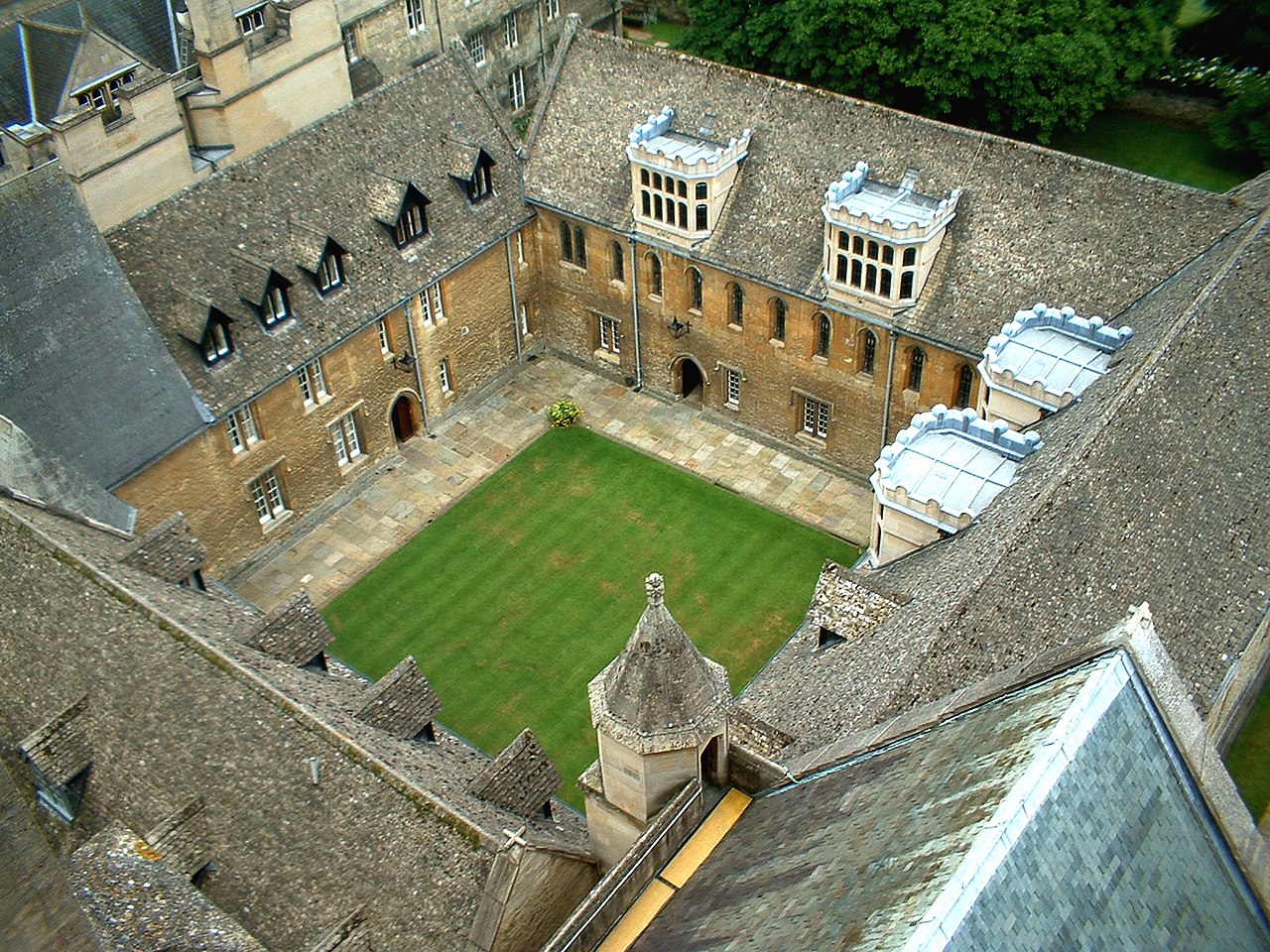
Skoll Foundation / University of Oxford Saïd Business School
Skoll Scholarship for the Oxford MBA
Open to applicants of any nationality admitted to the full-time one-year Oxford MBA at Saïd Business School who can demonstrate a track record of entrepreneurial action creating positive social or environmental impact, and for whom the cost of the programme is a significant financial burden.
full
Funding
€95k
Max
Jan 8, 2027
Deadline
full fundingRhodes Trust
Rhodes Scholarship
For talented young people from around the world to undertake postgraduate study at the University of Oxford. Around 100 scholars are selected each year from more than 60 countries and constituencies; applications are made in your home country or constituency, each with its own age and eligibility rules.
full
Funding
€70k
Max
14d left
Deadline
 full funding
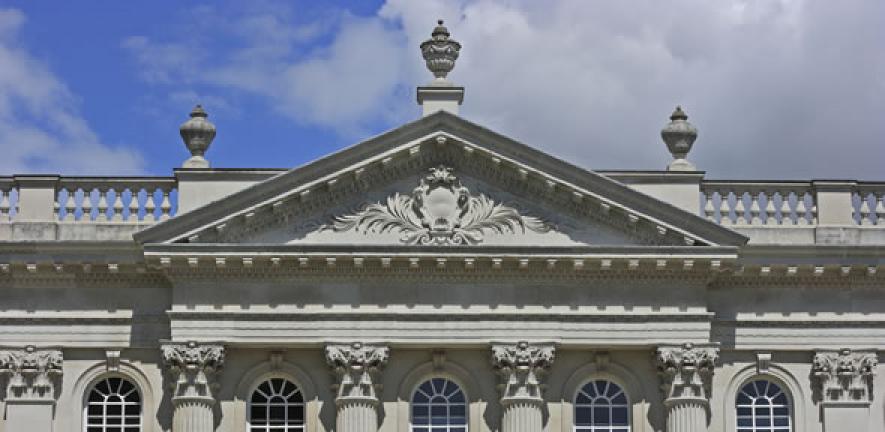
Gates Cambridge Trust
Gates Cambridge Scholarships
Open to citizens of any country outside the United Kingdom applying for a full-time postgraduate degree (PhD, MSc/MLitt, or one-year master's) at the University of Cambridge. Selection weighs academic excellence, a strong fit with the chosen Cambridge course, a clear commitment to improving the lives of others, and leadership potential.
full
Funding
€70k
Max
Dec 3, 2026
Deadline
full fundingAfrica Initiative for Governance (AIG), tenable at the Blavatnik School of Government, University of Oxford
Africa Initiative for Governance (AIG) Scholarships at the University of Oxford
Open to West African nationals (for example from Nigeria and Ghana) seeking to study the Master of Public Policy at the Blavatnik School of Government, University of Oxford. Applicants are generally aged between 25 and 45, hold a strong undergraduate degree (typically second-class upper or above), demonstrate leadership potential and a commitment to Africa's public sector, and intend to apply their learning in their home country's public service.
full
Funding
€65k
Max
Jan 9, 2027
Deadline
Frequently asked questions
What are the approximate tuition fees for international students at Royal Holloway?
+
International undergraduate tuition fees range from approximately £19,700–£24,700 per year. Postgraduate taught fees are between £18,200–£27,500, varying by programme. International students must also budget for the NHS surcharge.
How much does accommodation and living cost for international students?
+
Campus accommodation costs around £7,000–£11,000 per academic year. Estimated living costs in Egham, excluding tuition, are £12,000–£15,000 annually.
What academic qualifications are needed for admission?
+
For undergraduate study, typical requirements include A-levels (BBB–AAA), IB (30–36 points), or equivalent. Postgraduate admission usually requires a UK 2:1 honours degree or its international equivalent, with specific programme variations.
Does Royal Holloway offer scholarships for international students?
+
Yes, the International Excellence Scholarship provides £2,000–£5,000 per year towards tuition fees for high-achieving international students.
What are the English language requirements for international applicants?
+
Most programmes require an IELTS Academic score of 6.5 overall (with no band below 5.5) or a TOEFL iBT score of 90 overall (with no band below 20). Some programmes may have higher requirements.
Last updated